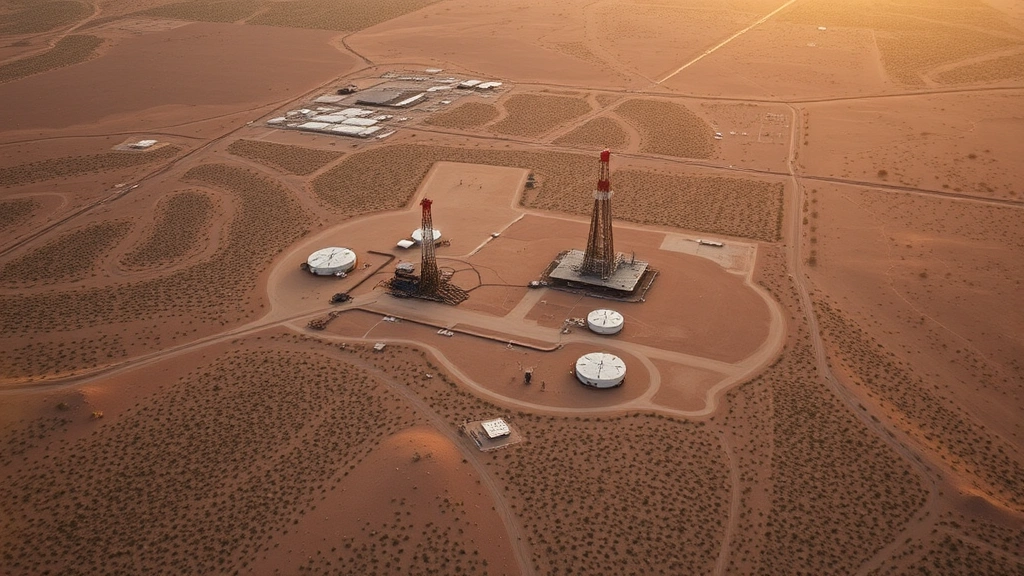
Is West Texas Gas Sustainable? Analyst Insights
West Texas has long been synonymous with oil and natural gas production, contributing significantly to America’s energy supply for over a century. However, as the world pivots toward sustainable energy solutions, critical questions emerge about the environmental viability of traditional fossil fuel extraction in this region. This comprehensive analysis examines whether West Texas gas operations can align with modern sustainability standards, exploring technological innovations, environmental impacts, and the transition pathways that could reshape the industry.
The Permian Basin, located primarily in West Texas, represents one of the world’s most productive oil and gas regions. Yet productivity alone doesn’t guarantee sustainability. As investors, policymakers, and consumers increasingly demand environmental accountability, the gas industry faces unprecedented scrutiny. Understanding the nuances of West Texas gas sustainability requires examining extraction methods, carbon emissions, water management, and the broader energy transition landscape.
Current State of West Texas Gas Production
West Texas, particularly the Permian Basin, produces approximately 4.5 million barrels of oil equivalent per day, making it a cornerstone of U.S. energy independence. Natural gas production from this region supplies heating, electricity generation, and industrial processes across North America. The economic significance is undeniable—the industry generates billions in revenue and employs tens of thousands of workers across exploration, extraction, refining, and transportation sectors.
However, the current production model relies on conventional drilling techniques that have remained largely unchanged for decades. Hydraulic fracturing (fracking) and horizontal drilling have increased extraction efficiency, yet these methods come with substantial environmental costs. The scale of operations in West Texas means that incremental improvements in sustainability can yield significant regional and global impacts. Understanding this production landscape is essential for evaluating whether meaningful progress toward sustainability is possible within existing operational frameworks.
Recent industry reports indicate that West Texas operators are increasingly investing in efficiency upgrades and emissions reduction technologies. Yet these efforts remain modest compared to the scale of operations. The question isn’t whether individual companies are attempting sustainability measures, but whether such measures can fundamentally transform an inherently carbon-intensive industry into a genuinely sustainable enterprise.

Environmental Impact Assessment
A comprehensive environmental impact assessment of West Texas gas reveals multiple interconnected concerns. Beyond carbon emissions, gas production affects air quality, groundwater integrity, soil composition, and biodiversity. The extraction process requires clearing land for drilling pads, pipelines, and support infrastructure, fragmenting ecosystems and disrupting wildlife migration patterns.
Air quality degradation occurs through volatile organic compound (VOC) emissions and nitrogen oxide releases from drilling equipment and processing facilities. These emissions contribute to ground-level ozone formation, which poses respiratory health risks to nearby communities. In West Texas, rural populations and ranch owners live in proximity to industrial operations, making air quality concerns particularly acute for vulnerable populations.
Seismic activity represents another underappreciated environmental consequence. Wastewater injection from gas operations has triggered hundreds of minor earthquakes across the region, raising concerns about infrastructure damage and long-term geological stability. While major earthquakes remain rare, the cumulative effect of induced seismicity warrants serious consideration in sustainability assessments.
To understand how to reduce your environmental footprint as a consumer, it’s crucial to recognize that energy choices have cascading environmental effects. Supporting advantages of electric vehicles and renewable energy reduces demand for fossil fuel extraction in sensitive regions like West Texas.
Methane Emissions and Climate Concerns
Methane emerges as the most critical climate concern associated with West Texas gas production. Methane is approximately 84-86 times more potent than carbon dioxide over a 20-year timeframe, making even small leakage rates climatically significant. The U.S. Environmental Protection Agency estimates that the oil and gas sector accounts for roughly 30% of U.S. methane emissions, with natural gas operations being a primary contributor.
West Texas gas facilities leak methane throughout the production, processing, and transportation chain. Equipment failures, intentional venting during maintenance, and fugitive emissions from wellheads collectively contribute substantial quantities of this potent greenhouse gas to the atmosphere. Some analysts estimate that actual methane leakage rates exceed EPA calculations, suggesting the climate impact is worse than officially reported.
The significance of methane for climate policy cannot be overstated. Even if natural gas burns cleaner than coal during electricity generation, the upstream methane losses can eliminate any climate advantage. Recent research from the EPA’s greenhouse gas inventory demonstrates that reducing methane emissions offers one of the most cost-effective near-term climate solutions available.
Technological solutions exist for reducing methane leakage, including improved detection equipment, pipeline upgrades, and equipment replacements. However, implementing these measures across the vast West Texas infrastructure requires substantial capital investment and regulatory mandates. Without aggressive policy intervention, market forces alone have proven insufficient to drive comprehensive methane reduction.
Water Resources and Contamination Risks
West Texas water resources face unprecedented pressure from gas production operations. Hydraulic fracturing requires millions of gallons of water per well, straining aquifers in a semi-arid region already experiencing water scarcity. The Ogallala Aquifer, which underlies much of the Texas Panhandle, faces depletion from both agricultural irrigation and industrial gas operations.
Contamination risks extend beyond water quantity to water quality. While direct contamination of drinking water by fracking fluids remains debated, documented cases of groundwater degradation near drilling sites raise legitimate concerns. Methane migration into aquifers has been observed in multiple locations, rendering water unsuitable for consumption or agricultural use. Additionally, the disposal of produced water—saline brines containing minerals and trace chemicals—presents ongoing management challenges.
Produced water disposal through deep-well injection, while considered relatively contained, contributes to induced seismicity and potential long-term aquifer impacts. Surface spills of produced water and drilling fluids, though increasingly rare due to improved regulations, continue to occur and can devastate local water resources. In a region where water scarcity already limits economic development and agricultural productivity, these risks demand serious consideration.
The interconnection between water sustainability and broader environmental health cannot be ignored. Communities dependent on groundwater for drinking water, livestock, and irrigation face genuine risks from intensive gas operations. Addressing these concerns requires robust monitoring, strict enforcement, and potentially limiting operations in particularly sensitive water zones.
Technological Innovations in the Sector
The gas industry has introduced several technological innovations aimed at improving operational sustainability. Advanced leak detection systems using infrared imaging and satellite monitoring can identify methane releases more quickly than traditional methods. Automated equipment shutoffs and pressure management systems reduce venting losses. Some operators have invested in renewable energy sources to power drilling operations, reducing onsite fuel consumption.
Carbon capture and utilization (CCU) technologies represent a more recent development in the sector. Some West Texas operators are experimenting with capturing CO2 from processing facilities and either storing it permanently or utilizing it in enhanced oil recovery operations. However, these technologies remain expensive, and their net climate benefit depends heavily on operational details and storage permanence.
Artificial intelligence and machine learning applications enable predictive maintenance, identifying equipment failures before they occur and reducing unplanned downtime that often triggers emergency venting. Real-time monitoring systems provide operators with granular data on emissions sources, facilitating more targeted reduction strategies. These innovations demonstrate that technology can contribute to incremental improvements in operational efficiency and emissions reduction.
Yet technological optimism must be tempered with realism. Innovations can reduce the environmental damage per unit of production, but they don’t address the fundamental question of whether fossil fuel extraction itself can be sustainable. Efficiency improvements may enable continued expansion rather than transition away from fossil fuels—a phenomenon known as the Jevons Paradox. True sustainability may require not just better technology, but fundamental changes in energy infrastructure and consumption patterns.
Exploring green technology innovations transforming our future reveals that many of the most promising solutions involve shifting away from fossil fuels entirely rather than optimizing their extraction.
Regulatory Framework and Compliance
The regulatory environment governing West Texas gas operations exists at federal, state, and local levels, creating a complex compliance landscape. Federal regulations under the Clean Air Act, Clean Water Act, and Resource Conservation and Recovery Act establish baseline standards. The EPA’s New Source Performance Standards (NSPS) for the oil and gas industry set methane and volatile organic compound emission limits for new and modified facilities.
Texas state regulations complement federal standards, though historically with a lighter regulatory touch than many other states. The Texas Railroad Commission oversees oil and gas operations, balancing resource development with environmental protection. In recent years, state regulations have tightened somewhat, requiring operators to demonstrate compliance with air quality standards and implement leak detection and repair programs.
However, regulatory gaps remain significant. Existing sources may be exempt from some methane regulations, creating a patchwork of compliance obligations. Enforcement resources often prove insufficient for comprehensive monitoring of thousands of drilling sites spread across vast territories. Additionally, regulatory standards may lag behind scientific understanding of environmental impacts, meaning that legal compliance doesn’t necessarily equate to genuine sustainability.
The EPA’s air quality standards have evolved as research demonstrates health impacts at lower pollution levels, yet implementation in regions with intensive gas operations often lags. This regulatory lag creates windows where operations remain legal but scientifically questionable from a public health perspective.
Strengthening regulations could drive greater sustainability improvements, but industry opposition remains formidable. The economic stakes are enormous, and political influence from energy companies shapes regulatory development. Meaningful regulatory enhancement requires sustained political will and public pressure—factors that fluctuate with election cycles and broader political movements.
Economic Transition Strategies
Transitioning West Texas away from dependence on gas production presents substantial economic challenges. The industry directly and indirectly employs tens of thousands of workers, supports local tax bases, and anchors regional economies. A rapid transition without thoughtful economic planning could devastate communities already vulnerable to economic disruption.
However, the transition is inevitable, whether managed proactively or experienced as crisis. Global climate commitments, renewable energy cost declines, and eventual demand reduction for fossil fuels make continued expansion of gas production untenable. The question becomes how to manage this transition to minimize human hardship and maximize economic opportunity.
Potential transition strategies include workforce retraining programs that equip oil and gas workers with skills for renewable energy sectors. West Texas’s abundant solar and wind resources could support substantial renewable energy development, creating new employment opportunities. Investment in renewable manufacturing facilities could establish new industrial anchors for the region. Geothermal energy development, enhanced oil recovery with permanent CO2 storage, and hydrogen production from renewable electricity represent additional economic pathways.
Economic diversification reduces regional vulnerability to commodity price fluctuations and global energy transitions. Communities that have successfully diversified historically demonstrate greater economic resilience. However, implementing such transitions requires substantial public and private investment, technical support, and sustained commitment over decades.
Understanding principles of sustainability: a comprehensive guide reveals that true economic sustainability requires diversification beyond single-commodity dependence, particularly for commodities with declining long-term demand prospects.
Comparison with Renewable Alternatives
Comparing West Texas gas to renewable energy alternatives reveals stark differences in sustainability profiles. Solar and wind energy generate electricity with minimal ongoing environmental impacts, no water consumption, no air pollution, and no greenhouse gas emissions during operation. The energy return on investment for renewables far exceeds fossil fuels when lifecycle impacts are included.
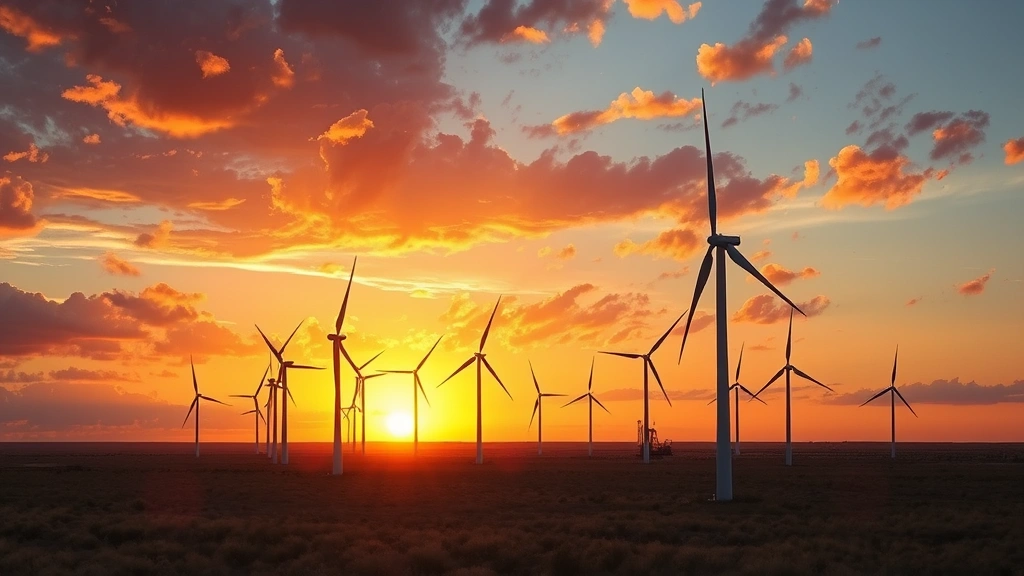
Texas possesses exceptional renewable energy resources. The state leads the nation in wind energy generation, and West Texas’s solar potential rivals any region globally. Deploying these resources at scale could provide reliable, affordable electricity while eliminating fossil fuel extraction impacts. Battery storage technologies, increasingly cost-competitive, address intermittency concerns that historically limited renewable deployment.
The levelized cost of electricity (LCOE) from renewables now undercuts natural gas in many contexts, eliminating the economic argument for fossil fuel preference. Investment in renewable infrastructure generates comparable employment to fossil fuel industries while creating jobs that cannot be outsourced. Renewable energy development strengthens energy independence and reduces exposure to volatile global energy markets.
Transportation electrification represents another dimension of the renewable transition. As advantages of electric vehicles become increasingly apparent, demand for transportation fuels declines. This structural demand reduction undermines long-term viability of gas production expansion, even without climate policy intervention.
The comparison isn’t merely environmental but economic and strategic. Renewable energy represents a more sustainable, economically resilient pathway than continued fossil fuel dependence. For West Texas specifically, this transition offers opportunities for economic revitalization through resource-appropriate development.
Future Outlook for West Texas Energy
The future of West Texas energy hinges on global climate policy, technological development, and market dynamics. Several scenarios appear plausible. In a high-climate-action scenario, aggressive emissions reduction targets drive rapid fossil fuel phase-out, leaving stranded gas assets and requiring accelerated regional transition. In a business-as-usual scenario, gradual demand reduction occurs as renewables expand, but West Texas continues producing gas for decades, albeit at declining volumes and prices.
Analyst consensus increasingly suggests that peak global oil and gas demand may arrive within the next two decades, with demand declining thereafter. This structural demand shift means that West Texas gas production cannot expand indefinitely; contraction is inevitable. The timing and pace of decline determine economic and social impacts. Proactive transition planning enables managed decline; reactive approaches risk crisis conditions.
Investment trends already reflect these realities. Institutional investors increasingly divest from fossil fuel companies, reducing capital availability for major new projects. Financial institutions establish climate risk policies limiting fossil fuel lending. These market-driven pressures complement policy-driven transitions, accelerating the energy transformation regardless of political leadership.
For West Texas specifically, the opportunity exists to position the region as a renewable energy hub rather than a declining fossil fuel region. Investment in solar manufacturing, wind turbine production, battery storage facilities, and renewable energy infrastructure could create more jobs than continued gas operations while establishing long-term economic viability. Such positioning requires vision, investment, and political commitment—but the alternative is managed decline without economic alternatives.
Visiting the SustainWise Hub Blog provides ongoing analysis of energy transition developments and sustainability innovations shaping global energy futures.
FAQ
Is natural gas from West Texas actually cleaner than coal?
Natural gas produces fewer direct carbon emissions than coal during electricity generation. However, when upstream methane leakage is included in lifecycle analysis, the climate advantage diminishes significantly. If methane leakage rates exceed 3-4%, natural gas offers minimal climate benefit compared to coal. Recent research suggests actual leakage rates may exceed these thresholds, undermining natural gas’s environmental positioning.
What percentage of U.S. gas comes from West Texas?
The Permian Basin in West Texas produces approximately 30-35% of U.S. natural gas, making it the nation’s most productive gas region. This concentration of production means that West Texas sustainability directly impacts national energy sustainability.
Can West Texas transition away from gas production without economic collapse?
Economic transition is challenging but manageable with proper planning and investment. The region’s exceptional renewable resources, existing industrial infrastructure, and skilled workforce provide foundations for economic diversification. However, transition requires deliberate policy, substantial investment, and sustained commitment. Unmanaged transition could indeed cause economic disruption, which is why proactive planning is essential.
What role could carbon capture play in West Texas gas sustainability?
Carbon capture could reduce emissions from existing operations, but it remains expensive and energy-intensive. Its net climate benefit depends on permanent storage or productive utilization. While potentially valuable as a transition tool, carbon capture shouldn’t delay the fundamental shift toward zero-emission energy sources.
Are West Texas gas operations becoming more sustainable?
Incremental improvements are occurring through technological innovation and regulatory tightening. However, these improvements haven’t fundamentally transformed the sustainability profile of gas operations. Continued expansion of production contradicts genuine sustainability goals, regardless of per-unit efficiency improvements.
How do West Texas gas emissions compare to other U.S. regions?
The Permian Basin’s scale means its absolute emissions are significant, though per-unit emissions may be competitive with other regions. What matters for climate impact is total emissions, not relative efficiency. The region’s dominance in U.S. production means that West Texas emissions reduction could meaningfully contribute to national climate goals.


