Nitrogen: Earth’s Dominant Gas – Scientific Insight into the Most Abundant Gas in the Atmosphere
When we think about the air we breathe, oxygen often comes to mind as the essential component that sustains life. However, the most abundant gas in the atmosphere is actually nitrogen (N₂), comprising approximately 78% of Earth’s air. This colorless, odorless gas plays a foundational role in planetary chemistry, ecosystems, and human sustainability. Understanding nitrogen’s significance helps us grasp how our atmosphere functions and why this element is critical for environmental health and agricultural productivity.
Nitrogen exists as a diatomic molecule in the atmosphere, meaning two nitrogen atoms bond together to form N₂. Despite its abundance and chemical stability, nitrogen’s journey through ecosystems—known as the nitrogen cycle—is complex and increasingly affected by human activity. From powering plant growth to contributing to climate concerns, nitrogen’s role extends far beyond simple atmospheric composition. This comprehensive guide explores nitrogen’s characteristics, its essential functions, and its implications for sustainable living and environmental stewardship.
What is Nitrogen and Why It Dominates Our Atmosphere
Nitrogen is a chemical element with atomic number 7, represented by the symbol N on the periodic table. In Earth’s atmosphere, nitrogen exists primarily as N₂, a stable diatomic molecule that accounts for roughly 78% of air composition. This dominance makes nitrogen the most abundant gas in the atmosphere by a significant margin—far exceeding oxygen (21%) and argon (0.93%), with remaining trace gases comprising less than 0.1%.
The prevalence of nitrogen in our atmosphere stems from geological and chemical processes spanning billions of years. Nitrogen’s stability as N₂ means it doesn’t easily react with other elements under normal atmospheric conditions, allowing it to accumulate and persist. This chemical inertness is both a blessing and a challenge: while it makes nitrogen safe and unreactive in the air we breathe, it also means organisms cannot directly utilize atmospheric nitrogen without specialized biological or industrial processes. Understanding this fundamental characteristic is essential for grasping why nitrogen cycling is so crucial to life on Earth.
The concentration of nitrogen in the atmosphere has remained relatively stable over geological timescales, though human industrial activities have begun altering nitrogen distribution and cycling patterns. When exploring questions about sustainability and environmental chemistry, nitrogen’s atmospheric dominance provides context for understanding how gases interact with climate systems and ecosystems. The inert nature of atmospheric N₂ contrasts sharply with nitrogen’s highly reactive forms, which exist in smaller quantities but have outsized importance for biological processes.

The Nitrogen Cycle and Ecosystem Functions
The nitrogen cycle represents one of Earth’s most critical biogeochemical processes, describing how nitrogen moves between the atmosphere, soil, water, and living organisms. This cycle operates through several interconnected stages: atmospheric nitrogen fixation, nitrification, assimilation, ammonification, and denitrification. Each stage involves different chemical transformations and relies on specific microorganisms or chemical processes to convert nitrogen between its various forms.
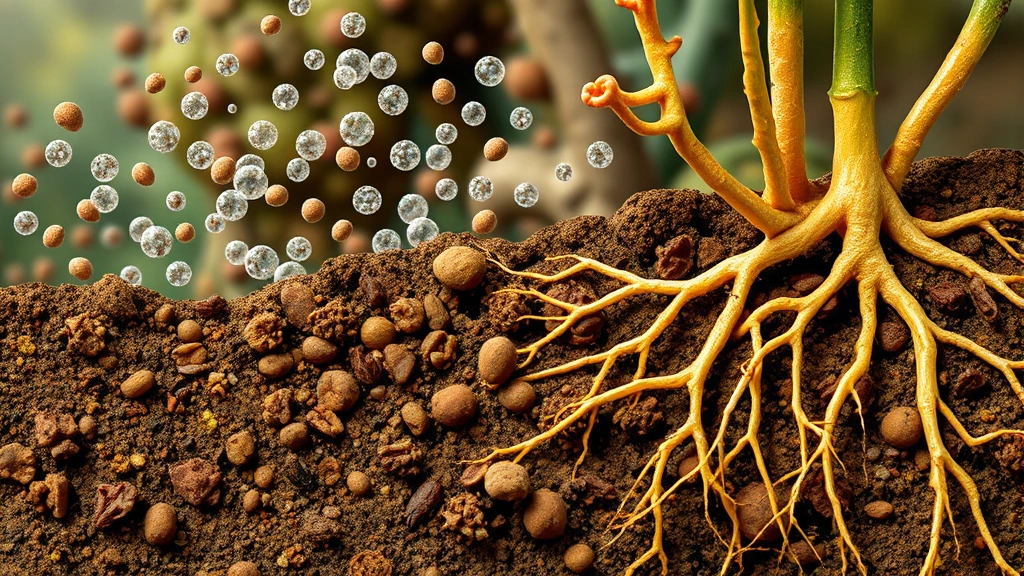
Nitrogen fixation is the first essential step, where atmospheric N₂ is converted into ammonia (NH₃) or nitrate (NO₃⁻)—forms that organisms can utilize. This process occurs through three primary mechanisms: biological fixation by specialized bacteria (particularly in legume plants), industrial fixation through the Haber-Bosch process, and atmospheric fixation via lightning and ultraviolet radiation. Biological nitrogen fixation, performed by bacteria like Rhizobium and Azotobacter, is particularly important for natural ecosystems and sustainable agriculture.
Once nitrogen is fixed into usable forms, plants absorb it through their roots for protein synthesis and growth. Animals consume plants and incorporate nitrogen into their tissues. When organisms die or excrete waste, decomposers break down organic matter through ammonification, releasing ammonia back into soil. Bacteria then convert ammonia into nitrite and nitrate through nitrification, making nitrogen available for plant uptake again or for denitrifying bacteria to return nitrogen to the atmosphere as N₂, completing the cycle.
The nitrogen cycle’s efficiency is fundamental to ecosystem health. Without adequate nitrogen cycling, plant growth would be severely limited, cascading through food webs and reducing productivity across terrestrial and aquatic ecosystems. This interconnected process demonstrates why sustainable agricultural practices that support natural nitrogen cycling are essential for long-term food security and environmental health.
Nitrogen’s Role in Agriculture and Food Production
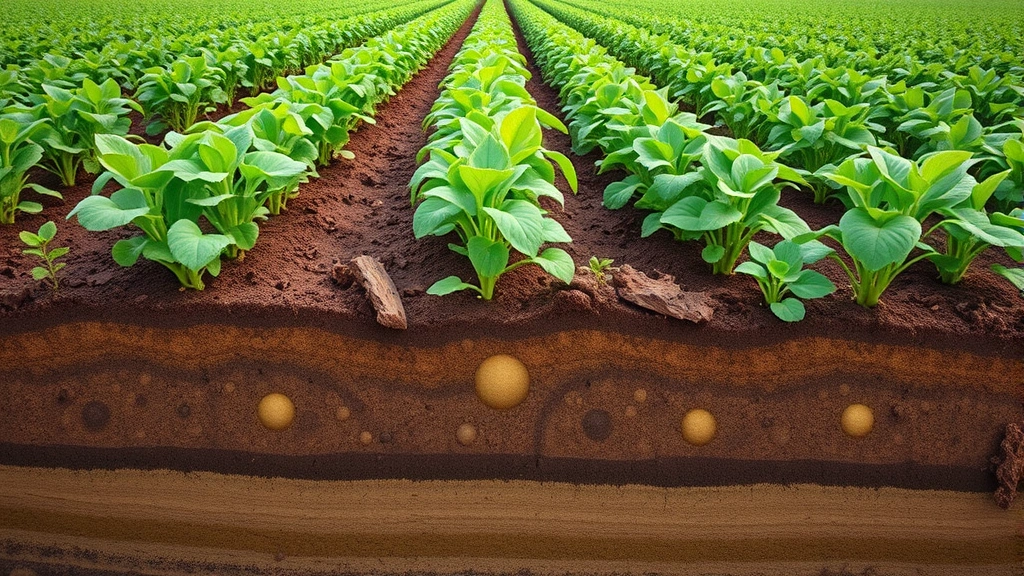
Agriculture represents humanity’s most direct and intensive interaction with the nitrogen cycle. Nitrogen is the most limiting nutrient for crop production globally, meaning that nitrogen availability often determines agricultural yield more than any other single factor. Farmers have historically relied on natural nitrogen cycling through crop rotation with legumes, animal manure application, and allowing fields to lie fallow. However, modern industrial agriculture has increasingly depended on synthetic nitrogen fertilizers to maximize productivity.
The Haber-Bosch process, developed in the early 1900s, revolutionized agriculture by enabling large-scale industrial nitrogen fixation. This process combines atmospheric nitrogen with hydrogen under high temperature and pressure to produce ammonia, which can be converted into various fertilizer forms. While this innovation dramatically increased food production capacity—supporting billions of people who might otherwise face starvation—it also created significant environmental challenges related to nitrogen overuse and pollution.
Synthetic nitrogen fertilizers have become indispensable for global food security, but their application rates often exceed crop requirements. Excess nitrogen leaches into groundwater, runs off into surface waters, and volatilizes into the atmosphere as nitrous oxide (N₂O), a potent greenhouse gas. This nutrient pollution creates dead zones in coastal waters, degrades drinking water quality, and contributes to climate change. As you explore topics like sustainable energy solutions, consider that agricultural nitrogen management is equally critical for environmental sustainability.
Sustainable nitrogen management in agriculture involves precision application techniques, crop rotation with nitrogen-fixing legumes, organic amendments, and cover cropping. These practices maintain agricultural productivity while reducing environmental impacts. Regenerative agriculture approaches that enhance soil health and natural nitrogen cycling offer promising pathways for balancing food production with environmental stewardship.
Human Impact on Atmospheric Nitrogen
While atmospheric nitrogen (N₂) itself remains chemically inert and non-polluting, human activities have dramatically altered nitrogen cycling and created reactive nitrogen species that pose environmental concerns. The primary human-driven changes involve nitrogen fixation through industrial processes and fossil fuel combustion, which have roughly doubled the amount of reactive nitrogen cycling through the biosphere.
Industrial nitrogen fertilizer production consumes approximately 2% of global energy production, making it one of the most energy-intensive agricultural inputs. This energy demand contributes to greenhouse gas emissions that necessitate transitions to cleaner energy systems. Additionally, fossil fuel combustion in vehicles, power plants, and industrial facilities produces nitrogen oxides (NOₓ), including nitric oxide (NO) and nitrogen dioxide (NO₂), which contribute to air pollution and atmospheric chemistry disruptions.
The accumulation of reactive nitrogen in the environment has created what scientists call the “nitrogen crisis.” Excess nitrogen in agricultural runoff fuels harmful algal blooms in lakes and coastal waters, creating hypoxic dead zones where aquatic life cannot survive. The Gulf of Mexico’s dead zone, fed by Mississippi River runoff carrying agricultural nitrogen, spans thousands of square miles. Similar nitrogen pollution problems exist worldwide, from the Baltic Sea to Asian waterways.
Atmospheric nitrogen deposition—where reactive nitrogen compounds fall to Earth through rain and dry deposition—has increased dramatically since industrialization. This alters soil chemistry, shifts plant community composition, and acidifies sensitive ecosystems. Understanding these human impacts is essential for developing effective environmental policies and individual choices that reduce nitrogen pollution while maintaining agricultural productivity.
Nitrogen and Climate Change Connections
The relationship between nitrogen and climate change operates through several interconnected pathways. Nitrous oxide (N₂O), a trace atmospheric gas produced during nitrogen cycling in soils and aquatic systems, is a potent greenhouse gas with a global warming potential approximately 265 times greater than carbon dioxide over a 100-year period. Agricultural soils, wastewater treatment, and industrial processes are significant N₂O sources, and emissions have increased substantially with agricultural intensification.
Nitrogen oxides (NOₓ) produced from combustion processes contribute to tropospheric ozone formation, a secondary pollutant that acts as a greenhouse gas and damages human health and plant tissues. These compounds also participate in atmospheric chemistry reactions that influence methane oxidation and other climate-relevant processes. Additionally, the energy-intensive nature of synthetic nitrogen fertilizer production generates substantial carbon emissions throughout manufacturing, transportation, and application stages.
Climate change itself affects nitrogen cycling through altered precipitation patterns, temperature shifts, and changes in microbial activity. Warming temperatures can accelerate decomposition rates and nutrient cycling in some ecosystems while disrupting it in others. Altered nitrogen cycling can then feed back into climate systems, creating complex feedback loops that scientists are still working to fully understand. These interconnections highlight why addressing nitrogen management is integral to climate change mitigation strategies.
Reducing nitrogen-related climate impacts requires multi-faceted approaches: improving fertilizer application efficiency, transitioning to renewable energy for industrial nitrogen fixation, protecting and restoring natural ecosystems that support efficient nitrogen cycling, and developing alternative protein sources that require less nitrogen-intensive agriculture. These actions simultaneously address climate change, water pollution, and food security challenges.
Sustainable Practices and Nitrogen Management
Sustainable nitrogen management represents a critical frontier in environmental stewardship and food security. Precision agriculture technologies enable farmers to apply nitrogen fertilizers more accurately, matching application rates to crop requirements and field-specific conditions. Soil testing, remote sensing, and variable-rate application equipment reduce excess nitrogen while maintaining yields, decreasing both environmental impacts and input costs.
Crop rotation systems that include nitrogen-fixing legumes—such as clover, alfalfa, beans, and peas—naturally replenish soil nitrogen while reducing synthetic fertilizer dependence. These systems have supported agriculture for millennia and remain viable for modern farming when integrated thoughtfully. Cover crops grown during off-seasons capture excess nitrogen, prevent erosion, and add organic matter to soil, creating multiple benefits beyond nitrogen management.
Organic amendments including compost, manure, and biosolids provide nitrogen in slower-release forms that align better with plant uptake timing, reducing leaching losses. Composting and anaerobic digestion of agricultural and food waste transform potential pollutants into valuable soil amendments, creating circular nutrient cycles. These practices support soil health while managing nitrogen sustainably.
Industrial approaches to sustainable nitrogen include developing more efficient fertilizer formulations, exploring alternative nitrogen fixation methods that require less energy, and improving wastewater treatment processes to recover and recycle nitrogen. Some researchers are investigating biological approaches to nitrogen fixation that could eventually reduce dependence on the energy-intensive Haber-Bosch process.
At individual and community levels, supporting sustainable agriculture through purchasing choices, reducing food waste (which wastes the nitrogen invested in production), and advocating for agricultural policies that incentivize nitrogen stewardship all contribute to systemic change. Understanding how fuel choices and vehicle efficiency relate to emissions demonstrates that nitrogen management connects to broader sustainability decisions. Similarly, exploring ethanol-free gas options and E10 fuel alternatives shows how energy decisions influence agricultural demand and nitrogen cycling impacts.
FAQ
What percentage of Earth’s atmosphere is nitrogen?
Nitrogen comprises approximately 78% of Earth’s atmosphere, making it the most abundant gas by a significant margin. This dominance reflects nitrogen’s chemical stability as N₂, which allows it to accumulate over geological timescales without readily reacting with other atmospheric components.
Why can’t organisms directly use atmospheric nitrogen?
Atmospheric nitrogen exists as N₂, a stable diatomic molecule with a triple bond between nitrogen atoms that requires enormous energy to break. Most organisms lack the enzymatic machinery to break this bond. Only specialized nitrogen-fixing bacteria possess nitrogenase enzymes capable of converting N₂ into ammonia, making biological nitrogen fixation the primary mechanism for making atmospheric nitrogen available to ecosystems.
How has industrial nitrogen production affected the environment?
Industrial nitrogen fixation through the Haber-Bosch process has doubled the amount of reactive nitrogen cycling through the biosphere. This has created nitrogen pollution in waterways, contributed to atmospheric nitrous oxide emissions (a potent greenhouse gas), and disrupted natural nitrogen cycling in many ecosystems. The energy intensity of fertilizer production also generates significant carbon emissions.
What are the main sources of atmospheric nitrogen pollution?
Primary sources include synthetic nitrogen fertilizer runoff from agriculture, nitrogen oxide emissions from fossil fuel combustion in vehicles and power plants, industrial processes, wastewater treatment, and livestock operations. These sources create reactive nitrogen compounds that differ chemically from stable atmospheric N₂ and cause environmental damage.
How can farmers reduce nitrogen pollution?
Sustainable approaches include precision fertilizer application based on soil testing, crop rotation with nitrogen-fixing legumes, cover cropping, reduced tillage, organic amendments, and integrated pest management. These practices maintain productivity while minimizing excess nitrogen that leaches into water or volatilizes into the atmosphere.
What is the connection between nitrogen and climate change?
Nitrous oxide (N₂O) produced during nitrogen cycling is a potent greenhouse gas approximately 265 times more powerful than carbon dioxide. Agricultural soils and industrial processes are significant N₂O sources. Additionally, energy-intensive nitrogen fertilizer production generates substantial carbon emissions, and nitrogen oxides participate in atmospheric chemistry affecting climate systems.
Can we reduce dependence on synthetic nitrogen fertilizers?
Yes, through regenerative agriculture practices, improved crop varieties, biological nitrogen fixation enhancement, and alternative protein production methods. However, completely eliminating synthetic fertilizers would require significant agricultural restructuring and might reduce global food production capacity unless paired with improved efficiency and reduced food waste.


