
Unleaded Gas: Key Facts for Car Owners
Unleaded gasoline has been the standard fuel for most vehicles since the 1970s, replacing leaded gasoline due to serious health and environmental concerns. Understanding what unleaded gas is, how it works, and its environmental implications is essential for every car owner who wants to make informed decisions about their vehicle’s fuel and contribute to cleaner air quality. This comprehensive guide explores the science behind unleaded fuel, its benefits, regulations, and how it fits into broader sustainability efforts.
The transition from leaded to unleaded gasoline represents one of the most successful environmental policy implementations in modern history. When lead was phased out of gasoline, it prevented countless cases of neurological damage, reduced air pollution significantly, and demonstrated that industry could adapt to environmental regulations without economic collapse. Today, understanding unleaded gas helps car owners appreciate the progress made in environmental protection and recognize their role in maintaining cleaner emissions.
What Is Unleaded Gas?
Unleaded gasoline is a refined petroleum product specifically formulated without lead additives. The term “unleaded” refers to the absence of tetraethyl lead (TEL), a toxic chemical compound that was once commonly added to gasoline to improve engine performance and prevent knocking. Modern unleaded gasoline contains other additives designed to clean fuel injectors, reduce emissions, and protect engine components, but lead is strictly prohibited in all consumer-grade gasoline sold in developed nations.
The chemical composition of unleaded gas consists primarily of hydrocarbons derived from crude oil, typically containing between 80 and 87 percent carbon and 13 to 20 percent hydrogen by weight. This hydrocarbon mixture is carefully refined and blended to meet strict regulatory standards for volatility, sulfur content, and emissions performance. Unlike leaded gasoline, which contained lead compounds that accumulated in the atmosphere and soil, unleaded fuel burns more cleanly and produces fewer toxic byproducts.
Unleaded gasoline comes in different grades, primarily determined by octane rating, which measures the fuel’s resistance to engine knock. The three most common grades available at gas stations are regular unleaded (87 octane), mid-grade (89-90 octane), and premium unleaded (91-93 octane). Each grade serves different vehicle types and engine specifications, with most modern vehicles designed to run on regular unleaded fuel.

The History of Leaded vs. Unleaded Fuel
The history of fuel regulation represents a critical chapter in environmental and public health protection. Tetraethyl lead was first added to gasoline in the 1920s by General Motors and Standard Oil as an inexpensive solution to engine knocking, which reduced fuel efficiency and damaged engines. For decades, lead additives were considered essential for gasoline performance, and the petrochemical industry resisted any suggestion that lead posed health risks.
Scientific evidence gradually accumulated showing that lead exposure caused severe neurological damage, particularly in children, leading to reduced IQ, behavioral problems, and developmental delays. Researchers discovered that lead from vehicle exhaust accumulated in soil, dust, and drinking water, creating widespread public health hazards. The Environmental Protection Agency (EPA) began regulating lead in gasoline in 1973, initially requiring a gradual phase-down rather than immediate elimination.
The complete phase-out of leaded gasoline in the United States occurred on January 1, 1996, though most vehicles had transitioned to unleaded fuel by the mid-1980s. This regulatory milestone coincided with dramatic improvements in air quality and measurable reductions in blood lead levels across the population. Today, leaded gasoline is banned or severely restricted in nearly all countries worldwide, representing a global consensus on the dangers of lead pollution and the benefits of sustainable energy solutions.
How Unleaded Gasoline Works
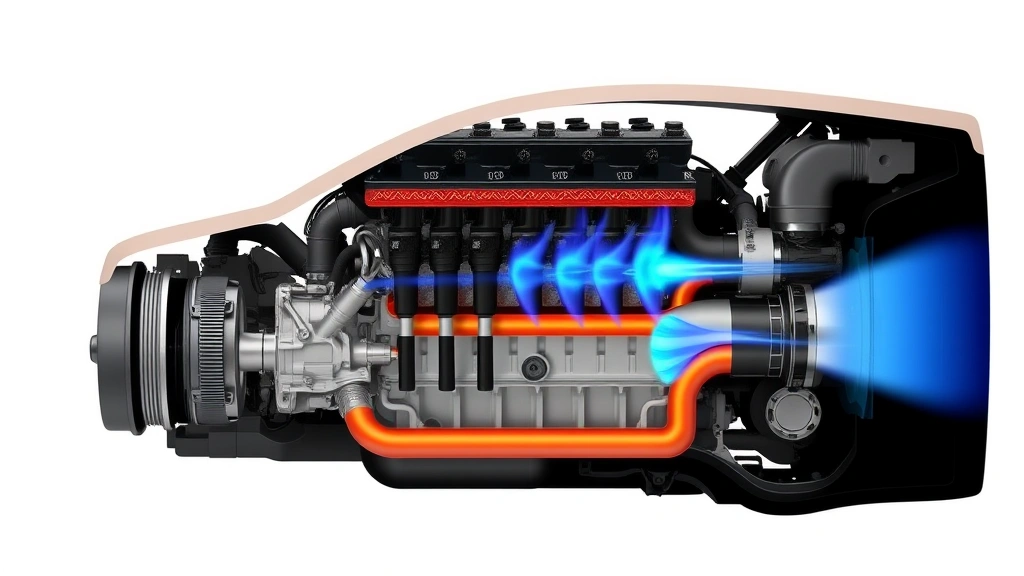
Unleaded gasoline operates through a combustion process that converts chemical energy into mechanical energy, powering your vehicle’s engine. When unleaded fuel is injected into the engine’s combustion chamber and ignited by spark plugs, it undergoes rapid oxidation, releasing energy that drives pistons and generates power. The quality and composition of unleaded gasoline directly affect how efficiently this combustion process occurs and how many harmful emissions result.
Modern unleaded gasolines contain detergents and other performance-enhancing additives mandated by the EPA’s Tier 3 gasoline standards. These additives serve critical functions: they prevent carbon buildup on fuel injectors, reduce valve deposits, protect against corrosion, and improve overall engine efficiency. The absence of lead means the fuel burns cleaner, producing lower levels of particulate matter and toxic compounds that would otherwise accumulate in the engine and exhaust system.
The octane rating of unleaded fuel determines its resistance to pre-ignition knocking, which occurs when fuel ignites before the spark plug fires. Higher octane unleaded gasoline resists knocking better, making it suitable for high-compression engines that operate under greater stress. Understanding your vehicle’s fuel requirements ensures optimal engine performance and prevents damage from using incorrect fuel grades.
Environmental Benefits of Unleaded Fuel
The environmental advantages of unleaded gasoline extend far beyond the elimination of lead pollution. Unleaded fuel produces significantly lower emissions of nitrogen oxides, particulate matter, and volatile organic compounds compared to leaded alternatives. These reductions directly translate to improved air quality, particularly in urban areas with heavy traffic congestion where vehicle emissions concentrate.
Switching to unleaded gasoline has prevented estimated millions of tons of lead from entering the atmosphere since the 1970s. Lead particles that would have settled in soil and water supplies, contaminating food chains and groundwater, now no longer pose this threat. The reduction in atmospheric lead has demonstrably improved public health outcomes, with studies showing correlation between the leaded gasoline phase-out and declining rates of childhood lead poisoning.
Unleaded gasoline also supports broader environmental goals outlined in principles of sustainability. By enabling the use of catalytic converters—which require unleaded fuel to function properly—gasoline without lead allows vehicles to meet increasingly stringent emissions standards. Modern emissions control systems depend on unleaded fuel to operate effectively, making the continued use of unleaded gasoline essential for meeting climate and air quality targets.
The shift to unleaded fuel also paved the way for electric vehicle development and advanced hybrid technologies. As car manufacturers adapted to unleaded fuel requirements, they simultaneously improved engine efficiency, reduced fuel consumption, and developed technologies that would eventually enable the transition to alternative powertrains. The environmental progress achieved through unleaded gasoline regulation demonstrates how policy intervention can drive positive change across entire industries.
Octane Ratings Explained
Octane rating measures a fuel’s resistance to knock or pre-ignition, which occurs when gasoline ignites prematurely before the spark plug fires. This measurement uses a scale where higher numbers indicate greater knock resistance. The three primary octane ratings available at most gas stations—87 (regular), 89-90 (mid-grade), and 91-93 (premium)—serve different vehicle types and engine designs.
Regular unleaded gasoline with 87 octane rating suits most modern vehicles, including sedans, compact cars, and many SUVs. These vehicles have lower compression ratios and don’t require premium fuel to operate safely and efficiently. Using regular unleaded in vehicles designed for it provides no performance benefit while costing less per gallon. Mid-grade unleaded fuel offers a compromise option for drivers uncertain about their vehicle’s requirements or those with engines sensitive to fuel quality variations.
Premium unleaded gasoline with 91-93 octane rating is formulated for high-performance engines with higher compression ratios, turbocharged engines, and luxury vehicles where manufacturers specify premium fuel. Using premium fuel in vehicles designed for regular unleaded provides minimal benefit and wastes money, while using regular fuel in premium-only vehicles can cause engine knocking and reduced performance. Your vehicle’s owner manual specifies the minimum octane requirement; using fuel meeting or exceeding this specification ensures optimal engine operation.
Understanding octane ratings helps car owners make economically sensible fuel choices without compromising vehicle performance. Many drivers unnecessarily purchase premium fuel believing it improves mileage or performance, when their vehicles require only regular unleaded. This consumer education about fuel selection represents an important aspect of reducing your environmental footprint by avoiding waste and unnecessary consumption.
Choosing the Right Unleaded Gas for Your Vehicle
Selecting the appropriate unleaded gasoline grade for your vehicle requires consulting your owner’s manual, which specifies the minimum octane requirement. This specification appears prominently in the fuel section and represents the fuel your vehicle’s engine is designed to safely use. Following this guidance ensures your engine operates at peak efficiency while maintaining manufacturer warranties and preventing potential damage.
Most modern vehicles manufactured in the last two decades are designed to operate on regular 87 octane unleaded gasoline. Attempting to save money by using lower octane fuel in vehicles requiring higher grades risks engine knock, reduced performance, and potential long-term engine damage. Conversely, spending extra money on premium fuel for vehicles requiring regular unleaded provides no meaningful benefit and represents unnecessary expense.
Premium unleaded fuel typically costs 20-40 cents more per gallon than regular unleaded, which accumulates to significant annual expenses for drivers who fill up frequently. If your vehicle’s manufacturer specifies regular unleaded, using premium fuel wastes money without improving fuel economy, performance, or emissions. However, if your vehicle requires premium fuel, using regular unleaded can damage the engine and void warranties.
Some drivers notice their engines run better with premium fuel even when regular is specified. This often reflects improved detergent packages in premium fuel that clean fuel injectors more thoroughly, rather than the higher octane rating itself. If you experience performance issues with regular unleaded, consider trying different brands or fuel stations, as detergent quality varies. Many stations now offer “Top Tier” gasoline with enhanced detergent packages at regular prices.
Cost Considerations and Fuel Efficiency
Unleaded gasoline pricing fluctuates based on crude oil costs, refining capacity, distribution logistics, and market demand. Understanding factors influencing fuel prices helps car owners make informed decisions about when to refuel and how fuel costs fit into overall vehicle ownership expenses. Regular unleaded gasoline typically represents the lowest-cost fuel option at gas stations, making it the most economical choice for vehicles designed to use it.
Fuel economy—measured in miles per gallon (MPG)—depends primarily on vehicle design, engine efficiency, driving habits, and maintenance condition rather than fuel grade. Using premium fuel in a vehicle requiring regular unleaded will not improve fuel economy. However, maintaining proper tire pressure, regular engine maintenance, and smooth driving habits significantly impacts fuel efficiency regardless of fuel grade used.
The environmental cost of fuel consumption extends beyond the price at the pump. Each gallon of unleaded gasoline burned releases approximately 20 pounds of carbon dioxide into the atmosphere, contributing to climate change. Improving fuel economy through proper maintenance, efficient driving techniques, and vehicle selection represents one of the most practical ways car owners can reduce environmental impact through green technology choices.
Modern vehicles achieve significantly better fuel economy than older models due to advances in engine technology, aerodynamics, and transmission design. A new vehicle meeting modern emissions standards while operating on unleaded fuel may consume 30-40 percent less fuel than comparable vehicles from 15 years ago. Considering fuel economy when purchasing a vehicle represents a long-term investment in both personal finances and environmental responsibility.
The Future of Automotive Fuel
The future of transportation is rapidly shifting away from traditional gasoline-powered vehicles toward electric and hydrogen fuel cell technologies. While unleaded gasoline remains the primary fuel for internal combustion engines today, its role will diminish as electric vehicles gain market share and charging infrastructure expands. Many major automakers have announced timelines for phasing out gasoline vehicle production, with some targeting complete transitions within 10-20 years.
Electric vehicles produce zero tailpipe emissions and require no gasoline whatsoever, representing the ultimate evolution of the transition from leaded to unleaded fuel and beyond. As fuel economy standards continue tightening and electric vehicle technology improves, gasoline-powered vehicles will become increasingly rare. This transition aligns with global climate commitments to reduce transportation emissions and combat climate change.
Hybrid vehicles, which combine gasoline engines with electric motors, represent an intermediate technology that reduces fuel consumption and emissions compared to conventional gasoline vehicles. These vehicles require unleaded gasoline but achieve significantly better fuel economy through regenerative braking and electric motor assistance. Hybrid technology demonstrates how unleaded gasoline vehicles continue improving even as the industry transitions toward electrification.
For current car owners, understanding unleaded gasoline remains important because the vast majority of vehicles on the road today still rely on it. As the automotive industry transitions, the knowledge accumulated about fuel quality, emissions reduction, and environmental protection will inform development of new transportation technologies. The successful phase-out of leaded gasoline provides a proven model for how regulatory change can protect public health and environment while driving technological innovation.
FAQ
Is unleaded gasoline safe for all vehicles?
Unleaded gasoline is safe for all vehicles manufactured since the mid-1980s. However, some classic and vintage vehicles with carburetors may have valve seat materials that benefit from the lubrication properties of leaded fuel. Consult your vehicle’s manufacturer specifications or a classic car specialist if you own an older vehicle. For all modern vehicles, unleaded gasoline is the correct and safe choice.
What happens if I accidentally put premium unleaded in a regular unleaded vehicle?
No damage occurs if you accidentally use premium unleaded in a vehicle requiring regular unleaded. Your engine will simply run on higher octane fuel than necessary, wasting money without providing any benefit. Premium fuel may clean your fuel injectors more thoroughly, but this represents the only potential advantage, and regular fuel with quality detergents achieves similar results.
Can I mix different octane ratings of unleaded gasoline?
Yes, mixing different octane ratings is perfectly safe and occurs naturally as you drive after refueling at different stations. The resulting octane rating will be the average of the fuels mixed. If you normally use regular unleaded but accidentally add premium, your engine will simply run on slightly higher octane fuel with no negative consequences.
Why does unleaded gasoline cost more than it did previously?
Unleaded gasoline prices fluctuate based on crude oil prices, refining capacity, geopolitical factors, and seasonal demand. Prices have increased over decades due to inflation, increased refining standards, and market forces. Long-term trends show that gasoline prices remain relatively affordable compared to other consumer goods when adjusted for inflation.
Does unleaded gasoline degrade or expire?
Unleaded gasoline can degrade over time, particularly when exposed to air and moisture. Fuel stored in vehicles for extended periods may develop varnish deposits and lose octane quality. Most vehicles use fuel within weeks of purchase, preventing significant degradation. If storing fuel for emergency purposes, use fuel stabilizer additives and store in sealed containers in cool conditions.
How does unleaded gasoline compare environmentally to electric vehicle charging?
Electric vehicles charged with renewable electricity produce zero emissions and represent superior environmental choices. However, even when charged with electricity from fossil fuel power plants, electric vehicles typically produce fewer emissions over their lifetime than gasoline-powered vehicles. As electrical grids become cleaner through renewable energy adoption, electric vehicle environmental advantages increase substantially.


