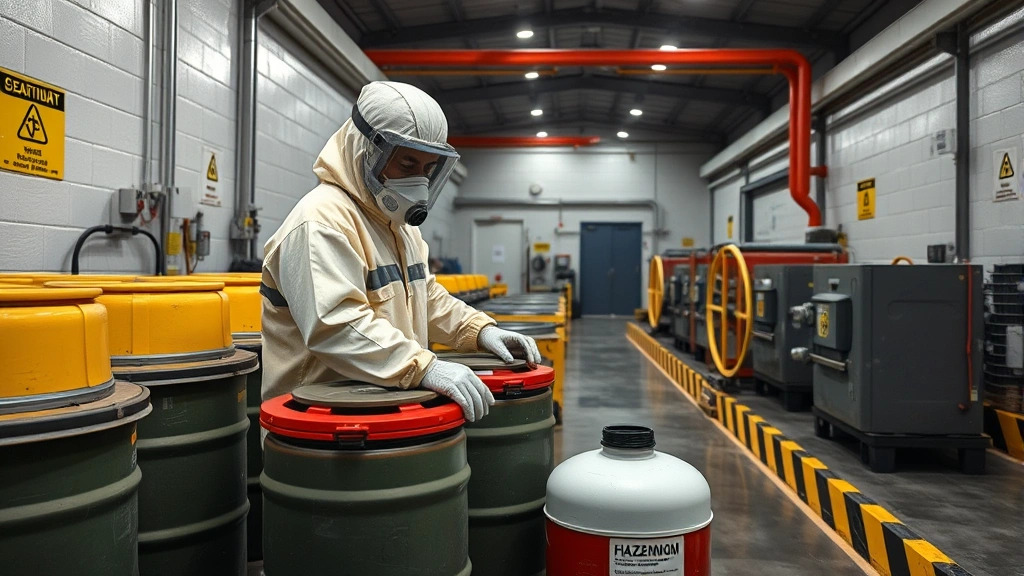
Dispose Old Gas Safely: Environmental Guidelines for Responsible Fuel Disposal
Old gasoline poses significant environmental and safety risks that many homeowners and business operators overlook. Whether you’re cleaning out a storage tank, winterizing equipment, or simply dealing with fuel that’s been sitting too long, understanding where to dump old gas responsibly is crucial for protecting groundwater, soil, and air quality. Improper disposal can contaminate drinking water supplies, harm aquatic ecosystems, and contribute to air pollution—consequences that extend far beyond your property.
This comprehensive guide explores safe, legal, and environmentally responsible methods for disposing of old gasoline. We’ll walk you through identifying when gas has gone bad, finding certified disposal facilities, understanding regulatory requirements, and implementing prevention strategies to minimize future disposal needs. By following these guidelines, you’ll protect your local environment while complying with federal and state regulations.

Understanding Old Gasoline and Environmental Impact
Gasoline degrades over time through oxidation, a chemical process that occurs when fuel is exposed to oxygen and heat. Old gas develops a darker color, acrid smell, and sludgy appearance—indicators that volatile compounds have evaporated and heavier hydrocarbons have polymerized. This degradation creates a substance that won’t burn efficiently in engines and poses serious environmental threats when improperly disposed.
When old gasoline enters the environment, it can contaminate groundwater for decades. A single gallon of gasoline can contaminate up to 750,000 gallons of drinking water, according to environmental protection agencies. The benzene, toluene, and xylene compounds in gasoline are carcinogenic and persist in aquifers where they’re nearly impossible to remove. Soil contamination from spills damages microbial communities essential for plant growth and nutrient cycling, while vapors contribute to volatile organic compound (VOC) emissions that form ground-level ozone and smog.
Understanding these environmental consequences underscores why what to do with old gas matters significantly. The average American household may accumulate old fuel from lawn mowers, generators, boats, or vehicles—each source requiring proper management. Marine ecosystems face particular vulnerability; gasoline spills in waterways kill aquatic life and create persistent ecological damage that affects food chains and biodiversity for years.
Legal Requirements and Regulations
The Environmental Protection Agency (EPA) regulates fuel disposal under the Resource Conservation and Recovery Act (RCRA), classifying used gasoline as hazardous waste. This designation means improper disposal isn’t just environmentally irresponsible—it’s illegal. Violations can result in fines exceeding $25,000 per day and potential criminal prosecution for knowing violations.
Individual states maintain their own disposal requirements that often exceed EPA standards. California, for instance, has stricter regulations on hazardous waste disposal and requires certified handlers for all fuel management. Many states mandate that only licensed waste management facilities can accept old gasoline, and some prohibit disposal through municipal waste systems entirely. Before attempting disposal, contact your state environmental agency to understand specific regulations in your area.
Commercial entities face even stricter compliance requirements. Service stations, automotive shops, and fleet operators must maintain detailed records of all fuel disposal activities and use only EPA-certified facilities. Violations documented by state inspectors can result in operating license suspension or revocation. These regulations exist because industrial-scale improper disposal has historically caused widespread groundwater contamination in communities near disposal sites.
Identifying Certified Disposal Facilities
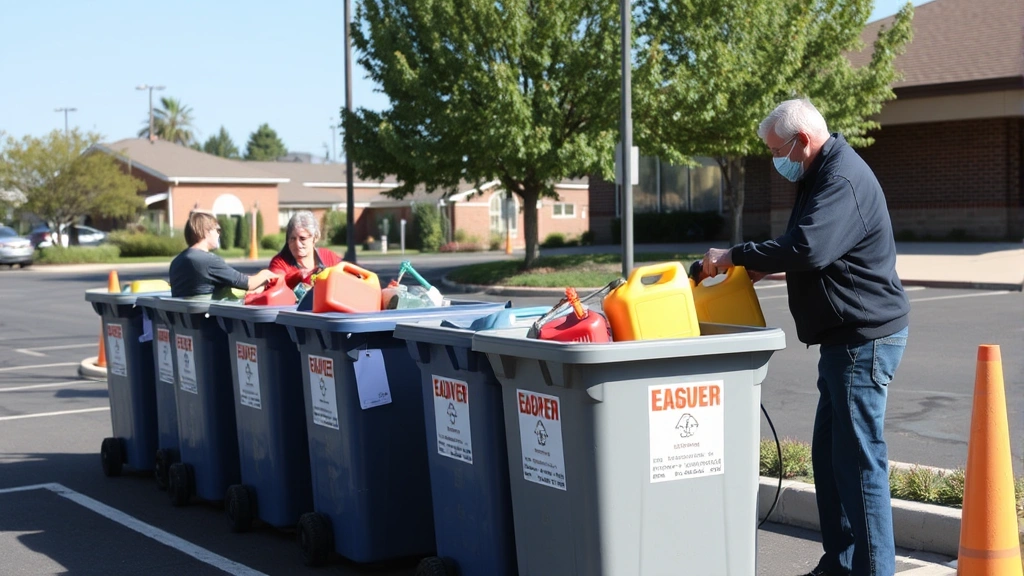
Finding appropriate disposal locations requires research and planning. Your first resource should be your local waste management authority or hazardous waste coordinator—most municipalities maintain lists of certified facilities accepting old gasoline. Call your city or county environmental services department and ask specifically about household hazardous waste collection programs. Many communities offer free or low-cost disposal events annually where residents can bring old fuel alongside paint, batteries, and other hazardous materials.
Automotive service centers and gas stations frequently accept old gasoline from customers, though policies vary. Some charge fees ranging from $5 to $20 per container, while others accept fuel free as a community service. Call ahead before visiting—don’t assume any facility will accept your fuel without confirmation. Professional waste management companies specializing in hazardous materials can handle larger quantities, though costs increase with volume.
The Earth911 recycling search database helps locate certified disposal facilities by entering your zip code and selecting “gasoline” or “hazardous waste.” This tool identifies nearby options with contact information, hours, and specific acceptance criteria. Additionally, the International Sanitary Supply Association maintains networks of certified hazardous waste handlers who can arrange pickup for large quantities.
When contacting facilities, ask about their certification status, disposal methods, and any documentation they’ll provide. Legitimate facilities should offer proof that your fuel was properly processed—either incinerated for energy recovery, chemically treated, or refined into usable products. Avoid any facility that seems evasive about their processes or doesn’t maintain proper certifications; these red flags indicate potentially illegal operations.
Safe Handling and Storage Practices
Before transporting old gasoline to disposal facilities, proper storage and handling prevent accidents and environmental contamination. Use only approved fuel containers—specifically designed metal or plastic containers labeled for gasoline storage. Never use food containers, milk jugs, or unmarked receptacles, as these pose serious safety and environmental risks. Approved containers have proper ventilation, flame arrestors, and secure closures that prevent spills during transport.
Store old fuel in a cool, well-ventilated location away from ignition sources, living spaces, and water sources. A detached garage, shed, or outdoor storage area works best. Keep containers sealed tightly to minimize vapor emissions and prevent water contamination. Label containers clearly with “OLD GASOLINE” and the date stored, helping anyone handling the fuel understand its status. Maintain containers on secondary containment trays to capture potential leaks before they reach soil or groundwater.
When transporting fuel to disposal facilities, ensure containers are secured in your vehicle’s trunk or cargo area—never in the passenger cabin. Drive directly to the facility without unnecessary detours, maintaining speeds under 50 mph to minimize accident risk. If a spill occurs during transport, move to a safe location away from traffic and call emergency services. Don’t attempt cleanup yourself; trained hazmat teams have proper equipment and materials for safe containment and remediation.
For large quantities or frequent disposal needs, consider hiring professional hazardous waste removal services. These companies handle pickup, transport, and disposal under strict regulatory compliance, eliminating personal liability and ensuring proper environmental stewardship. While more expensive than self-transport, professional services provide documentation, insurance coverage, and peace of mind that fuel disposal meets all applicable regulations.
Alternative Solutions and Prevention
The most environmentally responsible approach involves preventing old gasoline accumulation in the first place. Implement fuel rotation strategies for equipment used seasonally or infrequently. Use fresh gasoline for every operating season, and properly store or dispose of remaining fuel before equipment sits idle. For small-engine equipment like lawn mowers and generators, drain fuel completely before winter storage, or use fuel stabilizers rated for your equipment type.
Fuel stabilizers extend gasoline viability from three months to potentially two years when properly applied. These chemical additives prevent oxidation and gum formation, maintaining fuel quality through extended storage periods. However, stabilizers work best when added to fresh fuel immediately after purchase—they can’t revitalize already-degraded gasoline. Follow manufacturer instructions carefully, as excessive stabilizer can damage engine components.
Consider transitioning to renewable energy alternatives for equipment that accumulates old fuel regularly. Exploring sustainable energy solutions reduces long-term fuel disposal needs while lowering your environmental footprint. Electric lawn mowers, battery-powered tools, and solar-charged devices eliminate fossil fuel dependency for many household tasks. For vehicles, investigating advantages of electric vehicles reveals how modern transportation technology can eliminate gasoline disposal concerns entirely.
Implement detailed fuel management records for commercial operations. Track fuel purchases, usage rates, and disposal activities to identify waste patterns and optimize ordering quantities. This data-driven approach minimizes surplus fuel accumulation and associated disposal costs. Train staff on proper fuel handling, storage, and safety protocols to prevent spills and contamination incidents that create additional disposal challenges.
For those committed to how to reduce your environmental footprint, fuel disposal represents one of many opportunities for responsible environmental stewardship. By combining prevention strategies with proper disposal practices, you minimize resource waste while protecting shared water and air resources. Additionally, exploring the SustainWise Hub Blog provides ongoing insights into sustainable living practices that complement responsible fuel management.
Advanced solutions for commercial fuel management include fuel polishing systems that remove water and particulates from stored gasoline, extending usable life by several years. These mechanical filtration systems are particularly valuable for large storage tanks serving fleets or industrial operations. While requiring initial investment, fuel polishing reduces overall disposal frequency and associated environmental risk, making it cost-effective for organizations managing substantial fuel inventories.
Community-based approaches also strengthen fuel disposal infrastructure. Advocating for expanded hazardous waste collection programs at local government meetings increases facility access and reduces resident barriers to proper disposal. Supporting environmental organizations working to strengthen fuel disposal regulations ensures long-term protection of groundwater and soil resources. Sharing knowledge about how to dispose of old gas with neighbors and friends multiplies environmental benefits through collective action.
FAQ
Can I pour old gasoline down the drain?
Absolutely not. Pouring gasoline down drains violates federal law and contaminates municipal water treatment systems. Wastewater treatment plants cannot remove petroleum hydrocarbons effectively, allowing gasoline to enter rivers and groundwater. This practice can result in significant fines and criminal charges. Always use certified disposal facilities.
Is old gasoline recyclable or reusable?
Degraded gasoline cannot be used in standard engines, but certified recycling facilities can process it through several methods. Some facilities blend old fuel with fresh gasoline to restore usability, others incinerate it for energy recovery in industrial processes, and some refineries chemically treat it for reuse. Professional facilities determine the best approach based on contamination levels and fuel composition.
How long can gasoline be stored safely?
Fresh gasoline remains viable for approximately three months under ideal storage conditions—cool, sealed containers away from sunlight. After three months, oxidation begins degrading fuel quality noticeably. Fuel stabilizers can extend this period to two years if added immediately to fresh fuel. Beyond these timeframes, fuel should be disposed of through certified facilities rather than used in engines.
What should I do if gasoline spills on my property?
Immediately stop the spill source and move away from fumes. For small spills (under one gallon), contain the fuel using absorbent materials like kitty litter or sand, preventing it from reaching soil or water sources. Place contaminated materials in sealed bags for hazardous waste disposal. For larger spills or spills near water sources, contact your local environmental agency and professional cleanup services immediately. Do not attempt cleanup yourself, as gasoline vapors pose serious health and fire risks.
Are there penalties for improper fuel disposal?
Yes. Federal penalties under RCRA reach $25,000 per day for violations, with potential criminal prosecution for knowing violations. State and local penalties often exceed federal minimums. Civil liability for groundwater contamination can result in remediation costs exceeding millions of dollars. Proper disposal through certified facilities eliminates all legal and financial risks while protecting environmental resources.
Can I mix old gasoline with new gasoline?
Mixing small quantities of old gasoline with fresh fuel in a vehicle tank is generally acceptable if the old fuel comprises less than 10% of total volume. However, this approach doesn’t solve the disposal problem—it merely delays it. For larger quantities or significantly degraded fuel, proper disposal through certified facilities remains the responsible choice. Never mix old fuel with fuel for small engines like lawn mowers, as their tolerances are tighter than automotive engines.


