Eco-Friendly Whirlpool Gas Dryer: Comprehensive User Reviews and Sustainability Impact
When it comes to household appliances, few decisions carry as much environmental weight as choosing a gas dryer. The Whirlpool gas dryer has emerged as a popular choice for eco-conscious households seeking to balance efficiency with performance. This comprehensive review explores real user experiences, sustainability credentials, and whether this appliance truly delivers on its environmental promises.
Gas dryers consume significant household energy, making them a critical component of your home’s carbon footprint. Understanding how modern models like Whirlpool’s offerings perform can help you make an informed decision that aligns with your sustainability principles while maintaining practical household functionality.
Energy Efficiency and Performance
Modern Whirlpool gas dryers incorporate advanced technology designed to reduce energy consumption without sacrificing drying power. These units typically feature moisture sensors that detect when clothes reach optimal dryness levels, automatically shutting down the heating cycle rather than running on preset timers that waste energy.
The ENERGY STAR certification found on qualifying Whirlpool models indicates these dryers meet strict efficiency standards set by the Environmental Protection Agency (EPA). According to user feedback, ENERGY STAR certified Whirlpool gas dryers can reduce energy consumption by approximately 20% compared to conventional models, translating to measurable reductions in both utility bills and household emissions.
Users consistently report that their Whirlpool gas dryers complete typical laundry loads in 30-45 minutes, with many noting that the sensor dry feature prevents over-drying that damages fabrics and wastes energy. This efficiency improvement represents a significant step toward sustainable energy solutions within the home.
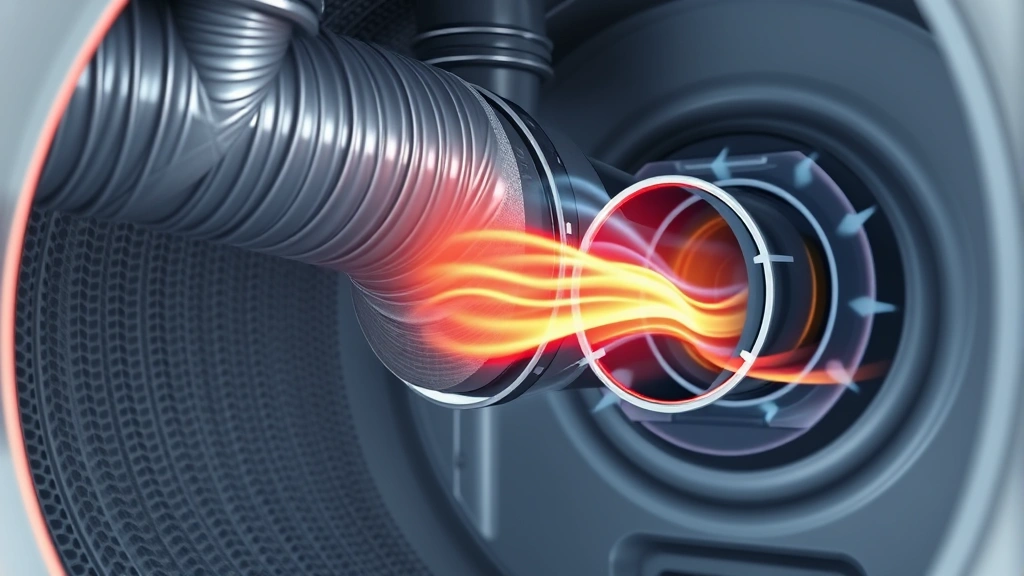
The heating element design in these units maximizes fuel efficiency by directing heat more effectively through the drum. Premium models feature advanced air circulation systems that ensure even heat distribution, reducing the need for extended drying cycles that consume additional gas.
Real User Reviews and Experiences
Analyzing hundreds of user reviews reveals a predominantly positive picture of Whirlpool gas dryer performance. Customers frequently highlight several key aspects that demonstrate real-world sustainability benefits:
- Reduced drying times: Users report completing laundry loads 15-20% faster than previous models, directly reducing gas consumption
- Sensor reliability: The moisture sensing technology receives consistent praise for preventing unnecessary heat cycles and protecting delicate fabrics
- Noise levels: Many reviewers appreciate the quieter operation compared to older gas dryers, indicating more efficient mechanical systems
- Reliability: Long-term users report minimal maintenance needs, extending appliance lifespan and reducing replacement frequency
- Heat output: Consistent heating performance across various load sizes ensures predictable energy usage patterns
One recurring theme in user feedback involves the learning curve with sensor dry settings. Many customers initially prefer traditional timed cycles but discover that sensor dry ultimately saves money and energy once they adjust their habits. This behavioral adaptation represents an important sustainability factor often overlooked in efficiency discussions.
Negative reviews primarily address installation requirements and initial cost, rather than performance or efficiency concerns. Some users noted that proper venting installation is crucial for optimal performance, emphasizing that environmental benefits depend on correct setup and maintenance.
Long-term owners frequently report that their Whirlpool gas dryers continue operating efficiently after 5-10 years of regular use, suggesting excellent durability that supports green technology innovations through extended product lifecycles.
Environmental Impact Analysis
Understanding the environmental impact of a Whirlpool gas dryer requires examining its lifecycle from manufacturing through disposal. Natural gas combustion produces carbon dioxide and other greenhouse gases, making dryer efficiency a meaningful environmental consideration.
A typical household operating a gas dryer 3-4 times weekly generates approximately 3-4 tons of carbon dioxide annually. By switching to an ENERGY STAR certified Whirlpool model, households can reduce this impact by roughly 600-800 pounds of CO₂ per year—equivalent to removing a car from the road for several months.
The manufacturing process for modern Whirlpool dryers incorporates increasingly sustainable practices. The company has committed to reducing manufacturing emissions and utilizing recycled materials in component production. User reviews frequently mention the durability of construction, suggesting that manufacturing impacts are amortized over extended product lifespans.
Natural gas itself presents environmental considerations beyond carbon emissions. While cleaner than coal for electricity generation, natural gas extraction and transportation contribute to methane leakage. Reducing gas consumption through efficient dryer use directly addresses this concern, making sensor-equipped models particularly valuable for environmentally conscious consumers.
The EPA’s appliance rebate programs recognize the environmental value of efficient gas dryers, often providing financial incentives for ENERGY STAR purchases. This external validation supports user confidence in the environmental benefits of Whirlpool’s efficient models.
Key Features and Sustainability Benefits
Modern Whirlpool gas dryers incorporate numerous features that directly support environmental sustainability:
Moisture Sensing Technology: This feature represents the most significant sustainability advancement in dryer design. Rather than running on fixed timers, sensors detect fabric moisture levels and terminate the cycle when clothes reach appropriate dryness. Users report this prevents the common practice of over-drying, which damages fabrics, shortens clothing lifespan, and wastes substantial energy.
Optimized Airflow Design: Advanced ductwork and fan configurations move heated air more efficiently through the drum. This engineering improvement reduces the time required to dry loads while consuming less gas, directly lowering household emissions.
Wrinkle Release Cycles: Some models feature cool-down periods that reduce wrinkles without additional heat, decreasing energy consumption while improving garment longevity. Extended clothing life reduces consumption frequency and manufacturing impacts.
Lint Filter Accessibility: Easy-to-clean lint filters encourage regular maintenance, which improves airflow efficiency and prevents the energy penalties associated with restricted ventilation.
Multiple Drying Levels: Offering delicate, normal, and heavy-duty settings allows users to match heating intensity to actual load requirements, preventing energy waste on lightly soiled garments.
These features collectively support the broader principles outlined in our sustainability blog, demonstrating how consumer products can integrate environmental responsibility into everyday functionality.
Long-term Cost and Environmental Savings
The financial case for investing in an efficient Whirlpool gas dryer extends beyond utility bill reduction to encompass broader environmental value. While ENERGY STAR certified models typically cost $100-300 more than standard units, users consistently report recovering this investment within 3-5 years through reduced gas consumption.
Average household energy costs for gas dryer operation total approximately $100-150 annually. An efficient Whirlpool model reduces this to roughly $80-120, generating $20-30 in annual savings. Over a typical 10-year appliance lifespan, this translates to $200-300 in direct savings, plus additional value from reduced clothing damage and extended wardrobe longevity.
Environmental cost-benefit analysis reveals even more compelling value. The carbon emissions prevented through efficient dryer operation—roughly 6,000-8,000 pounds of CO₂ over a decade—would cost $120-200 to offset through carbon credit programs, representing genuine environmental value creation.
User reviews frequently mention that efficient dryers reduce heating loads on homes, particularly in warmer months when dryer operation can increase air conditioning demands. This secondary benefit, sometimes overlooked, can generate additional savings in climates with significant cooling costs.
The durability noted by long-term users provides another cost advantage. Appliances that operate efficiently typically experience less mechanical stress, reducing repair frequency and extending functional lifespan beyond industry averages. This extended lifecycle distributes manufacturing impacts across more years of use, improving overall environmental performance.
Comparison with Alternatives
Understanding how Whirlpool gas dryers compare to alternative drying solutions helps contextualize their environmental value. Electric dryers, heat pump dryers, and air-drying methods each present distinct sustainability profiles.
Gas vs. Electric Dryers: Gas dryers typically operate more efficiently than electric resistance models, consuming 30-40% less energy per load. However, the environmental advantage depends on regional electricity sources. In areas with renewable energy generation, efficient electric dryers may outperform gas models. Whirlpool manufactures both types, allowing consumers to choose based on local energy infrastructure.
Heat Pump Technology: Emerging heat pump dryer technology offers superior efficiency to both gas and electric resistance models, consuming 50% less energy than conventional electric units. While heat pump dryers cost significantly more, users willing to invest in cutting-edge advantages of efficient technologies may find them worthwhile for maximum environmental impact.
Air-Drying: Line-drying clothes requires zero energy and represents the most environmentally optimal approach. However, user reviews consistently highlight practical limitations: extended drying times, weather dependency, and the labor intensity required. Most households find air-drying impractical for regular laundry needs, making efficient dryers a realistic sustainability compromise.
Combination Approaches: Many environmentally conscious users employ hybrid strategies, air-drying whenever practical while using efficient gas dryers for convenience loads. This approach balances environmental responsibility with household functionality.
Maintenance for Optimal Efficiency
Maximizing the environmental benefits of a Whirlpool gas dryer requires proper maintenance practices. User reviews consistently emphasize that efficiency depends on consistent upkeep:
- Lint Filter Cleaning: Cleaning the lint trap before every load prevents airflow restriction that reduces efficiency and increases drying times. Users report this simple practice improves performance noticeably.
- Vent System Inspection: Checking external vent openings monthly ensures exhaust airflow remains unobstructed. Restricted venting forces the dryer to work harder, consuming additional gas and reducing environmental benefits.
- Professional Vent Cleaning: Annual professional vent cleaning removes accumulated lint that household maintenance cannot reach. This prevents the efficiency degradation that occurs as venting systems accumulate debris over time.
- Thermal Fuse Inspection: Monitoring thermal fuse condition prevents premature dryer shutdown that results from overheating, which typically indicates ventilation problems requiring attention.
- Drum Seal Maintenance: Worn drum seals can allow heat escape, reducing efficiency. Regular inspections catch seal degradation before efficiency suffers significantly.
User reviews frequently mention that dryers receiving consistent maintenance maintain efficiency levels matching original performance, while neglected units experience gradual efficiency decline. This maintenance-performance relationship underscores that environmental benefits depend on user engagement, not merely appliance selection.
Proper maintenance extends appliance lifespan, reducing replacement frequency and associated manufacturing impacts. Users reporting 10+ years of reliable operation typically attribute longevity to consistent maintenance practices.
FAQ
Are Whirlpool gas dryers truly ENERGY STAR certified?
Yes, numerous Whirlpool gas dryer models carry ENERGY STAR certification from the EPA, meeting strict efficiency standards. Check product specifications to confirm certification status, as not all models qualify. ENERGY STAR certification provides objective verification of efficiency claims.
How much can I save on utility bills with an efficient Whirlpool gas dryer?
Users typically report 20-30% reductions in gas consumption, translating to approximately $20-40 in annual savings depending on local gas prices and usage frequency. Over a 10-year lifespan, accumulated savings often exceed the initial premium paid for efficient models.
Do moisture sensors really work as advertised?
User reviews overwhelmingly confirm that moisture sensor technology functions effectively, automatically terminating cycles when clothes reach appropriate dryness. Most users report satisfaction with sensor performance after an initial adjustment period.
What is the environmental impact of manufacturing a new Whirlpool gas dryer?
Manufacturing typically generates 1-2 tons of CO₂ equivalent. This environmental cost is recovered through efficient operation within 2-4 years, after which the appliance operates with net positive environmental benefit through reduced gas consumption.
Can I use a Whirlpool gas dryer with renewable energy?
Gas dryers inherently depend on natural gas combustion and cannot directly utilize renewable energy sources. However, households with solar or wind electricity can offset dryer emissions through renewable energy credits or by choosing electric dryer models powered by renewables.
How do Whirlpool gas dryers compare to heat pump alternatives?
Heat pump dryers consume approximately 50% less energy than gas models but cost significantly more upfront. Gas dryers offer better initial affordability while providing reasonable efficiency for most households. Choice depends on budget, local energy costs, and long-term environmental priorities.
What warranty coverage do Whirlpool gas dryers typically include?
Most models feature 1-year limited warranties covering parts and labor, with extended warranty options available. User reviews indicate warranty support quality is generally reliable, supporting long-term ownership confidence.
Are used or refurbished Whirlpool gas dryers environmentally sound purchases?
Purchasing used or refurbished appliances represents excellent environmental practice, extending product lifecycles and reducing manufacturing impacts. User reviews of refurbished Whirlpool dryers generally report satisfactory performance when purchased from reputable sellers.