
White Gas: Is It Eco-Friendly? Expert Insights
White gas, also known as naphtha or Coleman fuel, has been a staple for outdoor enthusiasts and campers for over a century. This highly refined petroleum product powers camping stoves, lanterns, and portable equipment in remote locations where traditional energy sources aren’t available. However, as environmental consciousness grows, many people are questioning whether white gas truly aligns with sustainable living practices and what alternatives might offer better ecological outcomes.
The debate surrounding white gas’s environmental impact isn’t straightforward. While it remains an efficient fuel source for specific outdoor applications, understanding its production process, emissions profile, and ecological footprint is essential for making informed decisions about energy consumption. This comprehensive guide examines white gas from multiple sustainability angles, providing expert insights to help you determine whether it fits within your environmental values and outdoor lifestyle.
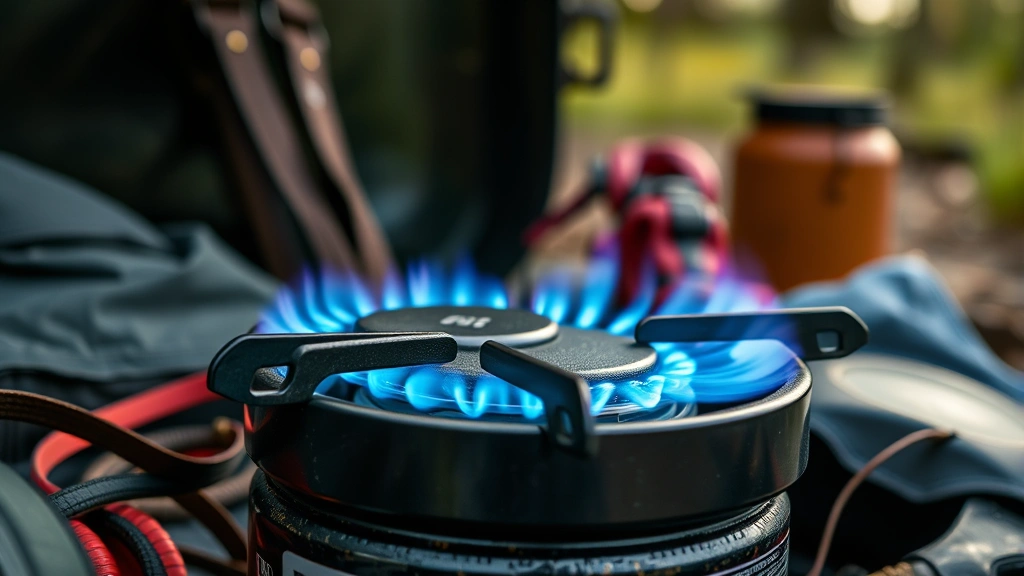
What Is White Gas and How Is It Produced?
White gas is a highly purified hydrocarbon fuel derived from crude oil through an intensive refining process. Unlike regular gasoline, which contains additives and impurities, white gas undergoes multiple distillation and purification stages to remove sulfur compounds, aromatic hydrocarbons, and other contaminants. This meticulous refinement creates a clean-burning fuel ideal for portable camping equipment and high-altitude mountaineering applications where fuel reliability is critical.
The production of white gas begins at petroleum refineries where crude oil is heated and separated into different hydrocarbon fractions based on boiling points. The naphtha fraction, which comprises molecules with 5-11 carbon atoms, is extracted and then subjected to additional purification processes. These include hydrotreating to remove sulfur and nitrogen compounds, and sometimes hydrocracking to break down heavier molecules. The result is an exceptionally pure fuel with a narrow boiling range, typically between 40-80 degrees Celsius, making it exceptionally reliable across varying environmental conditions.
The energy density of white gas is approximately 46 megajoules per kilogram, comparable to other refined petroleum products. However, its purity means it burns more completely in portable stoves, producing less soot and residue than lower-grade fuels. This efficiency has made it the preferred choice for expedition teams, remote researchers, and serious outdoor adventurers who depend on reliable, lightweight fuel sources in extreme environments where resupply isn’t possible.
Environmental Impact of White Gas Production
The environmental footprint of white gas begins at the source: crude oil extraction. Oil drilling operations, whether onshore or offshore, involve significant habitat disruption, water contamination risks, and greenhouse gas emissions. The refinement of white gas requires substantial energy input, with petroleum refining accounting for approximately 8% of total industrial energy consumption in the United States.
Refining crude oil into white gas generates several environmental byproducts and challenges. The process produces carbon dioxide emissions during the heating and distillation phases. Additionally, volatile organic compounds (VOCs) may be released during production and storage, contributing to ground-level ozone formation. Wastewater from refining operations must be treated to remove dissolved hydrocarbons and other contaminants before discharge, though some facilities have better treatment standards than others.
Transportation of white gas from refineries to distribution centers adds another layer of environmental impact through fuel consumption and associated emissions. The concentrated nature of white gas production in specific geographic regions means longer transportation distances for many consumers. Storage at distribution facilities and retail locations presents spill risks, particularly in areas near groundwater sources or sensitive ecosystems.
When considering the full lifecycle impact, white gas production contributes to climate change through both direct emissions during refinement and indirect emissions from crude oil extraction, transportation, and processing. Energy-intensive refinement processes highlight the importance of evaluating fossil fuel-dependent products within broader sustainability frameworks.
Emissions and Air Quality Concerns
When burned in camping stoves and lanterns, white gas produces carbon dioxide, water vapor, and small quantities of other combustion byproducts. The combustion of white gas is relatively clean compared to untreated gasoline or diesel, producing minimal particulate matter and soot due to its high purity. However, it is fundamentally a fossil fuel, and any combustion releases carbon dioxide—a potent greenhouse gas contributing to climate change.
The quantity of emissions depends on fuel consumption. A typical camping stove using white gas might consume 0.5-1 liter per week during extended outdoor trips. While this seems modest compared to vehicle fuel consumption, the cumulative impact across thousands of regular users becomes significant. Additionally, incomplete combustion in poorly maintained equipment or in low-oxygen environments can produce carbon monoxide, presenting both environmental and safety hazards.
Indoor use of white gas stoves poses air quality concerns in confined spaces like tents or shelters. Proper ventilation is essential to prevent carbon monoxide accumulation, which poses serious health risks. Outdoor use mitigates this concern through natural air dispersion, though localized air quality impacts near popular camping sites can accumulate when many users operate stoves simultaneously.
Volatile organic compounds released during white gas handling, storage, and combustion contribute to photochemical smog formation in certain atmospheric conditions. While the quantities are small per individual user, concentrated camping areas with high fuel consumption can experience measurable air quality impacts. This is particularly concerning near sensitive ecosystems or populated regions where ozone formation poses health risks.
White Gas Versus Alternative Fuels
Understanding white gas’s environmental profile requires comparing it with available alternatives. Several options exist for outdoor cooking and lighting, each with distinct ecological advantages and disadvantages.
Propane and Butane: Liquefied petroleum gases offer cleaner combustion than white gas with fewer aromatic compounds. However, propane and butane are also fossil fuel derivatives with significant production impacts. They’re typically distributed in pressurized canisters, which add packaging waste and recycling challenges. The advantage lies in more efficient combustion and reduced soot production, making them suitable for casual camping where fuel purity is less critical.
Alcohol Fuels: Denatured alcohol and ethanol-based fuels present interesting alternatives. If derived from renewable biomass sources, they represent carbon-neutral or carbon-negative options depending on cultivation and processing methods. However, alcohol fuels produce less heat than white gas, requiring larger quantities for equivalent cooking performance. The trade-off between increased fuel volume and renewable sourcing must be evaluated case-by-case.
Canister Fuels: Pre-pressurized fuel canisters using isobutane-propane blends offer convenience and eliminate the need for pumps or priming. However, these canisters represent significant packaging waste, with many users disposing of partially full canisters. Environmental impact depends heavily on recycling infrastructure and canister reuse programs in your region.
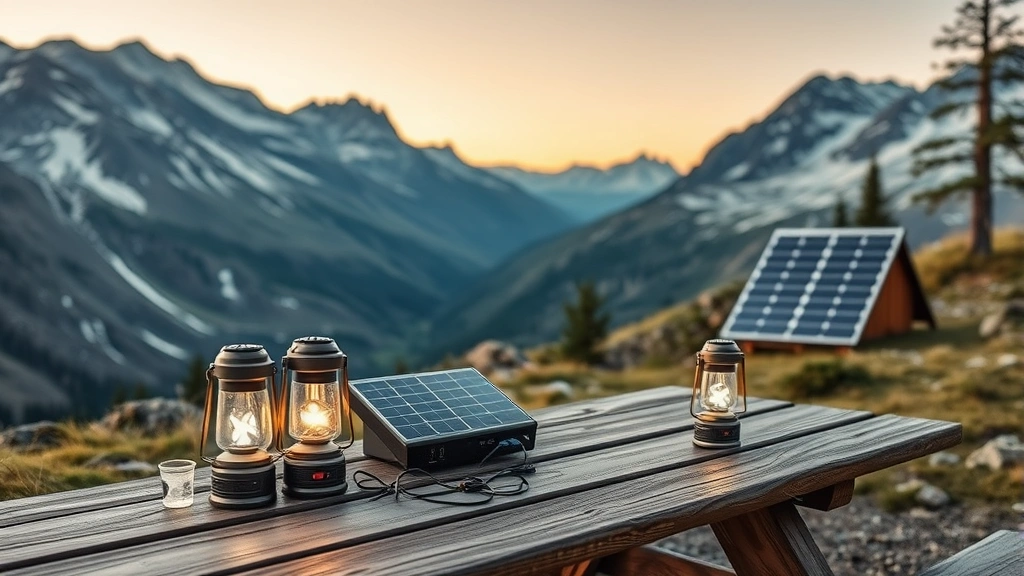
When exploring sustainable energy solutions, renewable camping fuel alternatives deserve consideration. Solar-powered camping equipment, including rechargeable LED lanterns and portable solar cookers, eliminates direct fuel consumption entirely, though initial manufacturing impacts must be considered.
Electric and Renewable Options: Battery-powered camping stoves and solar-powered cookers represent the most environmentally friendly alternatives for many camping scenarios. Green technology innovations transforming outdoor recreation continue to improve the practicality of electric alternatives. While manufacturing batteries and solar panels involves environmental costs, these are offset over the product’s lifetime by eliminating fuel combustion entirely.
Storage, Safety, and Spill Risks
White gas storage presents environmental risks that often receive insufficient attention. The fuel’s volatility means vapors can escape from containers, contributing to atmospheric pollution. Proper storage in sealed metal containers in cool, well-ventilated areas minimizes vapor losses, but even ideal storage conditions allow some volatilization over time.
Spill incidents pose significant environmental hazards. White gas is highly flammable and toxic to aquatic ecosystems. A single spill near a water source can contaminate groundwater and surface water, harming aquatic organisms and potentially affecting human drinking water supplies. Camping areas near lakes, rivers, and streams present particular risks, especially in regions with high water table levels or porous soils that allow rapid contaminant migration.
The persistence of white gas and its components in soil and water depends on environmental conditions. In aerobic conditions, biodegradation occurs over weeks to months, but in anaerobic groundwater environments, some components can persist for years. Sensitive ecosystems and protected water sources require extra caution when using or storing white gas-powered equipment.
Proper disposal of unused white gas requires taking it to hazardous waste facilities rather than pouring it down drains or disposing of it in regular trash. Many communities maintain hazardous waste collection programs specifically for this purpose. The need for special disposal represents an additional environmental burden compared to renewable fuel alternatives that produce no hazardous waste.
Best Practices for Sustainable White Gas Use
If you choose to use white gas, implementing best practices minimizes environmental impact while maintaining equipment reliability. These recommendations balance practical outdoor needs with ecological responsibility.
Fuel Efficiency Optimization: Properly maintained white gas stoves operate more efficiently, reducing overall fuel consumption. Regular cleaning of burner components, ensuring complete combustion, and using windbreaks around stoves during cooking all improve efficiency. Well-maintained equipment produces less soot and unburned hydrocarbon emissions.
Responsible Storage: Store white gas in approved metal containers specifically designed for flammable liquids. Maintain containers in cool, shaded locations away from direct sunlight. Ensure containers are sealed tightly and regularly inspected for leaks or corrosion. Never store white gas in plastic containers, which degrade and leak, or in locations near water sources.
Spill Prevention: Develop a habit of using fuel funnel and pour carefully to prevent spills during refueling. Carry absorbent materials specifically for fuel spills when camping. In case of spills, immediately contain the fuel with sand or absorbent materials and dispose of contaminated materials at hazardous waste facilities. Never attempt to rinse spilled fuel into waterways or soil.
Quantity Management: Purchase only the white gas quantity you’ll consume during the season. Storing large quantities increases volatilization losses and spill risks. Smaller, more frequent purchases reduce long-term storage environmental impacts and ensure fuel freshness.
Equipment Selection: Choose high-quality white gas stoves and lanterns that operate reliably and efficiently. Superior equipment may cost more initially but reduces long-term fuel consumption and the likelihood of equipment failures that could result in fuel spills during remote trips.
As you consider how to reduce your environmental footprint, evaluating fuel choices for outdoor activities becomes increasingly important. Making conscious decisions about which fuel sources align with your sustainability values represents a meaningful step toward reducing overall environmental impact.
The Future of Outdoor Fuel Solutions
The outdoor equipment industry is gradually transitioning toward more sustainable fuel alternatives and renewable energy options. Manufacturers are investing heavily in improving battery technology for camping equipment, developing more efficient solar-powered devices, and exploring alternative fuel options that reduce fossil fuel dependence.
Emerging technologies offer promising alternatives to traditional white gas. Ultralight solar cookers, advanced battery systems with extended runtime, and integrated renewable power solutions are becoming increasingly practical and affordable. As advantages of electric vehicles become widely recognized in transportation, similar technological improvements are extending to outdoor equipment.
Some manufacturers are experimenting with sustainable biofuels specifically formulated for camping equipment. These fuels, derived from renewable biomass sources, could eventually replace white gas for many applications. However, scaling production and ensuring true sustainability (rather than simply shifting environmental impacts to biomass cultivation) remains challenging.
Consumer demand increasingly influences product development. As more outdoor enthusiasts prioritize environmental responsibility, manufacturers respond by improving renewable alternatives and phasing out fossil fuel-dependent products. This market shift suggests that future generations of outdoor adventurers will have significantly more sustainable fuel options available.
Regulatory changes also influence the white gas market. Environmental protection agencies continue developing stricter regulations for petroleum products, potentially increasing white gas production costs and encouraging transition to alternatives. Some regions are already implementing restrictions on volatile organic compound emissions that affect fuel storage and handling practices.
The transition away from white gas won’t happen overnight, particularly for extreme outdoor applications where fuel reliability in harsh conditions remains essential. However, for casual camping and recreational outdoor use, sustainable alternatives are becoming increasingly viable and cost-competitive.
FAQ
Is white gas recyclable or reusable?
White gas itself isn’t recyclable—it’s consumed during combustion. However, metal fuel containers can be recycled after they reach the end of their lifespan. Always ensure containers are completely empty and safe before recycling. Unused white gas should never be discarded in regular recycling programs; take it to hazardous waste facilities for proper disposal.
How does white gas compare to natural gas for camping?
White gas and natural gas serve different purposes. White gas is portable and ideal for backcountry camping, while natural gas requires connection to infrastructure and isn’t practical for remote areas. For car camping near developed facilities, natural gas offers cleaner combustion and potentially lower environmental impact if sourced responsibly. Neither is ideal from a pure sustainability perspective compared to renewable alternatives.
Can white gas be used indoors safely?
White gas stoves produce carbon monoxide during combustion, making indoor use hazardous without proper ventilation. Never use white gas stoves inside tents, enclosed shelters, or unventilated spaces. Even in vehicles with windows cracked, carbon monoxide accumulation poses serious health risks. Always operate white gas equipment outdoors with adequate air circulation.
What’s the shelf life of stored white gas?
Properly stored white gas remains usable for several years, though some degradation occurs over time. Store in sealed metal containers in cool, dark locations to minimize volatilization and oxidation. Inspect containers regularly for corrosion or leaks. Old white gas that has been stored improperly may contain water or particulates that damage stove burners, so using fresh fuel is preferable.
Are there eco-friendly white gas alternatives for mountaineering?
Mountaineering at extreme altitudes presents unique challenges for fuel alternatives. White gas remains popular because it vaporizes at high altitudes where other fuels struggle. However, advanced battery systems and improved alcohol fuels are being developed for mountaineering applications. Liquid fuel stoves using alternative fuels represent the most promising sustainable option for high-altitude expeditions.
How much white gas does a typical camping trip consume?
Consumption varies widely based on trip duration, cooking frequency, and equipment efficiency. A weekend camping trip for two people might consume 0.5-1 liter, while extended backcountry trips lasting weeks could use several liters. Minimizing cooking, using efficient stoves, and incorporating no-cook meals reduces consumption and associated environmental impact.
What environmental certifications exist for camping fuels?
Various sustainability certification programs evaluate fuel production practices, though white gas producers don’t typically pursue these certifications. When purchasing fuel and equipment, look for manufacturers demonstrating commitment to environmental responsibility through transparent supply chain practices and investment in renewable alternatives.


