Eco Benefits of White Gas Stoves: A Comprehensive Sustainability Guide
White gas stoves represent an interesting intersection of outdoor recreation and environmental consciousness. Often called Coleman fuel or naphtha stoves, these portable cooking devices have served adventurers and campers for over a century. But beyond their proven reliability in remote locations, white gas stoves offer surprising ecological advantages that deserve closer examination. Understanding these benefits helps consumers make informed decisions about their camping equipment and energy choices while considering the broader impact on our planet.
As we explore sustainable living practices, many people overlook the environmental profile of their outdoor gear. White gas stoves exemplify how traditional technology can align with modern sustainability goals. Unlike single-use camping fuel canisters that generate significant waste, these reusable stoves minimize environmental impact through durability and efficiency. This comprehensive guide examines the ecological benefits, operational advantages, and practical considerations that make white gas stoves a thoughtful choice for environmentally conscious outdoor enthusiasts.
What Are White Gas Stoves and How Do They Work
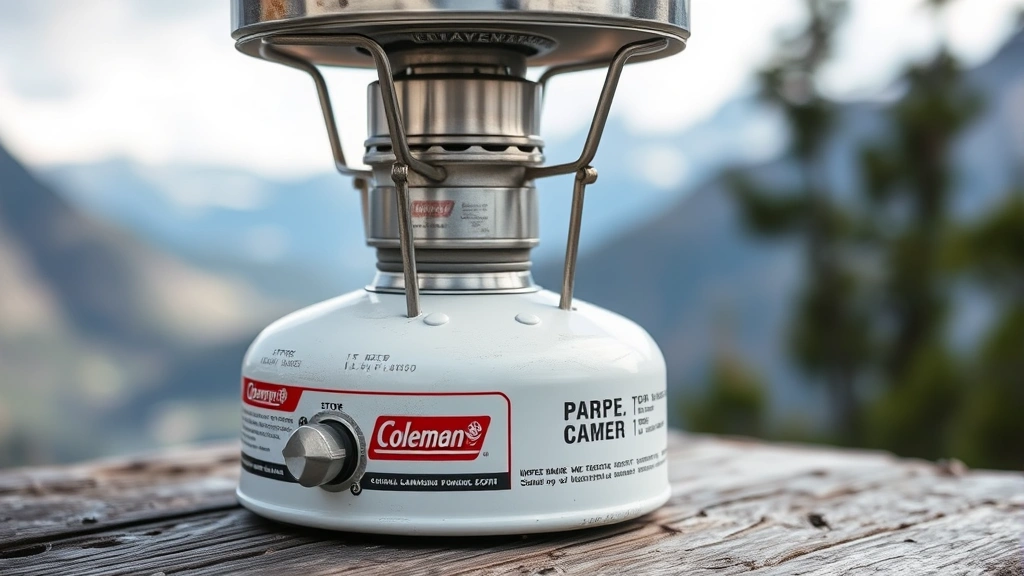
White gas stoves, also known as unleaded gasoline or Coleman fuel stoves, are liquid fuel burning devices designed for outdoor cooking and heating. These stoves operate by vaporizing liquid fuel through a pressurized system, creating a clean, controllable flame suitable for camping, mountaineering, and emergency preparedness. The fuel itself is a highly refined petroleum product with additives removed, making it cleaner burning than standard gasoline.
The mechanics of a white gas stove involve a simple yet effective design: fuel stored in a pressurized tank connects to a burner assembly where the liquid vaporizes and ignites. Users control flame intensity through a valve adjustment, allowing precise heat regulation for everything from boiling water to slow simmering. This fundamental design has remained largely unchanged for generations, testament to its reliability and efficiency. The stove’s construction typically features durable metal components that withstand years of repeated use, from high-altitude expeditions to backyard emergency kits.
Unlike modern canister stoves that rely on pre-pressurized butane or propane cartridges, white gas stoves employ user-controlled pressurization. This means adventurers maintain complete control over their fuel supply and can refill containers indefinitely. The fuel itself performs consistently across temperature ranges, making white gas stoves reliable in cold climates where other fuel types become unreliable. This inherent versatility contributes significantly to their sustainability profile.
[IMAGE_1]
Environmental Benefits of White Gas Technology
The ecological advantages of white gas stoves extend far beyond simple waste reduction. These devices embody principles aligned with sustainable living practices through their design philosophy and operational characteristics. First, the reusability factor cannot be overstated: a single white gas stove can function reliably for 30, 40, or even 50 years with minimal maintenance. This longevity drastically reduces the environmental cost associated with manufacturing replacement equipment.
Manufacturing impact represents a significant portion of any product’s total environmental footprint. When one durable stove replaces dozens of disposable cartridge stoves throughout its lifetime, the aggregate environmental benefit becomes substantial. The Environmental Protection Agency emphasizes that reducing consumption through durable goods represents one of the most effective sustainability strategies. White gas stoves exemplify this principle perfectly.
Additionally, white gas fuel itself produces cleaner combustion compared to many alternatives. The refining process removes aromatic compounds and sulfur content that create harmful emissions. When burned in a properly functioning stove, white gas produces primarily carbon dioxide and water vapor, with minimal particulate matter or volatile organic compounds. This clean combustion profile means less air pollution during outdoor activities, protecting both immediate environments and broader atmospheric quality.
The portability and reliability of white gas stoves also encourage extended outdoor experiences without reliance on disposable fuel sources. Campers can venture into remote areas knowing their stove will function reliably, reducing the temptation to abandon trips or resort to less sustainable fuel alternatives. This reliability fosters deeper connections with natural environments and promotes conservation mindsets among outdoor enthusiasts.

Waste Reduction and Sustainability Impact
Perhaps the most tangible environmental benefit of white gas stoves involves dramatic waste reduction. Standard disposable fuel cartridges represent a significant waste stream in outdoor recreation. Millions of single-use canisters end up in landfills annually, despite many containing residual fuel that makes recycling problematic. These cartridges require energy-intensive manufacturing processes and complex material combinations that complicate end-of-life management.
White gas stoves eliminate this cartridge waste entirely. Users purchase bulk fuel that can be stored in refillable containers, dramatically reducing packaging waste. A gallon of white gas in a reusable metal container replaces dozens of disposable cartridges. Over a typical outdoor enthusiast’s lifetime, this substitution prevents hundreds of canisters from entering waste streams. When multiplied across millions of recreational users, the aggregate waste reduction becomes enormous.
The refillable container system also addresses another sustainability concern: transportation efficiency. Bulk fuel transport generates fewer emissions per unit of energy compared to distributing individual cartridges. Supply chains become more streamlined, reducing the carbon footprint associated with manufacturing, packaging, shipping, and retail distribution. Reducing your environmental footprint begins with understanding these supply chain impacts.
Proper disposal of white gas containers also presents fewer challenges than cartridge recycling. Metal fuel containers are easily recyclable through standard aluminum or steel programs. Even when containers reach end-of-life, they represent simpler waste streams than composite cartridge materials. This recyclability extends the circular economy benefits of choosing white gas systems.
Efficiency Compared to Other Fuel Types
Energy efficiency directly correlates with environmental impact. White gas stoves demonstrate remarkable efficiency in converting fuel to usable heat. The liquid fuel format allows for precise combustion control, meaning minimal wasted energy. Users adjust flame intensity to match cooking requirements, avoiding the excess heat generation common with fixed-output cartridge stoves.
Compared to butane or propane cartridges, white gas provides superior performance across temperature ranges. In cold weather, when cartridge stoves become unreliable or fail entirely, white gas maintains consistent output. This reliability means users can accomplish cooking tasks more efficiently without requiring backup systems or alternative fuel sources. The sustainable energy solutions discussion increasingly recognizes that reliable, adaptable technology reduces overall resource consumption.
The energy density of white gas also exceeds many cartridge fuels. A given volume of white gas produces more usable heat than equivalent volumes of pressurized alternatives. This superior energy density means lighter fuel loads for backpackers and longer operational periods between refills. For expedition use, this efficiency translates to reduced total fuel weight carried, which decreases overall environmental impact through reduced transportation energy.
Thermal efficiency in stove design further amplifies these advantages. White gas stoves typically feature simple, effective burner designs that maximize heat transfer to cookware. The absence of complex valve systems and pressure regulators means fewer components to malfunction or require replacement. This mechanical simplicity contributes to both durability and operational efficiency.

Long-Term Cost and Environmental Savings
The economics of white gas stoves reinforce their environmental benefits. While initial purchase prices may exceed disposable cartridge stoves, lifetime costs dramatically favor white gas systems. A quality white gas stove costs $30-80 and functions for decades. Typical cartridge stoves cost $15-40 but require replacement every 1-3 years. Over twenty years of recreational use, white gas stove owners spend significantly less while generating minimal waste.
This cost advantage extends to fuel expenses. White gas typically costs $5-8 per gallon, while equivalent cartridge fuel costs $1-2 per cartridge for 110-220 grams of fuel. When comparing cost per unit of energy, white gas substantially undercuts cartridge alternatives. Budget-conscious consumers naturally gravitate toward more economical options, and in this case, the economical choice also proves environmentally superior.
Financial savings enable broader sustainability investments. Consumers who spend less on outdoor gear can allocate resources toward other environmental initiatives: renewable energy installations, conservation organizations, or sustainable transportation options like advantages of electric vehicles. The ripple effects of choosing efficient, durable equipment extend throughout personal sustainability practices.
Resale value represents another economic-environmental advantage. Quality white gas stoves retain value remarkably well, with vintage models actively traded in outdoor communities. This secondary market extends product lifecycles even further, allowing multiple users to benefit from single manufacturing events. Some white gas stoves manufactured fifty years ago remain in active use, representing extraordinary environmental efficiency metrics.
Practical Tips for Responsible Use
Maximizing the environmental benefits of white gas stoves requires responsible operation and maintenance. Proper fuel storage in approved, clearly labeled containers prevents spills and contamination. Always use white gas specifically designated for stove use, never substituting standard gasoline or other petroleum products that may contain harmful additives. This ensures clean combustion and prevents stove damage that would necessitate replacement.
Regular maintenance extends stove lifespan and preserves efficiency. Simple cleaning of the burner assembly, checking fuel lines for cracks, and verifying pressure seal integrity takes minimal time but prevents premature failure. Many white gas stoves require occasional needle valve servicing, a simple procedure detailed in manufacturer instructions. These preventive measures ensure decades of reliable operation.
Responsible fueling practices minimize environmental risk. Always refuel in well-ventilated areas away from water sources. Use funnels to prevent spills, and keep spill cleanup materials nearby. Proper storage in cool, dry locations prevents pressure buildup and container degradation. These practices protect both personal safety and environmental quality.
Consider integrating white gas stoves into broader sustainability practices. Pair your stove with reusable cookware, durable food containers, and minimal-waste meal planning. Combine camping trips with conservation activities like trail maintenance or habitat restoration. Use your outdoor experiences to deepen environmental awareness and inspire others toward sustainable choices.
Comparing White Gas to Modern Alternatives
Modern fuel cartridge stoves offer undeniable convenience advantages: lightweight, compact designs with integrated fuel systems. However, convenience comes at environmental cost. Each cartridge represents manufacturing, packaging, and transportation energy. Disposal complications arise when residual fuel makes recycling difficult. For casual users taking occasional trips, cartridge stoves may prove practical, but serious outdoor enthusiasts find white gas systems more sustainable.
Canister stoves also perform inconsistently in cold weather and high altitudes. Users in challenging environments often carry backup white gas stoves despite primary cartridge systems, effectively doubling their equipment weight and cost. This redundancy reflects white gas stoves’ superior reliability in demanding conditions.
Solid fuel tablets and wood-burning stoves represent other alternatives. While these eliminate liquid fuel entirely, they lack the efficiency and control of white gas. Wood stoves require substantial fuel volume and produce more emissions. Fuel tablets cost more per unit energy and generate more waste than white gas. When evaluating all alternatives, white gas emerges as the superior choice for environmentally conscious outdoor enthusiasts.
Electric camping stoves powered by solar panels or rechargeable batteries represent emerging options. These show promise for future sustainability, but current technology remains limited in power output and reliability. Integrating white gas stoves with solar charging systems for lights and electronics creates hybrid approaches optimizing both sustainability and practicality. Visit green technology innovations transforming our future for insights on emerging sustainable camping solutions.
For comprehensive sustainability understanding, explore the SustainWise Hub Blog featuring discussions of sustainable living across numerous domains. The sustainable energy solutions section provides deeper analysis of fuel types and energy efficiency. Understanding these broader contexts helps consumers make informed choices aligned with their environmental values.
FAQ
Are white gas stoves safe for indoor use?
No. White gas stoves produce carbon monoxide and require complete outdoor use in well-ventilated areas. Never operate these stoves indoors, in tents, or enclosed spaces. The combustion byproducts can cause serious health hazards. Always use white gas stoves under open sky or in fully ventilated outdoor shelters.
How long does a gallon of white gas last during camping?
Duration depends on usage patterns and stove design. Typically, one gallon fuels a stove for 20-40 hours of cooking at moderate intensity. This translates to approximately 5-10 days of typical camping use. Efficiency improves with proper stove maintenance and technique optimization.
Can I use white gas in any liquid fuel stove?
White gas works best in stoves specifically designed for it, such as Coleman and similar models. Some multi-fuel stoves accept white gas, but always verify manufacturer specifications. Using incorrect fuel types can damage stoves or create safety hazards.
What’s the environmental impact of white gas extraction and refining?
While petroleum extraction involves environmental considerations, white gas’s superior durability and efficiency offset these impacts over product lifetimes. One white gas stove replacing 50+ cartridge stoves generates net environmental benefits despite upstream production impacts. Lifecycle analysis consistently favors durable white gas systems.
How should I dispose of old white gas stoves?
Metal components are fully recyclable through standard aluminum or steel recycling programs. Contact local recycling centers about accepting camping stoves. Many outdoor retailers accept used equipment for refurbishment or proper recycling. This circular economy approach extends product value and minimizes waste.
Do white gas stoves require special permits or certifications?
Regulations vary by location. Most camping areas permit white gas stoves without special authorization, but always verify local rules before trips. Some wilderness areas have specific fuel restrictions, so check regulations for your destination. National parks and public lands typically allow white gas stoves, but confirmation prevents conflicts.
What makes white gas more sustainable than cartridge stoves?
Sustainability advantages include: reusability across decades, minimal packaging waste, superior fuel efficiency, consistent cold-weather performance reducing backup equipment needs, lower lifetime costs enabling broader sustainability investments, and straightforward recyclability. The combination creates substantially lower environmental impact over product lifespans.


