Car Smells Like Gas? Mechanic Insights on Causes, Fixes, and Environmental Impact
A persistent gasoline smell inside or around your vehicle isn’t just unpleasant—it’s often a warning sign that something needs attention. Whether the odor is faint or overwhelming, understanding the root cause is essential for your safety, your car’s longevity, and reducing unnecessary emissions. This comprehensive guide explores the most common reasons your car smells like gas, what mechanics recommend, and how to address the issue responsibly.
Beyond the immediate concern of comfort and vehicle performance, addressing fuel-related issues promptly contributes to reducing your vehicle’s environmental footprint. A well-maintained fuel system runs more efficiently, burns fuel more completely, and releases fewer volatile organic compounds (VOCs) into the atmosphere. For those considering their long-term sustainability goals, understanding these mechanical issues is a step toward making informed decisions about vehicle maintenance and potentially transitioning to cleaner alternatives.
Common Causes of Gasoline Odors
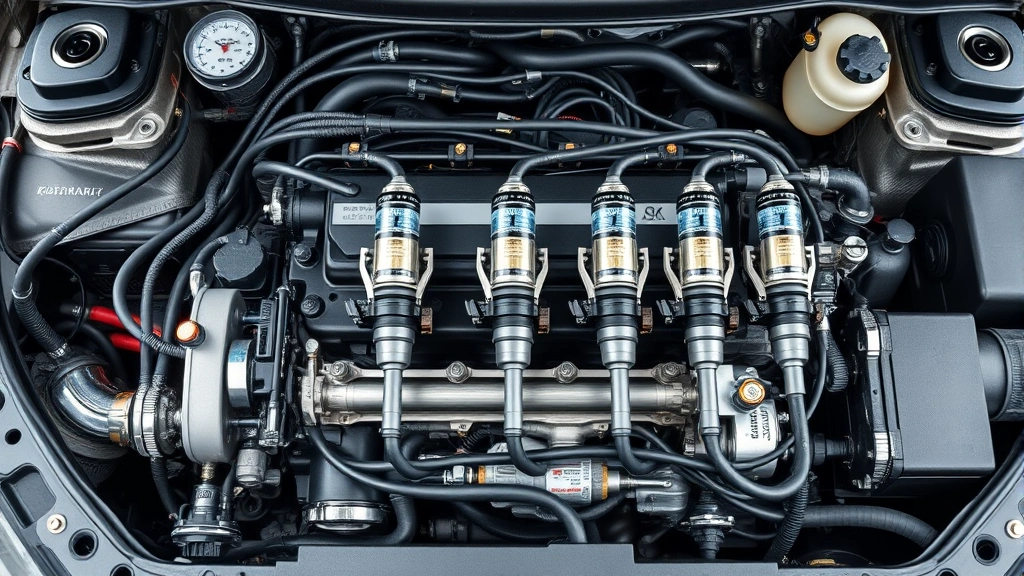
When your car smells like gas, the culprit typically falls into one of several categories. Understanding these possibilities helps you determine whether the issue is minor or requires immediate professional attention. The most common causes include fuel leaks, faulty fuel injectors, a flooded engine, a malfunctioning charcoal canister, and worn fuel seals.
Fuel leaks are among the most serious causes and demand immediate attention. These can occur in the fuel tank, fuel lines, fuel pump, or fuel filter housing. A leak not only creates a strong odor but also poses fire hazards and wastes fuel—a significant environmental and economic concern. According to the EPA’s guidelines on volatile organic compounds, fuel leaks contribute substantially to air pollution in urban areas.
Another frequent cause is a malfunctioning fuel pressure regulator, which controls how much fuel enters the engine. When this component fails, excess fuel can accumulate in the combustion chamber, creating that telltale gasoline smell. Similarly, worn fuel injector seals allow fuel to seep into the engine bay, producing odors both inside and outside the vehicle.
Temperature fluctuations also play a role. In cold weather, fuel evaporates more slowly, potentially accumulating in the engine and creating stronger odors. Conversely, hot weather can increase fuel evaporation rates, sometimes making smells more noticeable. This is particularly relevant when considering your vehicle’s sustainable energy solutions and overall efficiency.
Fuel Leak Identification and Safety
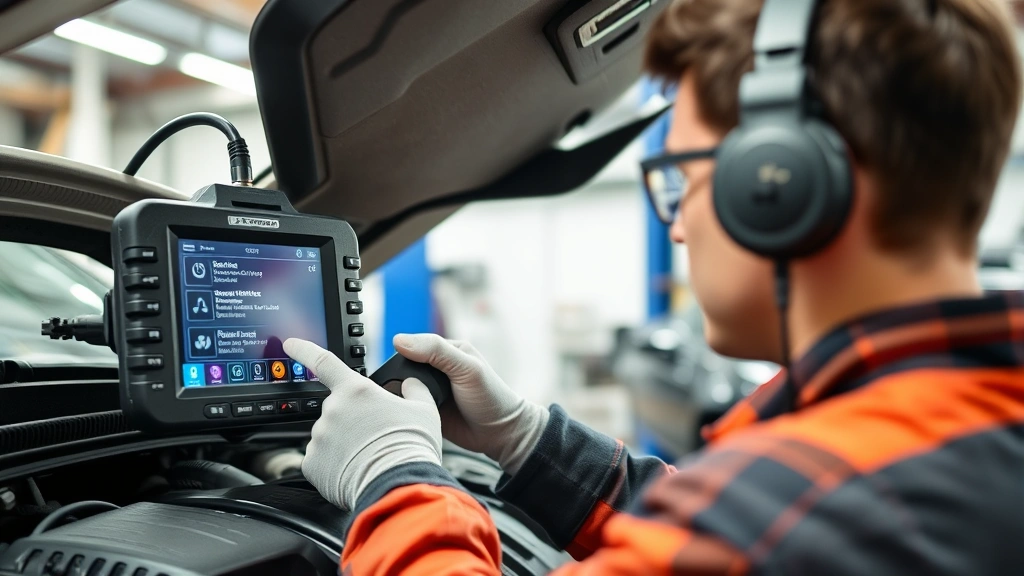
Identifying a fuel leak requires careful observation and sometimes professional diagnostic equipment. Start by checking under your vehicle for wet spots or stains on the ground after it has been parked for several hours. A strong gasoline smell combined with visible liquid pooling beneath your car is a clear indicator of a leak.
Safety is paramount when dealing with fuel leaks. Gasoline is highly flammable, and even small leaks can create dangerous conditions. Never ignore a persistent gas smell or attempt to drive extensively if you suspect a significant leak. Instead, park your vehicle in a well-ventilated area away from ignition sources and contact a qualified mechanic immediately.
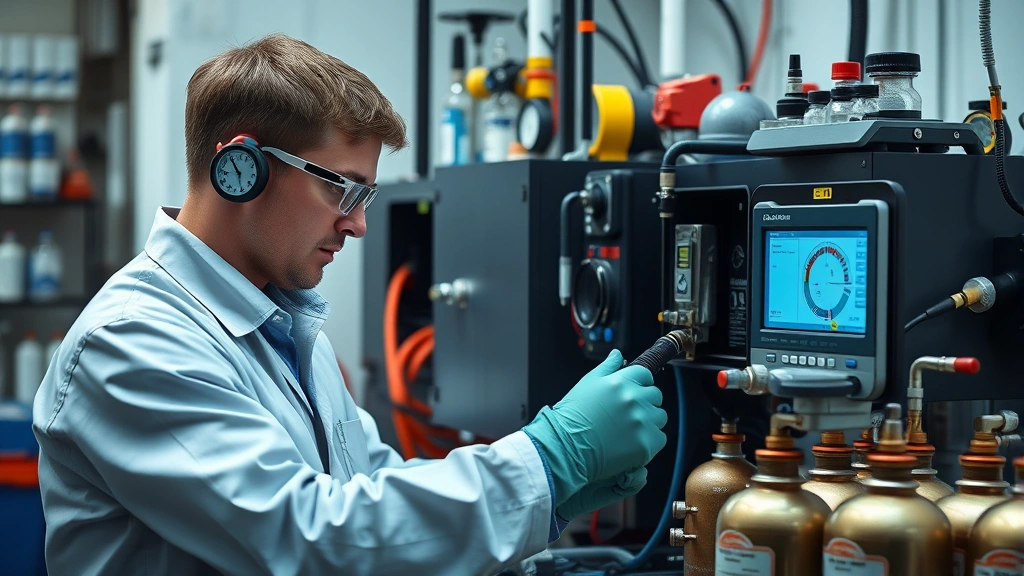
Fuel leaks waste precious resources and contribute to groundwater contamination and air pollution. By addressing leaks promptly, you’re not only protecting your vehicle but also reducing your environmental footprint. Professional mechanics have the tools to pinpoint leak locations using pressure testing and visual inspection techniques.
The fuel system operates under significant pressure, typically between 40 to 60 PSI in modern vehicles. When seals or connections weaken, pressurized fuel escapes, creating both odors and safety hazards. Mechanics can replace fuel lines, tighten connections, or replace faulty components to restore system integrity.
Faulty Fuel Injectors and Engine Performance
Fuel injectors are precision components that spray fuel into the engine’s combustion chambers at precisely timed intervals. When they malfunction, they can cause incomplete fuel combustion, leading to strong gasoline odors and reduced engine performance. A faulty fuel injector might stick open, allowing excess fuel to enter the engine even when it shouldn’t.
Several symptoms indicate fuel injector problems: rough idling, decreased fuel economy, difficulty starting, engine misfires, and that persistent gas smell. You might also notice black smoke from the exhaust, which indicates unburned fuel being expelled. These signs suggest your engine is running inefficiently, wasting fuel and producing unnecessary emissions.
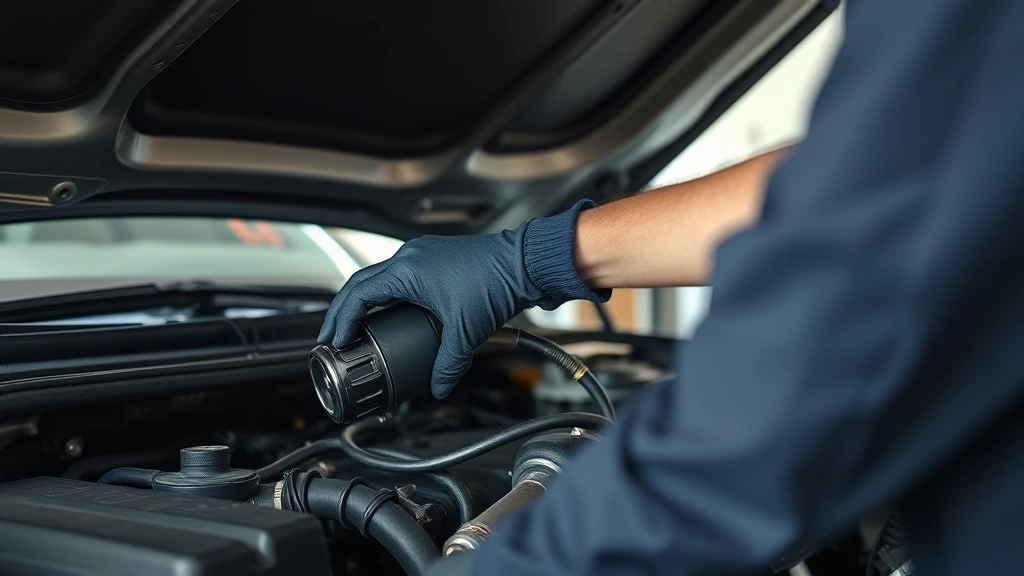
Modern vehicles use electronic fuel injection systems controlled by the engine’s computer. Mechanics diagnose injector issues using specialized scanning equipment that reads fault codes and measures fuel pressure. Treatment options range from fuel system cleaning to injector replacement. Using high-quality fuel and fuel system cleaners can prevent injector problems and maintain optimal engine performance.
From an environmental perspective, well-functioning fuel injectors are crucial. They ensure complete fuel combustion, which reduces emissions of harmful pollutants including nitrogen oxides and particulate matter. This connects directly to broader sustainability concerns discussed in our guide on advantages of electric vehicles, as EVs eliminate these combustion-related emissions entirely.
Flooded Engine Symptoms
A flooded engine occurs when excess fuel accumulates in the combustion chamber without being ignited. This commonly happens in older vehicles or when drivers pump the gas pedal repeatedly while starting a cold engine. The result is a strong gasoline smell both inside and around the vehicle, often accompanied by difficulty starting and rough running conditions.
In vehicles with carburetors, flooding happens when the float mechanism that regulates fuel flow malfunctions. Modern fuel-injected vehicles are less prone to flooding but can still experience it due to faulty injector seals or pressure regulators. When a flooded engine finally starts, it may produce black smoke and run poorly until the excess fuel burns off.
To address a flooded engine, mechanics recommend waiting several minutes before attempting to restart. This allows excess fuel to evaporate. If the problem persists, professional diagnosis is necessary. Mechanics may need to replace seals, adjust the fuel pressure regulator, or clean fuel injectors.
Flooded engines waste fuel and produce excessive emissions during the burning-off process. Preventing this issue through proper starting procedures and regular maintenance reduces both fuel waste and environmental impact. Understanding your vehicle’s starting requirements—especially in different weather conditions—helps you operate it more efficiently.
Charcoal Canister Issues
Your vehicle’s charcoal canister is a sophisticated emissions control component that captures fuel vapors from the fuel tank, preventing them from escaping into the atmosphere. This device is crucial for reducing volatile organic compounds and meeting environmental regulations set by the EPA and similar agencies worldwide.
The charcoal canister works by absorbing fuel vapors through activated charcoal. When your engine runs, these vapors are drawn into the engine and burned, completing the cycle. However, if the canister becomes saturated, damaged, or if the purge valve malfunctions, fuel vapors can escape, creating a strong gasoline smell.
Symptoms of a faulty charcoal canister include a persistent gas smell, especially after refueling, difficulty starting, rough idling, and sometimes a check engine light. Mechanics diagnose this issue using diagnostic scanners that detect purge valve fault codes. Replacement typically involves removing the old canister and installing a new one, though sometimes just the purge valve needs replacement.
From a sustainability standpoint, a properly functioning charcoal canister is essential. It prevents the release of volatile organic compounds that contribute to ground-level ozone and smog formation. By maintaining this component, you’re actively reducing air pollution and supporting cleaner air quality in your community.
When to Seek Professional Help
While some vehicle maintenance can be handled by DIY enthusiasts, fuel system issues almost always require professional attention. The combination of flammability hazards, system complexity, and diagnostic requirements makes this work best left to certified mechanics. Attempting repairs yourself risks injury, further damage, and incomplete problem resolution.
You should seek professional help immediately if you notice: a strong gasoline smell that persists for more than a day, visible fuel leaks, black smoke from the exhaust, difficulty starting or rough running, fuel smell inside the cabin that makes you feel ill, or any check engine light accompanied by a gas smell.
Professional mechanics have several advantages: they possess specialized diagnostic equipment, understand complex fuel system interactions, can safely handle pressurized components, and provide warranty coverage on repairs. Many shops offer free diagnostic services or charge a small fee that’s credited toward repairs.
When choosing a mechanic, look for certified professionals with ASE (Automotive Service Excellence) credentials. Check reviews, ask about their experience with your vehicle’s make and model, and request detailed explanations of any issues found. A reputable shop will provide transparent pricing and explain why specific repairs are necessary.
Consider this maintenance opportunity as part of your broader commitment to sustainability. A well-maintained vehicle runs cleaner and more efficiently, reducing your personal environmental impact while you continue using traditional fuel.
Preventive Maintenance and Sustainability
The best approach to avoiding fuel system problems is preventive maintenance. Regular servicing helps identify potential issues before they become serious, saving money and reducing environmental impact. Follow your vehicle manufacturer’s recommended maintenance schedule, which typically includes fuel filter replacement every 15,000 to 30,000 miles.
Using quality fuel from reputable stations reduces fuel system contamination. Top-tier gasoline contains detergents that keep fuel injectors clean and prevent buildup. While slightly more expensive, quality fuel pays dividends in engine performance and longevity. Avoid letting your fuel tank drop below a quarter full, as this can draw sediment from the tank into the fuel system.
Regular oil changes, air filter replacements, and spark plug maintenance all contribute to optimal engine function and fuel efficiency. These routine services ensure your engine burns fuel completely, reducing emissions and that gasoline smell. Many mechanics offer maintenance packages that bundle these services at reasonable prices.
For those interested in reducing energy consumption more broadly, maintaining your vehicle efficiently is an important step. Even better, consider the long-term benefits of transitioning to electric vehicles or hybrid options that eliminate fuel system odors entirely while dramatically reducing emissions.
Proper tire inflation, regular wheel alignments, and aerodynamic improvements all enhance fuel efficiency. A well-maintained vehicle operating at peak efficiency uses less fuel, produces fewer emissions, and contributes less to climate change. These practices align with sustainable living principles while providing immediate economic benefits through reduced fuel costs.
Document all maintenance and repairs in a service log. This record increases your vehicle’s resale value and helps mechanics identify recurring issues. It also demonstrates your commitment to environmental responsibility through proper vehicle stewardship.
FAQ
Is it safe to drive my car if it smells like gas?
It depends on the cause and intensity of the smell. A faint smell after refueling is usually normal, but a strong persistent odor suggests a problem requiring professional attention. If you suspect a fuel leak or experience difficulty starting, avoid extensive driving and have the vehicle inspected promptly. Safety should always be your priority.
Can a gas smell indicate something other than fuel system problems?
Yes, occasionally a gasoline-like smell might result from other issues. Electrical problems can create burning plastic smells sometimes mistaken for gas. However, a true gasoline odor almost always points to fuel system components. When in doubt, have a professional diagnose the issue.
How much does it typically cost to fix a fuel leak?
Repair costs vary significantly depending on the leak’s location and severity. A simple fuel line replacement might cost $150-$300, while fuel pump replacement can exceed $500-$1,000. Fuel tank repairs or replacements are among the most expensive, potentially costing $1,000 or more. Always get a detailed estimate before authorizing work.
Will my check engine light come on if I have fuel system problems?
Not necessarily for all fuel system issues. Fuel leaks, for instance, might not trigger the check engine light. However, faulty fuel injectors, bad oxygen sensors, or charcoal canister problems often do illuminate this warning. When the light appears alongside a gas smell, professional diagnosis is definitely warranted.
How can I prevent fuel system problems?
Follow these preventive measures: use quality fuel from reputable stations, maintain recommended fuel filter replacement intervals, keep your fuel tank at least a quarter full, follow your vehicle’s maintenance schedule, and avoid rough driving that stresses fuel system components. Regular professional inspections catch problems early.
What’s the environmental impact of fuel leaks?
Fuel leaks contribute to groundwater contamination, soil pollution, and air pollution through volatile organic compound emissions. They also represent wasted resources and increased carbon emissions from fuel extraction and refining. Addressing leaks promptly protects ecosystems and reduces your environmental footprint. Consider this when evaluating your sustainability practices.
Should I use fuel additives to prevent gas smell?
Quality fuel system cleaners can help maintain injector function and prevent some problems, but they won’t fix existing issues. If your car already smells like gas, additives are insufficient—professional diagnosis and repair are necessary. Use cleaners as preventive maintenance, not as a solution to current problems.
Can weather affect how strong the gas smell is?
Absolutely. Cold weather slows fuel evaporation, allowing vapors to accumulate and create stronger odors. Hot weather increases evaporation rates, sometimes intensifying smells. These temperature effects are normal, but a persistent strong smell in any weather indicates a problem requiring attention.