Wolf 30 Gas Range: Is It a Sustainable Choice? Comprehensive Pros & Cons Analysis
When renovating your kitchen or upgrading appliances, selecting a Wolf 30 gas range represents a significant investment that deserves careful consideration from both performance and environmental perspectives. Wolf has built a reputation as a premium kitchen appliance manufacturer, but sustainability-conscious homeowners must weigh the environmental impact, energy efficiency, and long-term operational costs against the undeniable cooking performance benefits. This comprehensive guide examines whether a Wolf 30 gas range aligns with your sustainability goals and household needs.
The debate surrounding gas cooking appliances has intensified as climate concerns grow and energy consumption patterns shift globally. Understanding the nuanced trade-offs between traditional gas cooking and modern sustainable alternatives requires examining manufacturing practices, operational efficiency, emissions profiles, and how this appliance fits within your broader home energy strategy. Whether you’re building a new kitchen or replacing an aging range, this analysis will help you make an informed decision.
Understanding Wolf 30 Gas Range Specifications
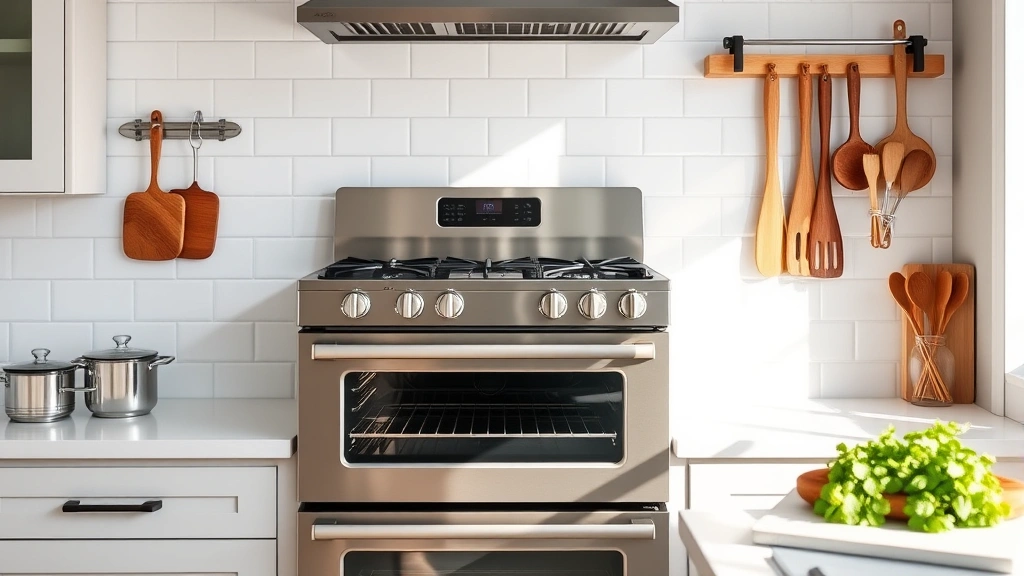
The Wolf 30 gas range is a professional-grade cooking appliance designed for home kitchens, featuring four to six burners with individual controls, a convection oven, and premium construction materials. These ranges typically deliver 35,000-40,000 BTU of total cooking power across burners, with individual burner outputs ranging from 5,000 to 15,000 BTU. The convection oven system uses a fan to circulate heat, theoretically improving cooking efficiency compared to traditional static ovens.
Wolf’s manufacturing emphasizes durability and performance longevity. The company uses cast iron grates, stainless steel construction, and precision-engineered components designed to withstand years of intensive cooking. This durability aspect carries sustainability implications—appliances that last longer generate less waste over their lifecycle than frequently replaced budget alternatives. However, the initial resource investment in manufacturing premium components and materials represents a significant upfront environmental cost that must be justified through extended operational lifespan.
When evaluating sustainability, understanding what you’re actually purchasing matters tremendously. Wolf 30 ranges typically weigh between 200-250 pounds, require professional installation including gas line connections and venting modifications, and demand specific countertop space and clearance requirements. These installation demands create additional environmental costs through transportation, construction waste, and potential kitchen modifications.
Environmental Impact of Gas Cooking Appliances
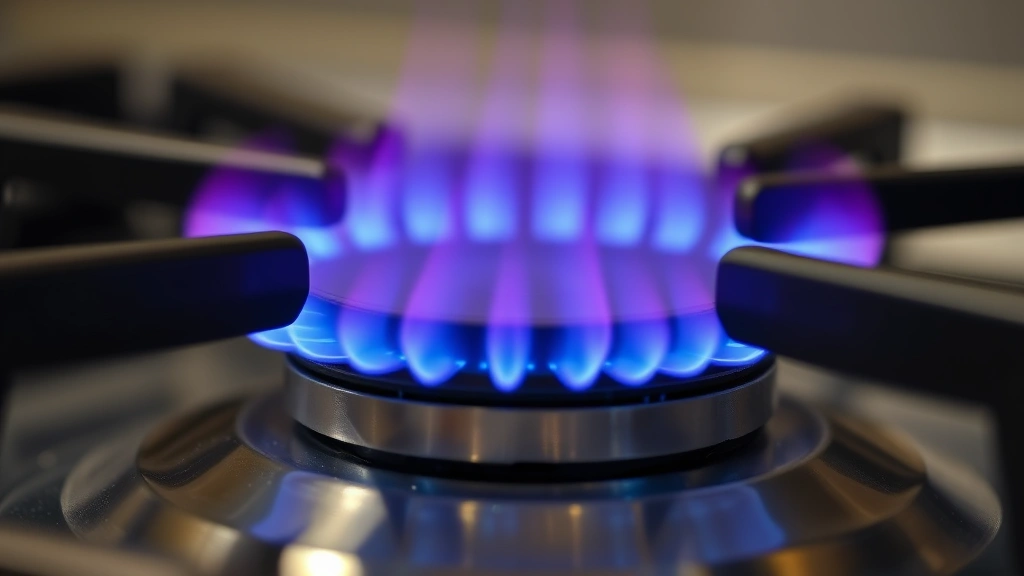
Natural gas combustion for cooking produces carbon dioxide, a primary greenhouse gas contributing to climate change, along with methane, nitrogen oxides, and other pollutants. According to EPA research on indoor air quality, gas stoves can emit nitrogen dioxide at levels exceeding outdoor air quality standards, particularly in homes with inadequate ventilation. A single gas burner operating for one hour can produce nitrogen dioxide concentrations of 200-400 parts per billion, raising legitimate health and environmental concerns.
The complete environmental footprint of natural gas extends beyond your kitchen. Methane extraction, processing, transportation, and distribution involve significant energy consumption and leakage risks throughout the supply chain. The International Energy Agency estimates that methane losses during natural gas production and distribution represent 1-5% of extracted volumes, contributing meaningfully to atmospheric methane concentrations. When you burn natural gas in your home, you’re not just accounting for direct combustion emissions but also upstream production impacts.
Indoor air quality degradation from gas cooking represents an underappreciated sustainability concern. Homes using gas ranges experience elevated indoor nitrogen dioxide and particulate matter levels, necessitating improved ventilation systems that consume additional energy. This creates a compounding efficiency problem—you may need more powerful exhaust systems and potentially enhanced HVAC operation to maintain healthy indoor environments, offsetting some cooking efficiency gains. Understanding why your gas bill might be high often reveals these hidden efficiency losses.
Energy Efficiency and Performance Analysis
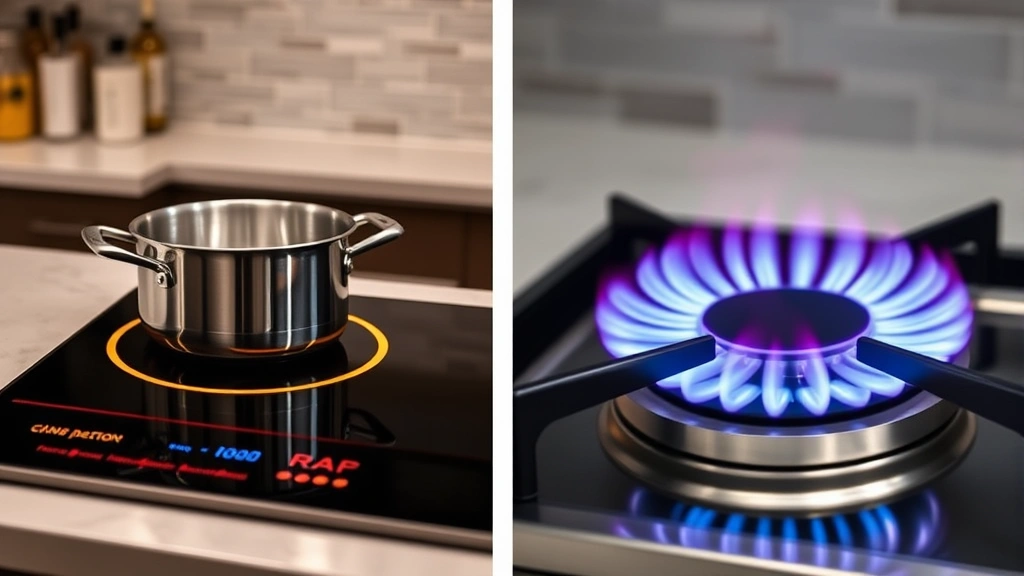
Gas ranges, including Wolf 30 models, convert approximately 40-50% of combustion energy into actual cooking heat, with remaining energy lost through exhaust systems and radiative heat transfer. This efficiency ceiling is fundamental to gas combustion technology and cannot be substantially improved without revolutionary design changes. Modern induction cooking alternatives achieve 80-90% energy transfer efficiency, representing a significant sustainability advantage.
The Wolf 30’s convection oven system improves upon traditional static ovens by circulating heated air more uniformly, reducing cooking time and temperature requirements for certain dishes. This represents genuine efficiency gains compared to older gas ranges, but still underperforms modern convection electric and induction alternatives. Convection functionality typically increases oven energy consumption by 10-15% compared to conventional modes, a trade-off Wolf compensates through improved cooking consistency.
Burner performance on Wolf 30 ranges excels in responsiveness and heat control precision. Gas flames respond immediately to adjustment changes, providing cooking flexibility that electric and induction systems struggle to match. For professional-level cooking techniques requiring rapid temperature modulation, gas burners offer legitimate advantages. However, this performance benefit doesn’t automatically translate to sustainability advantages—superior performance doesn’t reduce environmental impact unless it enables cooking efficiency improvements or reduces food waste through better results.
Modern sustainable energy solutions increasingly favor electric and induction cooking for their efficiency advantages. While Wolf 30 ranges represent the premium segment of gas cooking technology, they still operate within the inherent efficiency limitations of gas combustion.
Sustainability Advantages of Wolf 30 Models
Durability and Lifecycle Longevity: Wolf 30 ranges are engineered for 15-25 year operational lifespans, significantly exceeding budget appliance lifecycles of 5-10 years. From a sustainability perspective, manufacturing one durable appliance that operates for two decades generates less total environmental impact than replacing cheaper units multiple times. The materials investment in premium construction—cast iron, quality stainless steel, precision components—pays sustainability dividends through extended use periods.
Manufacturing Standards: Wolf, as a premium manufacturer, maintains stricter quality control and manufacturing standards than budget competitors. The company operates Energy Star certified facilities and implements waste reduction protocols throughout production. While not carbon-neutral manufacturing, Wolf’s processes represent better environmental stewardship than many competitors, reducing manufacturing waste per unit produced.
Cooking Performance Enables Food Waste Reduction: Superior heat distribution, precise temperature control, and consistent cooking results reduce food waste from ruined dishes. While difficult to quantify precisely, professional-grade appliances demonstrably improve cooking outcomes for users willing to develop proper techniques. Since food production represents significant environmental impact, any reduction in food waste contributes positively to overall sustainability metrics.
Reduced Replacement Cycles: The extended operational life of Wolf 30 ranges means fewer replacement appliances requiring manufacturing, shipping, and proper disposal. Over a 25-year period, one Wolf range produces substantially less manufacturing waste and emissions than three to five budget range replacements, even accounting for the higher initial environmental cost of premium construction.
Environmental Drawbacks and Concerns
Direct Combustion Emissions: Wolf 30 gas ranges burn natural gas, producing CO2, methane, and nitrogen oxides directly in your home. These emissions contribute to climate change and indoor air quality degradation. Unlike energy-saving practices at home that reduce consumption, gas cooking creates unavoidable emissions whenever you cook.
Lower Energy Efficiency: At 40-50% energy conversion efficiency, Wolf 30 ranges underperform induction (80-90% efficiency) and electric coil (70-75% efficiency) alternatives. For environmentally conscious households, this efficiency gap represents a significant sustainability disadvantage, particularly for daily cooking tasks.
Supply Chain Methane Leakage: Natural gas extraction and distribution involve methane leakage throughout the supply chain. When considering lifecycle emissions, the upstream impacts of natural gas production add meaningful environmental costs beyond your kitchen combustion.
Ventilation System Energy Requirements: Proper operation of Wolf 30 ranges requires effective exhaust systems to remove combustion byproducts and cooking emissions. These ventilation systems consume additional energy, typically 100-200 watts during operation. Over years of use, ventilation requirements represent cumulative energy consumption that would be unnecessary with electric cooking alternatives.
Installation Environmental Costs: Professional installation of Wolf 30 ranges often requires gas line modifications, venting system upgrades, and potentially kitchen remodeling. These construction activities generate waste, require transportation of materials, and consume energy, adding to the appliance’s total environmental footprint beyond the range itself.
Material Intensity: The premium materials and heavy construction of Wolf 30 ranges demand significant resource extraction and processing. Cast iron production, stainless steel manufacturing, and precision component fabrication all require substantial energy and generate manufacturing emissions. This upfront environmental cost must be justified through extended operational life.
Cost Comparison and Long-Term Sustainability
Wolf 30 gas ranges typically cost $3,500-$6,500 depending on configuration and features, plus installation expenses of $500-$2,000. Over a 20-year operational life, this represents annual appliance costs of $175-$325 before accounting for operational energy expenses.
Natural gas cooking costs approximately $20-$40 monthly depending on usage patterns and local gas prices, totaling $4,800-$9,600 over 20 years. Adding maintenance, repairs (typically $200-$500 annually after warranty expiration), and potential component replacements, total lifecycle costs approach $10,000-$15,000 for Wolf 30 ownership.
Comparable induction range systems cost $2,000-$4,500 initially, with significantly lower operational costs due to superior efficiency. Induction cooking costs approximately $15-$30 monthly in electricity (accounting for efficiency advantages), totaling $3,600-$7,200 over 20 years. Electric infrastructure upgrades required for induction cooking (typically $500-$2,000 for dedicated circuits) add initial costs but result in substantially lower lifetime expenses.
From purely financial sustainability perspective, induction cooking systems often prove more economical over extended periods, particularly in regions with lower electricity prices relative to natural gas. However, regional energy costs vary significantly—areas with cheap natural gas may favor gas cooking economically despite environmental concerns. Understanding natural gas usage patterns in your home helps contextualize cooking appliance choices within broader household energy consumption.
Sustainable Alternatives to Consider
Induction Cooking Ranges: Induction technology uses electromagnetic fields to directly heat cookware, achieving 80-90% energy efficiency with minimal environmental waste. Premium induction ranges from brands like Miele and Bosch offer cooking performance approaching Wolf 30 standards while dramatically reducing energy consumption. Initial cost premiums are offset through operational savings and reduced environmental impact.
Electric Convection Ranges: Modern electric ranges with convection functionality provide 70-75% efficiency, outperforming gas while offering familiar cooking characteristics. These systems eliminate combustion emissions, require no gas infrastructure, and operate with standard electrical circuits in most homes. Quality electric ranges from reputable manufacturers deliver 15-20 year lifespans comparable to Wolf 30 durability.
Hybrid Cooking Approaches: Some sustainability-conscious households adopt hybrid strategies—maintaining professional-grade cooking capability while minimizing daily cooking appliance environmental impact. Portable induction cooktops supplement primary cooking, allowing flexible energy efficiency optimization based on specific cooking tasks. This approach preserves specialty cooking capability while reducing regular environmental footprint.
Cooktop and Wall Oven Combinations: Separating cooktop and oven functions allows independent sustainability optimization. Premium induction cooktops paired with efficient electric wall ovens provide flexibility in appliance selection and replacement, enabling gradual kitchen upgrades aligned with evolving sustainability priorities.
Making Your Decision: Is Wolf 30 Right for You?
Choose Wolf 30 if: You prioritize cooking performance and flexibility above environmental considerations, plan to occupy your home for 15+ years justifying the appliance’s premium cost, cook frequently with techniques demanding precise heat control, value the prestige and resale appeal of professional-grade appliances, and live in regions with abundant natural gas availability and favorable pricing. Wolf 30 ranges excel for serious home cooks prioritizing culinary capability.
Consider Alternatives if: Environmental impact significantly influences your purchasing decisions, you seek to minimize household emissions and energy consumption, you cook infrequently enough that premium performance doesn’t justify sustainability trade-offs, you’re willing to accept slightly longer cooking times for superior efficiency, or you plan kitchen renovations anyway and can upgrade to modern induction systems. Sustainability-first households will find alternatives better aligned with environmental values.
Evaluate Your Specific Context: Sustainability isn’t universal—your household’s specific situation determines whether Wolf 30 represents an appropriate choice. Consider your cooking frequency and style, planned home occupancy duration, local energy costs and source (renewable versus fossil fuel), kitchen space and ventilation constraints, and budget allocation between appliances and other home improvements.
If you’re already committed to gas cooking and want to optimize efficiency, Wolf 30 represents the premium option maximizing performance and durability within gas cooking technology. However, if you’re starting fresh or open to alternatives, modern induction and electric systems offer superior sustainability profiles. The decision ultimately reflects your priorities—culinary excellence, environmental responsibility, or balanced compromise between competing values.
FAQ
Are Wolf 30 gas ranges Energy Star certified?
Wolf 30 gas ranges are not Energy Star certified, as the EPA doesn’t certify gas cooking ranges under standard Energy Star programs. This reflects the fundamental efficiency limitations of gas combustion technology relative to electric and induction alternatives. Energy Star certification is available for some electric ranges, making direct efficiency comparison straightforward.
How much does it cost to install a Wolf 30 gas range?
Professional installation typically costs $500-$2,000 depending on existing gas line infrastructure, required venting modifications, and local labor rates. Homes with existing gas infrastructure pay lower installation costs than those requiring new gas line installation or kitchen modifications. Budget accordingly for professional installation—improper installation compromises both safety and efficiency.
What is the typical lifespan of a Wolf 30 gas range?
Wolf 30 ranges are designed for 15-25 year operational lifespans with proper maintenance. This extended lifespan justifies the premium purchase price from sustainability perspective, as fewer replacement appliances are required over your home ownership period. Many Wolf 30 units exceed 20 years of reliable operation when maintained properly.
Do Wolf 30 ranges require special ventilation?
Yes, proper ventilation is essential for Wolf 30 operation and indoor air quality. Gas combustion produces nitrogen dioxide and moisture requiring exhaust systems typically rated 600-1,200 CFM (cubic feet per minute) for adequate removal. Homes may need upgraded ventilation infrastructure, adding installation costs and operational energy consumption.
Can I convert a Wolf 30 gas range to electric?
Conversion from gas to electric is impractical and generally not recommended. The range’s internal architecture is optimized for gas combustion, and retrofitting electric heating elements would compromise performance and void warranties. If sustainability concerns emerge, replacement with an appropriate electric or induction alternative proves more effective than conversion attempts.
How does Wolf 30 compare to induction cooking for sustainability?
Induction cooking dramatically outperforms Wolf 30 from environmental perspective—80-90% efficiency versus 40-50%, zero direct emissions versus combustion byproducts, and lower operational energy costs. However, Wolf 30 excels in cooking flexibility and heat control responsiveness. The trade-off reflects environmental responsibility versus culinary performance preferences.
Is natural gas cooking harmful to indoor air quality?
Gas cooking produces nitrogen dioxide and particulate matter that can exceed outdoor air quality standards in homes with inadequate ventilation. Research indicates measurable indoor air quality impacts from gas stoves, particularly in tightly sealed homes. Proper ventilation mitigates these concerns but requires additional energy consumption.
What maintenance does a Wolf 30 range require?
Wolf 30 ranges require regular cleaning of burners and grates, annual professional inspection of gas connections and burner operation, and periodic replacement of oven seals and components. Proper maintenance preserves the appliance’s 15-25 year lifespan, maximizing sustainability benefits through extended operational life. Budget $200-$500 annually for maintenance after warranty expiration.


