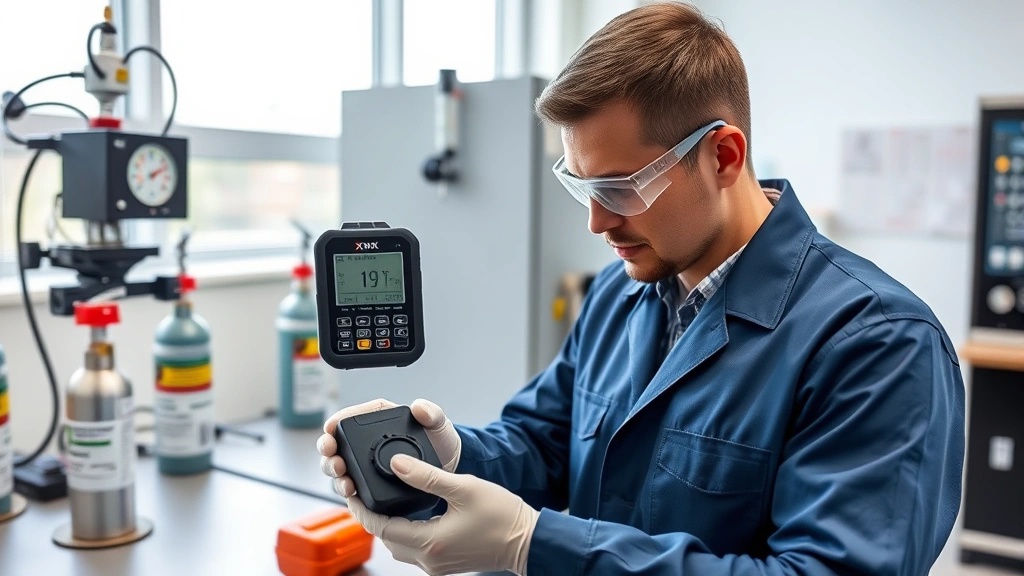
XNX Gas Detector: Calibration Costs & Expert Insights
Gas detection technology plays a critical role in workplace safety, environmental monitoring, and industrial operations. The XNX gas detector stands as one of the most reliable instruments for identifying hazardous gas concentrations across multiple industries. However, understanding the true cost of ownership extends far beyond the initial purchase price—calibration expenses, maintenance requirements, and regulatory compliance form the backbone of responsible gas detection management.
Proper calibration of gas detection equipment ensures accurate readings that protect workers and the environment. This comprehensive guide explores XNX gas detector calibration machine pricing, operational costs, and expert recommendations for maintaining peak performance while supporting your organization’s sustainability and safety goals.
Understanding XNX Gas Detector Technology
The XNX gas detector represents advanced sensor technology designed to detect multiple gas types simultaneously. This multi-gas capability makes it invaluable across industries including oil and gas, chemical manufacturing, mining, confined space operations, and environmental remediation. The device utilizes electrochemical, catalytic bead, and infrared sensors depending on the configuration, allowing organizations to monitor various hazardous substances with a single platform.
Modern gas detection systems like the XNX have revolutionized workplace safety protocols. Unlike older single-gas detectors, multi-gas platforms reduce equipment burden, streamline training requirements, and improve response times during emergency situations. The XNX’s robust design withstands harsh environmental conditions while maintaining sensor accuracy—a critical feature for workers operating in extreme temperatures, high humidity, or corrosive atmospheres.
Understanding the technology behind your gas detection equipment is essential for proper maintenance and calibration planning. The sensors within an XNX detector experience degradation over time due to exposure to target gases, moisture, and environmental contaminants. This natural degradation necessitates regular calibration to ensure readings remain within acceptable accuracy tolerances, typically ±5% of the target gas concentration.
Calibration Requirements and Standards
Regulatory bodies worldwide mandate regular gas detector calibration to maintain workplace safety standards. In the United States, the Occupational Safety and Health Administration (OSHA) requires calibration according to manufacturer specifications and industry best practices. The National Fire Protection Association (NFPA) provides detailed guidelines through standards like NFPA 72, which covers fire alarm and detection systems including gas detection equipment.
Most manufacturers recommend bump testing before each use and full calibration at least annually, though high-use environments may require quarterly or semi-annual calibration. Bump testing involves exposing the detector to a known concentration of target gas to verify sensor response—a quick procedure that takes minutes but provides critical verification that the detector functions properly.
International standards such as ISO 6954 outline procedures for calibrating gas detection equipment. These standards ensure consistency across industries and geographic regions, allowing organizations operating globally to maintain uniform safety protocols. Compliance with these standards protects workers, satisfies legal requirements, and demonstrates corporate responsibility.
The calibration process itself involves exposing sensors to certified calibration gases at known concentrations, then adjusting the detector’s response to match expected values. Professional-grade calibration equipment and sustainable operational practices ensure accuracy while minimizing environmental impact through efficient gas usage and proper waste management.
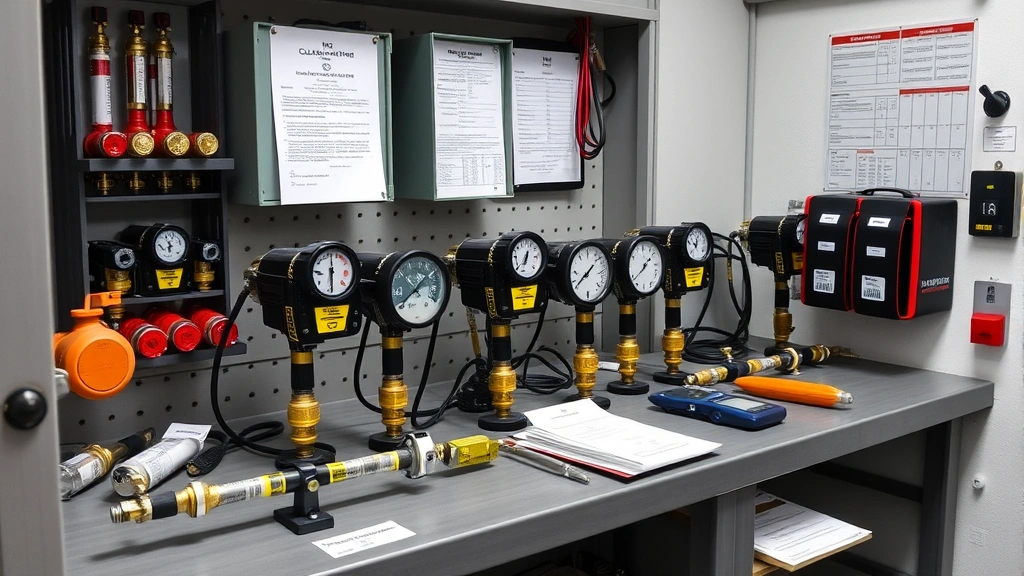
XNX Calibration Machine Price Analysis
The XNX calibration machine price varies significantly based on configuration, capabilities, and features. Entry-level calibration systems designed for single or dual-gas detection start around $2,500 to $4,000. These basic units provide essential calibration functionality for organizations with straightforward requirements and moderate equipment volumes.
Mid-range calibration equipment, suitable for facilities managing 20-50 detectors regularly, typically ranges from $5,000 to $12,000. These systems offer enhanced features including automated gas mixing, multi-channel calibration capability, and detailed reporting functions that streamline documentation for regulatory compliance.
Professional-grade calibration machines designed for high-volume operations, service centers, and equipment manufacturers range from $15,000 to $45,000 or higher. These advanced systems provide simultaneous multi-channel calibration, precise environmental compensation, integrated data management, and connectivity features that facilitate centralized monitoring across multiple locations.
Factors influencing XNX calibration machine price include:
- Gas mixing capability: Manual versus automated mixing systems significantly impact cost and operational efficiency
- Channel quantity: Systems accommodating 1, 2, 4, or 8 simultaneous detector calibrations affect pricing and throughput
- Software integration: Devices with advanced data logging, cloud connectivity, and automated reporting command premium pricing
- Environmental controls: Integrated temperature and pressure compensation systems ensure accuracy across varying conditions
- Certification level: Equipment meeting higher accuracy standards (±2% versus ±5%) costs more but serves specialized applications
- Portability: Bench-top versus portable systems offer different advantages for diverse operational environments
Beyond equipment acquisition costs, organizations must budget for calibration gases, replacement sensors, maintenance supplies, and operator training. These ongoing expenses often exceed initial equipment investment over a five-year period.
Cost Breakdown and Budget Planning
Developing accurate budgets for gas detector calibration requires understanding all associated expenses. Initial equipment investment represents only one component of total cost of ownership. A comprehensive budget should include:
Equipment Costs: The XNX calibration machine price represents the primary capital expense. Organizations should evaluate whether purchasing equipment or outsourcing calibration services proves more cost-effective based on detector volume and usage patterns. As a general rule, facilities maintaining more than 15-20 detectors benefit from equipment ownership within 2-3 years.
Calibration Gas Expenses: Certified calibration gases cost $150 to $400 per cylinder depending on gas type and concentration. Carbon monoxide, hydrogen sulfide, oxygen, and methane cylinders represent the most common requirements. Bulk purchasing and cylinder exchange programs reduce per-use costs.
Maintenance and Consumables: Annual maintenance contracts for calibration equipment typically cost $500 to $2,000 depending on equipment complexity. Replacement sensors, flow meters, regulators, and tubing require periodic replacement, budgeting an additional $1,000 to $3,000 annually for active facilities.
Training and Certification: Proper operator training ensures accurate calibration and equipment longevity. Initial training courses cost $300 to $800 per person, with annual refresher training recommended. Organizations should budget for training multiple staff members to ensure continuity during absences.
Regulatory Compliance Documentation: Maintaining detailed calibration records satisfies regulatory requirements and supports liability protection. Software systems managing these records cost $50 to $200 monthly, though many organizations utilize spreadsheet-based systems for smaller operations.
Outsourcing calibration services eliminates equipment ownership costs but typically costs $75 to $150 per detector per calibration. For organizations with 10 detectors calibrated quarterly, outsourcing costs $3,000 to $6,000 annually—comparable to equipment ownership costs but without capital investment flexibility.
Maintenance Best Practices
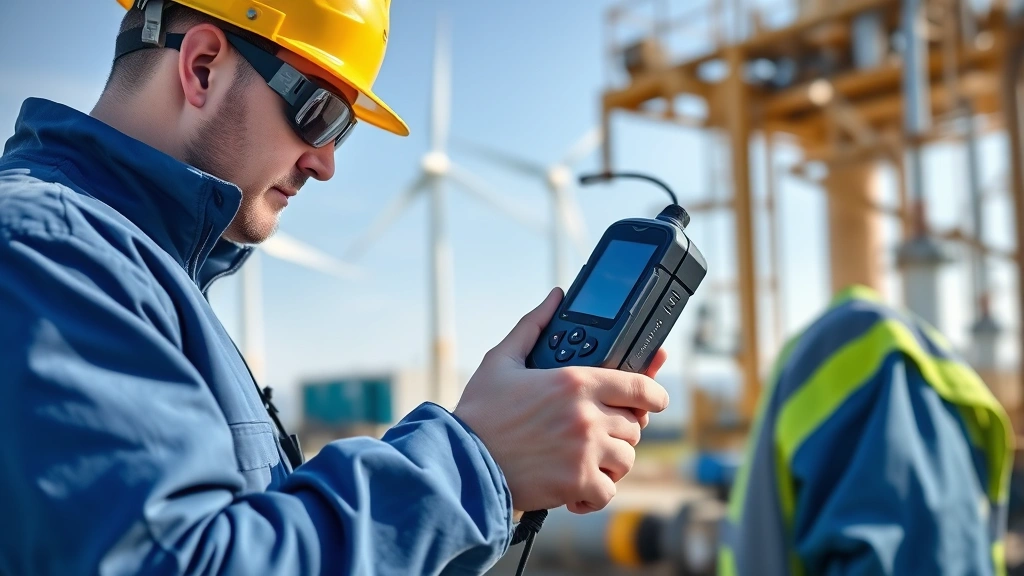
Extending the lifespan of your XNX gas detector and calibration equipment requires implementing comprehensive maintenance protocols. Regular maintenance reduces unexpected failures, ensures consistent accuracy, and maximizes return on investment across your safety equipment portfolio.
Daily Operations: Before each use, visually inspect detectors for physical damage, corrosion, or sensor contamination. Bump test using certified calibration gas to verify sensor response. Document bump test results to establish baseline trending data. Clean detector housing and sensor ports with appropriate materials to prevent contamination.
Monthly Maintenance: Perform detailed sensor inspection under magnification to identify early degradation signs. Replace protective filters if equipped. Verify battery functionality if applicable. Calibrate detectors if they’ve experienced significant use or environmental exposure. Review maintenance logs to identify patterns suggesting accelerated degradation.
Quarterly Operations: Conduct formal calibration procedures according to manufacturer specifications. Perform calibration machine maintenance including flow meter verification, regulator inspection, and tubing condition assessment. Analyze calibration data trends to predict sensor replacement needs. Update maintenance records and generate compliance documentation.
Annual Servicing: Schedule professional equipment servicing for calibration machines. Perform comprehensive detector inspection including sensor replacement if degradation exceeds acceptable limits. Verify software functionality and update databases. Conduct staff training refreshers to ensure consistent procedures. Audit compliance documentation to identify gaps.
Implementing a preventive maintenance schedule prevents costly emergency repairs and maintains consistent safety performance. Organizations should establish clear responsibility assignments, documented procedures, and tracking systems to ensure accountability and compliance with environmental and safety protocols.
Environmental and Safety Impact
Gas detection equipment serves critical functions protecting both worker safety and environmental integrity. Proper calibration directly impacts the effectiveness of these systems, making cost investment in reliable equipment a sound decision from multiple perspectives.
Worker Protection: Accurate gas detection prevents exposure to hazardous substances that cause acute health effects, occupational diseases, and fatalities. The National Institute for Occupational Safety and Health (NIOSH) documents thousands of workplace gas exposure incidents annually, many preventable through proper detection and response. Investing in calibration infrastructure demonstrates organizational commitment to worker wellbeing.
Environmental Monitoring: Beyond workplace safety, gas detectors support environmental compliance and remediation efforts. Facilities monitor air quality, detect fugitive emissions, and respond to environmental incidents. Accurate detection enables rapid response, preventing environmental contamination and protecting surrounding communities.
Regulatory Compliance: Maintaining calibrated equipment satisfies legal requirements across jurisdictions. Non-compliance results in significant penalties, operational shutdowns, and liability exposure. Organizations maintaining proper calibration documentation demonstrate due diligence in safety management.
Sustainable Operations: Modern calibration equipment incorporates efficiency features reducing gas consumption and waste. Organizations implementing proper calibration protocols minimize false alarms that trigger unnecessary responses, reducing operational disruption and environmental impact. As part of broader green technology initiatives, efficient gas detection systems contribute to overall sustainability goals.
Connecting gas detection infrastructure to broader safety and sustainability strategies aligns organizational values with operational practices. Facilities incorporating sustainable energy solutions and modern safety technologies demonstrate comprehensive commitment to responsible operations.
The true value of investing in proper XNX gas detector calibration extends beyond equipment costs. Protected workers, prevented environmental incidents, satisfied regulatory requirements, and operational continuity represent immeasurable benefits justifying equipment investment and maintenance expenses.
FAQ
How often should XNX gas detectors be calibrated?
Manufacturers typically recommend annual calibration for standard use, with bump testing before each use. High-exposure environments may require quarterly calibration. Always follow manufacturer specifications and regulatory requirements for your specific application.
What is the typical lifespan of gas detector sensors?
Electrochemical sensors typically last 2-4 years, while catalytic bead sensors may last 3-5 years. Lifespan depends on exposure frequency, environmental conditions, and target gas concentrations. Proper maintenance and calibration extend sensor life.
Can I use any calibration gas with XNX detectors?
No. Always use certified calibration gases at concentrations specified by the detector manufacturer. Using incorrect gases or concentrations produces inaccurate calibration and may damage sensors.
Is outsourcing calibration more cost-effective than purchasing equipment?
For facilities with fewer than 15 detectors, outsourcing typically proves more economical. Larger operations benefit from equipment ownership within 2-3 years. Calculate your specific scenario based on detector quantity, calibration frequency, and labor costs.
What certifications should calibration technicians have?
Technicians should complete manufacturer-specific training and maintain certifications demonstrating competency. Many organizations require NFPA or industry-specific certifications. Verify technician credentials before engaging calibration services.
How do environmental factors affect calibration accuracy?
Temperature, humidity, and atmospheric pressure influence sensor response. Quality calibration equipment includes environmental compensation features. Maintain stable conditions during calibration procedures for optimal accuracy.
What documentation should I maintain for compliance?
Maintain detailed records including calibration dates, gas concentrations used, sensor responses, technician information, and any corrective actions. Digital systems streamline documentation and simplify regulatory audits.


