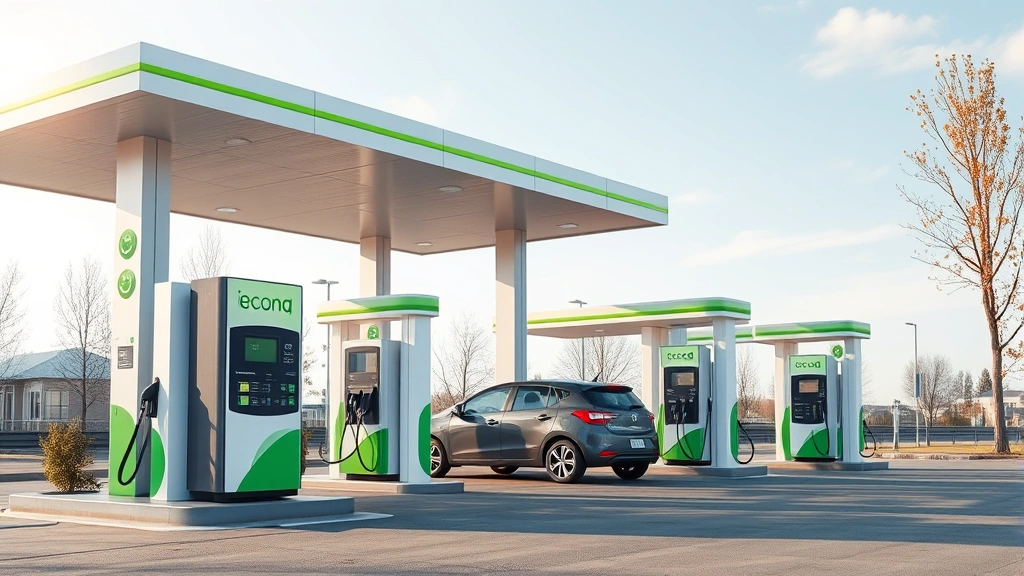
Go Green at GetGo: Sustainable Fuel Insights
In an era where environmental consciousness is reshaping consumer choices, GetGo gas stations and WetGo car wash facilities are emerging as pivotal players in the sustainable transportation ecosystem. As drivers increasingly seek ways to minimize their carbon footprint, understanding the sustainable fuel options and eco-friendly services available at these locations becomes essential. GetGo’s commitment to offering cleaner fuel alternatives and WetGo’s water-efficient washing solutions represent practical steps toward reducing the environmental impact of vehicle ownership and maintenance.
The transportation sector remains one of the largest contributors to greenhouse gas emissions globally. By choosing sustainable energy solutions at accessible fuel stations, consumers can actively participate in climate mitigation efforts. This comprehensive guide explores how GetGo and WetGo are advancing sustainability in the fuel and automotive care industries, providing you with actionable insights to make environmentally responsible decisions at every fill-up and wash.
Understanding GetGo’s Sustainable Fuel Options
GetGo gas stations operate as part of Giant Eagle’s convenience store network, strategically positioned across multiple states to provide accessible fuel solutions. The brand has recognized the shifting landscape of consumer preferences toward cleaner fuels and has incorporated various sustainable fuel options into their service offerings. Among these options, ethanol-blended gasoline represents a significant step toward reducing reliance on purely petroleum-based fuels.
Ethanol blends, commonly available as E10 (10% ethanol) and higher concentrations, offer tangible environmental benefits. Ethanol is a renewable fuel derived from agricultural sources, primarily corn in the United States. When blended with conventional gasoline, it reduces carbon dioxide emissions and decreases dependence on fossil fuels. GetGo’s commitment to stocking these blends makes sustainable fuel choices convenient for everyday drivers. The availability of ethanol-blended fuels at numerous GetGo locations demonstrates how major fuel retailers are responding to environmental imperatives and consumer demand for greener alternatives.
Beyond ethanol blends, GetGo locations are increasingly positioned to support the broader transition toward cleaner transportation. Some locations feature infrastructure supporting alternative fuel vehicles, reflecting the industry’s recognition that the future of sustainable transportation extends beyond traditional gasoline stations. By understanding the fuel options available at GetGo, consumers can make informed decisions that align with their environmental values without sacrificing convenience or vehicle performance.
The Environmental Impact of Fuel Choices
Every gallon of fuel burned in a vehicle releases carbon dioxide and other pollutants into the atmosphere, contributing to climate change and air quality degradation. Traditional petroleum-based gasoline remains the dominant fuel choice, but its environmental cost is substantial. Transportation accounts for approximately 27% of greenhouse gas emissions in the United States, with passenger vehicles responsible for the majority of this figure. By transitioning to cleaner fuel alternatives available at GetGo, drivers can meaningfully reduce their personal carbon emissions.
The production and refinement of conventional gasoline involves extraction, processing, and distribution—each stage generating additional environmental impacts. In contrast, renewable fuel blends like those offered at GetGo require less energy-intensive production processes and reduce lifecycle greenhouse gas emissions. According to EPA renewable fuel standards, ethanol-blended fuels can reduce lifecycle greenhouse gas emissions by 20-30% compared to pure gasoline, depending on production methods and feedstock sources.
Air quality represents another critical dimension of fuel choice impacts. Vehicles using cleaner fuels produce fewer particulate matter and nitrogen oxide emissions, which contribute to smog formation and respiratory health problems. Communities surrounding major transportation corridors experience disproportionate air quality challenges. By supporting GetGo’s sustainable fuel offerings, consumers help reduce local air pollution and protect public health in their communities. Understanding these environmental connections transforms fuel selection from a mere transactional choice into a meaningful environmental action.
WetGo Car Wash: Eco-Friendly Vehicle Maintenance
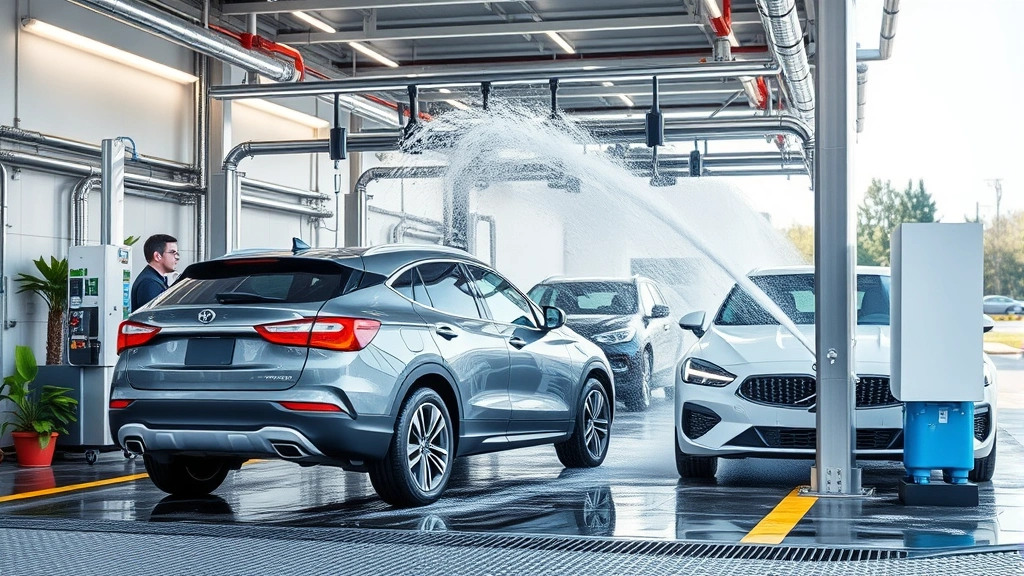
Vehicle maintenance extends beyond fuel selection to include regular washing and care. WetGo car wash facilities, often co-located with GetGo stations, have implemented sustainable practices that minimize water consumption and chemical pollution. Traditional hand washing and conventional car washes consume excessive water and release contaminated runoff into local waterways. WetGo’s approach prioritizes water efficiency and environmental responsibility.
Modern WetGo facilities utilize recirculation systems that filter and reuse wash water, significantly reducing overall consumption. A typical car wash requires 40-50 gallons of water per vehicle with conventional methods, whereas advanced recirculation systems reduce this to 20-30 gallons while maintaining cleaning effectiveness. This innovation represents substantial water conservation, particularly important in water-scarce regions. Over thousands of vehicles annually, WetGo’s water-efficient approach conserves millions of gallons—equivalent to the annual drinking water needs of hundreds of households.
Chemical management constitutes another cornerstone of WetGo’s sustainability commitment. Biodegradable, phosphate-free cleaning solutions prevent water pollution and protect aquatic ecosystems. Conventional car wash chemicals can contaminate groundwater and harm fish and plant life in receiving waters. WetGo’s formulations break down naturally without accumulating toxins in the environment. By choosing WetGo for vehicle maintenance, consumers support practices that protect water resources—a critical environmental priority affecting everything from drinking water availability to ecosystem health.
The integration of WetGo with GetGo creates a comprehensive sustainability ecosystem. Drivers can refuel with cleaner fuel and maintain their vehicles using water-efficient, eco-friendly methods in a single convenient location. This accessibility removes barriers to sustainable choices, making environmentally responsible vehicle care the default option rather than an inconvenient alternative. Such integrated approaches exemplify how businesses can design operations that naturally align consumer convenience with environmental stewardship.
Reducing Your Carbon Footprint at the Pump
While fuel selection matters, maximizing fuel efficiency represents an equally important strategy for reducing your environmental footprint. Every behavioral choice at the pump and on the road influences total emissions. GetGo locations provide the ideal opportunity to implement comprehensive fuel efficiency strategies that compound over time.
Vehicle maintenance directly impacts fuel economy. Properly inflated tires can improve fuel efficiency by 3-5%, while clean air filters and regular tune-ups prevent performance degradation. When visiting GetGo, drivers should check tire pressure and consider the overall vehicle condition. Fuel quality matters as well—premium detergent gasoline formulations available at major retailers like GetGo help maintain fuel injector cleanliness, optimizing combustion efficiency and reducing emissions.
Driving behavior significantly influences fuel consumption. Aggressive acceleration, excessive idling, and speeding all waste fuel and increase emissions. Implementing smooth acceleration, maintaining steady highway speeds (55-65 mph optimizes efficiency), and minimizing idle time can reduce fuel consumption by 15-30%. At GetGo, this mindset extends to how drivers approach refueling—avoiding overfilling and choosing appropriate fuel grades for their vehicles ensures optimal performance and environmental outcomes.
For drivers considering alternatives to conventional vehicles, understanding the advantages of electric vehicles provides perspective on long-term sustainability improvements. While traditional fuel vehicles remain prevalent, transitioning to electric or hybrid vehicles represents the most significant personal emissions reduction opportunity. GetGo’s infrastructure evolution toward supporting alternative fuel vehicles positions consumers to make this transition smoothly when circumstances permit.
Integration with Electric Vehicle Infrastructure
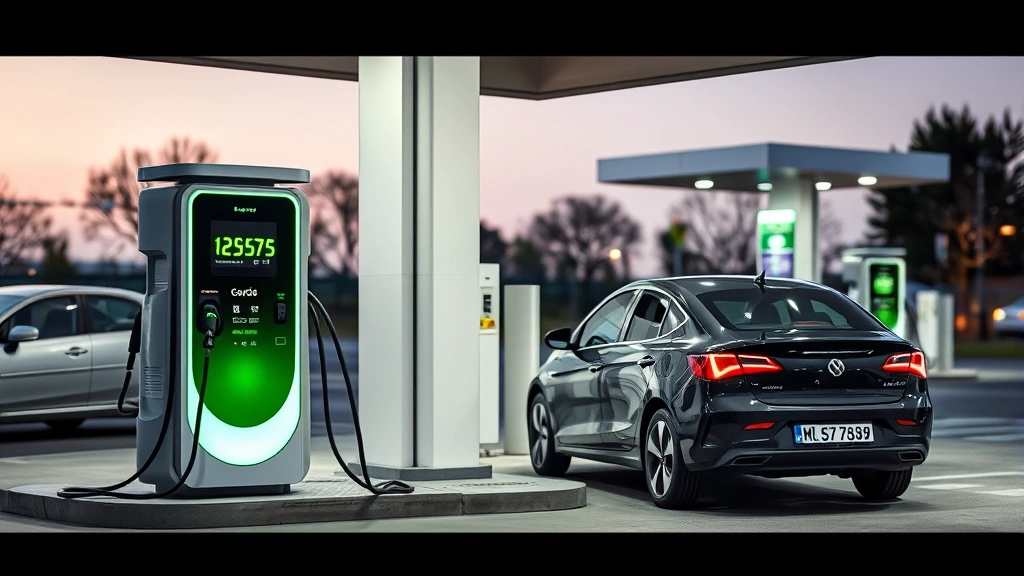
The transportation sector’s sustainable future increasingly centers on electrification. Electric vehicles produce zero tailpipe emissions and demonstrate dramatically lower lifecycle emissions compared to conventional vehicles. Forward-thinking fuel retailers like GetGo recognize this transition and are strategically positioning themselves within the evolving energy landscape. Some GetGo locations now feature electric vehicle charging stations, acknowledging that tomorrow’s sustainable fuel choice may involve no fossil fuels whatsoever.
This infrastructure integration represents more than mere business adaptation—it reflects recognition that sustainability encompasses systemic change. As more consumers adopt electric vehicles, convenient charging access becomes as critical as fuel availability. GetGo’s investment in EV charging infrastructure demonstrates commitment to supporting the entire spectrum of sustainable transportation options. Drivers with electric vehicles can charge while shopping or conducting other errands, removing the inconvenience barrier that previously deterred EV adoption.
The coexistence of traditional fuel stations and EV charging infrastructure creates a transition pathway that acknowledges current transportation realities while facilitating future sustainability improvements. This pragmatic approach respects that vehicle electrification requires time, technological advancement, and infrastructure development. By offering both sustainable fuel blends and EV charging, GetGo serves as a bridge facilitating the transportation sector’s evolution toward environmental responsibility.
Best Practices for Sustainable Fuel Consumption
Implementing sustainable fuel practices requires understanding specific strategies that maximize environmental benefits. GetGo’s comprehensive offerings enable drivers to optimize their sustainability impact through informed choices and behavioral adjustments. The following practices represent evidence-based approaches to reducing transportation emissions while maintaining practical, convenient vehicle operation.
Select Ethanol-Blended Fuels Strategically: E10 fuel (10% ethanol) is compatible with virtually all vehicles manufactured after 1980, making it an accessible entry point for sustainable fuel use. Drivers should verify their vehicle’s fuel specifications before using higher ethanol blends like E15 or E85, which require compatible fuel systems. GetGo’s clearly labeled fuel grades simplify this decision-making process.
Maintain Optimal Vehicle Condition: Regular maintenance directly impacts fuel efficiency and emissions. Scheduled oil changes, air filter replacements, and fuel system cleanings maintain engine performance. Clean engines burn fuel more completely, reducing both emissions and fuel consumption. Tire maintenance proves particularly important—underinflated tires increase rolling resistance and fuel consumption by measurable amounts.
Implement Efficient Driving Techniques: Smooth acceleration, steady highway speeds, and minimized idling collectively reduce fuel consumption by 15-30%. These behavioral changes cost nothing and immediately impact emissions. Planning efficient routes that minimize distance and avoid congested periods further optimizes fuel use. Over a vehicle’s lifetime, efficient driving habits reduce emissions equivalent to planting dozens of trees.
Combine Fuel and Wash Services: Utilizing WetGo’s eco-friendly car wash services alongside GetGo’s sustainable fuels creates comprehensive environmental responsibility. Clean vehicles experience slightly improved aerodynamic efficiency, and water-efficient washing prevents environmental contamination. This integrated approach demonstrates how multiple sustainable choices compound into meaningful impact.
Track and Monitor Fuel Economy: Modern vehicles provide real-time fuel economy feedback through dashboard displays. Monitoring this data helps drivers understand how behaviors and conditions affect consumption. Comparing fuel economy across fill-ups at GetGo reveals the impact of driving habits, vehicle maintenance, and fuel selection. This feedback loop encourages continued optimization.
Support Sustainable Fuel Innovation: By consistently choosing ethanol-blended and other sustainable fuels at GetGo, consumers signal market demand for these products. This consumer support encourages continued retail availability and investment in cleaner fuel infrastructure. Individual purchasing decisions collectively shape industry direction toward greater environmental responsibility.
Exploring green technology innovations transforming our future reveals how transportation sustainability extends beyond current options. Hydrogen fuel cells, advanced biofuels, and synthetic fuels represent emerging technologies that may further reduce transportation emissions. Staying informed about these developments helps consumers make forward-looking sustainability decisions.
FAQ
Is ethanol-blended fuel safe for my vehicle?
Yes, E10 fuel is safe for virtually all vehicles manufactured after 1980. The U.S. Environmental Protection Agency has approved E10 for all gasoline-powered vehicles, and major automakers explicitly support its use. Ethanol-blended fuel meets the same quality and performance standards as conventional gasoline while delivering environmental benefits. For higher ethanol concentrations like E15 or E85, verify your vehicle’s fuel compatibility in the owner’s manual.
Does ethanol-blended fuel reduce fuel economy?
Ethanol contains slightly less energy than pure gasoline, potentially resulting in 2-5% lower fuel economy. However, this minor reduction is offset by environmental benefits and reduced fossil fuel dependence. The price advantage of ethanol-blended fuels at most GetGo locations typically compensates for slightly lower mileage, making the overall cost-benefit favorable for environmentally conscious drivers.
How much water does WetGo’s car wash save?
WetGo’s recirculation systems reduce water consumption from 40-50 gallons per vehicle to approximately 20-30 gallons—a 40-50% reduction compared to conventional methods. Over a year, a busy location washing hundreds of vehicles daily conserves millions of gallons. This water conservation proves particularly valuable in drought-prone regions where water scarcity threatens agriculture and drinking water availability.
Can I charge an electric vehicle at GetGo locations?
Many GetGo locations now feature electric vehicle charging stations, though availability varies by location. Drivers should check the GetGo website or use EV charging apps to locate nearby charging infrastructure. As EV adoption accelerates, GetGo continues expanding charging network coverage, making electric vehicle ownership increasingly convenient.
What is the environmental impact of switching to sustainable fuel?
Switching to ethanol-blended fuel reduces lifecycle greenhouse gas emissions by 20-30% compared to pure gasoline. Over a vehicle’s 200,000-mile lifespan, choosing ethanol blends prevents approximately 5-10 tons of CO2 equivalent emissions. Combined with efficient driving practices and vehicle maintenance, sustainable fuel choices meaningfully reduce personal transportation emissions and support broader climate mitigation efforts.
How do I maximize fuel efficiency at GetGo?
Select appropriate fuel grades for your vehicle, maintain proper tire pressure, and keep your engine well-maintained. Implement efficient driving techniques including smooth acceleration and steady highway speeds. Monitor fuel economy data through your vehicle’s dashboard display to track improvements. These practices, combined with sustainable fuel selection, optimize both environmental impact and fuel costs.
Are WetGo’s cleaning products environmentally safe?
Yes, WetGo utilizes biodegradable, phosphate-free cleaning solutions that break down naturally without accumulating environmental toxins. These formulations prevent water pollution and protect aquatic ecosystems. The facility’s water recirculation system further ensures that cleaned water meets environmental standards before discharge, making WetGo a genuinely sustainable vehicle maintenance option.


