
Are Gas Scooters Eco-Friendly? Expert Insights on Environmental Impact
Gas scooters have become increasingly popular as a convenient mode of urban transportation, promising quick commutes and affordability. However, the critical question remains: are these fuel-powered vehicles truly eco-friendly? While they may seem like a lightweight alternative to cars, the environmental reality is far more complex. Understanding the emissions profile, resource consumption, and lifecycle impact of gas scooters is essential for making informed transportation choices.
This comprehensive guide examines whether gas scooters live up to their reputation as sustainable transport options, comparing them with electric alternatives and exploring the broader environmental implications of our mobility choices. We’ll analyze emissions data, manufacturing impacts, and practical alternatives that can help you reduce your environmental footprint while maintaining convenient urban mobility.
Emissions Analysis of Gas Scooters
Gas scooters produce significant greenhouse gas emissions during operation. A typical 50cc gas scooter emits approximately 50-100 grams of CO2 per kilometer, depending on engine efficiency and riding conditions. While this seems modest compared to cars, it’s substantially higher than electric alternatives and represents a meaningful contribution to urban air pollution.
The primary pollutants from gas scooters include carbon dioxide (CO2), nitrogen oxides (NOx), and particulate matter. These emissions contribute directly to climate change and air quality degradation in urban areas. According to research from environmental monitoring agencies, two-stroke engines—common in smaller scooters—are particularly problematic, producing up to 40 times more pollution than modern cars per unit of fuel burned.
Beyond carbon emissions, gas scooters release volatile organic compounds (VOCs) that participate in ground-level ozone formation, a major air pollutant affecting respiratory health. The incomplete combustion in small gasoline engines creates toxic byproducts that accumulate in populated urban centers where scooters are most commonly used.
Manufacturing and Lifecycle Impact
The environmental assessment of gas scooters must include their entire lifecycle, from raw material extraction through manufacturing, distribution, use, and eventual disposal. Manufacturing a gas scooter requires energy-intensive processes for metal fabrication, engine production, and assembly.
A typical gas scooter’s carbon footprint during manufacturing ranges from 300-500 kg CO2 equivalent. This initial environmental debt must be offset by years of lower-impact operation to achieve net environmental benefits. However, the short operational lifespan of many scooters—often 5-8 years—means this manufacturing impact remains significant relative to their usage period.
Materials sourcing presents additional concerns. Steel, aluminum, and plastic components require extractive industries that damage ecosystems. Engine components often involve rare earth elements and specialized alloys with substantial environmental costs. When considering sustainable energy solutions, the manufacturing phase becomes increasingly important in determining overall environmental viability.
End-of-life disposal creates further environmental challenges. Gas scooters contain hazardous materials including used motor oil, fuel residues, and battery components that require proper recycling. Many scooters end up in landfills where these materials can leach into soil and groundwater, creating long-term environmental damage.
Gas vs Electric Scooters: A Direct Comparison
When comparing gas and electric scooters directly, electric models demonstrate superior environmental performance across virtually all metrics. An electric scooter produces zero direct emissions during operation and generates approximately 50-70% fewer lifecycle emissions than gas-powered alternatives, even when accounting for electricity generation from mixed power grids.
The advantages of advantages of electric vehicles extend to scooters as well. Electric scooters offer quieter operation, lower maintenance requirements, and reduced operational costs. A single electric charge costs approximately $0.05-0.15, compared to $1-2 for equivalent gasoline operation.
Manufacturing emissions for electric scooters are higher initially due to battery production, with lifecycle carbon payback periods of 6-12 months. After this point, electric scooters provide cleaner transportation for their remaining operational life. As electrical grids increasingly incorporate renewable energy sources, the environmental advantage of electric scooters grows substantially.
Operational efficiency represents another critical advantage. Electric motors convert 85-90% of electrical energy into motion, while internal combustion engines achieve only 20-30% efficiency. This fundamental thermodynamic difference means gas scooters waste considerably more energy as heat, requiring more fuel to travel equivalent distances.
Fuel Consumption and Efficiency Metrics
Gas scooters typically achieve fuel economy ratings of 35-65 miles per gallon, which appears reasonable until compared against electric alternatives. This translates to approximately 3.6-6.7 liters per 100 kilometers, seemingly efficient but misleading when considering total energy consumption.
The complete energy chain matters significantly. A gallon of gasoline contains approximately 33.7 kilowatt-hours of chemical energy. However, internal combustion engines waste 70-80% of this energy as heat, meaning only 6-10 kilowatt-hours propels the scooter forward. Electric scooters charging from the grid require only 0.5-1 kilowatt-hour per 10 kilometers, representing dramatically superior energy utilization.
Seasonal variations affect gas scooter efficiency considerably. Cold weather increases viscosity in fuel and oil, reducing combustion efficiency and increasing emissions. Electric scooters experience minimal performance degradation in cold conditions, maintaining consistent efficiency year-round. This makes electric alternatives particularly advantageous in temperate climates with significant seasonal variation.
Maintenance requirements directly impact fuel consumption. Gas scooters demand regular tune-ups, oil changes, spark plug replacements, and air filter cleaning. Neglected maintenance increases emissions and fuel consumption by 10-20%. Electric scooters eliminate these requirements, maintaining consistent performance without fuel-consuming maintenance neglect.
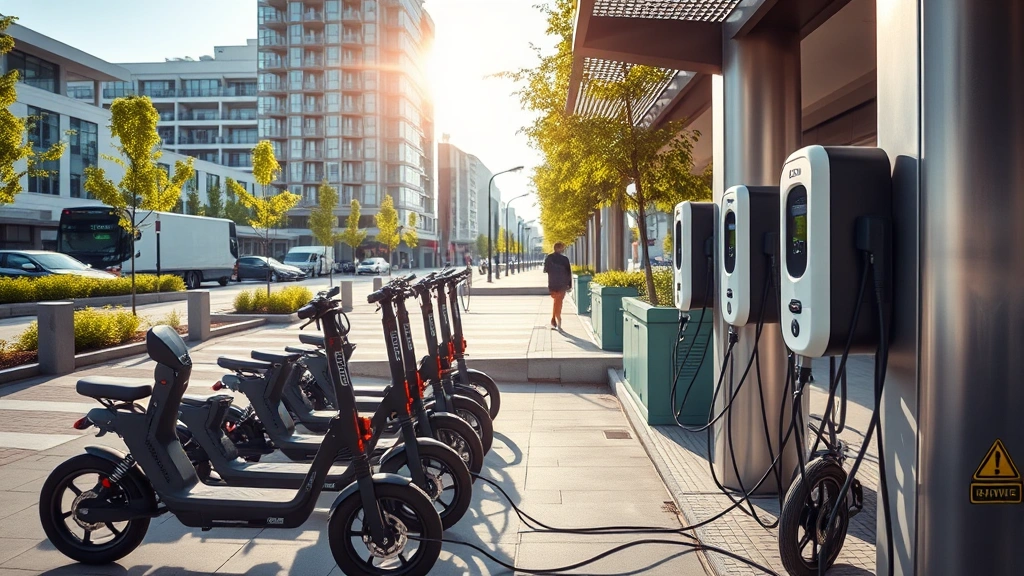
” alt=”Electric scooter charging station with multiple vehicles plugged in during sunny afternoon, modern urban setting”>
Health and Environmental Consequences of Gas Scooter Emissions
The health impacts of gas scooter emissions extend far beyond climate change. Urban areas with high scooter traffic experience elevated nitrogen dioxide (NO2) and particulate matter (PM2.5) concentrations, both linked to respiratory diseases, cardiovascular problems, and premature mortality.
Particulate matter from gas scooters penetrates deep into lung tissue, causing inflammation and reducing oxygen absorption capacity. Children and elderly individuals face heightened vulnerability, with studies showing 15-30% increased respiratory illness rates in high-traffic urban areas. The World Health Organization attributes over 7 million annual deaths globally to air pollution, with vehicle emissions as a primary contributor.
Nitrogen oxides from gas scooters contribute to acid rain formation and ground-level ozone production. Ozone exposure reduces lung function, increases asthma attacks, and impairs athletic performance. Communities surrounding busy scooter rental stations report elevated asthma hospitalization rates, particularly among vulnerable populations.
Environmental contamination extends to soil and water systems. Fuel spills, oil leaks, and improper disposal of scooter waste contaminate groundwater with hydrocarbons and heavy metals. Urban runoff carries these pollutants into storm drains, ultimately reaching rivers and coastal ecosystems where they accumulate in food chains.
Noise pollution from gas scooters creates additional health impacts often overlooked in environmental assessments. Engine noise exceeding 80 decibels increases stress hormone levels, impairs sleep quality, and contributes to cardiovascular disease. Electric scooters operate at 60-65 decibels, comparable to normal conversation, eliminating this health burden.
Sustainable Transportation Alternatives to Gas Scooters
Multiple transportation options provide superior environmental performance compared to gas scooters. Understanding these alternatives empowers informed choices aligned with how to reduce your environmental footprint.
Electric Scooters: The most direct replacement for gas scooters, offering zero emissions, lower operational costs, and comparable convenience. Modern electric scooters achieve ranges of 30-50 kilometers per charge, sufficient for most urban commutes.
Bicycles and E-Bikes: Traditional bicycles produce zero emissions and provide health benefits through physical activity. Electric bicycles offer motorized assistance for longer distances or hillier terrain while maintaining minimal environmental impact. E-bikes consume 1-2 kilowatt-hours per 100 kilometers, among the lowest energy transportation options available.
Public Transportation: Buses and trains, particularly those powered by electricity or renewable fuels, distribute passenger weight across multiple users, dramatically reducing per-capita emissions. A single bus passenger generates 70-80% fewer emissions than a private vehicle operator.
Walking: For distances under 2 kilometers, walking remains the most sustainable option with zero emissions, zero costs, and health benefits. Urban planning that prioritizes pedestrian infrastructure encourages walking adoption.
Carpooling and Ride-Sharing: Sharing vehicle capacity reduces per-passenger emissions significantly. Four passengers in one vehicle generates 75% fewer emissions than four individual car trips, though gas scooters remain more efficient than single-occupancy vehicles.
When considering propane vs natural gas for other applications, similar lifecycle analysis principles apply—understanding complete environmental costs reveals that alternatives often provide superior sustainability profiles.

” alt=”Urban bicycle lane with multiple cyclists riding during morning commute, green trees lining the street, sunny weather”>
Consumer Responsibility and Making Sustainable Choices
Individual transportation choices aggregate into significant environmental impacts. Selecting electric scooters over gas alternatives prevents approximately 500-800 kg CO2 emissions annually per user. Multiplied across millions of urban commuters, this represents meaningful climate action.
Consumers evaluating scooter options should prioritize lifecycle environmental assessments over single-metric comparisons. A scooter’s apparent affordability disappears when accounting for fuel costs, maintenance expenses, and environmental externalities. Electric alternatives typically achieve lower total cost of ownership within 2-3 years.
Responsible scooter use extends beyond model selection. Proper maintenance maximizes efficiency and extends operational lifespan, reducing per-kilometer environmental impact. Avoiding excessive speed and aggressive acceleration improves efficiency and safety simultaneously.
Supporting policy initiatives promoting electric scooter infrastructure accelerates market transformation. Cities implementing scooter-friendly infrastructure, charging stations, and regulatory frameworks encouraging zero-emission options create conditions where sustainable choices become convenient defaults rather than difficult alternatives.
Understanding environmental sustainability examples demonstrates how individual choices compound into systemic change. Communities transitioning from gas scooters to electric alternatives improve air quality, reduce noise pollution, and create healthier urban environments for all residents.
Returning to the original question: are gas scooters eco-friendly? The evidence clearly indicates they are not. While lighter than cars, gas scooters produce substantial emissions, consume energy inefficiently, and create health impacts disproportionate to their utility. Electric alternatives offer superior environmental performance across every meaningful metric, making them the responsible choice for sustainability-conscious consumers.
Frequently Asked Questions
Do gas scooters produce less pollution than cars?
While gas scooters appear more efficient due to better fuel economy ratings, two-stroke engines common in smaller scooters produce 40 times more pollution per liter of fuel than modern cars. On a per-kilometer basis, gas scooters generate more emissions than efficient vehicles and comparable emissions to inefficient SUVs.
How long do gas scooters last before requiring replacement?
Average gas scooter lifespan ranges from 5-8 years with proper maintenance, though many are discarded earlier due to wear or damage. This relatively short operational life means manufacturing emissions remain significant relative to total environmental impact, particularly compared to electric alternatives with similar lifespans but lower operational emissions.
Are electric scooters truly environmentally friendly if electricity comes from fossil fuels?
Yes, electric scooters demonstrate superior environmental performance even with fossil fuel-based electricity grids. Grid electricity generation achieves 40-50% efficiency while converting chemical energy to electrical power, still superior to internal combustion engines at 20-30%. As grids incorporate increasing renewable percentages, electric scooter advantages expand substantially.
What’s the environmental cost of manufacturing electric scooter batteries?
Battery manufacturing generates 100-200 kg CO2 equivalent per kilowatt-hour capacity. A typical electric scooter battery (0.5-1 kWh) creates 50-200 kg manufacturing emissions. This carbon debt is repaid within 6-12 months of typical usage, after which the scooter operates with minimal environmental impact for its remaining lifespan.
Can gas scooters be made more environmentally friendly through modifications?
Modifications improving gas scooter efficiency provide marginal benefits—perhaps 10-15% emission reductions—but cannot overcome fundamental inefficiencies of internal combustion technology. Even optimized gas scooters remain substantially less efficient and more polluting than electric alternatives, making engine replacement rather than optimization the most effective upgrade path.
Are there sustainable gas alternatives for scooters?
Biofuels and synthetic fuels offer marginal improvements to gas scooter sustainability, reducing lifecycle carbon by 20-40% compared to fossil gasoline. However, these alternatives remain substantially less efficient than electrification and create land-use and food security concerns. Electric conversion remains the most sustainable transformation path.


