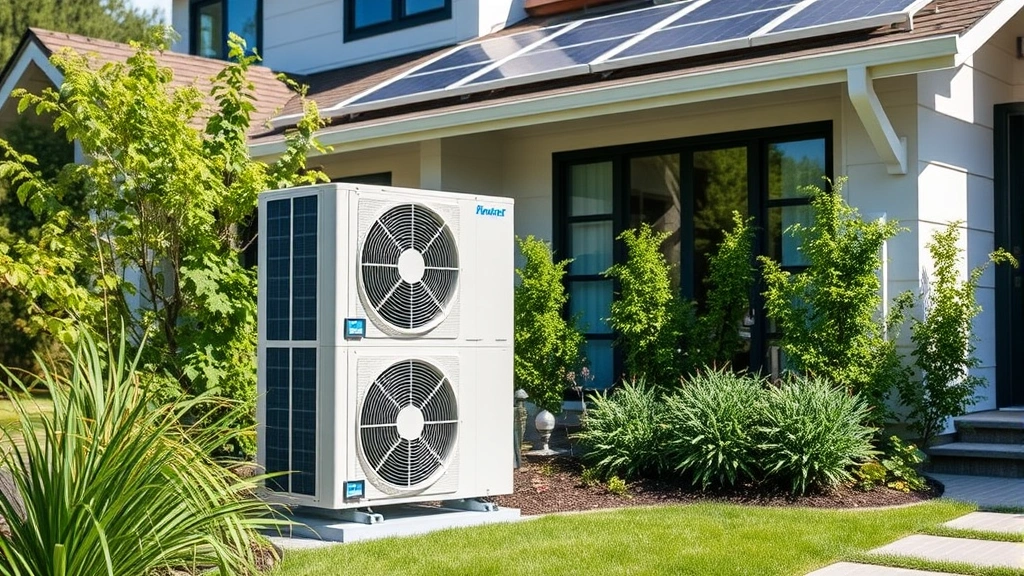
Is Gas Furnace Installation Sustainable? Expert Opinion
When homeowners face the decision of installing a new heating system, sustainability concerns increasingly influence their choices. Gas furnace installation remains one of the most common heating solutions in North America, yet environmental experts continue to debate whether this traditional approach aligns with modern sustainability goals. The answer is nuanced: while gas furnaces offer certain practical advantages, they fundamentally conflict with climate commitments and long-term environmental responsibility.
The heating sector accounts for approximately 10% of global carbon dioxide emissions, making furnace selection a decision with measurable environmental consequences. As we examine whether gas furnace installation represents a sustainable choice, we must consider carbon emissions, technological alternatives, regulatory trends, and the true cost of fossil fuel dependency. This comprehensive analysis draws from industry experts, environmental research, and emerging heating technologies to provide clarity on this important household decision.
Environmental Impact of Gas Furnace Installation
Gas furnace installation involves more than simply connecting pipes and starting the system. The environmental footprint begins with manufacturing, extends through installation processes, and continues throughout the system’s operational lifetime. Modern gas furnaces achieve efficiency ratings between 90-98%, meaning they convert most fuel into usable heat rather than wasting it through exhaust. However, this efficiency metric addresses only operational performance, not the underlying sustainability question of burning fossil fuels.
Natural gas, while cleaner than coal or oil, remains a fossil fuel extracted through environmentally disruptive processes. Natural gas news coverage increasingly highlights methane leakage concerns throughout the supply chain. Methane possesses a global warming potential 28-34 times greater than carbon dioxide over a 100-year period, meaning even small leaks during extraction, processing, and transportation significantly amplify the climate impact of gas heating systems.
The installation process itself generates minimal direct environmental damage, but it represents a commitment to decades of fossil fuel consumption. Most gas furnaces operate for 15-20 years, locking homeowners into continuous natural gas dependency during a critical period when renewable energy infrastructure is rapidly expanding. This temporal consideration matters enormously when evaluating sustainability: choosing a gas furnace today means postponing transition to cleaner technologies precisely when climate action urgently requires acceleration.
Carbon Emissions and Climate Contribution
A typical household using a gas furnace for heating produces approximately 4-6 metric tons of carbon dioxide equivalent annually, depending on climate zone, home insulation, and usage patterns. Over a furnace’s 17-year average lifespan, this translates to roughly 68-102 metric tons of emissions from a single heating system in one home. Scaled across millions of residential gas furnaces operating simultaneously, the cumulative climate impact becomes staggering.
Research from the Environmental Protection Agency (EPA) documents that residential heating accounts for nearly 11% of total U.S. greenhouse gas emissions. Gas furnaces represent the largest contributor to this category, making furnace selection a directly measurable climate decision. When multiplied across residential, commercial, and industrial applications, natural gas heating systems contribute substantially to the emissions trajectory that prevents achievement of net-zero climate targets.
The carbon intensity of natural gas heating varies by region based on electricity grid composition. In areas where electricity comes primarily from renewable sources, sustainable energy solutions like heat pumps demonstrate dramatically lower emissions profiles than gas furnaces. Conversely, in regions still dependent on coal or natural gas for electricity generation, the advantage diminishes but typically remains favorable for electric heating systems as grids decarbonize.
Lifecycle analysis studies consistently demonstrate that gas furnaces produce 40-60% more greenhouse gas emissions than modern heat pump systems when accounting for the full operational period. This differential widens as electricity grids incorporate increasing renewable capacity, making the choice between gas and electric heating increasingly consequential from a climate perspective.
Comparison with Sustainable Heating Alternatives
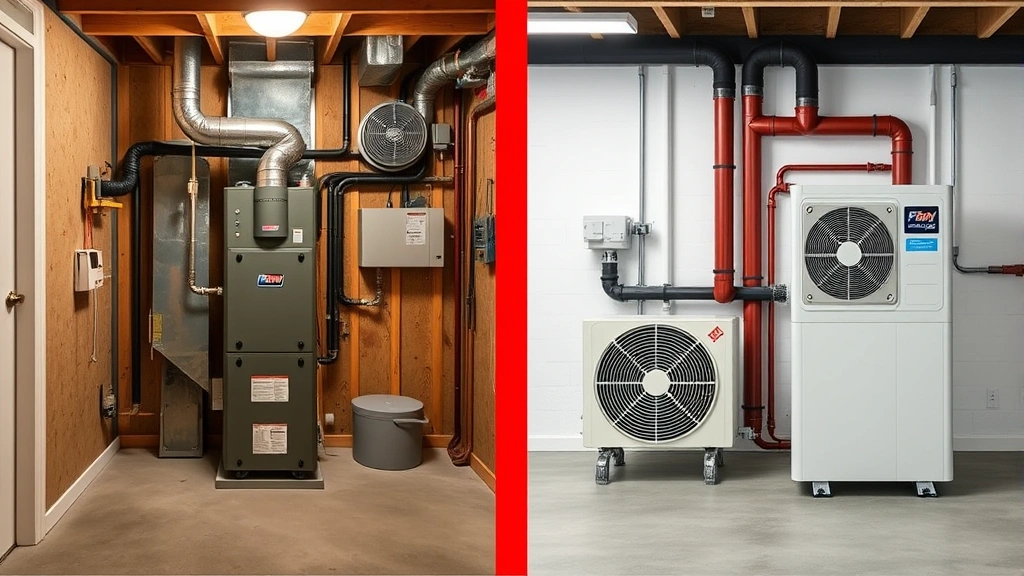
Modern heating technology offers several alternatives to traditional gas furnace installation, each with distinct sustainability profiles. Heat pump technology represents the most developed alternative, utilizing electricity to transfer heat from outdoor air, ground, or water sources into homes. Air source heat pumps operate efficiently even in cold climates, while ground source (geothermal) heat pumps achieve exceptional performance by accessing stable underground temperatures. Both technologies produce 2-4 times more heating energy than the electrical energy they consume, dramatically reducing emissions compared to direct fuel combustion.
Hybrid systems combining heat pumps with backup gas furnaces offer transitional solutions for homeowners in cold climates, optimizing performance while reducing reliance on fossil fuels. These systems automatically switch to heat pump operation during moderate weather and engage gas heating only during extreme cold periods, reducing annual gas consumption by 30-50% compared to conventional furnaces. For homeowners unable to immediately transition completely away from gas, hybrid approaches represent meaningful progress toward sustainability.
Renewable heating solutions including solar thermal systems, biomass boilers, and wood pellet furnaces provide alternatives in specific contexts. Solar thermal systems excel in sunny climates, pre-heating water or providing supplemental space heating. Biomass and pellet systems can approach carbon neutrality if sourced from sustainably managed forests, though air quality considerations and supply chain logistics complicate their sustainability assessment. Green technology innovations continue transforming heating options, expanding viable alternatives beyond traditional gas furnace installation.
District heating systems, common in Scandinavian countries and increasingly deployed in North America, distribute heat from centralized sources including waste heat recovery, geothermal energy, and renewable sources. These systems eliminate individual furnace requirements and enable optimization across entire communities, achieving 30-40% greater efficiency than building-level heating systems. However, infrastructure requirements limit current availability to new developments and urban renewal projects.
Regulatory Landscape and Future Standards
Regulatory trends increasingly disfavor gas furnace installation, particularly in progressive jurisdictions prioritizing climate commitments. California has implemented building standards requiring electric heating in new residential construction, effectively phasing out gas furnaces for new homes. New York City has enacted regulations targeting elimination of fossil fuel heating systems in existing buildings by 2050, with interim benchmarks requiring efficiency improvements and emissions reductions. Similar regulations are advancing in Canada, the European Union, and other regions establishing net-zero building targets.
These regulatory shifts reflect scientific consensus that achieving climate goals requires rapid decarbonization of heating systems. The Intergovernmental Panel on Climate Change (IPCC) identifies heating system decarbonization as essential for limiting global warming to 1.5 degrees Celsius. Governments worldwide are implementing policies including building performance standards, gas utility regulations, and electrification incentives to accelerate this transition.
Homeowners installing gas furnaces today should anticipate potential future regulations affecting system operation, maintenance, or replacement timelines. Properties with gas heating may face higher property taxes, reduced resale value, or mandatory upgrades as climate policies intensify. Conversely, homes with electric heating systems and renewable energy integration position occupants advantageously within emerging regulatory frameworks, potentially increasing long-term property value and marketability.
Financial incentives increasingly support alternatives to gas furnace installation. Federal tax credits, state rebates, utility incentive programs, and green financing options reduce the cost differential between gas and electric heating systems. How to reduce your environmental footprint guides often detail available incentives for sustainable heating upgrades, making transitions more financially accessible than historical perspectives suggested.
Cost Analysis: Short-Term vs. Long-Term Sustainability

Gas furnace installation costs typically range from $3,000-$7,000 including equipment and labor, with operating costs between $800-$2,000 annually depending on climate and usage. This apparent affordability makes gas furnaces attractive for cost-conscious homeowners, particularly in upfront investment comparisons. However, comprehensive lifecycle cost analysis reveals a more complex picture when sustainability considerations factor into decision-making.
Heat pump systems cost $5,000-$15,000 for air source models and $15,000-$30,000 for geothermal installations, representing higher initial investment. However, superior efficiency translates to operating cost savings of 30-50% compared to gas furnaces, recovering the initial cost premium within 7-12 years depending on local energy prices and climate. Over a 20-year period, heat pump systems typically cost 20-40% less in total operating expenses, while eliminating fossil fuel dependency entirely.
Hidden costs associated with gas furnace installation extend beyond visible utility bills. Methane leakage from gas supply infrastructure imposes climate costs not reflected in consumer pricing, representing what economists term negative externalities. If carbon pricing mechanisms fully reflected true climate costs, natural gas heating would appear substantially more expensive than current market prices indicate. Several jurisdictions have implemented carbon pricing or are considering it, which would further shift economic advantage toward electric heating systems.
Maintenance costs differ between heating system types. Gas furnaces require annual inspections, filter replacements, and periodic component repairs, accumulating to $200-$500 annually. Heat pumps demand less frequent servicing but may require professional maintenance for refrigerant management, accumulating similar costs. However, heat pump systems typically demonstrate greater longevity, with 15-20 year lifespans matching or exceeding gas furnace durability while providing superior efficiency throughout operational periods.
Resale value implications increasingly favor homes with electric heating systems as buyers prioritize sustainability and operating cost efficiency. Real estate markets in progressive regions demonstrate measurable price premiums for homes with heat pumps, solar thermal systems, or other renewable heating technologies. Conversely, properties with aging gas furnaces may face buyer hesitation or valuation penalties as climate consciousness spreads among homebuyers.
Expert Recommendations for Homeowners
Environmental sustainability experts consistently recommend against new gas furnace installation except in specific circumstances with significant constraints. The consensus position reflects recognition that gas heating fundamentally conflicts with climate commitments and that viable alternatives now exist for most residential applications. However, expert recommendations acknowledge practical realities including existing infrastructure, regional electricity grid composition, and financial constraints affecting real-world decisions.
For homeowners with functioning gas furnaces requiring replacement, experts recommend prioritizing heat pump installation whenever feasible. Air source heat pumps operate effectively in virtually all North American climates, including extreme cold regions where previous technology limitations existed. Modern cold-climate heat pumps maintain efficiency to -30°F, eliminating historical objections to electric heating in northern regions. Incentive programs frequently offset the higher upfront cost, making heat pump installation financially comparable to gas furnace replacement.
Homeowners unable to immediately transition away from gas should consider hybrid heat pump and gas furnace systems as intermediate solutions. These systems reduce annual gas consumption while maintaining backup capacity for extreme weather events, providing pragmatic paths toward complete decarbonization. Hybrid systems also facilitate smoother transitions for households with budget constraints, allowing phased investment in renewable heating infrastructure.
Property-specific factors should inform heating system decisions. Homes with existing electric service capacity, sufficient space for equipment installation, and access to incentive programs demonstrate optimal conditions for heat pump installation. Conversely, rural properties distant from electricity infrastructure, buildings with severe space limitations, or homes in regions with extremely cold climates might temporarily justify gas furnace installation while pursuing longer-term renewable heating strategies.
Expert consensus emphasizes that gas furnace installation decisions made today represent choices locking households into fossil fuel dependency during a critical climate action period. Even when practical constraints justify gas heating in specific circumstances, experts recommend viewing such installations as temporary measures rather than permanent solutions, with explicit plans for transitioning to sustainable heating systems within 10-15 years.
Making the Transition to Greener Solutions
Transitioning away from gas furnace installation toward sustainable heating represents an achievable goal for most households, though implementation strategies should reflect individual circumstances. The transition process begins with comprehensive energy audits identifying opportunities for insulation improvements, air sealing, and other weatherization measures that reduce heating demands. These foundational efficiency improvements minimize heating system size requirements, reducing equipment costs and enhancing overall system performance.
Homeowners should investigate available incentive programs before making heating system decisions. Federal investment tax credits currently cover 30% of heat pump installation costs, with enhanced incentives available through state and utility programs. These incentives frequently narrow or eliminate the cost differential between gas furnace installation and heat pump systems, fundamentally altering economic decision-making. The U.S. Department of Energy’s heating and cooling resources provide comprehensive information on incentive availability and heat pump performance characteristics.
Renewable energy integration enhances sustainability benefits of electric heating systems. Homeowners installing heat pumps should simultaneously explore solar photovoltaic systems, which pair ideally with electric heating to achieve net-zero energy performance. This integrated approach leverages complementary incentive programs while optimizing long-term operating cost efficiency. Battery storage systems add another layer, enabling heating operation during grid outages and maximizing renewable energy utilization.
Community and grid-level solutions complement building-level heating transitions. Supporting renewable energy development, advocating for grid modernization investments, and participating in demand response programs accelerates the decarbonization of electricity systems, enhancing the sustainability benefits of electric heating adoption. SustainWise Hub Blog regularly features articles on community-scale sustainability initiatives complementing individual household decisions.
Long-term planning should view heating system decisions as part of comprehensive home electrification strategies. Alongside furnace replacement, homeowners should consider electrifying water heating, cooking, and vehicle charging, creating fully electric homes powered by renewable energy. This integrated approach delivers maximum climate benefits while optimizing equipment efficiency and minimizing operating costs across all household energy uses.
FAQ
Is a gas furnace more efficient than a heat pump?
Gas furnaces achieve 90-98% efficiency at converting fuel to heat, while heat pumps deliver 200-400% efficiency by moving existing heat rather than generating it. This means heat pumps produce 2-4 times more heating energy per unit of electrical input than gas furnaces produce per unit of fuel input, making heat pumps substantially more efficient overall despite lower percentage ratings.
Can heat pumps work in very cold climates?
Modern air source heat pumps operate efficiently in cold climates down to -30°F, addressing historical limitations that made gas furnaces necessary in northern regions. Ground source heat pumps work effectively in any climate. However, hybrid systems combining heat pumps with backup heating may optimize performance in extreme cold regions, though pure heat pump systems now represent viable solutions nearly everywhere.
What is the payback period for replacing a gas furnace with a heat pump?
Depending on local electricity and gas prices, climate zone, and available incentives, heat pump payback periods typically range from 7-12 years. In regions with high natural gas costs and favorable electricity rates, payback may occur within 5-7 years. Over a 20-year period, heat pumps generally cost significantly less than gas furnaces while eliminating fossil fuel emissions.
Are there government incentives for replacing gas furnaces with heat pumps?
Federal tax credits cover 30% of heat pump installation costs, with additional incentives available through state programs, utility companies, and municipal governments. These incentives frequently reduce or eliminate cost differentials between gas furnace and heat pump installation, making the transition financially attractive.
What happens to my gas furnace when new regulations eliminate gas heating?
Existing gas furnaces typically remain legal under grandfather clauses, though future regulations may impose efficiency requirements or mandate upgrades. Homeowners should anticipate that properties with gas heating may face regulatory compliance costs, reduced resale value, or mandatory transitions within specified timeframes as climate policies intensify.
Can I install a heat pump myself to save money?
Heat pump installation requires specialized training, refrigerant handling certifications, and professional equipment. DIY installation voids warranties, creates safety hazards, and may violate building codes. Professional installation ensures optimal performance, safety compliance, and access to manufacturer warranties and incentive programs.
Is natural gas truly a bridge fuel toward renewable energy?
While natural gas produces fewer emissions than coal, its role as a climate solution remains contested. Methane leakage throughout the supply chain, long-term infrastructure lock-in, and the rapid expansion of renewable alternatives suggest that relying on gas as a bridge fuel delays necessary decarbonization. Experts increasingly recommend direct transition to renewable heating and electricity rather than gas intermediate steps.


