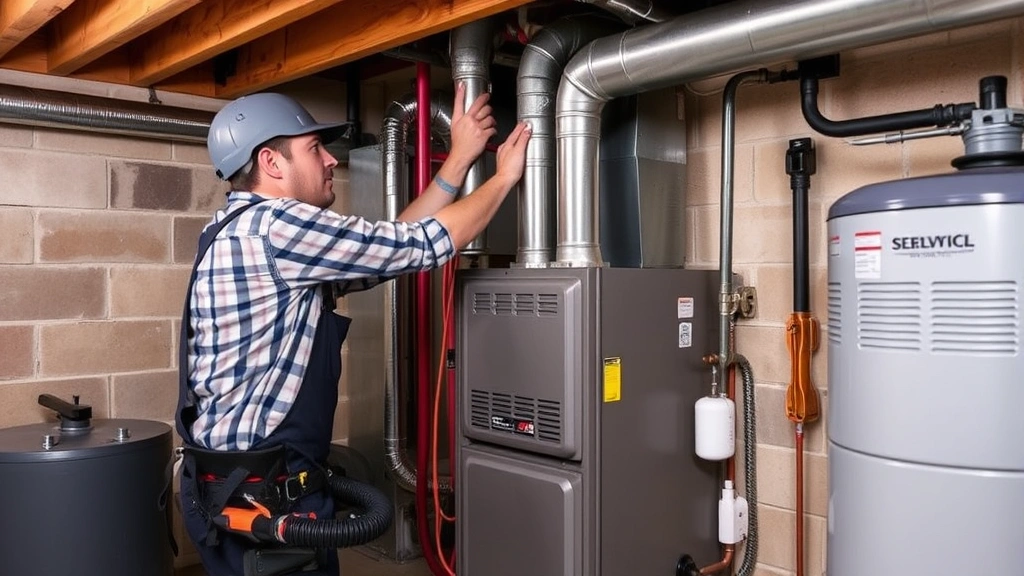
Gas Furnace Replacement Cost: Budget Tips for 2024
Replacing a gas furnace is one of the most significant home heating investments homeowners face, with costs ranging from $3,000 to $8,000 or more depending on multiple factors. Understanding the true gas furnace replacement cost helps you budget effectively and make informed decisions about your home’s comfort and efficiency. Whether your current system is aging, inefficient, or completely broken, knowing what to expect financially empowers you to explore options that balance upfront expenses with long-term savings.
The heating season waits for no one, and a failed furnace during winter can force rushed decisions and premium pricing. By planning ahead and understanding cost drivers, you can avoid panic purchases and potentially save thousands while improving your home’s energy efficiency. This comprehensive guide breaks down furnace replacement expenses, explores money-saving strategies, and examines sustainable heating alternatives that reduce both costs and environmental impact.
Understanding Gas Furnace Replacement Costs
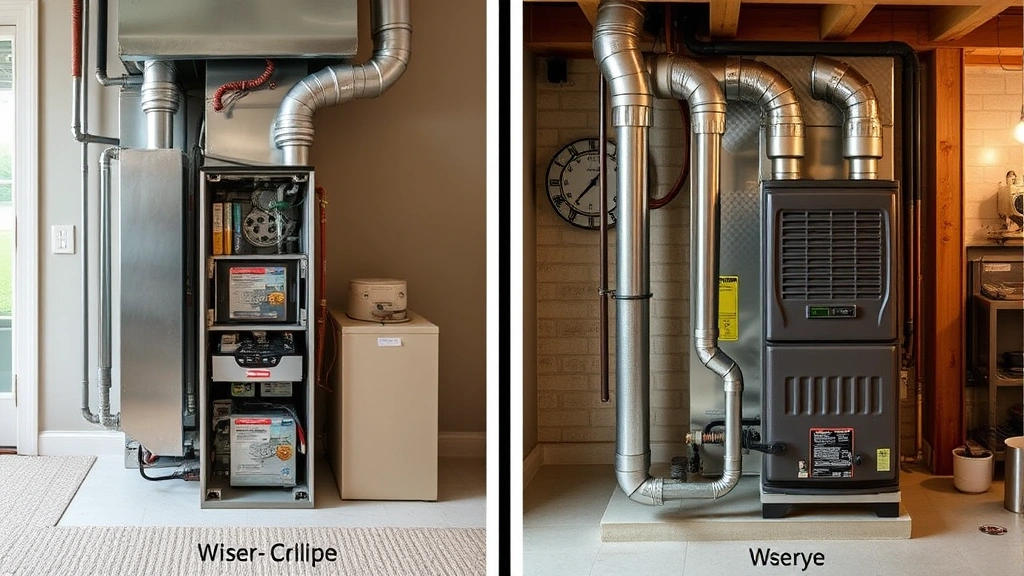
The average gas furnace replacement cost in 2024 ranges from $3,500 to $7,500 for most residential properties, though this figure can climb higher for premium systems or complex installations. This expense encompasses both equipment and professional installation, making it a substantial investment that deserves careful consideration. The wide price range reflects differences in furnace efficiency ratings, system capacity, brand reputation, and regional labor rates.
When budgeting for furnace replacement, it’s essential to distinguish between the equipment cost alone (typically $1,500–$4,000) and the complete installation package including ductwork modifications, permits, and testing (adding $1,500–$3,500). Many homeowners focus solely on the unit price and overlook ancillary expenses that significantly impact the total investment. Understanding this breakdown prevents sticker shock and helps you allocate resources appropriately.
Modern furnaces operate at efficiency levels measured by Annual Fuel Utilization Efficiency (AFUE) ratings, ranging from 80% to 98.5%. Higher-efficiency models cost more upfront but deliver substantial savings through reduced fuel consumption over their 15–20-year lifespan. When evaluating furnace replacement costs, consider the payback period for efficiency upgrades, which often ranges from 5 to 10 years depending on your climate and energy prices.
Key Factors Affecting Furnace Prices
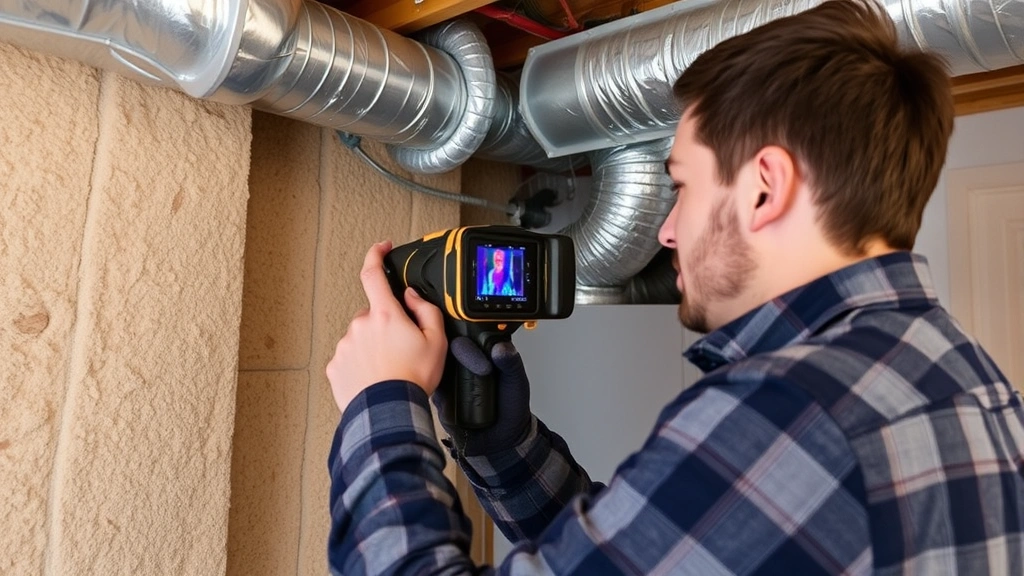
Several interconnected variables determine your final gas furnace replacement cost, and understanding each helps you make strategic decisions. The furnace’s BTU (British Thermal Unit) capacity directly influences price—larger homes requiring 80,000–100,000+ BTU systems cost more than smaller units rated for 40,000–60,000 BTU. Professional load calculations determine appropriate sizing, preventing oversized systems that waste energy and money.
Efficiency ratings create the most dramatic price variations. Standard 80% AFUE furnaces represent the budget option, while mid-range 90–94% AFUE models offer excellent balance between cost and savings. Premium 95–98.5% AFUE systems with variable-speed blowers and modulating burners approach luxury pricing but deliver maximum operational savings. The Department of Energy provides detailed efficiency comparisons through certified product databases.
Brand selection significantly impacts pricing. Established manufacturers like Carrier, Trane, and Lennox command premium pricing due to reputation and warranty offerings, while lesser-known brands may offer competitive features at lower costs. Geographic location affects gas furnace replacement costs through regional labor rates, permit fees, and seasonal demand fluctuations. Urban areas typically charge 20–30% more than rural regions for the same equipment and installation.
Your existing ductwork condition determines whether installation requires simple equipment swap or comprehensive system modifications. Older homes with deteriorated ducts may need sealing or replacement, adding $500–$2,000 to the project. Similarly, upgrading from a single-stage furnace to a variable-speed model may require new thermostat installation and control system upgrades.
Budget Breakdown by System Type
Single-stage furnaces represent the most economical option, with equipment costs between $1,500–$2,500 and total installation around $3,500–$4,500. These units operate at full capacity whenever heating is needed, cycling on and off to maintain temperature. While affordable initially, they consume more fuel and create temperature swings that reduce comfort. Single-stage systems suit budget-conscious homeowners in moderate climates or those planning to relocate within five years.
Two-stage furnaces offer improved efficiency and comfort through modulating burners that operate at reduced capacity during mild weather. Equipment costs range from $2,000–$3,500, with complete installation totaling $4,500–$6,000. These systems reduce energy consumption by 10–15% compared to single-stage models while improving temperature consistency. Two-stage furnaces represent the sweet spot for most homeowners balancing budget and performance.
Modulating or variable-capacity furnaces represent premium options with equipment costs of $3,500–$5,000 and total installation exceeding $6,500–$8,000. These sophisticated systems continuously adjust burner output and blower speed to match heating demand, delivering maximum efficiency (often 95%+ AFUE) and superior comfort. Variable-speed models integrate with smart thermostats for enhanced control and can reduce energy consumption by 20–30% compared to older single-stage systems.
When exploring sustainable energy solutions, consider how furnace type impacts your home’s overall environmental footprint. Higher-efficiency systems directly reduce natural gas consumption and associated carbon emissions, contributing meaningfully to reducing your environmental footprint.
Installation and Labor Expenses
Professional installation typically accounts for 40–50% of total gas furnace replacement cost, ranging from $1,500–$3,500 depending on complexity and regional rates. Licensed HVAC technicians handle critical tasks including equipment positioning, ductwork connections, gas line installation, electrical wiring, and safety testing. Attempting DIY furnace installation violates manufacturer warranties, creates dangerous gas leak risks, and fails to meet building codes requiring licensed professionals.
The gas furnace installation process involves multiple steps affecting labor time and costs. Removing the old furnace requires careful disconnection of gas lines, electrical connections, and ductwork, with proper disposal of the outdated unit adding $200–$500. New furnace positioning, leveling, and securing typically requires 2–4 hours of skilled labor. Gas line testing with specialized equipment ensures safety, while ductwork sealing and balancing optimize system performance.
Permit fees, required in most jurisdictions, add $100–$300 to installation costs. These permits ensure the installation meets local building codes and safety standards, providing legal protection for homeowners. Some contractors include permits in quoted prices, while others charge separately—always clarify this before signing contracts. Final inspections by municipal building departments may be required, adding 1–2 weeks to the project timeline.
Labor costs vary seasonally, with winter commanding premium pricing due to high demand and emergency service calls. Scheduling furnace replacement during spring or fall can reduce labor rates by 10–20%. Additionally, obtaining quotes from multiple licensed contractors reveals significant price variations—getting three detailed proposals is standard practice and often uncovers savings of $500–$1,500.
Money-Saving Strategies
Timing your furnace replacement strategically impacts overall costs significantly. While emergency replacements during heating season carry premium pricing, planning replacement during off-season (spring through early fall) provides leverage for better rates and faster scheduling. Many HVAC contractors offer seasonal discounts of 10–15% during slower periods, directly reducing your gas furnace replacement cost.
Exploring rebates and incentives can substantially offset equipment expenses. Federal tax credits for high-efficiency furnaces (95%+ AFUE) provide up to $600 in tax deductions under current programs. Many state energy offices, utility companies, and local governments offer additional rebates ranging from $300–$1,500 for upgrading to efficient systems. The Energy Star program maintains searchable databases of available incentives by location and equipment type.
Extended warranties and service plans merit careful evaluation. While basic manufacturer warranties cover 5–10 years, extended plans adding $500–$1,000 provide peace of mind for those planning long-term ownership. However, if you anticipate moving within 10 years, standard warranties typically suffice. Service plans including annual maintenance prove valuable, as regular cleaning and inspection prevent efficiency degradation and extend furnace lifespan.
Negotiating with contractors after obtaining multiple quotes often yields discounts. If one quote is significantly lower, ask higher-bidding contractors to match pricing or explain cost differences. Some contractors bundle furnace replacement with other HVAC services (ductwork sealing, air conditioning upgrades) at discounted rates. Paying cash or securing financing before contractor meetings demonstrates commitment and may unlock additional concessions.
Maintaining your current furnace through regular cleaning and filter changes extends its operational life by years, delaying replacement expenses. A well-maintained system operates 5–10% more efficiently than neglected units, reducing energy bills even as the system ages. However, once repairs exceed 50% of replacement costs or efficiency drops noticeably, replacement becomes economically prudent.
Sustainable Heating Alternatives
While gas furnaces remain common, increasingly cost-competitive alternatives offer environmental and economic advantages worth exploring. Heat pumps, particularly cold-climate models, efficiently extract heating from outdoor air even at subzero temperatures, reducing natural gas dependence. Air-source heat pump installation costs $4,000–$8,000 but deliver 200–300% efficiency compared to gas furnaces’ 90% maximum, resulting in 30–50% heating cost reductions. Federal tax credits up to $2,000 and utility rebates further improve economics.
Hybrid heat pump systems combine electric heat pumps for mild weather with backup gas furnaces for extreme cold, optimizing efficiency and cost. This approach reduces gas consumption by 40–60% compared to furnace-only heating while maintaining reliability during harsh winters. Installation costs fall between traditional furnaces and standalone heat pumps, making hybrids increasingly attractive for climate-conscious homeowners.
Ground-source heat pumps represent the ultimate efficiency option, extracting stable heating from underground loops. While installation costs exceed $15,000–$25,000, these systems achieve 400%+ efficiency and virtually eliminate heating bills. Federal tax credits covering 30% of installation costs and long equipment lifespan (25+ years) justify investment for permanent homeowners committed to sustainability.
When evaluating heating alternatives, consider your region’s electricity grid composition. Areas with renewable-heavy grids see greater environmental benefits from electric heat pumps compared to natural gas. Conversely, regions depending on coal-generated electricity may find efficient gas furnaces competitive from a carbon perspective, though this gap narrows yearly as grids decarbonize. The EPA’s heating and cooling resources provide regional efficiency comparisons and environmental impact data.
Biomass heating systems using wood pellets or agricultural waste offer renewable alternatives in appropriate climates. While equipment costs approach gas furnaces ($3,000–$6,000), fuel costs may be lower depending on local biomass availability. These systems require dedicated storage space and regular maintenance but eliminate natural gas dependence entirely. Environmental benefits depend on sustainable sourcing of biomass fuel.
Financing Your Furnace Replacement
Most homeowners cannot pay furnace replacement costs from savings alone, making financing crucial for managing this significant expense. HVAC contractors often partner with lenders offering 0% APR financing for 12–24 months, allowing cost spreading without interest charges if paid within the promotional period. These programs typically require credit approval and carry higher interest rates (8–18% APR) if balances extend beyond promotional periods.
Home equity lines of credit (HELOCs) and home equity loans provide lower interest rates (typically 5–9% APR) than contractor financing, making them attractive for homeowners with substantial equity. These loans require qualification based on credit and income, with approval timelines of 1–2 weeks. The advantage of lower rates must be weighed against risks of collateralizing your home and longer repayment periods (5–15 years) that increase total interest paid.
Personal loans from banks or credit unions offer unsecured borrowing at fixed rates (6–15% APR) without home collateral risk. These loans provide quick funding (often within days) and predictable payments, though rates are higher than secured options. Personal loans suit homeowners preferring to keep home equity untouched or those with insufficient equity for HELOC qualification.
Energy efficiency financing programs, increasingly available through utility companies and state energy offices, specifically target heating system upgrades. These programs often feature favorable terms, longer repayment periods, and reduced interest rates compared to conventional financing. Some utilities offer on-bill financing, allowing repayment through energy savings generated by efficient equipment upgrades.
Tax credits and rebates effectively reduce financing needs. Federal tax credits up to $600 for high-efficiency furnaces, combined with utility rebates reaching $1,500, can reduce net costs by 20–30%. Calculating available incentives before financing allows you to minimize borrowed amounts and total interest paid. The Energy Star tax credit information provides current eligibility requirements and claim procedures.
FAQ
How long does a gas furnace typically last?
Modern gas furnaces operate reliably for 15–20 years with proper maintenance, though some well-maintained systems exceed 25 years. Factors affecting lifespan include climate (harsh winters shorten lifespan), maintenance frequency (annual inspections and filter changes extend life), and system usage patterns. Most manufacturers recommend replacement once repairs exceed 50% of replacement costs or efficiency noticeably declines.
Can I replace just the furnace without upgrading my air conditioning?
Yes, furnaces and air conditioning systems operate independently, allowing separate replacement schedules. However, when replacing furnaces, evaluate air conditioning condition simultaneously. If your AC unit approaches end-of-life, combined replacement often costs less than separate projects due to shared labor and ductwork modifications. Many contractors offer bundled pricing incentives for simultaneous system upgrades.
What AFUE rating should I choose?
Standard 80% AFUE furnaces suit budget-conscious homeowners in moderate climates, while 90–94% AFUE models offer excellent balance for most homeowners. Premium 95%+ AFUE systems justify investment for those planning 15+ year ownership in cold climates. Calculate payback periods by dividing efficiency upgrade costs by annual energy savings—payback periods under 8 years typically justify higher efficiency investment.
Are variable-speed furnaces worth the extra cost?
Variable-speed furnaces cost $1,500–$2,000 more than single-stage models but reduce energy consumption by 20–30%, typically recovering extra investment within 7–10 years. Beyond cost savings, these systems improve comfort through reduced temperature swings and quieter operation. For homeowners prioritizing efficiency and comfort, variable-speed models represent excellent long-term investments.
What should I look for in contractor quotes?
Detailed quotes should specify equipment model and specifications, AFUE rating, warranty terms, installation scope, labor costs, permit fees, and financing options. Compare apples-to-apples by ensuring all quotes include identical equipment and services. Licensed contractors should provide references, proof of insurance, and warranties in writing before signing contracts. Avoid suspiciously low quotes, which often indicate corner-cutting or hidden costs.
How can I reduce heating costs beyond furnace efficiency?
Complementary upgrades maximize furnace replacement benefits. Ductwork sealing prevents 15–30% of heated air loss, while programmable thermostats reduce heating by 10–15% through intelligent scheduling. Attic insulation, weatherstripping, and caulking minimize heat loss, allowing smaller, more efficient furnaces. Smart thermostats integrate with heat pump systems for advanced efficiency optimization, aligning with sustainable energy solutions strategies.
Do I need to upgrade my thermostat with a new furnace?
Modern furnaces work with basic thermostats, but upgrading to programmable or smart models maximizes efficiency gains. Smart thermostats like Nest or Ecobee learn your patterns and adjust heating automatically, reducing consumption by 10–15%. For variable-stage furnaces, compatible smart thermostats unlock modulating capabilities that simpler thermostats cannot utilize, justifying $200–$300 upgrade investment.


