Best Gas Mileage SUV in 2023? Top Picks Revealed
Finding the right SUV that balances fuel efficiency with practicality is increasingly important for environmentally conscious drivers. As fuel prices fluctuate and environmental concerns mount, selecting an SUV with excellent gas mileage has become a critical decision for many households. In 2023, manufacturers have made significant strides in improving fuel economy without sacrificing the space and versatility that SUV owners demand.
The automotive industry has undergone a remarkable transformation, with hybrid and efficient gasoline engines leading the charge toward more sustainable transportation. Whether you’re looking to reduce your carbon footprint or simply save money at the pump, understanding which SUVs offer the most gas mileage is essential. This comprehensive guide examines the top performers, their technologies, and how they compare in real-world driving conditions.

Top Fuel-Efficient SUVs for 2023
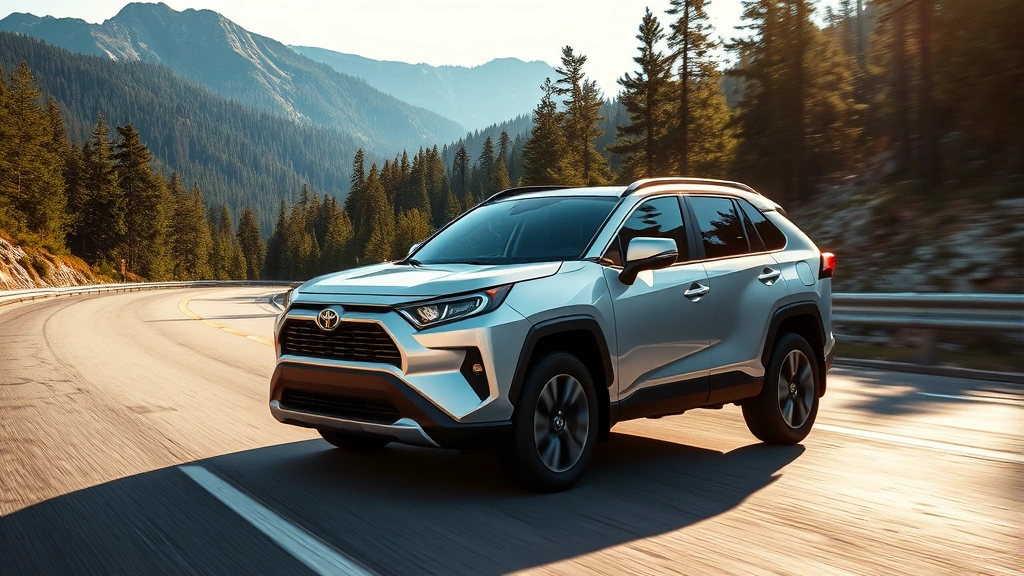
The 2023 model year introduced several standout vehicles in the quest for superior fuel economy. The Toyota RAV4 Hybrid continues to dominate the compact SUV segment, achieving an impressive EPA rating of 40-41 mpg combined. This vehicle combines a 2.5-liter four-cylinder engine with electric motor technology to deliver exceptional efficiency without compromising on performance or cargo space.
The Lexus RX 350h represents luxury meets efficiency, offering comparable hybrid performance in the midsize premium segment. With similar fuel economy ratings and premium features, it appeals to drivers seeking both comfort and environmental responsibility. The Honda CR-V Hybrid follows closely, providing practical space for families while maintaining competitive fuel consumption figures around 38-40 mpg combined.
For those considering traditional gasoline engines, the Mazda CX-5 stands out with its 2.5-liter turbocharged option delivering approximately 26-28 mpg combined. The Subaru Crosstrek, particularly with its smaller turbocharged engine, achieves around 26-27 mpg combined while offering excellent all-wheel-drive capability. These vehicles demonstrate that even conventional engines can provide respectable efficiency when paired with modern engineering.
Understanding the differences between advantages of electric vehicles versus hybrid SUVs helps inform your purchasing decision. While full electric options are expanding, hybrids remain the most practical choice for many families due to charging infrastructure limitations and driving range requirements.

Hybrid Technology and Efficiency
Hybrid SUVs represent a significant leap forward in fuel efficiency technology. These vehicles utilize a dual-power system combining a gasoline engine with an electric motor and battery pack. During city driving and low-speed situations, the electric motor handles propulsion, eliminating fuel consumption entirely. When acceleration or highway speeds are needed, the gasoline engine engages, and both power sources work together seamlessly.
The regenerative braking system in hybrids captures energy typically wasted during deceleration, converting it into electrical charge stored in the battery. This recovered energy powers the electric motor during subsequent acceleration phases, creating a continuous efficiency cycle. Modern hybrid SUVs employ sophisticated computer systems that optimize the balance between electric and gasoline power in real-time, adjusting to driving conditions and driver behavior.
Toyota’s hybrid system, found in the RAV4 Hybrid and Highlander Hybrid, has been refined over multiple generations and represents one of the most reliable implementations available. The system operates seamlessly, with many owners reporting that they barely notice the transition between power sources. Lexus, Honda, and Ford have also developed competitive hybrid systems that deliver strong efficiency gains while maintaining the driving experience expected in their respective market segments.
Exploring sustainable energy solutions in transportation reveals how hybrid technology serves as a bridge technology toward fully electric vehicles. As grid infrastructure improves and battery technology advances, the automotive landscape continues evolving toward cleaner alternatives.
The environmental benefits of hybrid SUVs extend beyond fuel savings. By reducing overall fuel consumption, these vehicles decrease greenhouse gas emissions and minimize dependence on fossil fuels. A driver of a hybrid SUV achieving 40 mpg produces roughly 50% fewer emissions over a vehicle’s lifetime compared to a conventional SUV achieving 25 mpg, making the choice meaningful from an environmental perspective.
Comparing EPA Ratings vs. Real-World Performance
EPA fuel economy ratings provide standardized measurements for comparing vehicles, but real-world performance often differs. The EPA testing procedure, while more realistic than previous standards, still doesn’t perfectly reflect everyday driving conditions. Most drivers experience fuel economy slightly lower than EPA combined ratings, typically by 5-15%, depending on driving habits and conditions.
Highway driving generally yields better fuel economy than EPA estimates, while city driving often results in lower efficiency. This occurs because EPA testing includes a portion of city-cycle driving, which is more demanding on fuel consumption. Drivers who primarily use highways may exceed EPA combined ratings, while those navigating congested urban environments typically achieve lower figures.
Factors affecting real-world performance include driving speed, acceleration patterns, traffic conditions, terrain, vehicle load, and maintenance condition. Aggressive acceleration and high-speed driving significantly reduce fuel economy. Maintaining proper tire pressure, regular oil changes, and timely filter replacements ensure engines operate at peak efficiency. Cold weather also reduces fuel economy, as engines require more energy to warm up and fuel becomes denser.
Hybrid vehicles show more dramatic variations between EPA and real-world performance. Drivers who frequently drive on highways, where the gasoline engine operates continuously, may see efficiency closer to conventional SUVs. Conversely, drivers with frequent city driving and stop-and-go traffic experience exceptional real-world efficiency, sometimes exceeding EPA ratings as the electric motor handles most propulsion.
Engine Options and Fuel Economy Tradeoffs
The choice between engine types involves important tradeoffs between efficiency, performance, and price. Four-cylinder engines provide superior fuel economy but may feel underpowered when fully loaded or towing. Six-cylinder engines offer more power and torque but consume more fuel. Turbocharged engines attempt to bridge this gap, delivering four-cylinder efficiency with six-cylinder performance, though actual efficiency varies based on driving style.
Hybrid systems command a price premium, typically $3,000-$5,000 above comparable gasoline models. However, this investment returns through fuel savings over the vehicle’s life. A driver traveling 150,000 miles in a hybrid SUV achieving 40 mpg versus a conventional SUV achieving 25 mpg saves approximately $2,400 in fuel costs alone, assuming average fuel prices. When factoring in reduced maintenance from less engine wear, the financial case strengthens further.
Understanding whether natural gas is renewable or nonrenewable provides context for fuel choices. While some regions offer natural gas vehicles, they remain niche options. Hybrid and efficient gasoline engines represent the most practical fuel-economy solutions for mainstream consumers today.
AWD and 4WD systems, while essential for many drivers, reduce fuel economy by 1-3 mpg compared to front-wheel-drive versions. The added weight and drivetrain complexity create measurable efficiency penalties. Drivers who don’t require all-wheel drive can maximize fuel economy by choosing front-wheel-drive models, though many find the safety and capability benefits worth the efficiency tradeoff.
Transmission technology also impacts efficiency. Modern continuously variable transmissions (CVTs) and eight-speed automatics optimize engine RPMs across driving conditions, improving efficiency compared to older transmission designs. Manual transmissions, while less common, can offer superior efficiency when operated skillfully, though most modern automatics now match or exceed manual efficiency.
Cost Savings and Environmental Impact
Purchasing a high-efficiency SUV represents an investment in both personal finances and environmental stewardship. The financial benefits accumulate quickly for high-mileage drivers. Someone traveling 15,000 miles annually in a vehicle achieving 40 mpg versus 25 mpg saves approximately $480 yearly in fuel costs, assuming $3.50 per gallon. Over a 10-year ownership period, this totals $4,800 in savings, before factoring in inflation or price fluctuations.
The environmental impact of choosing a fuel-efficient SUV deserves equal consideration. Transportation accounts for nearly 27% of U.S. greenhouse gas emissions, with light-duty vehicles comprising the largest portion. By selecting an SUV with superior fuel economy, drivers directly reduce their carbon footprint. A hybrid SUV produces roughly 4-5 metric tons of CO2 annually, compared to 6-7 tons for conventional SUVs, representing meaningful environmental contribution.
Examining how to reduce your environmental footprint reveals that vehicle selection is one of the most impactful personal decisions available. Over a vehicle’s 15-year lifespan, the cumulative environmental benefit of choosing efficiency becomes substantial, influencing air quality, climate stability, and resource conservation.
Used fuel-efficient SUVs from previous model years offer excellent value for budget-conscious buyers. A 2-3 year old RAV4 Hybrid or CR-V Hybrid provides proven reliability and exceptional efficiency at significantly lower cost than new models. These vehicles have demonstrated longevity, with many owners reporting 200,000+ mile lifespans with proper maintenance, extending the environmental benefits across longer ownership periods.
Maintenance Tips for Optimal Efficiency
Maintaining your SUV in peak condition directly impacts fuel economy. Regular maintenance ensures engines operate at maximum efficiency. Follow manufacturer recommendations for oil changes, using the specified viscosity grade. Modern synthetic oils improve engine efficiency and protect components better than conventional oils.
Tire maintenance dramatically affects fuel economy. Under-inflated tires increase rolling resistance, reducing efficiency by up to 3%. Check tire pressure monthly and before long trips, maintaining the pressure specified on the driver’s door jamb rather than the tire sidewall maximum. Rotate tires every 5,000-7,000 miles to ensure even wear and consistent performance.
Air filter replacement improves efficiency and engine responsiveness. A clogged air filter forces engines to work harder, reducing fuel economy. Cabin air filters don’t directly impact fuel consumption but improve air quality for occupants. Replace both filters according to your vehicle’s maintenance schedule or more frequently in dusty environments.
Fuel quality affects efficiency and engine longevity. Use gasoline with the octane rating specified for your vehicle—higher octane doesn’t improve efficiency in engines designed for regular-grade fuel. Quality fuel contains detergents that keep fuel injectors clean, maintaining optimal spray patterns and combustion efficiency.
Alignment and suspension condition influence fuel economy through rolling resistance. Misaligned wheels create drag that reduces efficiency. Annual alignment checks ensure wheels track straight, maximizing efficiency. Suspension components should be inspected for wear, as damaged shocks or struts increase rolling resistance.
Driving habits ultimately determine fuel economy more than any maintenance factor. Smooth acceleration, moderate speeds, and anticipatory braking all improve efficiency. Removing unnecessary weight from the vehicle reduces fuel consumption—roof racks and cargo carriers create aerodynamic drag that noticeably reduces efficiency, especially at highway speeds.
Exploring green technology innovations transforming our future shows that automotive efficiency continues advancing. Connected vehicle technologies now provide real-time efficiency feedback, helping drivers optimize driving behavior through visual displays and alerts.
Battery maintenance matters specifically for hybrid owners. Modern hybrid batteries rarely require service, but avoiding extreme heat exposure extends their lifespan. Park in shade when possible, and avoid leaving vehicles in direct sunlight for extended periods. The battery management system in modern hybrids actively protects batteries, typically requiring no owner intervention beyond normal vehicle care.
FAQ
What SUV gets the best gas mileage in 2023?
The Toyota RAV4 Hybrid achieves the best fuel economy in the mainstream SUV segment, with EPA ratings of 40-41 mpg combined. The Lexus RX 350h offers comparable efficiency in the luxury segment, while the Honda CR-V Hybrid delivers strong efficiency around 38-40 mpg combined.
Are hybrid SUVs worth the extra cost?
Hybrid SUVs typically cost $3,000-$5,000 more than gasoline equivalents. For drivers traveling 12,000+ miles annually, the fuel savings typically recover this premium within 5-7 years. Beyond the payback period, all savings represent pure financial benefit while reducing environmental impact.
How long do hybrid SUV batteries last?
Modern hybrid batteries are designed to last the vehicle’s lifetime, typically 150,000-200,000+ miles. Manufacturers warranty hybrid batteries for 8-10 years or 100,000-150,000 miles. Battery degradation is minimal in well-maintained vehicles, with most owners experiencing no battery issues during ownership.
Can I get good fuel economy with a non-hybrid SUV?
Yes, efficient gasoline SUVs like the Mazda CX-5 and Subaru Crosstrek achieve 26-28 mpg combined. While not matching hybrid efficiency, they’re significantly more efficient than SUVs from a decade ago. Non-hybrid options cost less and may suit drivers who prioritize lower purchase price over maximum fuel savings.
Does SUV size affect fuel economy?
Larger SUVs inherently consume more fuel due to increased weight and aerodynamic drag. Compact SUVs achieve better efficiency than midsize or full-size models. However, hybrid technology can partially offset size penalties—a hybrid midsize SUV may achieve better efficiency than a conventional compact SUV.
What driving habits improve fuel economy?
Smooth acceleration, maintaining steady speeds, anticipatory braking, and removing excess weight all improve efficiency. Reducing highway speeds from 70 to 55 mph can improve fuel economy by 15-20%. Minimizing idling and combining trips into single outings also significantly improves overall efficiency.
Should I consider a used fuel-efficient SUV?
Used fuel-efficient SUVs offer excellent value. A 2-3 year old RAV4 Hybrid or CR-V Hybrid provides proven reliability and efficiency at substantially lower cost. These vehicles have demonstrated longevity, making them sound investments for budget-conscious buyers prioritizing efficiency.


