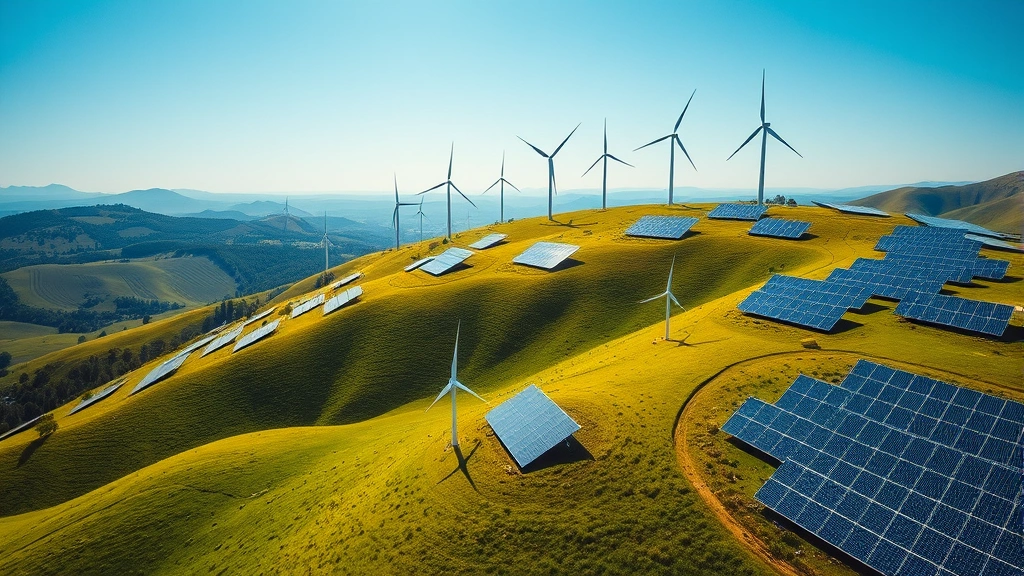
Is Modern Gas Eco-Friendly? An Analysis
The question of whether modern gas qualifies as eco-friendly has become increasingly complex in our climate-conscious world. While the natural gas industry has made technological advances in recent years, the environmental implications remain nuanced and contested among sustainability experts. Understanding the true ecological footprint of modern gas requires examining everything from extraction methods to combustion emissions, methane leakage, and how it compares to renewable alternatives.
Natural gas has long been marketed as a transitional fuel—cleaner than coal but not quite as emissions-intensive as oil. However, recent scientific research has challenged this narrative, revealing that the environmental cost of modern gas may be higher than previously believed. This comprehensive analysis explores the current state of natural gas technology, its environmental impact, and whether it deserves a place in our sustainable energy future.
What Is Modern Gas and How Is It Extracted?
Modern gas, commonly referred to as natural gas, is a fossil fuel composed primarily of methane, along with smaller quantities of ethane, propane, and nitrogen. It forms deep within the Earth over millions of years from decomposed organic matter. Today’s natural gas extraction employs several methods, with hydraulic fracturing (fracking) being the most prominent in modern operations.
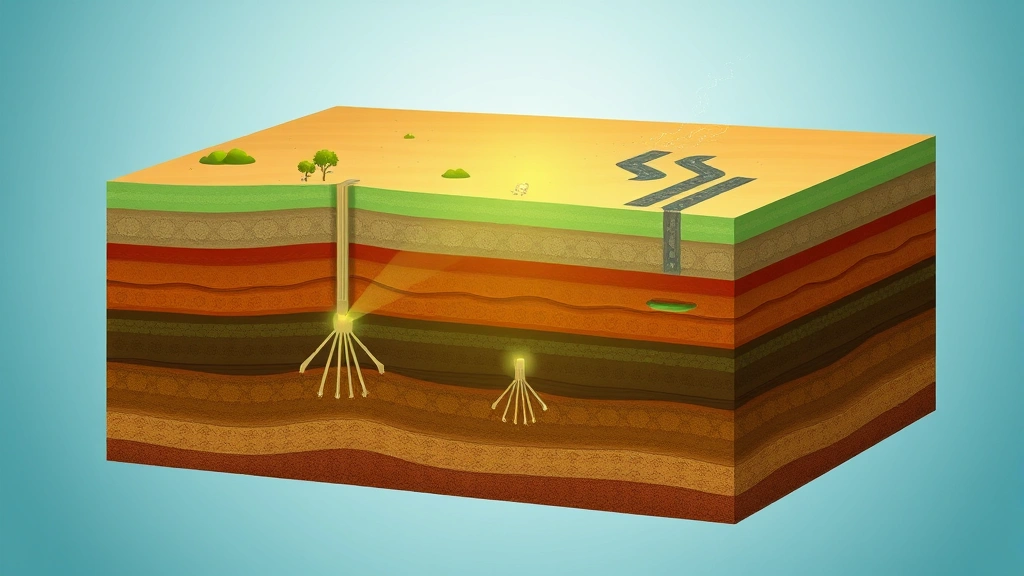
The extraction process involves drilling wells and pumping pressurized water mixed with sand and chemicals into rock formations to release trapped gas. While this technology has made vast gas reserves economically viable, it has raised significant environmental concerns. The drilling operations require substantial water usage, can contaminate groundwater, and generate considerable waste.
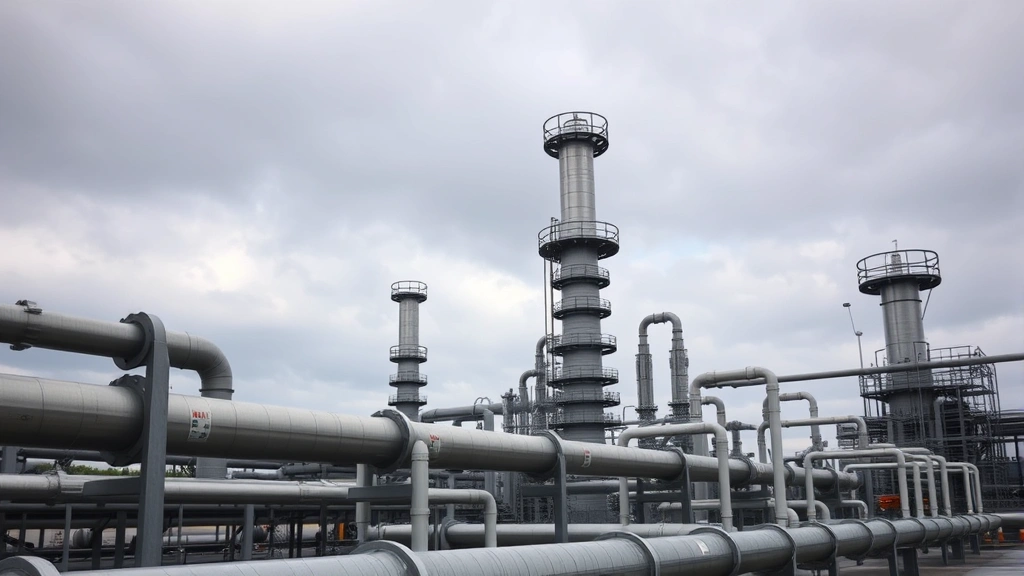
Understanding the extraction process is crucial to assessing whether modern gas truly qualifies as environmentally responsible. Modern wells incorporate safety features and environmental controls that differ from earlier operations, yet the fundamental environmental challenges persist. The infrastructure required—pipelines, processing facilities, and distribution networks—represents a massive physical footprint across landscapes and ecosystems.
Modern gas production has expanded dramatically since the shale gas revolution began in the early 2000s. The United States now produces more natural gas than ever before, making it a dominant energy source. However, this expansion has coincided with increased scrutiny regarding its environmental credentials. When evaluating modern gas, we must consider both the technological improvements and the persistent ecological challenges.
Carbon Emissions from Natural Gas
When burned for electricity or heat, natural gas produces carbon dioxide emissions. While these emissions are approximately 50% lower than coal, they remain significant contributors to climate change. For every unit of energy produced, natural gas releases approximately 117 pounds of carbon dioxide equivalent compared to coal’s 215 pounds—a meaningful but incomplete advantage.
The combustion of modern gas releases greenhouse gases that accumulate in the atmosphere, trapping heat and driving climate change. A typical household using natural gas for heating and cooking contributes roughly 5-6 metric tons of CO2 annually to the atmosphere. When multiplied across millions of homes and industrial facilities worldwide, this represents a substantial portion of global emissions.
Recent life-cycle analyses have shown that natural gas’s carbon advantage over coal narrows considerably when methane leakage during extraction, processing, and distribution is factored in. Methane is 28-34 times more potent than carbon dioxide over a 100-year period, meaning even small leaks can dramatically increase the fuel’s overall carbon footprint. This revelation has prompted environmental scientists to question whether natural gas truly deserves its reputation as a bridge fuel toward sustainability.
The carbon intensity of modern gas also depends on how efficiently power plants and heating systems operate. Newer combined-cycle natural gas power plants achieve approximately 60% efficiency, compared to 40-45% for older coal plants. However, sustainable energy solutions powered by renewables eliminate combustion emissions entirely, making them inherently superior from a carbon perspective.
Methane Leakage: The Hidden Problem
Perhaps the most critical environmental concern regarding modern gas is methane leakage throughout its supply chain. Methane (CH4) escapes at every stage: extraction, processing, compression, transmission, distribution, and even at consumer endpoints. The EPA estimates that the natural gas industry leaks between 1-3% of total production, though some independent measurements suggest rates as high as 4-5%.
To understand the significance, consider that methane’s global warming potential is 84 times stronger than CO2 over a 20-year period. This means that leakage rates above approximately 3% negate natural gas’s climate advantage over coal. Many studies indicate that current leakage rates already exceed this critical threshold, particularly when considering methane emissions from abandoned wells and aging infrastructure.
Modern gas infrastructure includes detection and repair technologies designed to minimize leakage, yet implementation remains inconsistent across the industry. Infrared cameras, acoustic sensors, and satellite monitoring can identify leaks, but many operators lack financial incentives to conduct regular inspections and repairs. The economic calculus often favors accepting some leakage rather than investing in prevention, creating a persistent environmental cost.
Methane’s potency as a greenhouse gas makes leakage reduction absolutely essential if natural gas is to claim any environmental legitimacy. However, the decentralized nature of gas distribution—with thousands of miles of pipelines, thousands of connection points, and countless small leaks—makes comprehensive mitigation extraordinarily challenging. This structural problem suggests that natural gas renewable status remains fundamentally compromised by methane emissions.
Modern Gas Technologies and Improvements
The natural gas industry has invested significantly in technologies aimed at reducing environmental impact. Modern extraction techniques include closed-loop drilling systems that capture and recycle drilling fluids, reducing waste and environmental contamination. Enhanced monitoring systems detect leaks more quickly, and some operators have implemented aggressive repair programs.
Biomethane and renewable natural gas represent attempts to create cleaner alternatives using existing infrastructure. These gases, produced from agricultural waste, wastewater treatment, or landfills, are chemically identical to fossil natural gas but carry renewable credentials. However, production capacity remains limited, representing less than 1% of total natural gas consumption in the United States.
Carbon capture and storage (CCS) technology aims to reduce emissions from natural gas power plants by capturing CO2 before it enters the atmosphere. Several demonstration projects have shown technical viability, yet the technology remains expensive and energy-intensive. Additionally, CCS does nothing to address methane leakage during extraction and distribution, limiting its effectiveness as a comprehensive climate solution.
Advanced combustion technologies have improved efficiency in gas-fired power plants and heating systems. Condensing furnaces recover heat from exhaust gases, improving efficiency to 95% or higher. Modular gas turbines and fuel cells offer additional efficiency gains. However, these improvements only marginally reduce emissions per unit of energy—they cannot eliminate the fundamental carbon footprint of burning fossil fuels.
Despite these technological advances, a critical question remains: should we be optimizing fossil fuel technology, or transitioning entirely away from combustion-based energy? Environmental advocates argue that resources devoted to improving modern gas would yield far greater climate benefits if directed toward renewable energy infrastructure and battery storage systems.
Comparing Modern Gas to Renewable Energy
When evaluating whether modern gas is eco-friendly, the most relevant comparison is against renewable alternatives like solar, wind, and hydroelectric power. These technologies produce zero operational emissions, require no fuel extraction, and create no methane leakage risk. Over their lifecycle—including manufacturing, installation, and eventual recycling—renewables generate dramatically lower carbon footprints than modern gas.
Solar photovoltaic panels produce electricity with lifecycle emissions of approximately 40-50 grams of CO2 equivalent per kilowatt-hour. Wind turbines achieve similar results at 10-15 grams per kilowatt-hour. In contrast, natural gas power plants produce 400-500 grams of CO2 equivalent per kilowatt-hour when methane leakage is properly accounted for. This 10-50 fold difference is staggering.
The argument that natural gas serves as a necessary bridge fuel during energy transition has weakened considerably. Battery storage technology has advanced dramatically, with costs declining 89% since 2010. Electric vehicles advantages demonstrate how renewable electricity can power transportation directly. These developments suggest that rapid transition to renewables may be more feasible—and economically competitive—than previously believed.
Variable renewable energy sources require backup capacity, and natural gas has traditionally filled this role. However, modern grid management, demand response systems, and diverse renewable portfolios can achieve high renewable penetration without relying on fossil fuel backup. Denmark, for example, regularly operates on 80% wind power, while Texas generates over 40% of its electricity from wind.
For industrial processes requiring high heat, natural gas currently has fewer alternatives. However, emerging technologies like green hydrogen (produced from renewable electricity) and industrial heat pumps show promise. Rather than accepting natural gas as permanent, industrial sectors should prioritize developing and scaling these alternatives.
The Role of Natural Gas in Energy Transition
Many energy analysts argue that natural gas plays a necessary transitional role in moving away from coal. During the past decade, natural gas replaced coal in many power plants, reducing overall carbon emissions in electricity generation. From this perspective, modern gas represents progress toward sustainability, even if not a final solution.
However, this “bridge fuel” narrative has come under increasing criticism. If natural gas infrastructure investments lock in decades of continued fossil fuel dependence, the bridge may lead to a dead end rather than to renewable energy. New gas infrastructure built today will likely operate for 30-40 years, potentially preventing the rapid transition climate science demands.
The stranded assets problem presents another concern. Investments in modern gas infrastructure create financial incentives to operate those facilities for their full economic lifetime, even as climate imperatives demand faster decarbonization. Utilities and investors have strong financial motivation to resist the transition away from natural gas, potentially slowing the shift toward renewables.
Some climate scenarios suggest limited natural gas use in a deeply decarbonized future, primarily for backup power and industrial heat. However, these scenarios typically assume rapid renewable deployment and significant energy efficiency improvements. Without aggressive action on these fronts, natural gas use could remain substantial, incompatible with climate goals.
Progressive energy policies prioritize investing directly in renewable infrastructure rather than gas transition facilities. Green technology innovations transforming energy systems are accelerating, making the case for natural gas increasingly weak from both environmental and economic perspectives.
Regulatory Standards and Environmental Impact
Environmental regulations governing natural gas extraction and distribution vary significantly by region and jurisdiction. The EPA maintains standards for methane emissions from oil and gas operations, though enforcement and stringency have fluctuated with political administrations. Some states have implemented stricter regulations than federal requirements.
The European Union has proposed strict methane regulations for imported natural gas, incentivizing producers to reduce leakage. Such policies create economic pressure for environmental improvements, though they risk being undermined by industry lobbying. International climate agreements increasingly focus on methane emissions, recognizing this potent greenhouse gas as a critical climate lever.
Water contamination represents another major regulatory concern. Hydraulic fracturing fluid can contain chemicals that potentially contaminate groundwater, and flowback fluid from wells contains naturally occurring radioactive materials and salts. While regulations attempt to minimize these risks, enforcement varies, and the possibility of contamination persists. Groundwater protection is essential for agricultural and residential communities, making this environmental concern paramount.
Seismic activity induced by wastewater injection from gas operations has caused measurable earthquakes in Oklahoma, Texas, and other regions. Regulatory efforts to limit injection volumes and monitor seismic activity have had mixed success. This indirect environmental impact—earthquake damage to infrastructure and property—represents another cost of modern gas production.
Comprehensive lifecycle environmental impact assessments remain crucial for evaluating modern gas. These assessments should account for extraction impacts, methane leakage, combustion emissions, water usage and contamination, land use, and seismic effects. Such holistic evaluation typically reveals that modern gas’s environmental footprint is substantially larger than industry marketing suggests.
Frequently Asked Questions
Is natural gas cleaner than coal and oil?
Natural gas produces fewer carbon emissions than coal when burned for electricity or heat. However, when methane leakage is properly accounted for, the advantage narrows considerably. Compared to oil, natural gas typically has a slight emissions advantage, though both are fossil fuels with significant climate impact. Neither qualifies as truly eco-friendly.
Can modern gas help fight climate change?
Natural gas can reduce emissions compared to coal in the short term, but climate science indicates that rapid transition to renewable energy is necessary to meet climate goals. Investing in natural gas infrastructure may actually delay the renewable transition, ultimately hindering climate progress. Resources are better directed toward renewable energy and storage technologies.
What is renewable natural gas?
Renewable natural gas (RNG), also called biomethane, is produced from organic waste including agricultural byproducts, wastewater, and landfill gas. It’s chemically identical to fossil natural gas but carries renewable credentials. However, production capacity is limited, representing less than 1% of current natural gas consumption. Scaling RNG production could provide limited climate benefits, though it shouldn’t substitute for renewable electricity development.
How much methane leaks from natural gas operations?
The EPA estimates leakage at 1-3% of production, though independent measurements suggest rates may reach 4-5% or higher. At leakage rates above approximately 3%, natural gas’s climate advantage over coal disappears entirely due to methane’s extreme potency as a greenhouse gas. This critical threshold is likely already exceeded in many regions.
Are there alternatives to natural gas for heating and electricity?
Yes, substantial alternatives exist. Solar and wind energy generate electricity with minimal environmental impact. Heat pumps powered by renewable electricity can provide efficient heating and cooling. Geothermal energy offers reliable renewable heat. For industrial processes, green hydrogen and advanced heat pumps show promise. These alternatives are becoming increasingly cost-competitive with natural gas.
Should I switch away from natural gas in my home?
If feasible, transitioning to sustainable energy solutions through electrification offers significant environmental benefits. Heat pumps can efficiently provide heating and cooling using renewable electricity. Electric cooking eliminates combustion emissions. However, switching may require upfront investment and may not be immediately feasible for all households. Improving insulation and efficiency while phasing out gas when possible represents a practical approach.


