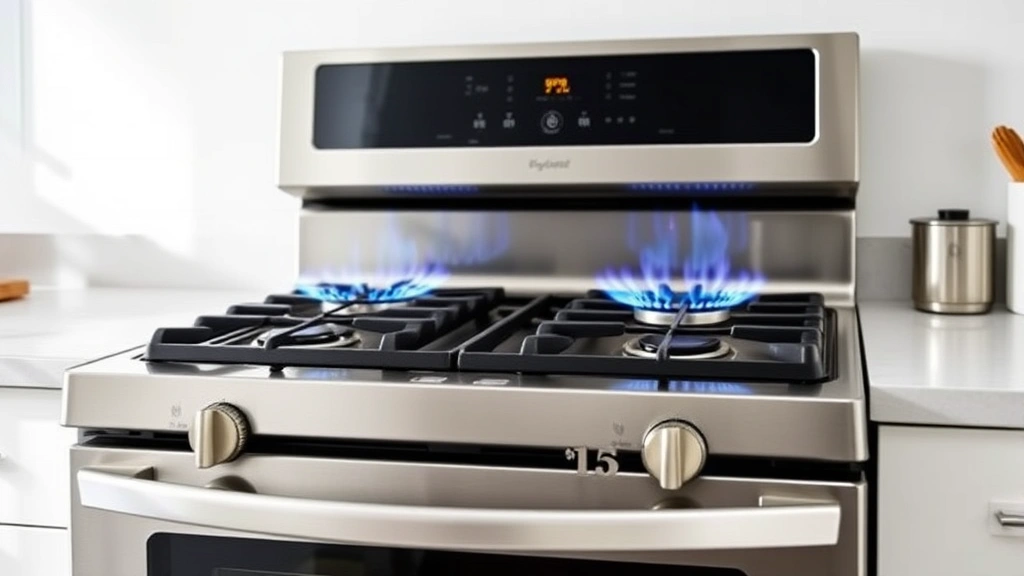
Is a 24 Inch Gas Range Eco-Friendly? Expert Insights
When it comes to kitchen appliances, the 24 inch gas range represents a popular choice for many homeowners seeking compact cooking solutions. However, the question of whether these appliances align with environmental responsibility remains increasingly important as consumers become more conscious of their carbon footprint. Understanding the ecological implications of gas ranges requires examining their energy efficiency, emissions profiles, and how they compare to alternative cooking technologies in today’s sustainability-focused market.
The compact nature of a 24 inch gas range makes it particularly appealing for smaller kitchens, apartments, and modern homes designed with space efficiency in mind. Yet size alone does not determine environmental impact. We must consider the complete lifecycle of these appliances, from manufacturing through daily operation to eventual disposal. This comprehensive analysis will help you make an informed decision about whether a 24 inch gas range aligns with your environmental values and household needs.
Understanding Gas Range Efficiency Standards
The efficiency of a 24 inch gas range depends significantly on how well it converts fuel energy into usable heat for cooking. Unlike electric resistance elements that convert nearly 100% of electrical energy into heat, gas burners typically achieve 70-75% efficiency because some heat escapes around cookware and through ventilation systems. This fundamental difference means that for every unit of gas energy consumed, a portion is lost to the environment rather than contributing to food preparation.
Modern 24 inch gas ranges increasingly feature improved burner designs and sealed combustion systems that enhance efficiency compared to older models. Sealed burners prevent heat loss and reduce the escape of combustion byproducts into your kitchen. When shopping for a gas range, look for models with electronic ignition systems rather than pilot lights, as pilot lights consume gas continuously even when the stove isn’t in active use. This seemingly minor feature can result in significant energy savings over months and years, reducing both your utility bills and overall sustainability impact.
The Energy Star program, while not currently rating individual gas ranges, has established efficiency benchmarks for commercial equipment that inform consumer expectations. Understanding these standards helps you identify genuinely efficient models. Additionally, the Department of Energy continues researching ways to improve residential gas appliance efficiency, recognizing the importance of this category in overall household energy consumption.
Emissions and Environmental Impact
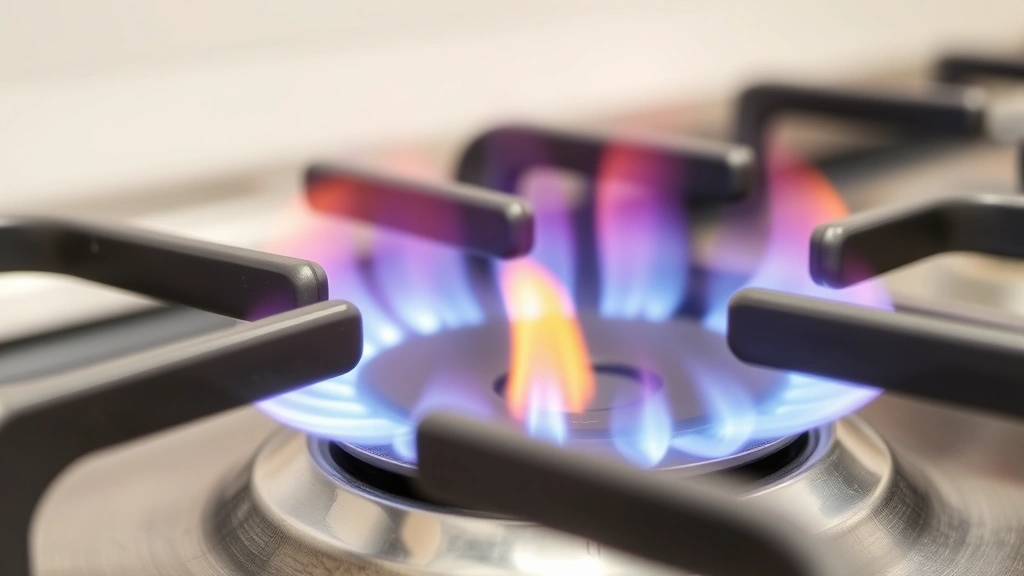
One of the most significant environmental concerns associated with 24 inch gas ranges involves the emissions produced during operation. Natural gas combustion generates carbon dioxide, the primary greenhouse gas contributing to climate change. A typical household gas range can produce approximately 1.5 tons of CO2 annually, depending on usage frequency and cooking habits. This contribution, while seemingly modest at individual level, compounds dramatically when multiplied across millions of households.
Beyond carbon dioxide, gas combustion also produces nitrogen dioxide and other pollutants that affect indoor air quality. The EPA emphasizes indoor air quality concerns related to gas appliances, recommending adequate ventilation to minimize exposure to combustion byproducts. Homes with gas ranges should maintain functioning range hoods or ventilation systems to extract these emissions before they accumulate in living spaces. This ventilation requirement itself consumes energy, adding to the environmental footprint of gas cooking.
The methane leakage associated with natural gas extraction and distribution presents another environmental concern often overlooked in consumer discussions. Methane is a potent greenhouse gas with approximately 28-34 times the warming potential of CO2 over a century. Some methane escapes during drilling, transportation, and distribution, meaning the environmental cost of gas cooking extends beyond your kitchen. When evaluating the true ecological impact of a 24 inch gas range, considering this upstream contribution becomes essential for informed decision-making.
However, it’s important to note that the environmental impact of gas depends significantly on your regional energy grid composition. In areas where electricity generation relies heavily on fossil fuels, the efficiency advantages of electric cooking may diminish. Conversely, in regions with substantial renewable energy integration, switching from gas to electric cooking represents a more substantial environmental improvement.
Comparing Gas to Electric and Induction Options
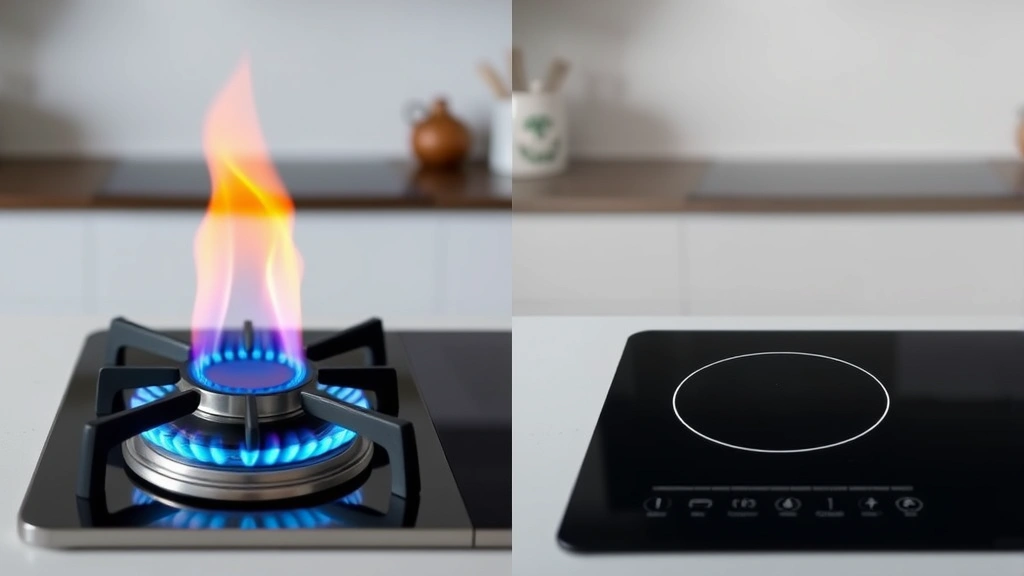
When assessing whether a 24 inch gas range qualifies as eco-friendly, comparison with alternative cooking technologies provides crucial context. Electric coil and smoothtop ranges convert approximately 70-80% of electrical energy into heat, similar to gas efficiency rates. However, induction cooking represents a significant leap forward, achieving 80-90% efficiency by using magnetic fields to directly heat cookware rather than heating a cooking surface first.
Induction technology’s superior efficiency translates directly into reduced energy consumption and lower utility costs. A 24 inch induction range can reduce cooking energy use by 20-30% compared to gas alternatives. Additionally, induction cooking produces zero direct emissions in your home, eliminating indoor air quality concerns associated with gas combustion. For environmentally conscious consumers, induction represents the most sustainable cooking solution currently available for residential applications.
Electric resistance and smoothtop ranges occupy a middle ground between gas and induction. They produce no indoor emissions and offer moderate efficiency, making them a reasonable compromise for households unable to transition to induction. The environmental calculus shifts favorably toward electric cooking in regions where electricity grids incorporate substantial renewable energy. Consulting your local utility’s energy mix helps determine whether switching from gas to electric cooking would meaningfully reduce your household’s environmental impact.
Understanding sustainable energy solutions for your home includes evaluating how cooking technology fits into your broader energy strategy. Some homeowners with rooftop solar installations find that electric or induction cooking becomes significantly more sustainable when powered by renewable generation. This integration of cooking appliances with home energy systems represents an emerging consideration in comprehensive sustainability planning.
Manufacturing and Lifecycle Considerations
The environmental impact of a 24 inch gas range extends well beyond operational emissions, encompassing manufacturing processes, transportation, and end-of-life disposal. Production of gas ranges requires extraction and processing of metals, including steel, aluminum, and copper, each involving significant energy consumption and environmental disruption. Manufacturing a typical gas range generates approximately 1-2 tons of CO2 equivalents before it ever reaches your home.
The compact size of a 24 inch range offers certain manufacturing advantages compared to full-size 30 inch models. Smaller appliances require less raw material, consume less energy during production, and generate lower transportation emissions. For consumers concerned with manufacturing impacts, choosing appropriately-sized appliances represents a meaningful way to reduce overall environmental footprint. A 24 inch gas range that perfectly fits your cooking needs produces less manufacturing impact than an oversized 30 inch model that sits partially unused.
Transportation from manufacturing facilities to retail locations and finally to homes contributes measurably to appliance environmental cost. Heavier appliances require more fuel for transport, increasing carbon emissions. Gas ranges, being primarily metal construction, weigh between 50-100 pounds depending on specific model and features. Whenever possible, purchasing from local retailers or arranging efficient delivery logistics can minimize transportation-related emissions.
End-of-life disposal presents another important consideration in lifecycle assessment. Gas ranges contain materials recyclable through scrap metal programs, but many units end up in landfills where they occupy space indefinitely. Selecting durable, high-quality gas ranges that remain functional for 15-20 years reduces the frequency of replacement and associated manufacturing impacts. Proper maintenance and repair, rather than premature replacement, represents an underappreciated sustainability strategy for kitchen appliances.
Optimizing Your Gas Range for Sustainability
If you currently own a 24 inch gas range or have decided that gas cooking remains your preferred option, numerous strategies can reduce its environmental impact. First, ensure your range hood or ventilation system functions properly and operates during and shortly after cooking. Effective ventilation removes combustion emissions while minimizing unnecessary energy waste from over-ventilation.
Cooking practices themselves significantly influence environmental impact. Using appropriately-sized cookware matched to burner size maximizes heat transfer efficiency. Covering pots and pans with lids reduces cooking time by 25-30%, directly lowering energy consumption. Simmering foods at lower temperatures rather than rapid boiling accomplishes cooking goals with reduced gas consumption. These simple behavioral adjustments compound over time, meaningfully reducing your kitchen’s environmental footprint.
Selecting cookware with flat bottoms and appropriate size for your burners ensures optimal heat transfer. Warped or mismatched cookware wastes energy as heat dissipates inefficiently. High-quality stainless steel or cast iron cookware conducts heat effectively, enhancing cooking efficiency. Conversely, thin aluminum cookware conducts heat rapidly but unevenly, potentially requiring longer cooking times and greater gas consumption.
Regular maintenance of your 24 inch gas range preserves efficiency and extends operational lifespan. Cleaning burner ports prevents clogging that reduces flame quality and efficiency. Inspecting burner seals ensures combustion remains contained and efficient. Addressing minor repairs promptly prevents small issues from escalating into major problems requiring premature replacement. This proactive approach to appliance care represents an often-overlooked dimension of household sustainability.
Consider implementing strategies to reduce your environmental footprint that extend beyond cooking alone. Combining efficient gas range operation with renewable energy adoption, improved home insulation, and comprehensive waste reduction creates meaningful cumulative environmental benefits that transcend any single appliance.
Cost-Benefit Analysis for Eco-Conscious Homeowners
Evaluating the true sustainability of a 24 inch gas range requires honest assessment of financial and environmental tradeoffs. Gas cooking typically costs less upfront than comparable electric or induction alternatives, making it economically attractive for budget-conscious homeowners. However, higher operational costs over time may offset initial savings, particularly in regions with high natural gas prices relative to electricity rates.
The lifespan of a quality 24 inch gas range typically spans 15-20 years with proper maintenance. Over this period, cumulative operational emissions and energy costs substantially exceed initial purchase price. A homeowner considering whether to replace an aging gas range with a new model should evaluate total cost of ownership rather than purchase price alone. In many scenarios, investing in an induction range produces financial returns through energy savings within 5-7 years while simultaneously reducing environmental impact.
Regional energy costs vary dramatically across different geographic areas. Homeowners in regions with abundant hydroelectric or wind power benefit more from switching to electric cooking than those in areas relying primarily on fossil fuel generation. Consulting your local utility’s energy rate structure and grid composition helps determine whether upgrading from a 24 inch gas range to electric or induction alternatives makes financial sense for your specific situation.
Tax incentives and rebate programs increasingly support transitions toward more efficient cooking technologies. The Department of Energy offers information about energy efficiency incentives, and many state and local programs specifically incentivize appliance upgrades. Researching available rebates in your area can substantially reduce the financial burden of transitioning from gas to more sustainable cooking options.
From an environmental perspective, the most sustainable appliance is often the one you already own, maintained properly and operated efficiently. However, when replacement becomes necessary, evaluating alternatives through both environmental and financial lenses enables decisions aligned with your household’s values and circumstances. A 24 inch gas range represents a reasonable interim choice for many households, particularly when coupled with behavioral efficiency improvements and plans for eventual transition to induction or electric cooking.
Understanding principles of sustainability helps contextualize appliance choices within broader lifestyle frameworks. Incremental improvements in cooking efficiency contribute meaningfully to overall household environmental impact when combined with comprehensive sustainability efforts across energy, water, waste, and transportation domains.
FAQ
Is a 24 inch gas range more efficient than a full-size 30 inch model?
Both sizes achieve similar efficiency ratings in terms of heat conversion percentages. However, the smaller 24 inch model requires less material to manufacture and generates lower transportation emissions. For households with modest cooking needs, the 24 inch size represents a more appropriately scaled choice that reduces overall environmental footprint compared to larger alternatives.
What’s the environmental impact of natural gas extraction?
Natural gas extraction involves drilling, which disrupts ecosystems and landscapes. Additionally, methane leakage during extraction, transportation, and distribution contributes significantly to climate change. Methane’s warming potential far exceeds CO2, making upstream environmental costs of gas consumption substantial beyond direct combustion emissions.
How does a 24 inch gas range compare environmentally to induction cooking?
Induction cooking achieves 80-90% efficiency compared to gas ranges’ 70-75% efficiency. Induction produces zero indoor emissions and reduces energy consumption by 20-30%. For environmentally conscious consumers, induction represents the superior choice, though initial cost may be higher.
Can I make my gas range more sustainable?
Yes, several strategies enhance sustainability: use appropriately-sized cookware, cover pots with lids, maintain proper ventilation, ensure regular maintenance, and adopt cooking practices minimizing energy consumption. These behavioral and maintenance improvements meaningfully reduce environmental impact without requiring appliance replacement.
Should I replace my working gas range with an electric or induction model?
The most sustainable appliance is typically the one already in use, properly maintained. However, if replacement becomes necessary due to malfunction, evaluating alternatives makes sense. Financial payback through energy savings typically occurs within 5-7 years for induction upgrades, making replacement justifiable on both environmental and economic grounds.
How does regional electricity generation affect the sustainability of electric cooking?
In regions with renewable energy dominance, switching from gas to electric cooking substantially improves environmental impact. Conversely, in areas relying primarily on fossil fuel generation, efficiency gains diminish. Researching your local utility’s energy mix helps determine whether upgrading makes environmental sense for your specific location.
What certifications indicate a sustainable gas range?
While Energy Star doesn’t currently rate residential gas ranges, look for models with electronic ignition systems, sealed burners, and efficient combustion design. Manufacturer sustainability certifications and transparent environmental reporting indicate commitment to responsible production practices.


