Gas Struts: Eco-Friendly Choice? Discover Why
Gas struts have become ubiquitous in modern applications, from automotive hoods to industrial machinery and furniture design. Yet few consumers consider the environmental implications of these mechanical components. As sustainability becomes increasingly central to purchasing decisions, understanding whether gas struts represent an eco-friendly choice is essential for environmentally conscious consumers and manufacturers alike.
These pneumatic devices, filled with pressurized nitrogen gas, offer remarkable functionality and durability. However, their environmental impact extends beyond their operational lifespan to manufacturing processes, material composition, and end-of-life disposal. This comprehensive guide explores the ecological dimensions of gas struts, examining their sustainability credentials and comparing them to alternative solutions.
Understanding Gas Struts and Their Function
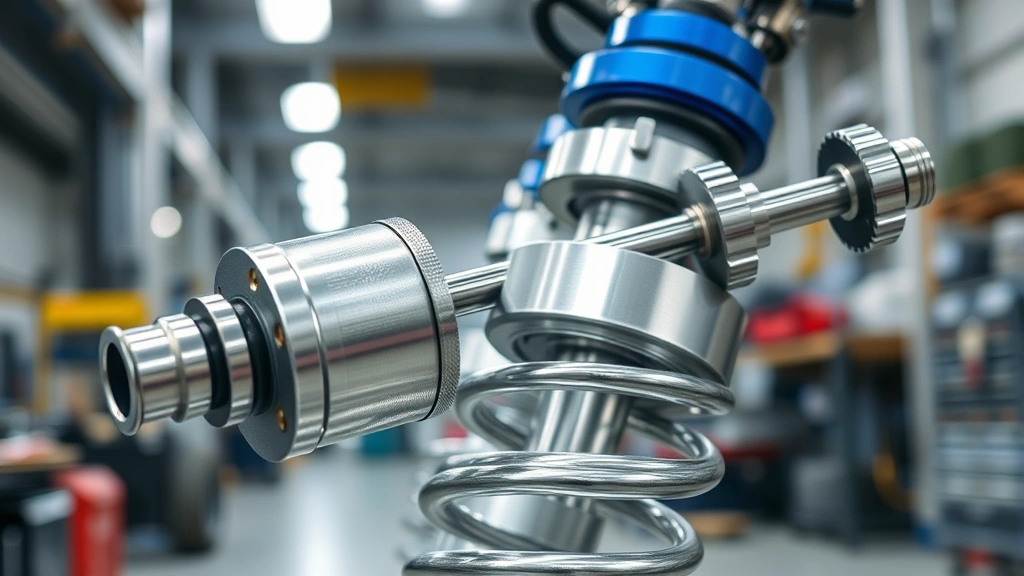
A gas strut, also known as a gas spring or pneumatic damper, is a mechanical device containing pressurized nitrogen gas sealed within a cylinder. The gas provides controlled force that assists in lifting, lowering, or holding objects in specific positions. These components have revolutionized countless applications by replacing traditional mechanical springs, hydraulic systems, and manual support mechanisms.
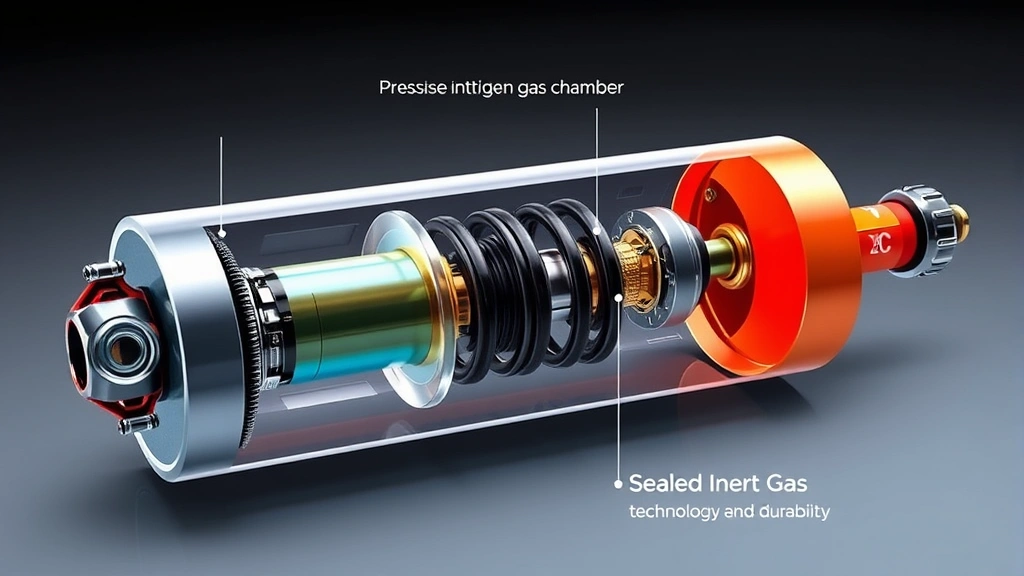
The basic structure consists of a cylinder, piston rod, and piston head, all precisely engineered to maintain consistent pressure. When the piston moves, the gas expands or compresses, creating smooth, controlled motion. This technology is found in car trunk lids, computer monitor arms, medical equipment, industrial machinery, and contemporary furniture design. The widespread adoption reflects their superior performance characteristics including durability, precision, and reliability.
Understanding how gas struts function provides crucial context for evaluating their environmental impact. Unlike mechanical springs that can fatigue and weaken over time, or hydraulic systems requiring fluid maintenance and replacement, gas struts maintain consistent performance throughout their operational life. This durability translates directly into environmental benefits through extended product lifecycles and reduced replacement frequency.
Environmental Benefits of Gas Strut Technology
Gas struts offer several compelling environmental advantages that position them favorably within the sustainability spectrum. First, their exceptional durability means products equipped with gas struts remain functional longer, reducing the frequency of replacement and the associated manufacturing waste. A well-designed gas strut can provide reliable service for 15-20 years or more, significantly extending product lifespan compared to traditional spring mechanisms.
The efficiency of gas strut operation contributes to broader sustainability goals. In automotive applications, lighter-weight gas struts reduce overall vehicle mass compared to mechanical alternatives, which improves fuel efficiency and reduces emissions throughout the vehicle’s operational life. This seemingly minor component choice compounds across millions of vehicles to create meaningful environmental impact. When exploring advantages of electric vehicles, weight reduction technologies like gas struts play an important supporting role.
Gas struts eliminate the need for hydraulic fluids, which present significant environmental hazards if leaked or improperly disposed. Nitrogen, the primary working fluid in gas struts, is an inert, non-toxic gas comprising 78% of Earth’s atmosphere. Unlike hydraulic oils that can contaminate soil and water, nitrogen poses no environmental threat if released. This fundamental distinction makes gas struts substantially safer for ecosystems compared to hydraulic-based alternatives.
The precision control offered by gas struts enables smoother, more efficient mechanical operation. In industrial applications, this precision reduces energy consumption and wear on surrounding components. Manufacturing facilities utilizing gas strut technology often report decreased maintenance requirements and extended equipment lifespan, translating to reduced resource consumption and waste generation.
Manufacturing and Material Sustainability
The sustainability profile of gas struts extends into manufacturing practices and material selection. Modern gas struts primarily utilize steel, aluminum, and engineered plastics—materials with well-established recycling infrastructure. These material choices reflect industry evolution toward more sustainable production methods and circular economy principles.
Steel components in gas struts are increasingly sourced from recycled content, reducing demand for virgin ore extraction and associated environmental degradation. Aluminum, while energy-intensive to produce initially, offers exceptional recyclability and lightweight properties that reduce transportation emissions. Progressive manufacturers now source materials from suppliers maintaining principles of sustainability throughout their supply chains.
Manufacturing processes for gas struts have become increasingly efficient. Precision engineering reduces material waste during production, while advanced machining techniques minimize energy consumption. Leading manufacturers have implemented ISO 14001 environmental management systems, establishing measurable goals for waste reduction, energy efficiency, and emissions management.
The nitrogen filling process represents another sustainability consideration. Modern facilities utilize closed-loop systems that capture and recycle excess nitrogen, preventing atmospheric release and reducing waste. This represents a significant improvement over older manufacturing methods that vented nitrogen directly to the atmosphere.
Coating and finishing processes have evolved to reduce environmental impact. Water-based coatings have largely replaced solvent-based alternatives in responsible manufacturing facilities, decreasing volatile organic compound emissions and reducing worker exposure to hazardous substances. These improvements reflect industry-wide commitment to aligning with green technology innovations principles.
Lifecycle Assessment and Carbon Footprint
Comprehensive lifecycle assessment (LCA) provides the most accurate measure of gas strut environmental impact. LCA examines every stage from raw material extraction through manufacturing, transportation, use, and disposal. When properly conducted, LCA reveals that gas struts typically demonstrate favorable environmental profiles compared to alternative support systems.
The production phase represents the most resource-intensive stage of a gas strut’s lifecycle. Material extraction, processing, machining, assembly, and testing all require energy and generate emissions. However, the relatively small size and light weight of gas struts minimize these impacts compared to larger mechanical components. A typical gas strut weighs only 200-500 grams, requiring substantially less material than equivalent mechanical spring systems.
Transportation represents a minimal lifecycle stage given gas struts’ compact size and light weight. Thousands of units fit within a single shipping container, resulting in extremely low per-unit transportation emissions. This efficiency advantage persists whether struts are shipped domestically or internationally, supporting global supply chains while maintaining reasonable carbon footprints.
The operational phase demonstrates gas struts’ most significant environmental advantage. Through extended product lifespan, reduced maintenance requirements, and improved energy efficiency in host applications, gas struts prevent substantial waste and emissions. In automotive contexts, fuel efficiency improvements from weight reduction accumulate across hundreds of thousands of kilometers, generating emissions savings far exceeding manufacturing impacts.
End-of-life considerations complete the lifecycle picture. Unlike many mechanical components, gas struts maintain integrity throughout their operational life without degradation of materials or function. This means products containing gas struts remain in service longer, delaying disposal and extending the period during which their embodied energy provides value. When eventual disposal occurs, the recyclable materials recover significant value while inert nitrogen safely disperses into the atmosphere.

Comparison with Alternative Support Systems
Evaluating gas struts’ sustainability requires direct comparison with alternative technologies. Traditional mechanical springs, while simple and durable, present several environmental disadvantages. Spring fatigue causes performance degradation over time, necessitating replacement more frequently than gas struts. This increased replacement frequency multiplies manufacturing impacts and generates unnecessary waste.
Hydraulic systems represent another common alternative, particularly in industrial applications. While hydraulic systems offer power and control, they require regular fluid maintenance, present contamination risks, and generate hazardous waste at disposal. Hydraulic fluid leaks represent serious environmental hazards to soil and water ecosystems. The complexity of hydraulic systems also increases manufacturing resource requirements and energy consumption.
Manual support mechanisms—chains, cables, friction brakes—require ongoing maintenance, generate worker safety concerns, and often necessitate replacement due to wear. These systems cannot match the reliability and longevity of gas struts, resulting in higher lifetime environmental costs through increased replacement frequency and maintenance activities.
When examining sustainable energy solutions, gas struts emerge as particularly valuable in renewable energy applications. Wind turbines, solar tracking systems, and hydroelectric facilities all benefit from gas strut reliability and longevity, supporting the transition toward clean energy infrastructure.
Pneumatic systems utilizing compressed air represent a partial alternative to gas struts. However, compressed air systems require ongoing energy input to maintain pressure, resulting in continuous energy consumption throughout operation. Gas struts, containing sealed pressurized nitrogen, require zero energy input after initial pressurization, providing superior efficiency for most applications.
Recycling and End-of-Life Considerations
The circular economy principle emphasizes designing products for eventual reuse and recycling. Gas struts align well with these principles through material composition and design characteristics. Steel and aluminum components constitute the vast majority of gas strut mass and possess well-established recycling pathways in most developed nations.
When gas struts reach end-of-life, they can be disassembled relatively easily, separating steel rod, aluminum cylinder, and plastic components for appropriate processing. Steel recycling conserves 75% of the energy required for virgin steel production while maintaining material properties indefinitely. Aluminum recycling requires only 5% of the energy necessary for primary aluminum production, making recycled aluminum substantially more sustainable than virgin material.
The nitrogen gas sealed within gas struts presents no recycling challenge. Upon disassembly, nitrogen naturally disperses into the atmosphere without environmental consequence. This contrasts sharply with hazardous fluids in alternative systems that require specialized handling and treatment before disposal.
Progressive manufacturers now design gas struts with disassembly and recycling in mind, utilizing reversible fasteners and separable components that facilitate material recovery. Some manufacturers have established take-back programs, accepting used gas struts for refurbishment or recycling, reducing landfill disposal and extending material lifecycles.
Extended producer responsibility (EPR) frameworks increasingly require manufacturers to manage end-of-life product disposition. Gas struts’ recyclable composition positions manufacturers to meet EPR obligations cost-effectively while supporting environmental sustainability examples in their industries.
Industry Standards and Certifications
Responsible gas strut manufacturers maintain certifications and adherence to environmental standards that verify sustainability claims. ISO 14001 certification demonstrates commitment to environmental management systems, establishing measurable objectives for waste reduction, emissions control, and resource efficiency. Facilities holding this certification undergo regular audits ensuring continuous improvement.
ISO 9001 quality management certification ensures products meet stringent performance standards, supporting the durability and longevity that define gas struts’ environmental advantages. Consistent quality reduces product failures and premature replacement, directly supporting sustainability goals.
The International Organization for Standardization (ISO) has developed specific standards for gas springs and dampers, including ISO 6552 and ISO 11581, which establish performance requirements and safety parameters. Adherence to these standards ensures products deliver promised durability and reliability, supporting extended product lifecycles.
Environmental Product Declarations (EPDs) represent another important certification. Manufacturers obtaining third-party verified EPDs provide transparent information about environmental impacts throughout product lifecycles. These declarations enable informed comparison between competing products and support procurement decisions aligned with sustainability objectives.
Some manufacturers pursue cradle-to-cradle certification, demonstrating that their products are designed for continuous cycling through biological or technical nutrient cycles. While few gas struts currently hold this certification, increasing adoption represents an emerging trend toward enhanced circular economy integration.
Regulatory compliance with the Environmental Protection Agency standards and equivalent international regulations ensures manufacturers maintain environmental responsibility throughout operations. Progressive facilities exceed minimum regulatory requirements, implementing voluntary measures supporting broader sustainability objectives.
Industry associations including the Fluid Power Association promote best practices for environmental stewardship, energy efficiency, and sustainable manufacturing. Member manufacturers commit to continuous improvement and knowledge sharing, advancing industry-wide sustainability performance.
FAQ
Are gas struts truly eco-friendly compared to mechanical springs?
Yes, gas struts demonstrate superior environmental credentials compared to traditional mechanical springs. Their extended lifespan (15-20+ years versus 5-10 years for springs) means fewer replacements, reducing manufacturing waste and resource consumption. Gas struts maintain consistent performance without fatigue-related degradation, while springs weaken over time. The weight reduction they enable in products translates to emissions savings throughout operational life, further enhancing their environmental profile. For detailed exploration of how technologies contribute to sustainability, review SustainWise Hub Blog articles examining component-level environmental impacts.
Do gas struts leak nitrogen and harm the environment?
Properly manufactured and maintained gas struts rarely leak. Modern manufacturing techniques and quality control ensure seal integrity throughout operational life. Even if nitrogen were released, it would pose no environmental harm since nitrogen comprises 78% of Earth’s atmosphere and is completely inert. This represents a fundamental advantage over hydraulic systems, where fluid leaks create serious environmental contamination risks. Manufacturing facilities utilize closed-loop nitrogen systems that capture and recycle excess gas, preventing atmospheric waste.
Can gas struts be recycled?
Absolutely. Gas struts consist primarily of recyclable steel and aluminum, with plastic components also recoverable through appropriate facilities. Steel recycling saves 75% of virgin production energy, while aluminum recycling requires only 5% of primary production energy. The nitrogen gas safely disperses into the atmosphere during disassembly. Many manufacturers now operate take-back programs accepting used struts for refurbishment or material recovery, supporting circular economy principles and reducing landfill disposal.
How do gas struts reduce carbon footprint in vehicles?
Gas struts contribute to vehicle weight reduction compared to mechanical alternatives, improving fuel efficiency and reducing emissions throughout the vehicle’s operational life. In a typical car, hood support struts represent only one of thousands of weight-reduction opportunities, but collectively these small optimizations yield significant emissions reductions across vehicle fleets. The durability of gas struts means vehicles maintain this efficiency advantage throughout their operational lives without performance degradation.
What certifications verify gas strut environmental responsibility?
Look for ISO 14001 environmental management certification, indicating manufacturers maintain systematic approaches to reducing environmental impact. ISO 9001 quality certification ensures consistent product performance supporting extended lifespan. Environmental Product Declarations (EPDs) provide transparent lifecycle assessment data. Some manufacturers pursue cradle-to-cradle certification demonstrating design for continuous material cycling. Regulatory compliance with EPA and international environmental standards represents a baseline expectation for responsible manufacturers.
Are there situations where gas struts are not the most sustainable choice?
In rare applications requiring extremely high force output, traditional hydraulic systems may prove more efficient despite fluid management challenges. For temporary, single-use applications, simple mechanical solutions might minimize overall resource consumption. However, for most permanent installations where durability and reliability matter, gas struts deliver superior environmental performance through extended lifespan and reduced maintenance. Evaluating specific application requirements ensures appropriate technology selection aligned with sustainability objectives.


