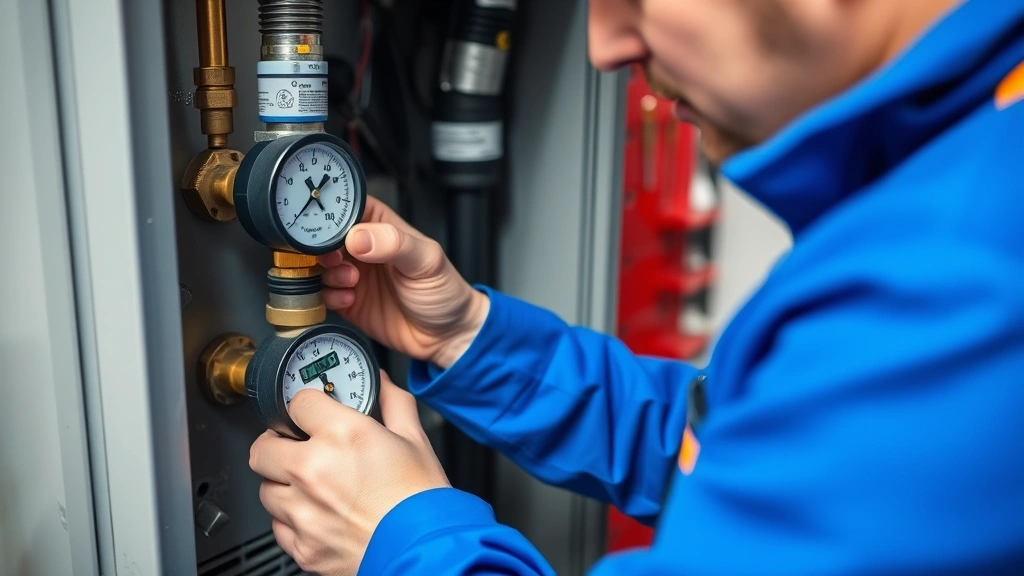
Gas Valve Maintenance: Essential Safety Tips for Your Furnace
A gas valve for furnace systems is one of the most critical safety components in your home’s heating infrastructure. This small but mighty device controls the flow of natural gas to your furnace burner, making it essential for both efficient operation and household safety. Neglecting proper maintenance of your gas valve can lead to dangerous gas leaks, reduced heating efficiency, and costly repairs down the line. Understanding how to maintain your furnace’s gas valve is not just about comfort—it’s about protecting your family and reducing unnecessary energy waste.
Regular maintenance of your gas valve for furnace systems aligns perfectly with broader sustainability practices to reduce your environmental footprint. A well-maintained furnace operates more efficiently, consuming less natural gas and producing fewer emissions. This connection between home safety and environmental responsibility makes gas valve maintenance an important part of your household’s overall sustainability strategy. In this comprehensive guide, we’ll explore everything you need to know about maintaining your furnace’s gas valve safely and effectively.
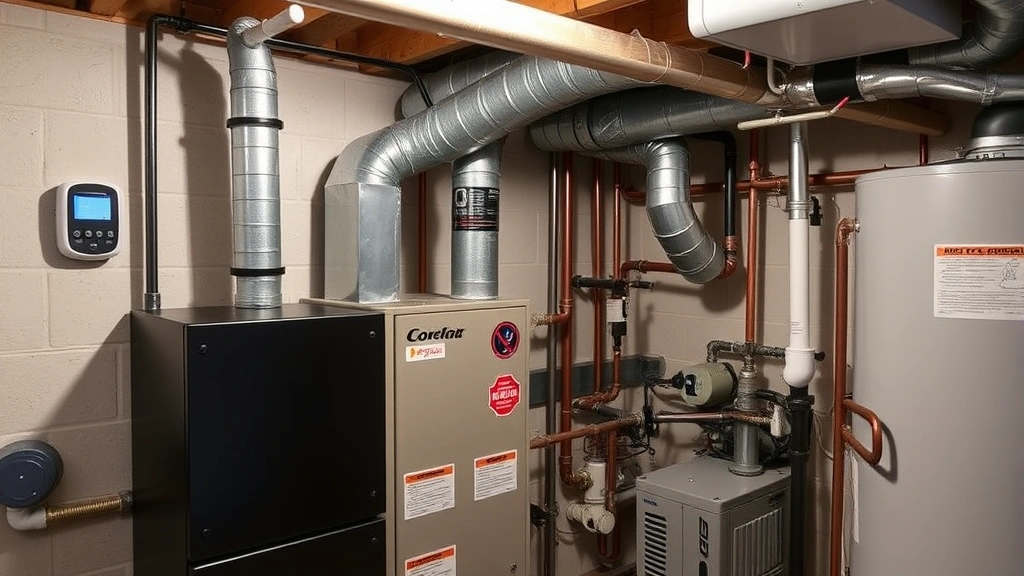
Understanding Your Gas Valve for Furnace Systems
A gas valve for furnace operation serves as the gatekeeper between your home’s gas supply and the combustion chamber. This sophisticated device contains multiple components working in harmony: the solenoid coils that respond to electrical signals, the diaphragm that opens and closes the valve, and the safety mechanisms that prevent gas leaks. Modern furnaces typically use one of two types of gas valves: standing pilot valves, which use a constantly burning pilot light to ignite the main burner, or electronic ignition valves, which use spark or hot surface ignition methods.
The gas valve for furnace systems must meet strict safety standards set by organizations like the American Gas Association. These valves are engineered to shut off gas supply immediately if the pilot light goes out or if the furnace reaches unsafe temperatures. Understanding these mechanisms helps homeowners appreciate why regular maintenance is crucial. When your gas valve functions properly, it ensures your furnace operates at peak efficiency while maintaining the safety standards your family depends on.
Exploring sustainable energy solutions for home heating can complement your gas valve maintenance efforts. Many homeowners are discovering that proper furnace maintenance extends equipment life and reduces the need for emergency replacements, ultimately supporting more sustainable consumption patterns.
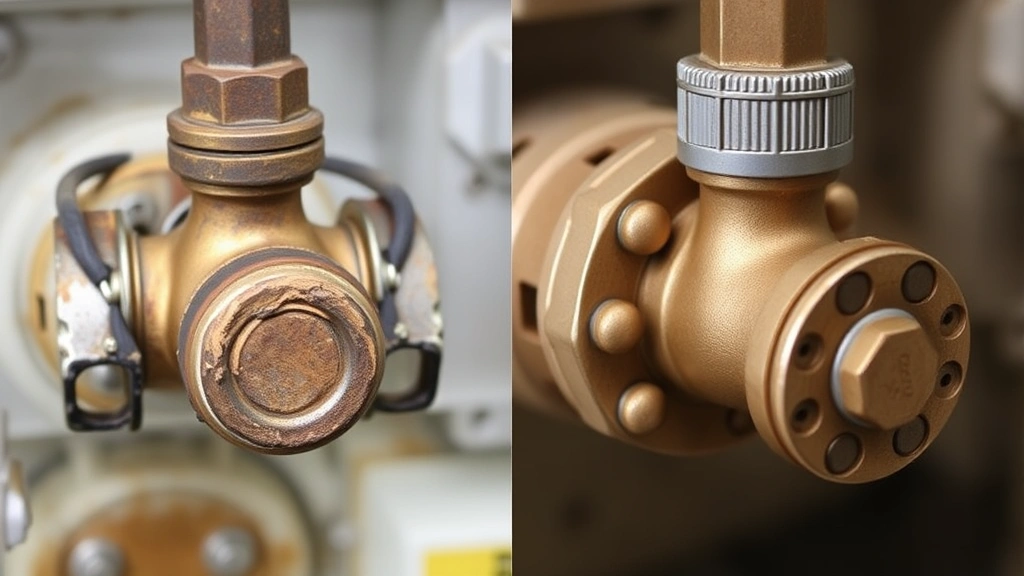
Signs Your Gas Valve Needs Maintenance
Recognizing warning signs early can prevent dangerous situations and costly repairs. If you notice your furnace struggling to ignite, taking multiple attempts to start, or producing weak heat output, your gas valve for furnace systems may need attention. A hissing or whistling sound coming from your furnace area indicates potential gas leaks around the valve. Strange odors, particularly the rotten egg smell added to natural gas for safety purposes, require immediate professional attention.
Other indicators include:
- Inconsistent heating throughout your home, suggesting the gas valve isn’t opening fully
- Visible rust or corrosion on the valve body or connections
- Yellow or orange flames in your furnace, indicating incomplete combustion due to improper gas flow
- Increased energy bills without corresponding usage increases
- Pilot light going out frequently, suggesting safety valve malfunction
- Gas smell near the furnace, even faint odors warrant investigation
Don’t ignore these signs. A malfunctioning gas valve for furnace systems poses serious safety risks including carbon monoxide production and gas leaks. Trust your instincts—if something seems wrong, contact a professional technician immediately.
Safety Precautions Before Starting Maintenance
Before attempting any gas valve for furnace maintenance, prioritize safety above all else. First, locate your furnace’s emergency shut-off switch and ensure you know how to use it. Most furnaces have a switch near the unit itself and another at the top of your basement stairs. Never attempt to repair a gas valve for furnace systems unless you’re a certified HVAC technician, as improper handling can result in gas leaks or explosions.
Essential safety steps include:
- Turn off the furnace at both the thermostat and the main power switch
- Allow the furnace to cool for at least 15-20 minutes before inspection
- Locate the gas shut-off valve and familiarize yourself with its operation
- Install a carbon monoxide detector if you haven’t already
- Never use open flames to check for gas leaks; use soapy water instead
- Ensure adequate ventilation in your furnace area
- Keep children and pets away during any maintenance work
If you detect a strong gas smell, evacuate your home immediately and call your gas utility’s emergency line from outside. Do not turn on or off any electrical switches, as they could ignite escaping gas.
Step-by-Step Maintenance Guide
While professional maintenance is essential, understanding the basic maintenance process helps you communicate effectively with technicians and recognize when problems occur. A typical gas valve for furnace maintenance inspection includes several key steps that HVAC professionals perform annually.
Visual Inspection: Professionals examine the gas valve for furnace systems for visible signs of corrosion, cracks, or loose connections. They check all gas line connections, looking for dirt buildup or mineral deposits that could impede proper function. The valve body is inspected for any signs of wear or damage that might compromise safety.
Testing Gas Flow: Technicians verify that the gas valve for furnace operation opens and closes smoothly in response to thermostat signals. They measure gas pressure using specialized equipment to ensure it falls within manufacturer specifications. Improper pressure indicates potential valve problems or issues with your gas supply.
Cleaning Components: Over time, dust and debris accumulate around your gas valve for furnace systems. Professional cleaning removes these contaminants, ensuring proper airflow and preventing overheating. The valve’s solenoid coils are carefully cleaned without damaging delicate internal components.
Safety Function Testing: The furnace’s safety shutoff mechanisms are tested to confirm they respond correctly to temperature changes and pilot light problems. This ensures your gas valve for furnace systems will protect your home in emergency situations.
These maintenance tasks should be performed annually by certified professionals. Regular maintenance extends equipment life and maintains the safety features your family depends on.
Professional Inspection and Testing
Annual professional inspection of your gas valve for furnace systems is non-negotiable for safety and efficiency. Certified HVAC technicians have specialized equipment and training to thoroughly evaluate your furnace’s gas valve for furnace operation. They can detect problems invisible to homeowners and perform adjustments that optimize performance.
During a professional inspection, technicians:
- Use pressure gauges to verify gas valve settings match manufacturer specifications
- Employ combustion analyzers to ensure complete fuel burning and minimal emissions
- Test all safety interlocks and automatic shutoff mechanisms
- Inspect gas supply lines for leaks using specialized leak detection equipment
- Clean or replace furnace filters and check airflow patterns
- Document all findings and provide recommendations for any needed repairs
Professional maintenance also provides documentation proving your furnace receives proper care, which protects your home warranty and increases resale value. Many insurance companies offer discounts for homes with documented annual furnace maintenance, offsetting service costs.
When searching for qualified technicians, verify they’re certified by the North American Technician Excellence (NATE) program or equivalent. Ask about their experience with your specific furnace model and request detailed written estimates before authorizing work.
Energy Efficiency and Environmental Impact
Proper maintenance of your gas valve for furnace systems directly impacts your home’s energy efficiency and environmental footprint. A well-maintained furnace operates at peak efficiency, using less natural gas to produce the same heat output as a neglected system. This translates to lower energy bills and reduced greenhouse gas emissions—a win-win for your wallet and the planet.
An efficient furnace produces fewer emissions and wastes less energy as heat escaping through venting systems. Over a heating season, the difference between a well-maintained and poorly maintained furnace can amount to hundreds of dollars in wasted energy and unnecessary carbon emissions. When you consider that heating accounts for roughly 42% of residential energy consumption, proper gas valve for furnace maintenance becomes a significant component of household sustainability.
Understanding how your furnace contributes to your overall sustainability principles encourages responsible maintenance habits. Many homeowners discover that investing in annual furnace maintenance actually reduces their lifetime environmental impact compared to delaying repairs until catastrophic failure forces replacement with a new unit.
Consider also that natural gas is a fossil fuel. While necessary for many homes, reducing consumption through efficient operation aligns with broader climate goals. Some forward-thinking homeowners use furnace efficiency improvements as a stepping stone toward eventually transitioning to renewable heating sources or heat pumps when feasible.
Common Gas Valve Problems and Solutions
Stuck or Sticking Valve: If your gas valve for furnace systems sticks, the furnace may not receive adequate gas or may not shut off completely. Causes include mineral deposits from hard water, corrosion, or debris. Professional cleaning often resolves this issue, though severely damaged valves require replacement.
Solenoid Coil Failure: The solenoid coils that operate your gas valve for furnace function can fail due to electrical surges, manufacturing defects, or age-related wear. Symptoms include furnace not igniting or pilot light problems. Solenoid replacement is straightforward for professionals but requires proper tools and knowledge.
Diaphragm Damage: The flexible diaphragm inside your gas valve for furnace operation can develop cracks or tears, preventing proper valve operation. This component is particularly vulnerable to pressure fluctuations and water damage. Replacement is typically the solution.
Gas Leaks Around Connections: Over time, threaded connections on your gas valve for furnace systems can loosen or corrode, causing small leaks. Professional technicians can tighten connections or replace damaged fittings using proper sealants that comply with gas safety codes.
Pilot Light Issues: If your pilot light won’t stay lit, the problem may originate with your gas valve for furnace safety mechanisms. A faulty thermocouple or corroded pilot orifice could prevent gas flow to the pilot. Professional diagnosis determines whether cleaning or replacement is needed.
Reduced Gas Pressure: Sometimes the issue isn’t the gas valve itself but pressure regulation. Your gas valve for furnace systems requires specific pressure to operate correctly. If pressure is too low, the furnace won’t heat properly. If too high, safety mechanisms may malfunction. Pressure regulators can usually be adjusted by professionals.
FAQ
How often should I have my gas valve for furnace inspected?
Annual inspection is the industry standard recommendation. Many HVAC professionals suggest scheduling inspection in early fall before heating season begins. If you use your furnace year-round or live in a cold climate with extended heating seasons, consider twice-yearly inspections.
Can I clean my gas valve myself?
No. Gas valves contain delicate internal components that require specialized knowledge and tools to service safely. Improper cleaning can damage the valve or create dangerous gas leaks. Always hire certified HVAC technicians for gas valve for furnace maintenance.
What does a gas valve inspection cost?
Professional inspection typically costs $100-$200, though prices vary by region and service provider. Many companies offer package deals combining furnace inspection with cleaning and filter replacement at reduced rates. This investment is small compared to emergency repair costs.
How long does a gas valve last?
Well-maintained gas valves typically last 15-20 years. Lifespan depends on water quality, furnace usage patterns, and maintenance frequency. Hard water areas may experience shorter valve life due to mineral buildup.
What should I do if I smell gas near my furnace?
Evacuate immediately and call your gas utility’s emergency line from outside your home. Do not turn electrical switches on or off. Don’t attempt to locate the leak yourself. Wait for professionals to arrive before re-entering.
Is furnace maintenance covered by homeowner’s insurance?
Standard homeowner’s insurance doesn’t cover routine maintenance. However, some insurers offer discounts for documented annual furnace maintenance. Check with your agent about available discounts.
Can a faulty gas valve damage my furnace?
Yes. A malfunctioning gas valve for furnace systems can cause incomplete combustion, which damages heat exchangers and other components. This is why prompt repair is crucial—delaying fixes transforms a simple valve problem into major furnace damage.
What’s the difference between standing pilot and electronic ignition valves?
Standing pilot valves use a constantly burning pilot light to ignite the main burner, while electronic ignition valves use electrical sparks or hot surface ignition. Electronic ignition is more efficient and safer. If you have an older furnace with standing pilot ignition, upgrading to electronic ignition improves efficiency.
Should I replace my entire furnace if the gas valve fails?
Almost never. Gas valve replacement is typically the most cost-effective solution. Unless your furnace is very old and inefficient, replacing just the valve makes financial and environmental sense compared to premature furnace replacement.
How can I prevent gas valve problems?
Schedule annual professional maintenance, change furnace filters regularly, ensure proper ventilation around your furnace, and address any heating problems immediately rather than ignoring them. These habits extend your gas valve’s lifespan significantly.
For comprehensive information about home heating systems, visit the EPA Energy Efficiency Programs website. The American Council for an Energy-Efficient Economy provides excellent resources on improving home heating efficiency. For safety standards information, consult the American Gas Association website.
Understanding your gas valve for furnace systems and maintaining it properly protects your home, reduces energy consumption, and supports your broader sustainability goals. Regular professional maintenance is a small investment that pays dividends in safety, comfort, and environmental responsibility. Don’t delay—schedule your annual furnace inspection today and enjoy peace of mind throughout the heating season.


