
Eco-Friendly Grilling Tips: Chef’s Insights for Sustainable Burger Grilling
Grilling burgers on a gas grill doesn’t have to come at the expense of environmental responsibility. As a sustainability-focused chef, I’ve spent years perfecting techniques that deliver restaurant-quality results while minimizing our carbon footprint. The intersection of culinary excellence and ecological consciousness is not just possible—it’s increasingly essential as we face climate challenges and resource constraints.
Whether you’re a weekend griller or someone who takes outdoor cooking seriously, adopting eco-friendly practices transforms your grilling routine into a statement about your values. From selecting sustainable beef sources to optimizing gas consumption and reducing waste, every decision matters. This comprehensive guide combines professional culinary expertise with environmental science to show you how to grill responsibly without sacrificing flavor or performance.
Sourcing Sustainable Beef for Your Burgers
The foundation of eco-friendly burger grilling begins long before you fire up your gas grill. Beef production represents one of the most resource-intensive food systems, accounting for significant greenhouse gas emissions and land use. However, not all beef is created equal in terms of environmental impact.
Look for beef from ranches practicing regenerative agriculture, where cattle graze on pastureland that actively sequesters carbon and restores soil health. USDA-certified grass-fed beef comes from animals that spent their entire lives on pasture rather than in feedlots, resulting in lower methane emissions and better animal welfare standards. When shopping, seek certifications from reputable organizations that verify sustainable practices.
Consider supporting local farmers and ranchers in your region. Sourcing beef locally reduces transportation emissions—a significant component of the food product’s carbon footprint. Local beef also typically arrives fresher, allowing you to achieve better browning and flavor when grilling burgers. Building relationships with local meat suppliers often means you can ask detailed questions about their grazing practices and environmental stewardship.
Ground beef quality matters tremendously for burger success. Ask your butcher for freshly ground beef with an 80/20 fat-to-lean ratio, which creates juicier patties that cook more evenly on your gas grill. Fresh grinding, done just before purchase, yields superior flavor and texture compared to pre-packaged options that may have oxidized.
Optimizing Gas Grill Efficiency
Gas grills offer inherent efficiency advantages over charcoal alternatives when used properly. Unlike charcoal, which requires significant energy to reach proper temperatures and burns continuously regardless of cooking needs, gas provides instant heat that you control precisely. This efficiency translates to lower fuel consumption and reduced emissions when you implement proper techniques.
Start by ensuring your grill is properly maintained. Clean grates before each use—accumulated grease and food debris create hot spots and uneven heat distribution, forcing you to cook longer than necessary. A clean grill reaches target temperatures faster and maintains consistent heat, reducing the time your burners run.
Invest in a quality grill thermometer rather than relying on built-in temperature gauges, which are notoriously inaccurate. Knowing your exact cooking temperature allows you to hit the sweet spot for burger cooking—typically 375-400°F—without overshooting and wasting fuel. Sustainable energy solutions in outdoor cooking begin with understanding and controlling your equipment’s performance.
Check your gas connections regularly for leaks. A small leak wastes fuel and increases your carbon footprint unnecessarily. Apply soapy water to all connections and look for bubbles indicating escaping gas. Tighten connections as needed and replace worn hoses or regulators.
Consider upgrading to a high-efficiency gas grill if your current model is aging. Modern grills incorporate better insulation, improved burner design, and more precise temperature controls that consume significantly less gas while delivering superior results. The environmental payback from reduced fuel consumption often justifies the investment within a few seasons.
Temperature Management and Fuel Conservation
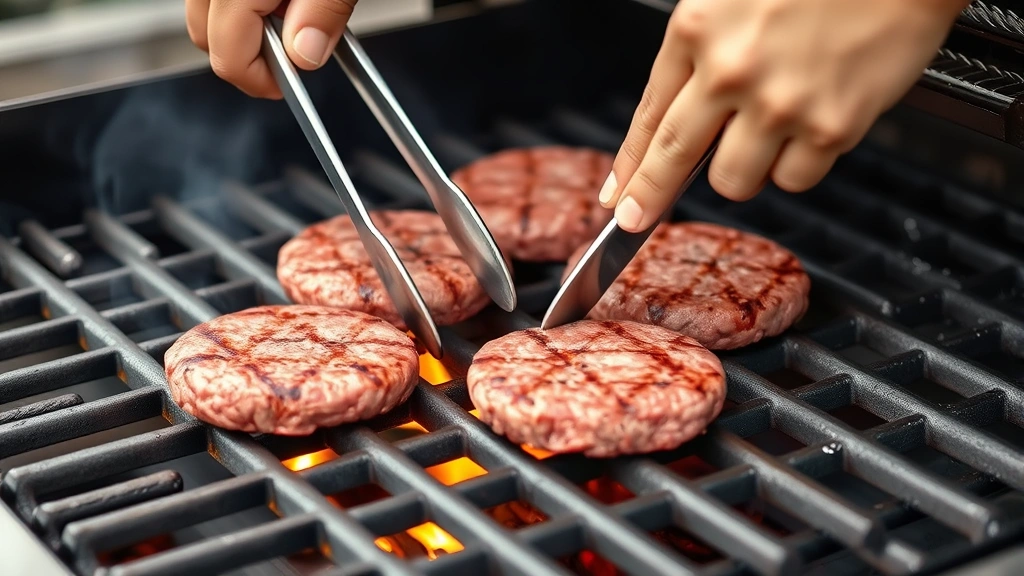
Mastering temperature management is crucial for sustainable burger grilling. Preheat your grill for only 10-15 minutes rather than the 20-30 minutes some recipes recommend. Modern grills reach optimal cooking temperature quickly; extended preheating wastes fuel without improving results.
Use a two-zone heating approach: create a hot zone for searing burgers and a cooler zone for finishing. Start burgers on high heat for 2-3 minutes per side to develop the flavorful crust, then move them to medium heat to finish cooking through. This technique minimizes total cooking time and fuel consumption while achieving perfect doneness.
Cook burgers in batches rather than staggering them throughout the session. Cooking multiple burgers simultaneously maintains grill temperature efficiency and reduces the time your burners run. If you’re grilling for a crowd, batch cooking actually consumes less total fuel than cooking a few burgers spread across a longer period.
Keep your grill lid closed during cooking. An open lid causes heat loss, forcing your burners to work harder maintaining temperature. The enclosed environment creates an oven-like effect that cooks burgers more evenly while using significantly less gas. This is especially important when finishing burgers on lower heat.
Monitor burger thickness consistency. Uniform patty thickness ensures even cooking and prevents overcooking thin burgers or undercooking thick ones. Aim for patties about three-quarters of an inch thick—thick enough to develop a good crust while cooking through in reasonable time, thin enough to avoid excessive fuel consumption.
Sustainable Grilling Accessories and Equipment
The accessories you choose for your grilling setup impact both efficiency and environmental footprint. Invest in quality tools that last rather than disposable alternatives. A durable spatula, tongs, and grill brush made from stainless steel will serve you for decades, whereas plastic-handled tools typically need replacement within a few seasons.
Use reusable grill mats or cast-iron cooking surfaces instead of disposable aluminum foil packets or parchment paper. These sustainable alternatives distribute heat evenly, prevent food from sticking, and eliminate single-use waste. Cast iron, in particular, improves with age and use, developing seasoning that enhances flavor while requiring minimal maintenance.
Choose natural charcoal briquettes over chemical-laden varieties if you occasionally supplement gas grilling. Sustainable charcoal comes from responsibly managed forests and contains no petroleum-based binders or ignition accelerants. However, for your primary burger grilling, gas remains more efficient overall.
Consider solar-powered grill lights for evening cooking sessions rather than battery-powered or electric alternatives. Modern LED solar lights provide adequate illumination for grilling while using zero fuel or electricity during operation. They charge during the day and provide several hours of light after sunset.
When it comes to propane, explore local propane refill services rather than purchasing new cylinders. Refilling existing tanks reduces manufacturing waste and is more economical. Some communities offer propane exchange programs; while convenient, these typically involve purchasing a pre-filled tank rather than refilling your existing one.
Reducing Waste in Your Grilling Process
Sustainable grilling extends beyond the cooking process itself. Plan your menu to minimize food waste. Calculate burger quantities precisely based on your guest count rather than grilling excess that may be discarded. Leftover cooked burgers can be refrigerated and used in other dishes, but preventing overproduction is preferable.
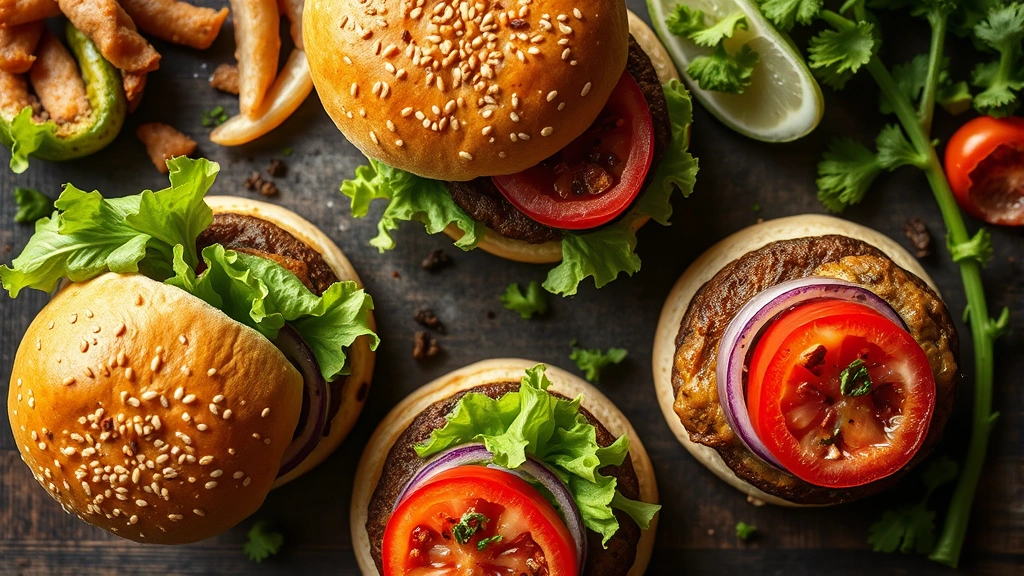
Compost vegetable scraps from burger toppings—lettuce trimmings, tomato cores, onion skins. These organic materials constitute a significant portion of household waste yet decompose quickly in compost systems, returning nutrients to soil rather than taking up landfill space. If you lack a compost system, many communities offer municipal composting programs.
Use whole-grain buns from local bakeries rather than packaged white bread buns. Local bakeries typically use minimal packaging, source ingredients regionally, and produce fresher products. The superior flavor of artisanal buns makes them worth the effort to find and often costs less than branded supermarket alternatives.
Prepare sustainable condiments and toppings at home rather than relying on individually packaged options. Make your own burger sauce, pickle your own onions, and prepare fresh vegetable toppings. This approach reduces packaging waste, typically costs less, and allows you to control ingredients and flavors precisely.
Save grease and fat from burger cooking. Rather than discarding it, strain cooled fat into glass jars for later cooking use. This recovered fat works wonderfully for roasting vegetables, cooking potatoes, or making pie crust. Utilizing every component of your ingredients aligns with zero-waste cooking principles.
Alternative Grilling Methods Worth Considering
While gas grilling offers efficiency advantages, exploring alternative methods helps you make informed decisions about your fuel choices. Each grilling method carries different environmental implications worth understanding.
Electric grilling represents an increasingly viable option, especially in regions with renewable energy sources. Modern electric grills deliver consistent heat control and require no fuel combustion. If your electricity comes from wind, solar, or hydroelectric sources, electric grilling becomes genuinely carbon-neutral. Even grid electricity, which includes fossil fuels in most regions, produces fewer emissions per unit of heat than gas combustion.
Charcoal grilling, while less efficient than gas, offers opportunities for sustainability. Using responsibly sourced charcoal from managed forests reduces environmental impact. Charcoal made from agricultural waste products—such as coconut shells or agricultural residues—represents an emerging sustainable option that upcycles materials otherwise destined for waste.
Hybrid approaches allow you to leverage multiple fuel sources. Some advanced grills incorporate both gas and charcoal capabilities, letting you choose the most appropriate method for each cooking situation. For burgers specifically, gas provides superior efficiency, but understanding these alternatives informs your overall sustainable living practices.
Consider the embodied carbon in grill manufacturing. A well-maintained gas grill used for years has lower total environmental impact than frequently replacing inferior models. Durability and repairability matter more than the fuel source when evaluating true sustainability.
Explore environmental sustainability examples in your community. Many regions have programs promoting sustainable outdoor cooking practices or offering rebates for efficient grill upgrades. Learning what your neighbors and local sustainability organizations recommend provides context-specific guidance for your situation.
Wood-fired grilling, while less common for burgers, deserves mention for completeness. Using sustainably harvested firewood from managed forests creates atmospheric carbon only equivalent to what those trees would release through natural decomposition. However, wood fires require significant skill to control temperature precisely for burger cooking, making gas preferable for this specific application.
Frequently Asked Questions
What’s the best temperature for grilling burgers on a gas grill?
Heat your gas grill to 375-400°F. Sear burgers at high heat for 2-3 minutes per side to develop a flavorful crust, then finish on medium heat until reaching your desired doneness. Use a meat thermometer: 160°F for well-done, 145°F for medium, 130°F for medium-rare. This approach balances fuel efficiency with culinary results.
How long should I preheat my gas grill?
Ten to fifteen minutes suffices for most gas grills to reach optimal cooking temperature. Extended preheating wastes fuel unnecessarily. Modern grills with good insulation reach target temperatures even faster. Check your grill’s thermometer to confirm readiness rather than following arbitrary time guidelines.
Can I reduce my gas grill’s environmental impact?
Absolutely. Source sustainable beef, maintain your grill properly, use two-zone cooking, keep the lid closed, cook in batches, and minimize food waste. These practices collectively reduce fuel consumption and environmental impact significantly. Regular maintenance alone can improve efficiency by 15-20%.
Is grass-fed beef actually more sustainable?
Grass-fed beef from well-managed ranches typically has lower environmental impact than feedlot beef. Regenerative grazing sequesters soil carbon, improves soil health, and supports biodiversity. However, focus on local sourcing and specific farming practices rather than assuming all grass-fed beef is equally sustainable.
What should I do with leftover burger grease?
Strain cooled fat into glass jars and refrigerate for future cooking. This recovered fat works excellently for roasting vegetables, cooking potatoes, or making pie crust. Using every component of your ingredients reduces waste and saves money while adding rich flavor to other dishes.
Are electric grills truly more sustainable than gas?
Electric grills are more sustainable in regions with renewable energy sources. Even with grid electricity containing fossil fuels, electric grills typically produce fewer emissions than gas combustion. Consider your local energy sources when evaluating this option for your situation.
How often should I clean my gas grill?
Clean grates before each grilling session using a grill brush. Deep cleaning—including inside surfaces and burner areas—should happen seasonally or when you notice performance changes. Regular cleaning improves heat distribution, reduces cooking time, and enhances fuel efficiency significantly.


