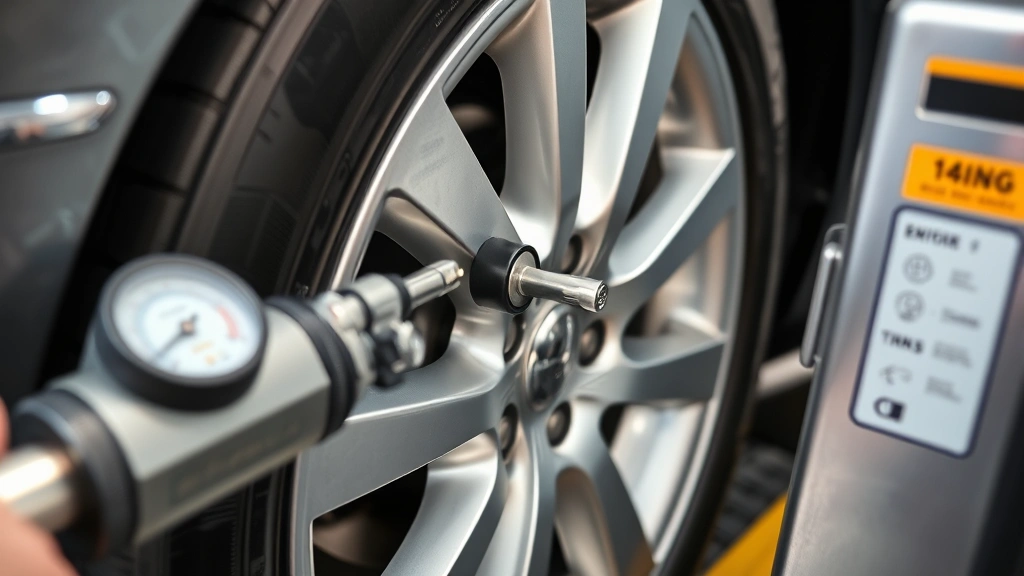
Nitrogen Tires: Eco-Friendly or Hype? Expert Review
Nitrogen-filled tires have become increasingly popular in recent years, with proponents claiming they offer environmental benefits, improved fuel efficiency, and longer tire life. But is this automotive trend genuinely sustainable, or is it clever marketing masking minimal real-world advantages? This comprehensive review examines the science behind nitrogen gas-filled tires, separates fact from fiction, and helps you determine whether switching to nitrogen is a worthwhile investment for your vehicle and the planet.
As consumers become more environmentally conscious, the appeal of nitrogen tires grows stronger. They promise reduced tire degradation, improved vehicle efficiency, and lower carbon footprints. However, the sustainability credentials of nitrogen tires deserve deeper scrutiny. Understanding the actual environmental impact requires looking beyond marketing claims and examining the production process, maintenance requirements, and genuine performance benefits.
What Are Nitrogen Tires and How Do They Work?
Nitrogen-filled tires contain pressurized nitrogen gas instead of regular compressed air. While regular air consists of approximately 78% nitrogen, 21% oxygen, and 1% other gases, nitrogen tire systems use nearly pure nitrogen (typically 93-95% pure). This seemingly subtle difference forms the foundation of all claims surrounding nitrogen tire technology.
The fundamental principle behind nitrogen tires relates to molecular behavior. Nitrogen molecules are larger than oxygen molecules, which theoretically reduces the rate at which gas molecules escape through tire rubber. Additionally, nitrogen exhibits less reactivity compared to oxygen, potentially reducing oxidative damage to tire compounds from the inside. These chemical properties create the theoretical basis for nitrogen’s benefits, though real-world applications prove more nuanced than the science might suggest.
Nitrogen tire technology isn’t new—it’s been used in aircraft, racing vehicles, and heavy-duty industrial equipment for decades. These applications benefit from nitrogen’s stability in extreme conditions and its resistance to pressure fluctuations caused by temperature changes. However, the transition from specialized applications to consumer vehicles requires evaluating whether these benefits translate meaningfully to everyday driving scenarios.
Environmental Benefits: Separating Fact from Marketing
The environmental case for nitrogen tires centers on three primary claims: improved fuel efficiency, extended tire lifespan, and reduced waste. Let’s examine each claim with scientific rigor.
Fuel Efficiency Improvements: Properly inflated tires—whether nitrogen or air-filled—reduce rolling resistance and improve fuel economy. Studies show that maintaining correct tire pressure improves fuel efficiency by 3-5%. However, this benefit applies equally to air-filled and nitrogen-filled tires. The marginal advantage of nitrogen comes from its slower pressure loss rate, which theoretically maintains optimal inflation longer between checks. In practice, this translates to perhaps 0.5-1% additional fuel savings if drivers maintain consistent pressure monitoring habits with air-filled tires.
The EPA’s fuel economy guidance emphasizes proper tire maintenance without specifically endorsing nitrogen, recognizing that the primary factor is maintaining manufacturer-recommended pressure regardless of the gas used.
Tire Lifespan Extension: Nitrogen’s lower oxidation rates theoretically reduce internal tire degradation. Independent testing shows nitrogen-filled tires may last 5-10% longer than air-filled equivalents under identical conditions. While this represents a genuine benefit, it’s modest compared to marketing claims suggesting dramatically extended tire life. Driving habits, road conditions, and alignment significantly outweigh the nitrogen advantage in determining tire longevity.
Waste Reduction Impact: If nitrogen tires last 5-10% longer, fewer tires require replacement annually, reducing waste and manufacturing demands. For a vehicle driven 12,000 miles yearly with tires lasting 40,000 miles, a 10% lifespan extension delays replacement by 4,000 miles or roughly 4 months. While this contributes to waste reduction, the impact remains marginal within overall tire industry dynamics.
The environmental benefit becomes more substantial when multiplied across millions of vehicles, but individual drivers shouldn’t expect transformative sustainability impact from switching to nitrogen alone. The real environmental advantage lies in combining nitrogen tires with other responsible practices like choosing electric vehicles and maintaining consistent vehicle maintenance.
Performance Advantages and Efficiency Gains
Beyond environmental claims, nitrogen tires offer several practical performance benefits that justify consideration for specific vehicle types and driving conditions.
Temperature Stability: Nitrogen’s lower thermal expansion rate means tire pressure fluctuates less dramatically with temperature changes. Regular air expands and contracts significantly, causing pressure to increase in summer heat and decrease in winter cold. Nitrogen minimizes this variation, maintaining more consistent tire pressure throughout seasonal changes. This proves particularly valuable in regions experiencing extreme temperature variations.
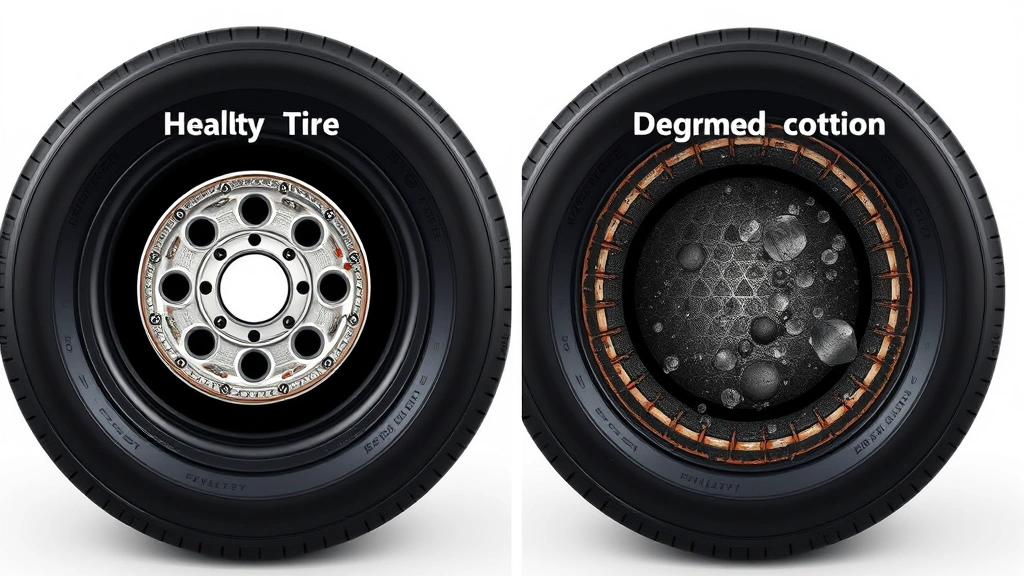
Reduced Moisture and Oxidation: Atmospheric air contains moisture that can condense inside tires, potentially causing internal corrosion and weakening tire structure. Nitrogen, being dry, eliminates this moisture concern. Additionally, oxygen’s oxidative properties gradually degrade tire rubber compounds from within. Pure nitrogen reduces this degradation, particularly important for vehicles in storage or subjected to extended periods without use.
Pressure Retention: Nitrogen molecules’ larger size reduces permeation through tire rubber. Studies indicate nitrogen-filled tires lose approximately 2-3% of pressure monthly, compared to 4-5% for air-filled tires. This difference means nitrogen-filled tires maintain optimal pressure longer between checks, reducing the likelihood of under-inflated driving.
For commercial fleets, racing teams, and vehicles in extreme climates, these performance advantages accumulate into meaningful benefits. For typical passenger vehicles in moderate climates, the practical advantages prove less compelling, though still present.
The Production and Sustainability Impact
Evaluating nitrogen tires’ true sustainability requires examining the entire production and distribution process, not just usage benefits.
Nitrogen Production Methods: Commercial nitrogen derives primarily from fractional distillation of liquefied air, a process requiring significant energy input. Alternatively, nitrogen generators use pressure swing adsorption (PSA) or membrane separation technologies to extract nitrogen from ambient air. The energy requirements for these processes vary considerably based on technology and scale.
When considering principles of sustainability, the energy intensity of nitrogen production matters. If the electricity powering nitrogen generation comes from renewable sources, the environmental impact decreases substantially. However, many tire shops utilize grid electricity with mixed energy sources, partially offsetting the efficiency gains achieved through nitrogen use.
Infrastructure Requirements: Nitrogen tire programs require specialized equipment, including nitrogen generators or bulk storage systems and trained personnel to perform installations. This infrastructure development carries environmental costs that must be amortized across the customer base. Small tire shops may struggle to justify equipment investments, concentrating nitrogen services at larger facilities and increasing transportation distances for consumers.
Supply Chain Considerations: Regular tire shops can serve customers immediately with air-filled tires. Nitrogen programs may require scheduling delays or special trips, potentially increasing vehicle miles traveled and associated emissions. For environmentally conscious consumers, these logistical inefficiencies partially negate the intended benefits.

Cost Analysis and Long-Term Value
Financial considerations significantly influence nitrogen tire adoption decisions and their practical sustainability impact.
Initial Costs: Nitrogen tire fills typically cost $5-10 per tire, totaling $20-40 for a standard four-tire vehicle. While individually modest, this represents additional expense compared to free air-filling at many service stations. Tire shops view nitrogen as a revenue-generating service, creating financial incentives to promote adoption regardless of genuine customer benefits.
Maintenance Expenses: Nitrogen-filled tires require refills at tire shops rather than convenient air pumps at gas stations. Refill frequencies typically occur every 6-12 months, depending on pressure loss rates and driving habits. This inconvenience creates ongoing costs and time investment that many consumers underestimate when adopting nitrogen systems.
Long-Term Value Proposition: Assuming 5-10% tire lifespan extension and modest fuel efficiency improvements, the cumulative savings over vehicle ownership might reach $100-300. Comparing this against nitrogen service costs ($200-500 over vehicle life) reveals that financial benefits prove marginal at best. For most consumers, the investment barely breaks even or generates minimal savings.
From a sustainability perspective, financial viability matters because economically irrational decisions discourage long-term environmental commitment. If consumers feel deceived or experience poor value, they become skeptical of future sustainability initiatives, undermining broader environmental progress.
Maintenance and Practical Considerations
The practical realities of nitrogen tire ownership often disappoint consumers expecting hassle-free operation.
Accessibility Challenges: Not all tire shops offer nitrogen services, particularly in rural areas or smaller communities. Consumers must locate facilities providing nitrogen fills, potentially requiring significant travel. This accessibility gap means many consumers cannot practically maintain nitrogen tire systems, compromising the technology’s intended benefits.
Mixed Gas Contamination: Tire shops must maintain separate equipment and hoses for nitrogen to prevent contamination with air. However, imperfect practices sometimes result in air contamination in nitrogen-filled tires. Even small percentages of regular air compromise the benefits nitrogen purportedly provides. Quality control varies significantly across service providers.
Pressure Monitoring Requirements: Nitrogen’s slower pressure loss rate doesn’t eliminate the need for regular pressure checks. Drivers must still monitor tire pressure monthly and before long trips. The marginal advantage over air-filled tires proves insufficient to eliminate basic maintenance responsibilities, yet marketing often implies otherwise.
Transition Complications: Converting between nitrogen and air systems requires complete tire deflation and refilling. If a driver switches vehicles, relocates to an area without nitrogen services, or decides to discontinue nitrogen use, the transition process adds cost and inconvenience. This lock-in effect reduces flexibility and consumer satisfaction.
Comparison with Air-Filled Alternatives
Evaluating nitrogen tires requires honest comparison with air-filled alternatives and other tire technologies.
Modern Air-Filled Tire Technology: Contemporary tire manufacturing has dramatically improved air-filled tire quality. Advanced rubber compounds, improved manufacturing processes, and better tire designs have extended air-filled tire lifespans substantially. The performance gap between air-filled and nitrogen-filled modern tires has narrowed significantly compared to earlier decades.
Tire Pressure Monitoring Systems (TPMS): Modern vehicles include TPMS that alerts drivers to pressure loss, whether using air or nitrogen. These systems essentially eliminate one of nitrogen’s primary advantages—maintaining consistent pressure—by ensuring drivers remain aware of any pressure changes. TPMS technology has partially obsoleted nitrogen’s pressure retention benefit.
High-Quality Air-Filled Tires: Premium tire brands offer excellent longevity and performance with conventional air-filling. Investing in higher-quality air-filled tires often provides better environmental value than purchasing mid-range tires and filling them with nitrogen. The tire quality and type matter more than the filling gas.
Comparing nitrogen tires to sustainable energy solutions and broader environmental strategies reveals that tire selection ranks lower in importance than vehicle choice, driving habits, and overall energy consumption patterns.
Expert Recommendations for Eco-Conscious Drivers
After comprehensive analysis, what should environmentally conscious consumers do regarding nitrogen tires?
Who Should Consider Nitrogen: Commercial fleet operators managing large vehicle inventories benefit from nitrogen’s consistent performance and marginally extended tire life. Racing teams and performance drivers benefit from pressure stability during extreme conditions. Vehicles in extreme climates (desert heat, arctic cold) gain meaningful advantages from reduced pressure fluctuations. Vehicles in long-term storage benefit from nitrogen’s reduced oxidation. For these specific applications, nitrogen justifies the investment.
Who Should Skip Nitrogen: Average consumers driving typical passenger vehicles in moderate climates gain minimal environmental or financial benefits from nitrogen. The inconvenience of accessing nitrogen refills, the modest performance improvements, and the marginal cost savings don’t justify adoption. For these drivers, maintaining properly inflated air-filled tires with quality tire selection proves more practical and cost-effective.
Higher-Impact Alternatives: Rather than investing in nitrogen tires, eco-conscious drivers achieve greater environmental benefits through alternative strategies. Purchasing quality air-filled tires from reputable manufacturers, maintaining proper tire pressure through regular monitoring, and reducing overall vehicle miles traveled deliver substantially greater environmental impact. Combining these practices with electric vehicle adoption when feasible creates meaningful sustainability progress.
The Broader Context: Nitrogen tires exemplify a common sustainability pattern: minor technological improvements marketed as transformative solutions. While nitrogen offers genuine, measurable benefits, they prove modest compared to marketing claims. True environmental progress requires prioritizing high-impact changes—vehicle type selection, driving habit modification, maintenance consistency—over minor efficiency optimizations.
Consulting the U.S. Department of Energy’s fuel economy resources provides comprehensive guidance on tire maintenance and vehicle efficiency that exceeds nitrogen-specific recommendations.
Frequently Asked Questions
Do nitrogen tires really last longer?
Scientific studies indicate nitrogen-filled tires last approximately 5-10% longer than air-filled equivalents under identical conditions. This represents genuine but modest improvement. Driving habits, road conditions, wheel alignment, and tire quality significantly outweigh the nitrogen advantage in determining actual tire lifespan.
How much fuel economy improvement should I expect?
Nitrogen tires provide marginal additional fuel economy benefits beyond proper air-filled tire inflation. While correct tire pressure improves fuel economy by 3-5%, nitrogen’s additional advantage typically reaches only 0.5-1%. This translates to perhaps $20-50 annually for typical drivers, insufficient to justify nitrogen costs for most consumers.
Can I mix nitrogen and air in my tires?
While small amounts of air mixed with nitrogen won’t catastrophically damage tires, it compromises nitrogen’s theoretical benefits. Proper nitrogen systems maintain separation from air-filled equipment to prevent contamination. If you’re considering nitrogen, ensure your service provider maintains quality control standards.
Are nitrogen tires better for the environment?
Nitrogen tires offer modest environmental benefits through marginally extended tire life and slight fuel economy improvements. However, these benefits prove insufficient to make nitrogen tires significantly more sustainable than properly maintained air-filled tires. The environmental impact of nitrogen production and distribution infrastructure partially offsets usage benefits.
What about tire pressure monitoring systems?
Modern TPMS alerts drivers to pressure loss regardless of filling gas, reducing one of nitrogen’s primary advantages. For vehicles equipped with TPMS, the pressure retention benefit of nitrogen diminishes significantly since drivers receive notifications of any meaningful pressure changes.
Should I switch my current tires to nitrogen?
For most passenger vehicle owners, switching to nitrogen offers minimal practical benefits. The expense, inconvenience, and modest gains don’t justify the transition. If you’re purchasing new tires, you might request nitrogen filling if convenient, but retrofitting existing air-filled tires rarely makes economic or environmental sense.
How often do nitrogen tires need refilling?
Nitrogen-filled tires lose approximately 2-3% of pressure monthly, compared to 4-5% for air-filled tires. Most drivers refill nitrogen tires every 6-12 months, depending on pressure loss and driving patterns. This still requires regular monitoring and maintenance.
For comprehensive sustainability guidance, explore the SustainWise Hub Blog for additional environmental topics and practical eco-conscious recommendations.
Are racing teams using nitrogen tires?
Professional racing teams extensively use nitrogen in tire systems because racing conditions—extreme temperatures, rapid pressure changes, extended vehicle operation—magnify nitrogen’s advantages. However, these specialized applications differ dramatically from consumer driving scenarios.
What about commercial fleet applications?
Commercial fleets operating hundreds or thousands of vehicles benefit more substantially from nitrogen adoption. The cumulative fuel savings, extended tire life across large fleets, and reduced downtime justify infrastructure investments. Fleet operators represent nitrogen’s most legitimate use case.


