Table of Contents
Introduction
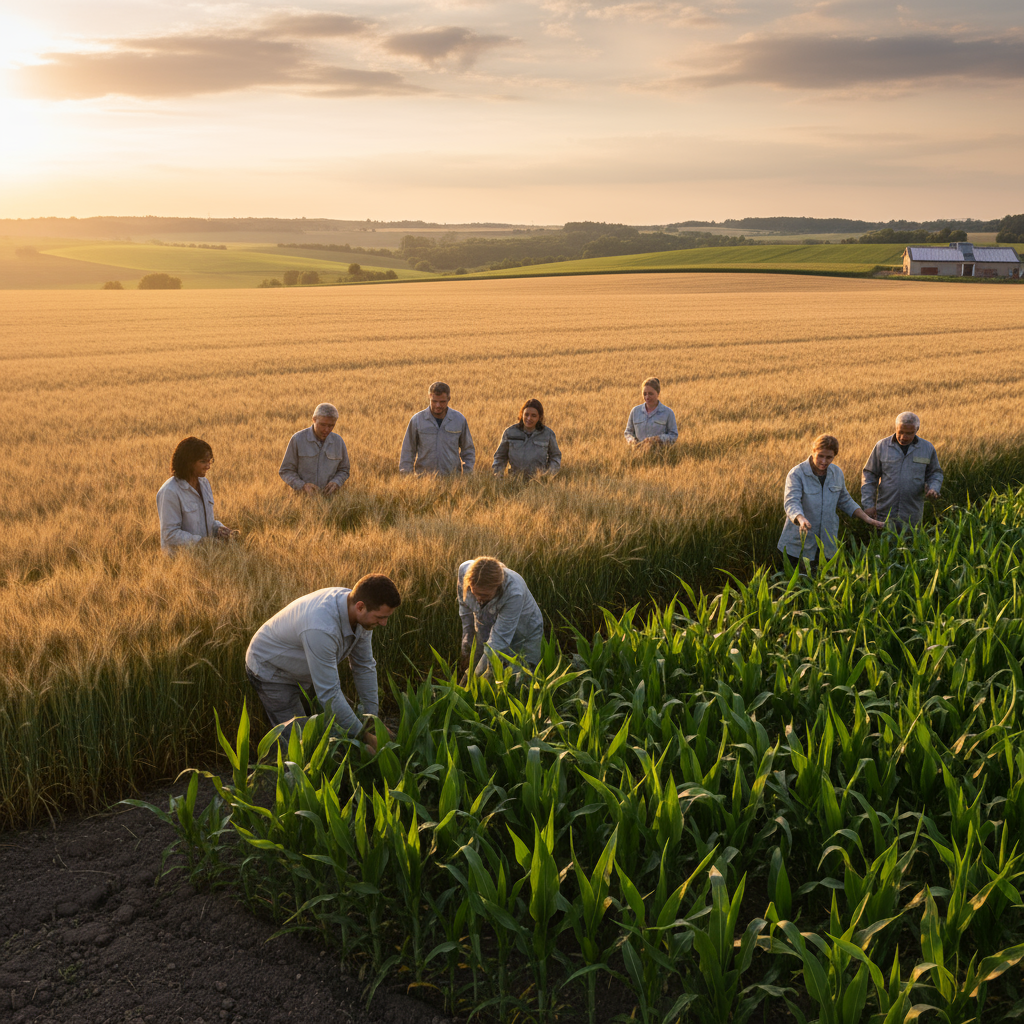
Here’s something that might surprise you: the way we grow our food could be the key to saving our planet. I’m not being dramatic—with nearly 8 billion people to feed and climate change breathing down our necks, sustainable agriculture isn’t just a nice idea anymore. It’s become our lifeline.
Think of sustainable farming as agriculture with a conscience. It’s about growing food that nourishes us while actually healing the land instead of destroying it. Pretty cool concept, right? But it goes deeper than just being “eco-friendly.” We’re talking about farming that makes economic sense for the people doing the work and strengthens entire communities. If you want to dig into the bigger picture, check out these principles of sustainability—they’re the foundation that holds this whole movement together. The goal? Keep our soil healthy, conserve water like it’s liquid gold, and protect the incredible diversity of life that makes farms thrive for generations.
Now, let’s be real about what farmers are up against today. Climate change is wreaking havoc on growing seasons. Soil is getting depleted faster than we can restore it. And don’t get me started on water shortages. But here’s where it gets interesting—sustainable farming techniques are actually solving these problems. Crop rotation, organic methods, smart pest management… these aren’t just buzzwords. They’re game-changers that help farmers break free from chemical dependency while building ecosystems that can bounce back from whatever nature throws at them. Want to see how this works in practice? This guide on sustainable agriculture techniques breaks down the strategies that are already working on farms around the world. And the technology? It’s absolutely mind-blowing what green technology innovations are doing to make farms more efficient and sustainable at the same time.
But sustainable agriculture isn’t just good for farms—it’s a climate change fighter. Every time we expand traditional agriculture by cutting down forests, we’re shooting ourselves in the foot. Those trees store massive amounts of carbon, and when they’re gone, that carbon goes straight into our atmosphere. Understanding the effect of deforestation on climate change really drives home why we need smarter farming practices. And here’s something most people don’t think about: it’s not just what happens on the farm that matters. The entire journey from seed to your dinner plate needs to be sustainable. That’s where sustainability in supply chain management comes in—making sure every step of the process puts our planet first.
What You’ll Learn in This Guide
This guide will give you everything you need to understand sustainable agriculture—from the basic principles to the cutting-edge innovations that are reshaping how we grow food. You’ll walk away knowing not just what sustainable farming is, but why it matters and how it’s already changing the world.
- Understanding Sustainability: We’ll explore the three pillars that make sustainable farming work: taking care of the environment, making sure farmers can earn a living, and building stronger communities. You’ll see how these pieces fit together like a puzzle.
- Practical Farming Methods: Get ready to discover the actual techniques farmers use—crop rotation that rebuilds soil, organic methods that work with nature instead of against it, and water conservation strategies that stretch every drop.
- Benefits and Impact: From healthier soil and cleaner water to stronger local economies and climate resilience, you’ll learn why sustainable agriculture is such a big deal for everyone—not just farmers.
- Challenges and Innovations: We’ll be honest about the hurdles farmers face when switching to sustainable practices, and show you the amazing technologies that are making the transition easier and more profitable.
As we dive deeper, you’ll get the real story on how sustainable farming methods actually work in practice. We’ll look at the environmental wins, the economic benefits that keep farmers in business, and the social impact that strengthens rural communities. Then there are the challenges—because let’s face it, change isn’t always easy. But we’ll also explore the innovations that are making sustainable agriculture more accessible than ever. Precision agriculture, renewable energy integration, smart water systems… it’s like farming meets the future. If you’re curious about the broader context of what sustainability actually means, this definition of sustainability will give you the foundation you need.
One thing that really excites me about this movement is how education is driving change. When people understand what’s at stake and what’s possible, amazing things happen. That’s why education and sustainability go hand in hand—knowledge is power, especially when it comes to building a better future.
Throughout this guide, you’ll find resources that go beyond just reading about sustainable agriculture. Whether you’re a farmer looking to transition your operation, a consumer who wants to make better choices, or someone who just cares about leaving a healthier planet for the next generation, you’ll find practical ways to get involved. The truth is, growing a greener future isn’t just possible—it’s already happening. And there’s room for all of us to be part of this incredible transformation.
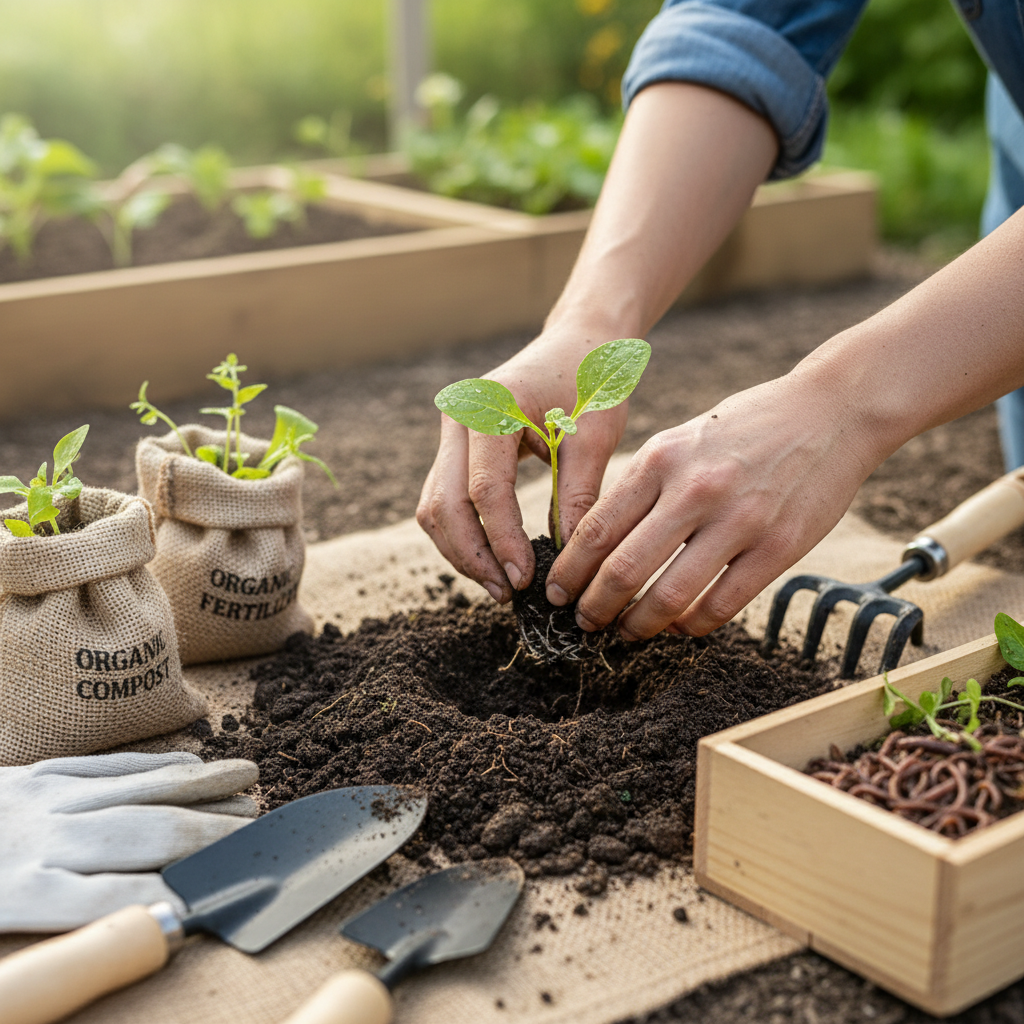
Here’s something that keeps me up at night: our food system is broken. But here’s what gives me hope—sustainable agriculture isn’t just some feel-good buzzword. It’s the real deal, and it’s quietly revolutionizing how we grow food. Think about it: we need farming that works for people, profits, and the planet all at once. Sounds impossible? It’s not. Sustainable agriculture brings together environmental care, economic sense, and social fairness into one powerful approach. And the results? They’re pretty amazing. Let’s explore what makes sustainable farming tick, and then we’ll dig into why farmers, consumers, and Mother Earth are all better off when we get this right.
Key Principles of Sustainable Agriculture
So what exactly makes farming “sustainable”? It all comes down to three big ideas that work together like pieces of a puzzle. First up is environmental stewardship—basically, taking care of the land like your life depends on it (because, well, it does). This means protecting soil, water, and wildlife while farming in harmony with natural systems. Then there’s economic viability, which is just a fancy way of saying farmers need to make money. Shocking, right? But seriously, if sustainable farming doesn’t pay the bills, it won’t last. Finally, we have social equity—making sure everyone involved gets treated fairly and has access to the resources they need. Want to understand how these pieces fit into the bigger picture? Check out this guide on principles of sustainability—it breaks down the framework that makes all of this possible.
Now, let’s get practical. Sustainable farming isn’t just about good intentions—it’s about smart actions. We’re talking soil health that gets better every year through crop rotation and organic matter. Water conservation that actually works through efficient irrigation and protecting watersheds. Biodiversity that thrives because farmers create habitats instead of destroying them. The beauty is how everything connects. Healthy soil holds more water. Diverse ecosystems control pests naturally. Less chemical dependence means lower costs and healthier food. It’s like watching dominoes fall, but in the best possible way. If you’re curious about the nuts and bolts, these sustainable agriculture techniques show you exactly how farmers are making it happen in the real world.
Core Aspects of Sustainable Agriculture Principles
Ready to dive deeper? Here’s what these principles actually look like in action:
- Environmental Stewardship: This is about being a good neighbor to nature. We’re talking cleaner air, water, and soil through reduced chemical use, conservation tillage, and habitat protection. It’s farming that gives back more than it takes—and yes, that’s actually possible.
- Economic Viability: Let’s be real—farmers aren’t running charities. Sustainable farming has to make financial sense. That means diversifying income, cutting input costs through organic methods, and finding markets that actually pay fair prices for quality food.
- Social Equity: Here’s where we talk about treating people right. Fair wages for farm workers, supporting local communities, and making sure everyone has access to education and resources. Because sustainable farming should lift everyone up, not just the bottom line.
- Maintaining Soil Health: Think of soil as the foundation of everything. Healthy soil means better nutrient cycling, water retention, and crop yields. We’re talking compost, cover crops, and erosion prevention—the basics that keep this whole system running.
When farmers embrace these principles, something amazing happens. They’re not just growing crops—they’re building systems that get stronger over time. It’s the difference between mining the land and nurturing it. And trust me, the land notices.
Benefits of Sustainable Farming Practices
Okay, so sustainable farming sounds good in theory. But what about results? Here’s where things get exciting. The environmental wins alone are impressive—way less chemical runoff, cleaner water, healthier soil, and ecosystems that actually thrive. We’re also talking serious climate action through carbon sequestration and reduced energy use. It’s like getting a two-for-one deal: better farming and a healthier planet. And if you want to see how water protection fits into this picture, this piece on how to reduce water pollution shows you strategies that work hand-in-hand with sustainable farming.
But wait—there’s more. (I know, I sound like an infomercial, but stay with me.) Economically, sustainable farms often outperform conventional ones in the long run. Lower input costs, better resilience to weather extremes, and access to premium markets for chemical-free food. Plus, consumers are waking up to what they’re eating, and they’re willing to pay for food that doesn’t come with a side of pesticides. Socially, sustainable farming strengthens communities, creates better working conditions, and builds food systems that actually serve people instead of just corporations. It’s not just agriculture—it’s community development. For a deeper look at how these benefits connect to broader business goals, check out this comprehensive guide on business sustainability strategies.
Key Benefits of Sustainable Farming
Let’s break down why sustainable farming is winning on all fronts:
- Reduction in Chemical Use: Fewer pesticides and fertilizers mean cleaner everything—water, soil, food, and air. It’s better for farmers’ health, consumers’ health, and wildlife too. Sometimes the simplest benefits are the most powerful.
- Improved Soil and Water Quality: Cover crops and organic amendments work like vitamins for soil, while smart irrigation and buffer zones keep water clean. It’s an investment that pays dividends for generations.
- Cost Savings and Resilience for Farmers: Natural processes cost less than chemical inputs, and diverse systems bounce back from droughts, floods, and other challenges. It’s like having insurance built into your farming system.
- Supporting Local Communities: Sustainable farms strengthen local food systems, create jobs, and keep money in the community. Fair labor practices and resource sharing make rural areas better places to live and work.
The bottom line? Sustainable farming isn’t just good for the environment—it’s good business, good for communities, and good for everyone who eats food (which, last time I checked, is pretty much all of us). We’re not talking about going backward to some romanticized version of farming. We’re talking about moving forward to farming that actually works for the long haul. And honestly? It’s about time.
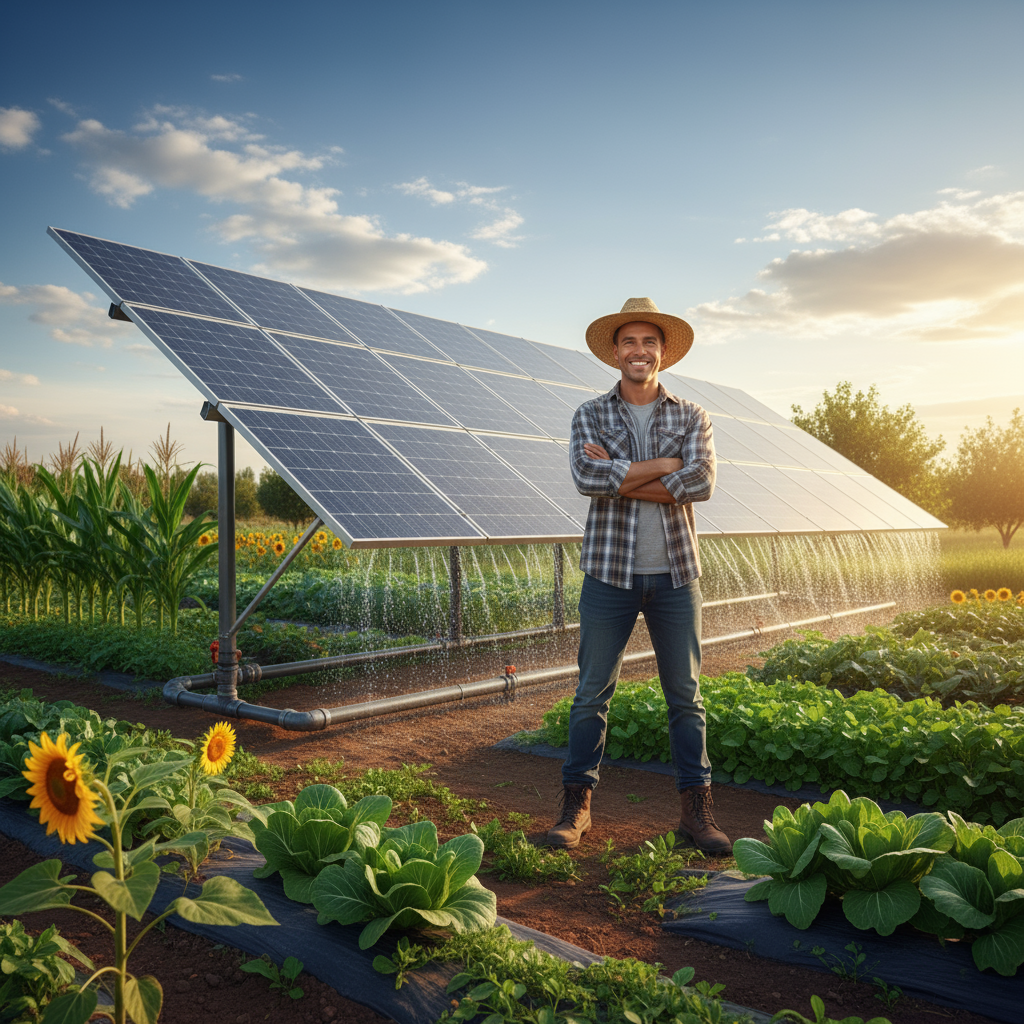
Here’s the thing about sustainable agriculture—it’s not just another farming trend. It’s a complete rethink of how we grow food while actually taking care of the planet we’re growing it on. Think of it as farming with a conscience. You’ve got three key pieces that need to work together: keeping the environment healthy, making sure farmers can actually make a living, and treating everyone fairly along the way. When farmers focus on building up their soil, using water wisely, and protecting the wildlife around them, they’re not just growing crops—they’re growing resilient ecosystems that can weather whatever climate change throws at them.
The payoffs? They’re pretty incredible when you dig into them. On the environmental side, farms start breaking free from their chemical dependency, waterways stay cleaner, and soil actually gets healthier year after year instead of more depleted. Your wallet benefits too—sustainable farms often spend less on inputs, bounce back faster when weather gets weird, and can tap into those premium markets where people pay extra for food that’s grown responsibly. And here’s something people don’t talk about enough: it makes rural communities stronger. Fair wages, local businesses thriving, farmers who can actually afford to keep farming. Of course, there are hurdles. The upfront costs can sting, there’s a learning curve that’s real, and getting your products to market isn’t always straightforward. But innovation is making things easier every day—precision tech that knows exactly what your crops need, renewable energy that cuts costs, smarter ways to get food from farm to table.
So what can you actually do about it? Whether you’re farming, making policy, or just buying groceries, there are concrete steps that make a difference. Crop rotation isn’t rocket science, and neither is water conservation or creating spaces where beneficial insects can thrive. Getting the right education and finding people who’ve been there before can help you skip some of the expensive mistakes. And don’t sleep on technology—the new tools coming out can make sustainable practices more efficient and more profitable than ever.
Now that you understand how sustainable farming really works and why it matters so much, you’re ready to go deeper. Start with the principles of sustainability to really understand the foundation that makes all of this possible. Want to see these ideas in action? The sustainable agriculture techniques guide shows you exactly what farmers around the world are doing right now. If you’re excited about the tech side of things, check out these green technology innovations that are changing the game. Water is everything in farming, so learning how to reduce water pollution is crucial. And since biodiversity keeps everything in balance, understanding how to protect endangered species rounds out the picture. If you’re thinking bigger picture about business impact, these business sustainability strategies show how environmental responsibility and profit can work hand in hand.
Look, sustainable agriculture isn’t just a nice idea anymore—it’s become essential for anyone who cares about having a planet that can actually feed us in the future. You now have the knowledge and the resources to make smart choices, whether that’s changing how you farm, what policies you support, or even just what you buy at the grocery store. Every single action adds up to something bigger: a global shift toward growing food in harmony with nature instead of against it. We’re building something that will feed our kids and their kids too. Ready to keep learning? Dive into sustainability in supply chain management to see how making every step of food production more responsible creates ripple effects throughout the entire system.
Frequently Asked Questions
-
What is sustainable agriculture?
- Sustainable agriculture is a method of farming that balances environmental health, economic profitability, and social equity to create systems that are viable long-term and beneficial to communities.
-
How can farmers start adopting sustainable practices?
- Farmers can begin with soil health management, water conservation efforts, and integrated pest management, often starting on smaller scales and expanding as they gain knowledge and resources.
-
What are the benefits of sustainable agriculture?
- Benefits include improved environmental quality such as healthier soil and cleaner water, reduced input costs, increased resilience to climate variability, healthier food products, and stronger local communities.
-
Are sustainable practices more expensive?
- While initial investments may be higher, sustainable farming generally leads to long-term savings, greater resilience, and access to premium markets that value eco-friendly products.
-
Where can farmers get help for sustainability?
- Farmers can seek guidance from agricultural extension services, sustainability consultants, certification bodies, and access resources from specialized online platforms and expert advisers.