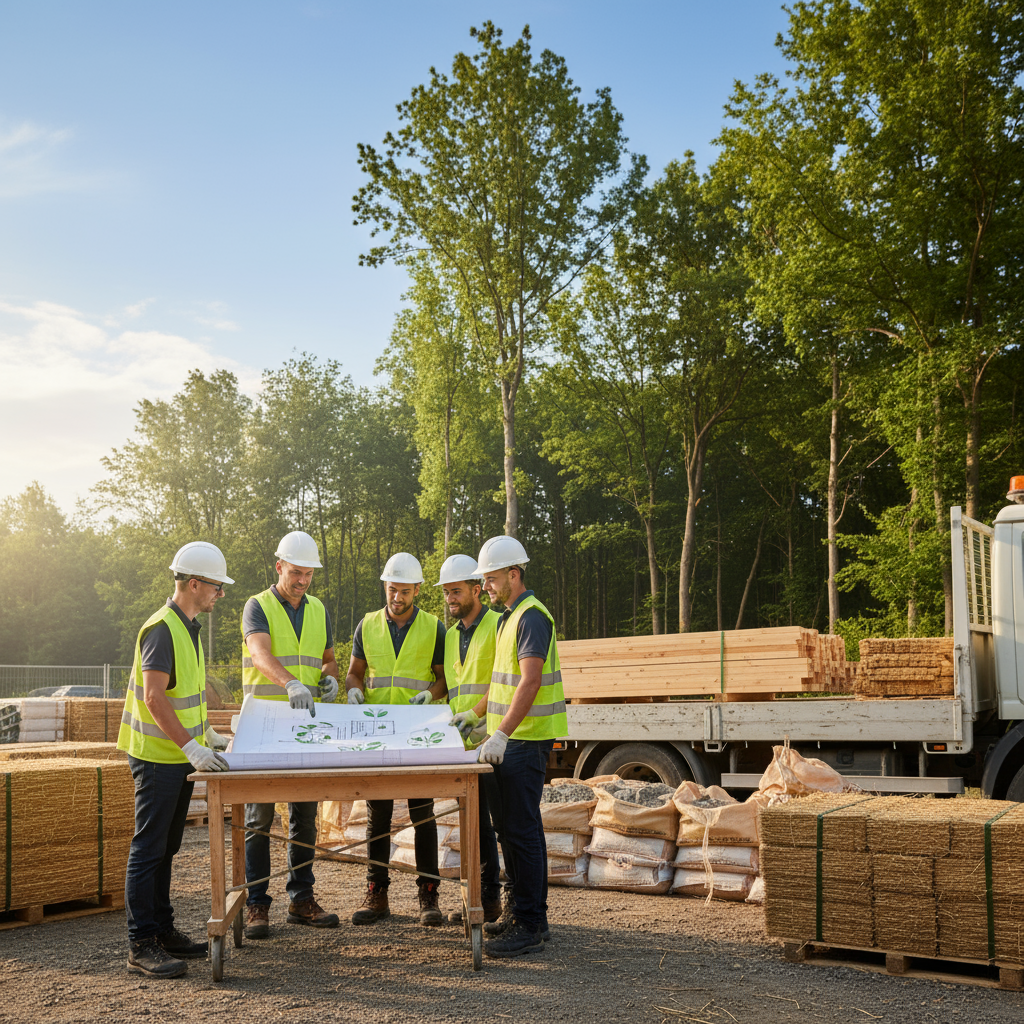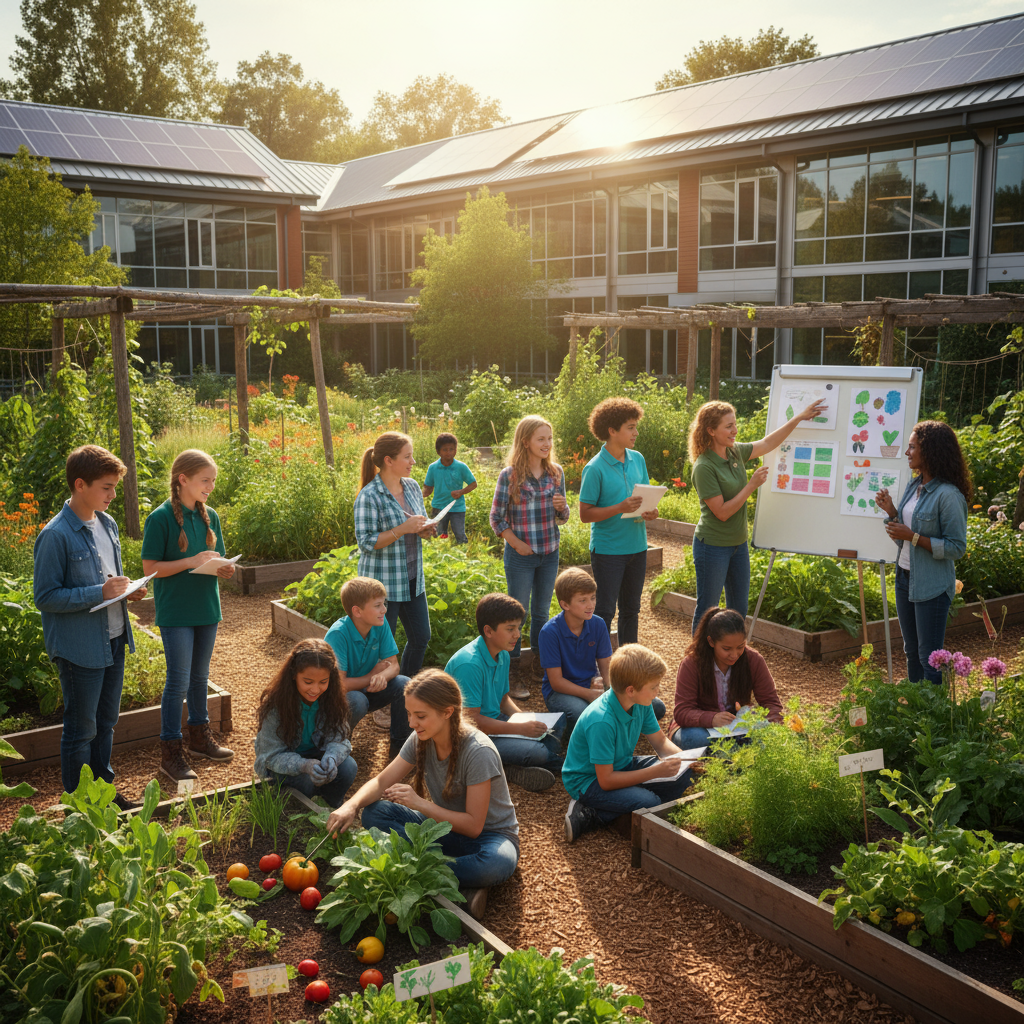
Table of Contents
Introduction
Picture this: a classroom where students don’t just learn about climate change—they’re actively solving it. Where kids grow their own food, design energy-efficient buildings, and leave school knowing they can actually make a difference. Sounds pretty amazing, right? Well, it’s happening. Schools and universities everywhere are waking up to something powerful: education isn’t just about preparing students for jobs anymore. It’s about preparing them to save the world.
And honestly? It’s about time. Climate change isn’t slowing down for anyone, and neither are the other environmental challenges we’re facing. That’s where education steps in—not as some feel-good side project, but as one of our most powerful weapons against environmental disaster. Think about it: if you can shape how young people think about the planet, you’re shaping the future itself. Understanding the principles of sustainability gives educators the foundation they need to weave these concepts into everything they teach. Plus, with global sustainability goals pushing institutions to step up, schools are finally getting the support (and pressure) they need to make real changes.
Here’s what’s exciting: schools aren’t just talking about sustainability anymore—they’re living it. Students are getting their hands dirty with sustainable agriculture techniques, learning to grow food that feeds communities without destroying soil. They’re diving into green technology innovations that could revolutionize how we power our world. And the best part? They’re seeing environmental sustainability examples in action, connecting what they learn in class to real problems they can actually solve. It’s learning that matters—finally.
But this goes way beyond curriculum changes. Schools are becoming sustainability laboratories. Solar panels on rooftops. Composting programs that turn cafeteria waste into garden gold. Partnerships with local environmental groups that bring real-world expertise into classrooms. And here’s the beautiful thing: when schools lead by example, entire communities follow. Add in the latest education technology trends, and you’ve got interactive, personalized learning that makes sustainability feel less like homework and more like an adventure.
What You’ll Learn in This Guide
We’re going to walk through everything you need to know about sustainability in education—from the big-picture thinking to the nuts-and-bolts implementation. Whether you’re a teacher, administrator, or just someone who cares about what happens next, this guide has something for you.
- Understanding the Basics: We’ll break down what sustainability in education actually means, why it’s so important right now, and the key principles that make it work.
- Implementing Sustainable Practices: You’ll get practical, actionable strategies for bringing sustainability into your classroom, campus, and community—stuff that actually works.
- Benefits of Sustainability Education: Discover how this approach doesn’t just help the planet—it transforms how students learn, grow, and see themselves in the world.
- Overcoming Challenges: Let’s be real—this isn’t always easy. We’ll tackle the common roadblocks and show you how to get around them.
Ready to dive deeper? You’re going to love what comes next. We’ll share stories that’ll inspire you, strategies you can use tomorrow, and insights from educators who are already making this happen. Whether you’re just starting to think about sustainability in education or you’re looking to take your efforts to the next level, you’ll find exactly what you need here.
We’ll explore how curriculum integration can happen naturally (no forced lessons about recycling, promise), how campus operations can become teaching tools themselves, and how community partnerships can transform both schools and neighborhoods. And because we know this journey isn’t always smooth, we’ll address the real challenges—budget constraints, skeptical colleagues, overwhelming workloads—and give you practical solutions that actually work.
Get ready to see education in a whole new light. The examples and strategies we’ll share aren’t just theoretical—they’re happening right now in schools around the world, proving that education really can be the key to a sustainable future. So grab a cup of coffee (preferably in a reusable mug), and let’s explore how learning and sustainability can work together to change everything.
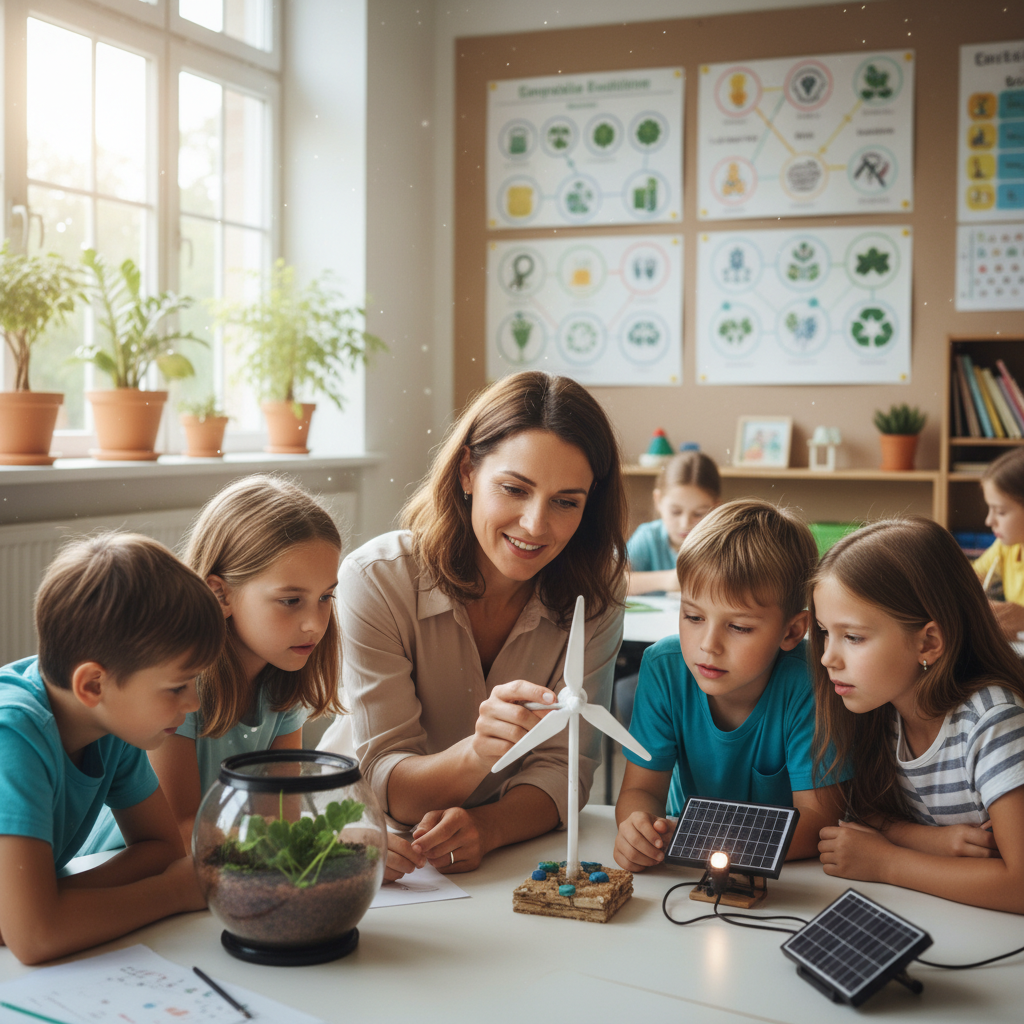
Here’s something we can’t ignore anymore: sustainability isn’t just a buzzword—it’s become essential for our planet’s future. And guess what? Schools and universities are stepping up in a big way. They’re not just teaching about sustainability; they’re actively shaping how the next generation thinks about environmental responsibility and social justice. Let’s explore why weaving sustainability into education matters so much and how schools are actually making this happen in practical, meaningful ways.
Why Sustainability in Education Matters
Think about it—where better to tackle complex environmental and social challenges than in the classroom? When we embed sustainability in education, we’re giving students the tools they actually need to understand and address real-world problems. We’re talking about climate change awareness, social equity, resource conservation—the works. Students learn to think critically and take action, both as individuals and as part of their communities. Plus, this approach aligns perfectly with global initiatives like the UN’s Sustainable Development Goals, preparing entire communities to be resilient and ready for whatever comes next. To really get the foundation right, it helps to understand the definition of sustainability, which breaks down the environmental, social, and economic balance that guides these efforts.
But here’s where it gets interesting. Education doesn’t just teach about these issues—it actually drives change. Students develop climate consciousness, become advocates for social justice, and get involved in their communities. When they learn to analyze real-world problems and contribute to solutions, something clicks. Their behavior shifts for the long term. Schools become like mini-laboratories where students can experiment with sustainable practices and develop leadership skills. You can see some amazing examples of this in action through education and sustainability integration, where knowledge truly empowers action on multiple levels.
Key Aspects of Why Sustainability in Education Matters
So what makes sustainability education so powerful? Let’s break down the key drivers that show just how transformative this approach can be:
- Climate Change Awareness: When students learn climate science and see its real-world effects, they develop both urgency and the ability to make informed decisions. They understand environmental impacts and mitigation strategies, becoming informed citizens who can actually advocate for meaningful climate policies.
- Global Sustainability Goals: Teaching students about global targets like the UN Sustainable Development Goals connects their local learning to worldwide efforts. This connection is motivating—students see their education as part of something bigger, a shared responsibility for collective solutions.
- Community Resilience and Future Readiness: Education empowers communities to adapt to environmental and social changes through innovative thinking and sustainable practices. Schools that prioritize sustainability are cultivating the leadership and problem-solving skills we’ll need for future societal well-being.
- Social and Environmental Responsibility: Students develop strong ethics and a real sense of agency around equity, conservation, and stewardship. This cultivates empathy and civic engagement, enriching the learning experience while preparing responsible global citizens—something that’s enhanced by community and parental involvement in education.
Understanding these fundamental aspects encourages schools to embed sustainability deeply rather than just paying lip service to it. This approach also builds critical thinking, problem-solving, and collaboration skills that students will need for whatever challenges they face down the road. Now, let’s look at how schools and universities are actually putting these ideas into practice.
Implementing Sustainable Practices in Schools and Universities
Turning sustainability concepts into real action requires a comprehensive approach that touches everything—curriculum design, campus operations, and community engagement. Schools and universities have incredible opportunities to model sustainable behaviors and create environments that support both ecological balance and social equity. The key? Implementation efforts need to be inclusive, adaptive, and backed by leadership that’s truly committed to making sustainability a core institutional value. The strategies and success stories you’ll find in education and sustainability show effective pathways and best practices for making this integration meaningful.
What really works is taking a systems thinking approach that brings together innovative infrastructure, creative teaching methods, and strategic partnerships. The green technology innovations featured in green technology innovations offer practical tools for energy efficiency and waste reduction. And when you add partnerships with local organizations plus student-led sustainability leadership programs? That’s where you see real-world impact and deeper commitment from everyone involved.
Key Aspects of Implementing Sustainable Practices
Building an effective sustainability program involves several critical components that work together to create holistic, impactful change:
- Curriculum Integration: Weaving sustainability topics throughout different subjects encourages interdisciplinary learning that actually sticks. Project-based approaches focused on real environmental challenges boost engagement and practical application while building critical thinking and innovation skills. For educators looking for guidance, how to develop critical thinking skills supports this approach perfectly.
- Campus Operations: Installing energy-efficient infrastructure, launching waste reduction programs, and offering green transportation options reduces the environmental footprint significantly. When facilities prioritize sustainability, they become daily learning tools for students and staff, reinforcing what the institution actually stands for.
- Community Engagement: Building partnerships with local organizations and supporting student-led sustainability initiatives extends impact far beyond campus boundaries. Awareness campaigns and collaborative projects strengthen community ties while promoting shared responsibility for change.
- Professional Development: Providing educators with specialized training in sustainability education enhances how they deliver curriculum and empowers them to lead change effectively. When institutions commit to ongoing development, programs stay relevant and maintain their impact over time.
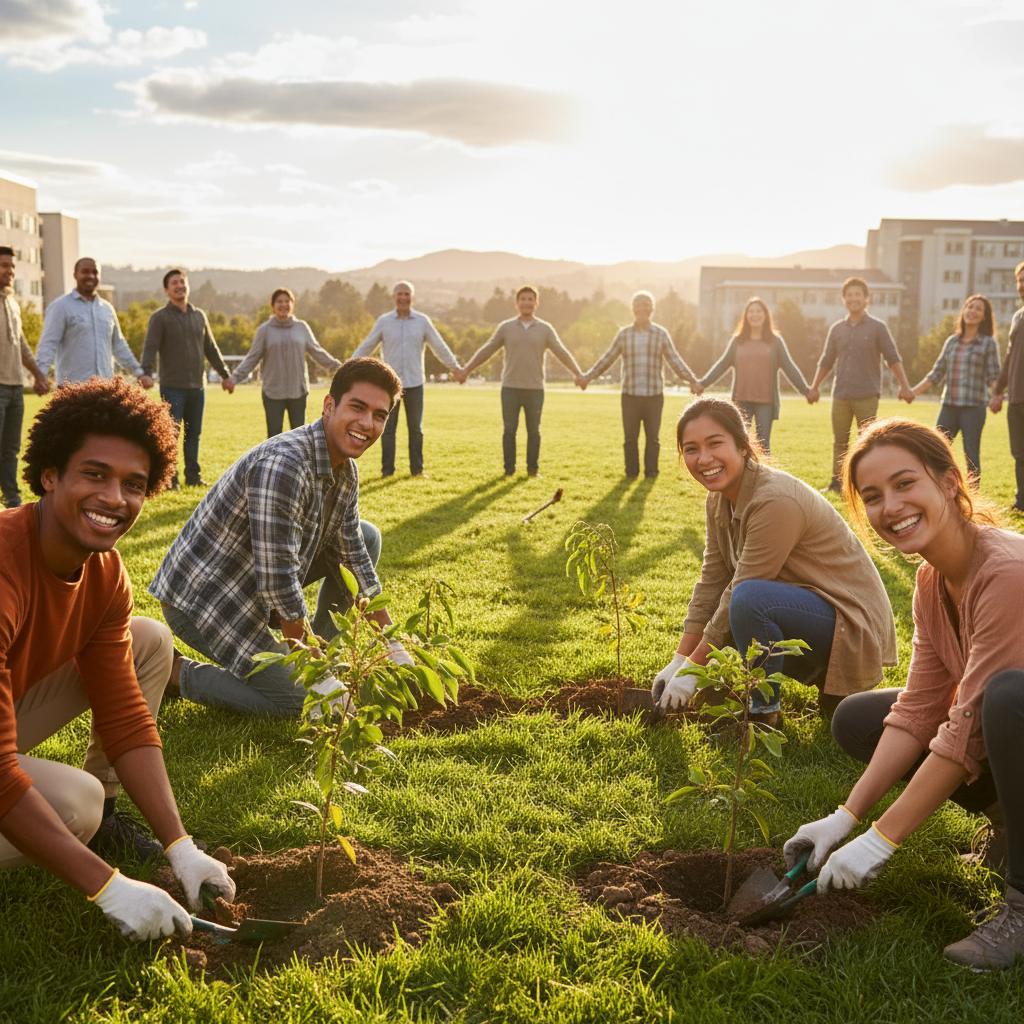
Here’s the thing about sustainability in education—it’s not just a trendy buzzword anymore. It’s become essential. Throughout this article, we’ve explored how education can shape environmental stewardship and social responsibility, and honestly? The impact is remarkable. When schools integrate sustainability into their curricula, campus operations, and community outreach, something magical happens. Students don’t just learn about the environment—they become champions for it. They develop critical thinking skills, tackle real problems, and emerge as global citizens ready to face our planet’s biggest challenges. And the ripple effects? They extend far beyond school walls, creating stronger communities and more motivated learners.
But let’s talk about what actually works. The real power of sustainability education lies in practical implementation. We’re talking curriculum integration, energy-efficient infrastructure, waste reduction programs, green transportation initiatives, and partnerships that matter. Sure, there are hurdles—limited budgets, pushback from skeptics, teachers who need more training. (Sound familiar?) The good news? These challenges aren’t insurmountable. Professional development programs work. Getting stakeholders involved makes a difference. Grant opportunities exist if you know where to look. And when your internal efforts hit a wall, bringing in expert guidance can be the game-changer that keeps your sustainability strategies effective and adaptive. This creates educational environments that don’t just teach sustainability—they live it every single day.
Ready to turn knowledge into action? Start with our comprehensive guide on education and sustainability—it’s packed with practical pathways for embedding sustainable practices that actually stick. Your teachers need support too, which is why our teacher professional development resource offers real-world tips for educators leading this change. Want to get students actively engaged? Check out our project-based learning examples that tackle sustainability challenges head-on. And here’s something interesting—when you connect sustainability with community health, the impact multiplies. Our guide on education and public health shows you how to align health literacy with environmental efforts for truly healthier communities.
The bottom line? Sustainability in education changes everything. It gives students and educators the tools, values, and inspiration they need to make a real difference. When you embrace these principles in your educational environment, you’re not just teaching—you’re building a greener, more equitable future. Every small step you take creates positive impact that reaches far beyond your classroom walls. Keep exploring, stay committed, and remember: we’re all in this together. The future where learning and sustainable living go hand in hand? That’s the legacy we’re creating for the next generation.
Frequently Asked Questions
-
What is sustainability in education?
- Sustainability in education involves integrating environmental, social, and economic principles into teaching and school operations to prepare students as responsible, informed citizens.
-
How can schools start implementing sustainability?
- Schools can begin by assessing their current curriculum, initiating small green projects, training educators, and engaging students and community in awareness activities.
-
What are the biggest challenges to sustainability in education?
- Common challenges include limited funding, lack of professional training for educators, and resistance to institutional change, all of which can be addressed through strategic planning and support.
-
Why is community involvement important?
- Community involvement strengthens sustainability efforts by extending learning beyond the school, building support networks, and fostering shared responsibility for local environmental health.
-
When should schools seek outside expertise?
- Institutions should consider expert guidance when facing persistent hurdles in achieving sustainability goals or when specialized knowledge is needed for effective curriculum and campus initiatives.