
Gas Masks in WWI: Historical Insight and Environmental Legacy
The First World War marked a pivotal moment in human history, introducing chemical warfare that fundamentally changed military tactics and civilian protection strategies. Gas masks emerged as a critical defense mechanism against poisonous gases deployed on the battlefield, representing humanity’s first organized response to weaponized chemical threats. This historical innovation, born from tragedy and necessity, reveals important lessons about environmental protection and the development of safety technologies that continue to influence modern sustainable practices and workplace safety standards today.
Understanding the evolution of WWI gas masks provides crucial context for appreciating how societies develop protective equipment in response to environmental hazards. The rapid advancement of mask technology during 1914-1918 demonstrated humanity’s capacity for innovation under pressure, establishing foundational principles that inform contemporary approaches to air quality management, environmental protection, and occupational health standards. This exploration connects historical defense mechanisms with modern sustainability concerns, showing how past innovations shape present-day solutions.

Early Chemical Warfare and the First Gas Attacks
The introduction of chemical weapons during World War I shocked the international community and catalyzed urgent development of protective equipment. On April 22, 1915, German forces released approximately 168 tons of chlorine gas near Ypres, Belgium, creating the first large-scale chemical attack in military history. This devastating assault resulted in approximately 1,100 deaths and 4,000 injuries, demonstrating the horrifying potential of weaponized chemicals. Soldiers exposed to chlorine gas experienced severe respiratory damage, blindness, and death within minutes, prompting immediate recognition that defensive measures were essential for survival.
The initial response to chemical attacks was improvised and largely ineffective. Soldiers attempted to protect themselves using cloth soaked in sodium thiosulfate, urine, or other readily available substances, methods that provided minimal protection against concentrated gas clouds. The lack of standardized defense mechanisms highlighted a critical vulnerability in military preparedness and spurred governments to invest heavily in protective equipment research. This urgent need mirrors modern environmental challenges where societies must rapidly develop solutions to air quality threats, pollution, and hazardous exposures—principles explored in depth through green technology innovations transforming our future.
Chemical weapons used during WWI included chlorine, phosgene, and mustard gas, each presenting unique dangers requiring different protective approaches. Chlorine gas attacked the respiratory system directly, while phosgene caused delayed pulmonary edema that could prove fatal hours after exposure. Mustard gas, introduced later in the war, caused severe chemical burns to skin and eyes and proved particularly difficult to defend against. Understanding these distinct chemical threats drove systematic improvements in mask technology and materials science, establishing precedents for modern occupational safety standards and environmental protection protocols.
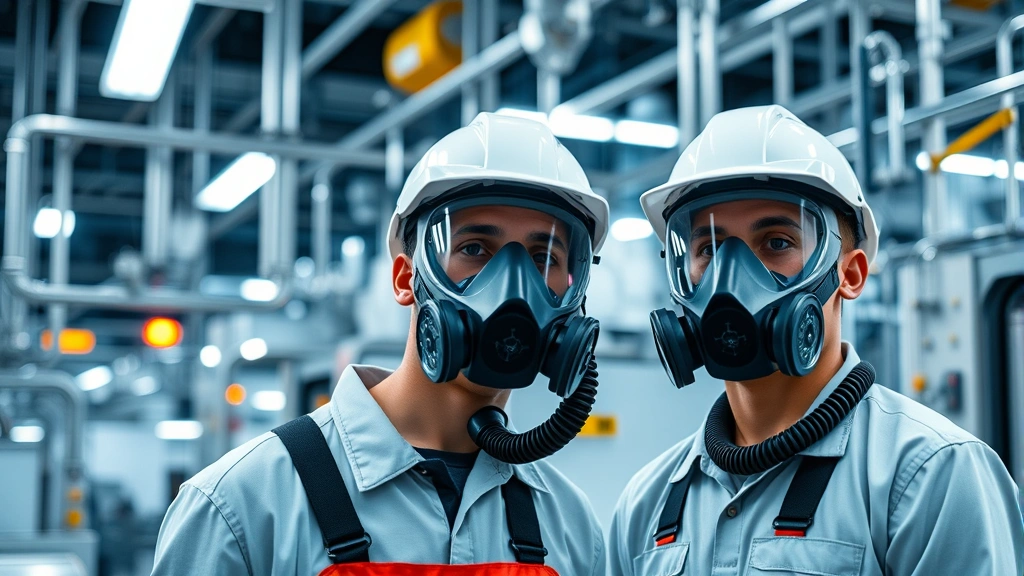
Evolution of Gas Mask Design
Gas mask development progressed rapidly throughout WWI, driven by desperate necessity and competitive innovation among allied nations. The earliest designs were simple cloth pads or gauze layers, quickly replaced by more sophisticated filtration systems. British forces developed the “Hypo Helmet” in 1915, a cloth hood soaked in sodium thiosulfate solution that provided moderate protection against chlorine gas. Though primitive by modern standards, this innovation represented a significant advancement over improvised methods and demonstrated the feasibility of chemical filtration.
The introduction of activated charcoal as a filtration medium marked a transformative breakthrough in gas mask technology. British chemist Albert Porritt recognized that charcoal’s porous structure could absorb chemical agents, leading to the development of more effective protective masks. This discovery fundamentally changed mask design philosophy, shifting from simple barriers to active chemical absorption systems. The Small Box Respirator (SBR), introduced by the British in 1916, incorporated activated charcoal filters and a rubber facepiece, establishing the basic design principles still used in modern respirators. This innovation exemplifies how principles of sustainability and comprehensive environmental protection require continuous innovation and adaptation.
German forces developed parallel technologies, creating masks with improved sealing mechanisms and more efficient filter designs. The competition between nations to develop superior protective equipment accelerated technological advancement, resulting in masks that significantly improved survival rates. By 1918, gas masks had evolved from emergency improvisation to engineered safety devices with standardized components, quality control procedures, and documented effectiveness ratings. This progression demonstrates how environmental and health threats can motivate rapid technological development and organizational innovation.
Mask design evolution also required innovations in rubber manufacturing, filtration media production, and assembly processes. Sourcing adequate supplies of natural rubber and activated charcoal presented significant logistical challenges, particularly as demand escalated throughout the war. Nations invested in developing alternative materials and improving production efficiency, establishing industrial capacity for protective equipment manufacturing that would influence civilian safety standards in subsequent decades. These manufacturing advances contributed to broader understanding of industrial sustainability and resource management.
Types and Effectiveness of WWI Masks
Multiple gas mask variants emerged during WWI, each designed to address specific chemical threats and operational contexts. The British Small Box Respirator became the most widely adopted design, featuring a canister containing activated charcoal and soda lime that soldiers carried separately, connecting via hose when threatened. This design offered superior protection compared to earlier models and proved adaptable for various military roles and environmental conditions.
The French developed the M2 mask, incorporating similar activated charcoal filtration with a slightly different canister configuration. German masks featured improved sealing mechanisms and valve designs that enhanced breathing comfort during extended use. Russian forces utilized various designs, often manufacturing locally adapted versions based on captured examples. These parallel developments created a competitive environment where nations continually refined protective equipment, much like modern sustainability initiatives compete to develop superior environmental solutions and green technologies.
Effectiveness varied significantly depending on chemical agent type, exposure concentration, and proper mask usage. Against chlorine gas, properly fitted masks with activated charcoal filters provided protection exceeding 95 percent when used correctly. Phosgene presented greater challenges, requiring extended filter exposure time, while mustard gas’s delayed effects and skin penetration capabilities meant masks alone provided incomplete protection. Soldiers required training in proper mask fitting, filter replacement, and emergency procedures to maximize effectiveness. These effectiveness challenges parallel modern environmental protection efforts, where technological solutions must be combined with proper implementation and user education.
Field reports and casualty statistics documented mask effectiveness improvements over time. Early adoption rates of protective equipment correlated strongly with survival rates, demonstrating clear benefits despite the discomfort and encumbrance masks imposed. Soldiers who maintained masks properly and used them consistently showed dramatically reduced injury rates compared to those with inadequate equipment. This empirical evidence supported continued investment in mask development and training, establishing precedents for evidence-based environmental and occupational safety standards.
Manufacturing and Distribution Challenges
Producing sufficient quantities of gas masks for millions of soldiers presented unprecedented manufacturing and logistical challenges. Early production rates could not keep pace with demand, resulting in dangerous shortages during 1915-1916. British manufacturers initially produced approximately 2 million masks monthly, insufficient for the vast armies deployed in France and other theaters. Expanding production required massive capital investment, recruitment of additional workers, and development of efficient manufacturing processes.
Activated charcoal production became a critical bottleneck, as traditional charcoal manufacturing could not meet wartime demand. Nations invested in expanding charcoal production capacity, experimenting with different wood sources and carbonization techniques. Sourcing natural rubber for facepieces and hoses presented additional challenges, particularly as supplies faced disruption from enemy action and competing military demands. These supply chain pressures drove innovation in material science and manufacturing efficiency, establishing industrial practices that influenced subsequent civilian applications.
Distribution networks required careful coordination to ensure masks reached frontline troops efficiently. Military logistics systems developed sophisticated inventory management and replacement procedures to maintain adequate mask stocks despite battlefield losses and filter deterioration. Training programs ensured soldiers understood proper mask use, maintenance, and filter replacement schedules. These organizational innovations contributed to broader understanding of large-scale public health and safety implementation, relevant to modern environmental protection initiatives and sustainable practices.
The financial costs of gas mask production represented substantial portions of military budgets, prompting governments to develop cost-effective manufacturing methods without compromising protection quality. Competition between contractors and nations incentivized continuous improvement in efficiency and effectiveness. By 1918, production systems had matured significantly, delivering millions of masks annually with improved reliability and performance characteristics. These manufacturing achievements demonstrated how urgent environmental and health threats can motivate rapid industrial transformation.
Impact on Military Strategy and Civilian Life
Gas weapons fundamentally altered WWI military tactics, requiring armies to develop new defensive and offensive strategies. The initial shock of chemical attacks eventually diminished as protective equipment became widespread, shifting the tactical advantage from chemical weapons to countermeasures. By 1917-1918, chemical weapons remained dangerous but no longer provided decisive battlefield advantages, as most soldiers carried effective protective equipment. This technological equilibrium exemplifies how sustainable and protective innovations can neutralize environmental threats through technological advancement.
Civilian populations faced unprecedented exposure to chemical weapons, particularly in areas near front lines. Communities in Belgium, France, and other conflict zones experienced accidental gas exposures, requiring emergency protective measures and medical responses. The need to protect civilians from chemical hazards established precedents for modern environmental protection policies and emergency response systems. Governments recognized that chemical threats transcended military boundaries, requiring civilian preparedness and protection infrastructure.
The psychological impact of chemical weapons proved as significant as physical injuries. Soldiers developed profound anxiety about gas attacks, affecting morale and combat effectiveness. This psychological dimension drove emphasis on training, confidence-building, and reliable protective equipment, establishing principles applicable to modern environmental anxiety and risk communication. Understanding how populations respond to chemical and environmental threats informs contemporary approaches to public health communication and protective measure adoption.
Post-war civilian applications of gas mask technology emerged rapidly as governments recognized the technology’s value for industrial safety and emergency preparedness. Firefighters, miners, and chemical workers adopted military-derived mask designs for occupational protection. This transition from military to civilian use demonstrates how wartime innovations can contribute to peacetime safety and environmental protection, establishing foundations for modern occupational health standards.
Legacy and Modern Applications
WWI gas masks established foundational principles for modern respiratory protection that remain relevant today. The activated charcoal filtration technology pioneered during the war continues as the basis for contemporary gas masks, respirators, and air purification systems. Modern designs incorporate improved materials, better sealing mechanisms, and more efficient filters, but the fundamental principles developed during 1914-1918 persist. This technological continuity demonstrates how historical innovations create lasting impacts on safety and environmental protection practices.
Contemporary occupational safety standards for respiratory protection derive directly from lessons learned during chemical warfare. Modern standards emphasize proper mask fitting, filter selection based on specific hazards, maintenance procedures, and user training—principles established during WWI. Workers in chemical plants, hazardous waste facilities, and other dangerous environments benefit from protective equipment designs refined through military experience. These connections illustrate how historical environmental and health challenges drive development of protective technologies applicable across multiple sectors.
Modern air quality monitoring and pollution control systems incorporate principles established through gas mask development. Understanding how activated charcoal and other filtration media remove chemical compounds from air informed design of industrial emission controls and residential air purification systems. Environmental protection agencies reference historical chemical exposure data and protective equipment standards when establishing occupational safety guidelines and pollution regulations. The legacy of WWI chemical warfare continues influencing how societies approach air quality management and chemical hazard mitigation.
Military and civilian emergency preparedness programs maintain gas mask stocks and training protocols based on WWI-era experiences. While chemical weapons use has declined since the international prohibition established in 1993, preparedness for potential chemical hazards remains important for public safety. Modern gas mask designs offer superior protection compared to WWI predecessors, but the basic approach—combining physical barriers with chemical filtration—remains unchanged. This continuity demonstrates the enduring validity of principles developed under extreme wartime pressure.
The history of gas masks during WWI also highlights the importance of international cooperation in developing protective standards and preventing chemical weapons proliferation. The chemical weapons convention, established in 1997, represents the international community’s commitment to preventing the horrors of chemical warfare. Understanding how protective equipment evolved in response to chemical threats underscores the critical importance of prevention and international agreements that eliminate weapons requiring such defenses. This perspective connects historical defense mechanisms with modern environmental and peace initiatives.
FAQ
When were gas masks first used in WWI?
Gas masks were first used during the Second Battle of Ypres in April 1915, following the initial German chlorine gas attack. Early masks were improvised cloth pads soaked in protective solutions. Standardized designs with activated charcoal filters emerged in 1915-1916, with the British Small Box Respirator becoming the most widely adopted model by 1916-1917.
How effective were WWI gas masks against different chemical agents?
Effectiveness varied by chemical type. Against chlorine gas, properly fitted masks with activated charcoal filters provided over 95 percent protection. Phosgene required longer filter exposure and proved more difficult to defend against completely. Mustard gas’s skin-penetrating properties meant masks alone provided incomplete protection, requiring additional protective clothing. Proper fitting and filter maintenance were critical for maximum effectiveness.
What materials were used in early gas masks?
Early masks used cloth, gauze, rubber, and activated charcoal as primary materials. Facepieces were constructed from natural rubber, while filters contained activated charcoal and soda lime for chemical absorption. Metal components included valves, connectors, and filter canisters. Sourcing these materials presented significant manufacturing challenges during wartime conditions.
Did civilians use gas masks during WWI?
Yes, civilians in areas near front lines received gas masks and training for protection against accidental exposures. Governments distributed masks to populations in threatened regions, though distribution rates and effectiveness varied. Civilian exposure to chemical weapons, though less frequent than military exposure, established precedents for civilian emergency preparedness programs.
How do modern gas masks differ from WWI designs?
Modern masks incorporate improved sealing mechanisms, more efficient filtration media, better materials science, and standardized sizing systems. Contemporary designs offer superior comfort and breathability while maintaining or improving protection levels. However, the fundamental principle—combining physical barriers with activated charcoal chemical filtration—remains unchanged from WWI-era designs, demonstrating the enduring validity of early innovations.
What happened to gas mask technology after WWI?
Military and civilian organizations continued refining gas mask designs throughout the 20th century. The technology transitioned to civilian occupational safety applications, emergency preparedness, and environmental protection systems. Activated charcoal filtration principles influenced broader air purification technologies used in industrial, residential, and medical contexts. Modern respiratory protection standards derive directly from WWI-era experiences and lessons learned.


