
Beano vs Gas-X: Which is More Eco-Friendly?
When considering digestive health solutions, most people focus on effectiveness and personal comfort. However, as environmental consciousness grows, consumers increasingly ask whether their over-the-counter remedies align with their sustainability values. The comparison between Beano and Gas-X extends beyond symptom relief—it encompasses manufacturing practices, ingredient sourcing, packaging materials, and overall environmental impact. Understanding these differences helps you make informed choices that support both your digestive wellness and planetary health.
Both products address intestinal gas and bloating through different mechanisms, yet their ecological footprints vary significantly. This comprehensive analysis examines how these popular remedies stack up against environmental standards, exploring everything from active ingredients to corporate sustainability commitments. Whether you’re managing occasional gas or seeking long-term digestive solutions, considering the environmental dimension of your health choices represents a meaningful step toward responsible consumption.
How Beano and Gas-X Work
Understanding the mechanisms behind these products provides essential context for evaluating their environmental profiles. Beano contains alpha-galactosidase, an enzyme that breaks down complex carbohydrates before they reach your large intestine. When certain foods ferment in the colon, they produce gas—Beano prevents this fermentation by pre-digesting problematic sugars. This enzymatic approach represents a fundamentally different strategy than Gas-X’s mechanism.
Gas-X contains simethicone, a silicone-based anti-foaming agent that reduces surface tension of gas bubbles in your digestive tract. Rather than preventing gas formation, simethicone consolidates smaller bubbles into larger ones that pass more easily through your system. This chemical intervention differs substantially from Beano’s biological approach, and these differences carry environmental implications throughout their production and disposal cycles.
The choice between these mechanisms influences not just personal effectiveness but also your broader definition of sustainability practices. Enzyme-based solutions like Beano align more closely with nature-mimicking approaches, while synthetic agents like simethicone require more intensive chemical processing.
Active Ingredients and Environmental Impact
Beano’s alpha-galactosidase enzyme originates from fungal sources, traditionally derived from Aspergillus niger fermentation. This biological production method requires culturing microorganisms in controlled environments, consuming energy and water resources. However, enzymatic production generally produces fewer toxic byproducts compared to synthetic chemical synthesis. The enzyme itself biodegrades naturally once consumed, leaving minimal persistent environmental residue in your body or sewage systems.
Gas-X’s simethicone presents a more complex environmental picture. This polydimethylsiloxane compound requires petroleum-based feedstocks and multi-step chemical synthesis. Simethicone doesn’t biodegrade readily; instead, it persists through wastewater treatment systems and potentially accumulates in aquatic environments. Research into microplastics and silicone persistence in ecosystems raises legitimate concerns about long-term environmental consequences of widespread simethicone consumption.
When evaluating ingredient sustainability, consider that Beano’s enzyme approach aligns with environmental sustainability examples emphasizing biological solutions over synthetic alternatives. The enzyme is also typically derived from renewable biological sources rather than fossil fuels, reducing carbon intensity during manufacturing.
Gas-X’s simethicone, while FDA-approved and safe for human consumption, raises questions about cumulative environmental impacts when multiplied across millions of daily users globally. The chemical doesn’t degrade in wastewater treatment facilities, meaning it enters aquatic ecosystems where persistence and bioaccumulation potential remain incompletely understood.
Manufacturing Processes and Sustainability
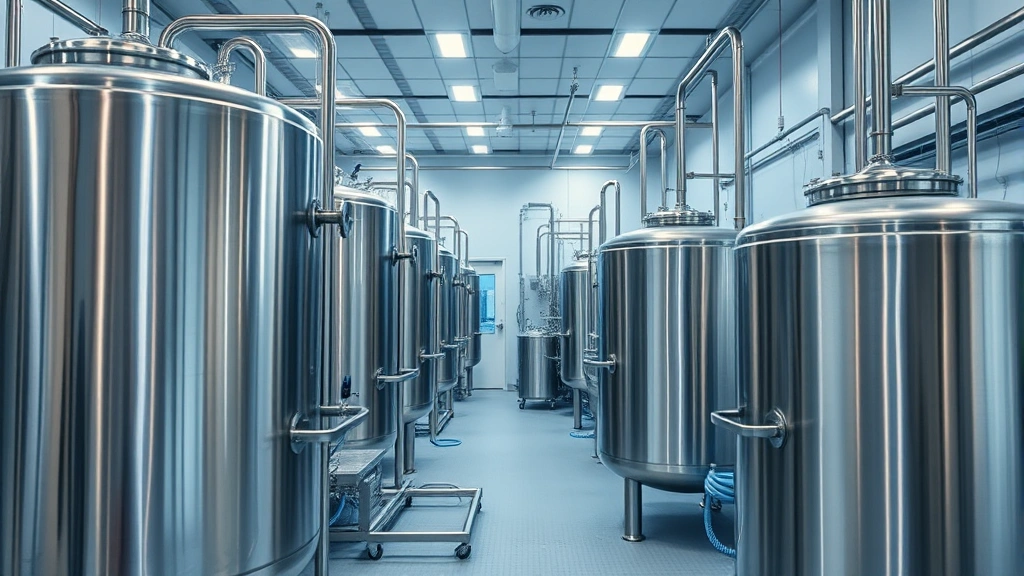
Beano’s manufacturing involves fermentation technology, a process humans have refined for thousands of years. Modern enzyme production uses controlled bioreactors where fungal cultures produce alpha-galactosidase under optimized conditions. This process generates fewer hazardous waste streams compared to chemical synthesis, though it does require energy inputs for temperature control, aeration, and sterile conditions. The byproducts from fermentation are often biodegradable and can be processed through conventional waste treatment.
Gas-X production requires chemical synthesis beginning with silicone precursors derived from petroleum or silica sources. The manufacturing process involves multiple chemical reactions, catalyst systems, and purification steps. Each stage generates potentially hazardous waste requiring specialized disposal. The energy intensity of chemical synthesis typically exceeds enzymatic fermentation, particularly when accounting for reaction heating, pressure requirements, and solvent recovery systems.
From a manufacturing perspective, Beano demonstrates lower environmental impact through reduced chemical intensity and hazardous waste generation. However, both products require industrial-scale facilities with associated energy consumption and infrastructure impacts. The question of which manufacturing process is truly more sustainable depends partly on facility-specific practices and energy sources—a plant powered by renewable energy presents substantially different environmental implications than one relying on fossil fuels.
Understanding these sustainable energy solutions for manufacturing facilities helps contextualize the broader industry shift toward greener production methods. Many pharmaceutical manufacturers increasingly invest in renewable energy and waste reduction technologies.
Packaging and Waste Considerations
Both Beano and Gas-X come in plastic bottles or blister packs, representing significant packaging waste streams. Beano typically uses plastic bottles with plastic caps, while Gas-X offers chewable tablets in blister packs or bottles. The packaging materials themselves—usually polypropylene or polyethylene terephthalate—require petroleum extraction and processing, generating substantial carbon emissions during manufacturing.
Blister pack packaging presents particular environmental challenges because the aluminum and plastic laminate materials prove difficult to recycle together. Most recycling facilities cannot process mixed-material blisters, so they typically end up in landfills or incinerators. Plastic bottles, while recyclable, suffer from low recycling rates due to consumer behavior and infrastructure limitations. Even when recycled, plastic degrades with each cycle, eventually becoming unusable.
Neither manufacturer has substantially distinguished itself through innovative sustainable packaging solutions. Both could reduce environmental impact by adopting compostable materials, aluminum-only packaging, or refillable container systems. The pharmaceutical industry broadly lags behind other consumer goods sectors in packaging sustainability innovation, representing a significant opportunity for improvement.
When considering packaging waste, factor in that Gas-X’s individual blister packs generate more packaging per dose than Beano’s bulk bottles. If you use Gas-X regularly, you accumulate substantially more non-recyclable blister waste compared to Beano bottle packaging, which at least offers recycling potential even if actual recycling rates remain disappointingly low.
Ingredient Sourcing and Supply Chains
Beano’s alpha-galactosidase enzyme sourcing involves agricultural inputs for culturing microorganisms. While fermentation doesn’t directly require agricultural crops, the nutrient media used in bioreactors may contain ingredients derived from agricultural sources. This creates indirect agricultural impacts through land use, pesticide application, and water consumption. However, these impacts remain substantially lower than direct agricultural sourcing would entail.
Gas-X’s simethicone ultimately traces back to silica or petroleum sources. Silica mining generates significant environmental disruption through habitat destruction, water pollution, and energy consumption. Petroleum sourcing carries well-documented climate and ecological impacts, contributing to greenhouse gas emissions and ecosystem degradation. The supply chain for Gas-X’s active ingredient involves more environmentally intensive extraction processes compared to Beano’s fermentation-based approach.
Transportation and supply chain logistics also factor into environmental impact calculations. Both products ship globally, though their different physical forms—enzyme powder versus silicone compound—may have slightly different transportation requirements. The net difference likely remains minimal compared to manufacturing and packaging impacts.
Corporate transparency regarding supply chain practices varies between manufacturers. Understanding where ingredients originate and how suppliers manage environmental practices requires investigating corporate sustainability reports and supply chain disclosures. This investigation supports the broader principle of how to reduce your environmental footprint through informed consumer choices that incentivize corporate accountability.
Corporate Environmental Commitments
Procter & Gamble, which manufactures Gas-X, has made public environmental commitments including carbon neutrality goals and sustainable packaging initiatives. However, these commitments often lack specificity regarding digestive health product lines. The company’s overall sustainability efforts deserve credit, yet individual product environmental performance varies significantly within large corporate portfolios.
Beano’s manufacturer, GlaxoSmithKline, similarly maintains corporate sustainability programs focused on carbon reduction and waste minimization. GSK has invested in renewable energy and sustainable manufacturing practices across its facilities. Like P&G, GSK’s corporate-level commitments don’t necessarily translate to distinctive environmental advantages for specific products without deeper investigation into product-line specific practices.
Neither manufacturer has prominently marketed their digestive products as environmentally superior alternatives, suggesting limited competitive differentiation based on sustainability metrics. This represents a market opportunity—consumers increasingly seek eco-conscious health products, yet manufacturers haven’t fully capitalized on environmental positioning in this category.
When evaluating corporate commitments, look beyond marketing claims to actual third-party certifications, published environmental reports, and supply chain transparency initiatives. Companies genuinely committed to sustainability typically publish detailed environmental impact data and submit to independent verification. The absence of such documentation suggests environmental considerations may not drive manufacturing decisions.
Natural and Eco-Friendly Alternatives
Beyond Beano versus Gas-X, numerous alternatives exist for managing intestinal gas through dietary and lifestyle approaches. These represent potentially more sustainable long-term solutions than relying on over-the-counter medications. Understanding gas and sustainability resources helps you develop comprehensive digestive wellness strategies aligned with environmental values.
Dietary modifications offer the most environmentally friendly gas management approach. Reducing consumption of foods that commonly trigger fermentation—beans, cruciferous vegetables, artificial sweeteners—can significantly decrease gas production. Eating slowly, chewing thoroughly, and avoiding carbonated beverages address root causes rather than treating symptoms. These approaches require no packaging, manufacturing, or chemical inputs, making them inherently more sustainable.
Probiotic foods and supplements represent another natural alternative. Fermented foods like sauerkraut, kimchi, yogurt, and kefir contain beneficial bacteria that improve digestive efficiency and reduce gas production. These foods offer additional nutritional benefits and typically involve minimal processing compared to pharmaceutical products. Sourcing locally-produced fermented foods maximizes environmental benefits by reducing transportation impacts.
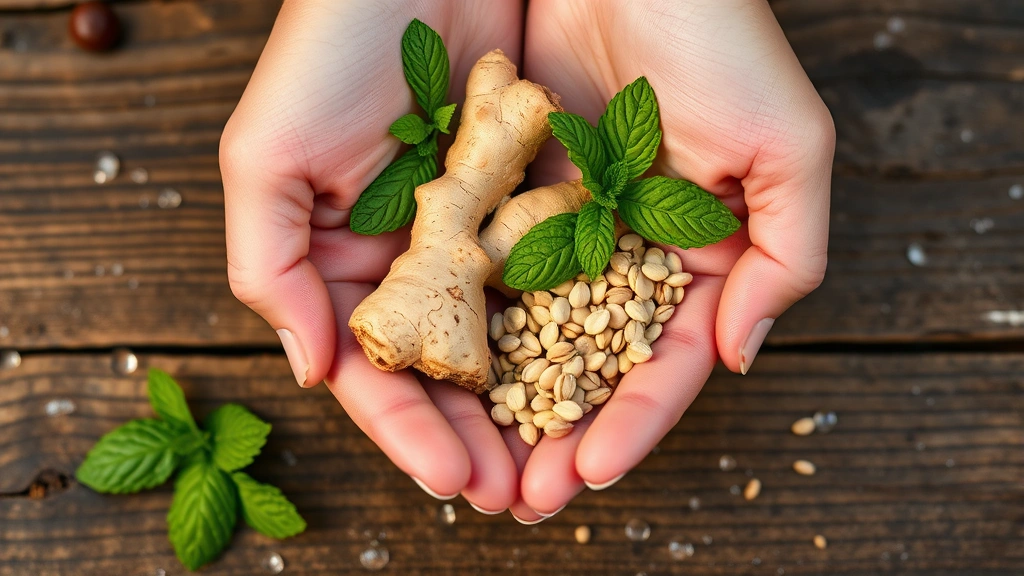
Herbal remedies including ginger, peppermint tea, and fennel seeds have traditional use for digestive support. These plant-based approaches leverage natural compounds that promote healthy digestion without synthetic chemical inputs. When sourced from sustainable agricultural practices or wild harvesting operations, herbal alternatives present substantially lower environmental footprints than manufactured pharmaceuticals.
Enzyme supplements beyond Beano exist, including broader-spectrum digestive enzyme formulations that address multiple foods simultaneously. Some manufacturers emphasize plant-based enzyme sources and sustainable packaging. Exploring these alternatives allows you to identify products aligning with your environmental values while addressing digestive concerns.
Lifestyle modifications including regular physical activity, stress reduction, and adequate hydration support overall digestive health and reduce gas production. These free, zero-impact approaches address underlying factors contributing to digestive discomfort. Combined with dietary adjustments, lifestyle changes often prove more effective long-term than medication-dependent strategies.
FAQ
Is Beano more eco-friendly than Gas-X?
Based on comprehensive environmental analysis, Beano presents a more eco-friendly profile than Gas-X. Beano’s enzyme-based active ingredient derives from biological fermentation processes using renewable sources, while Gas-X’s simethicone requires petroleum-based chemical synthesis. Beano produces fewer hazardous manufacturing byproducts, doesn’t persist in aquatic environments, and comes in more recyclable packaging. However, both products involve plastic packaging and industrial manufacturing with associated environmental costs. The difference in environmental impact, while meaningful, remains relatively modest compared to broader consumption patterns.
Does simethicone accumulate in the environment?
Simethicone doesn’t readily biodegrade and persists through wastewater treatment systems. Research on silicone persistence in aquatic environments remains incomplete, but evidence suggests simethicone can accumulate in sediments and potentially bioaccumulate in aquatic organisms. While individual doses represent minimal environmental risk, cumulative impacts from millions of daily users globally warrant concern. This represents an important area for further environmental research and manufacturer attention.
Can I recycle Beano and Gas-X packaging?
Beano’s plastic bottles are typically recyclable through standard plastic recycling programs, though actual recycling rates depend on consumer participation and local infrastructure. Gas-X’s blister packs present recycling challenges because aluminum and plastic lamination proves difficult to separate. Most recycling facilities cannot process blister packs, so they typically go to landfills or incinerators. Check your local recycling guidelines, as some facilities have developed specialized processes for blister pack materials.
What’s the most sustainable way to manage gas and bloating?
Dietary modifications and lifestyle changes represent the most sustainable long-term approaches. Identifying trigger foods, eating slowly, staying hydrated, and managing stress reduce gas production without pharmaceutical intervention or environmental impact. When medication proves necessary, enzyme-based products like Beano present lower environmental impact than simethicone-based alternatives. Combining dietary strategies with occasional medication use, rather than relying exclusively on either approach, optimizes both personal health and environmental responsibility.
Are there pharmaceutical companies leading in sustainable digestive health products?
While major manufacturers like GSK and P&G have corporate sustainability commitments, no digestive health product manufacturer has prominently distinguished itself through superior environmental practices in this category. This represents an opportunity for emerging companies to capture market share through genuinely sustainable products featuring biodegradable active ingredients, minimal packaging, and transparent supply chains. Consumers seeking more sustainable options should investigate smaller manufacturers and natural product companies emphasizing environmental responsibility.
How does enzyme production compare environmentally to chemical synthesis?
Enzymatic production through fermentation generally presents lower environmental impact than chemical synthesis. Fermentation uses renewable biological processes, generates fewer hazardous byproducts, and operates at lower temperatures and pressures. Chemical synthesis requires petroleum feedstocks, multiple reaction steps, catalyst systems, and specialized waste disposal. However, both processes require energy inputs and industrial infrastructure. The environmental advantage of enzymatic production increases when powered by renewable energy sources.


