Can You Pump Your Own Gas in New Jersey? Legal Insights and Sustainability Considerations
New Jersey stands as one of only two states in the United States where self-service gas pumping is largely prohibited, a unique regulatory landscape that surprises many visitors and residents alike. This distinctive law, which has remained in place for decades, raises important questions about consumer rights, economic implications, and even environmental sustainability. Understanding the legal framework surrounding gas pumping in New Jersey requires examining the state’s specific regulations, the exceptions that exist, and the broader context of how this policy affects both consumers and the energy sector.
The prohibition on self-service gas stations in New Jersey is rooted in historical labor protections and safety considerations that date back to the 1940s. However, as the state continues to evolve and face modern challenges including environmental concerns and economic pressures, this regulation has become a subject of ongoing debate. Whether you’re a New Jersey resident, a frequent visitor, or simply curious about state-specific fuel regulations, this comprehensive guide will help you understand your rights and responsibilities at the pump.
New Jersey’s Self-Service Gas Pumping Ban Explained
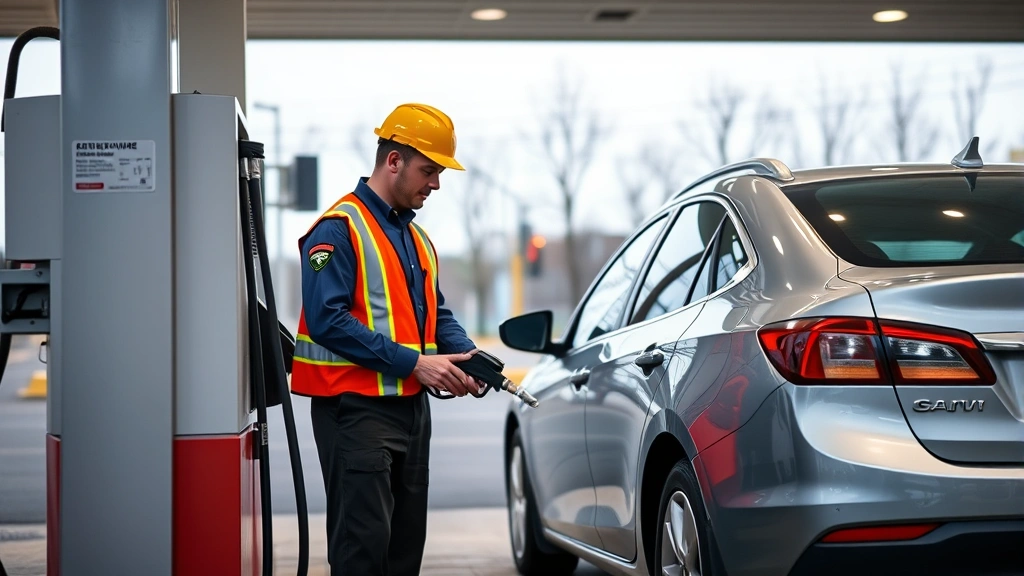
In New Jersey, the general rule is straightforward: you cannot pump your own gas. Instead, a licensed gas station attendant must pump the fuel for you at virtually all gasoline stations throughout the state. This requirement applies whether you’re filling up a sedan, SUV, motorcycle, or any other vehicle that requires gasoline. The attendant will handle the entire process, from opening your fuel door to replacing the gas cap, while you remain in your vehicle or can remain nearby.
This practice creates a distinctive experience for anyone accustomed to self-service stations in other states. When you pull into a New Jersey gas station, you’ll notice attendants in uniforms ready to assist you. You simply pull up to a pump, roll down your window, specify the type and amount of fuel you want, and the attendant takes care of the rest. This system has been normalized for generations in New Jersey, making it the expected standard rather than an inconvenience for most residents.
The reasoning behind this ban encompasses multiple factors beyond simple tradition. Proponents argue that requiring trained attendants reduces fuel spills, minimizes safety hazards, and ensures proper handling of volatile petroleum products. The regulation also creates employment opportunities within the state, supporting thousands of gas station workers who might otherwise be displaced by automation. Additionally, having attendants present allows for immediate response to any fuel-related emergencies or accidents that might occur during the pumping process.
Legal Framework and Regulatory Background
The legal foundation for New Jersey’s self-service ban is rooted in the New Jersey Retail Gasoline Dispensing Safety Act, which was enacted to protect both consumers and workers. This statute, codified in New Jersey Administrative Code, prohibits customers from operating gasoline pumps themselves at retail stations. The law was originally designed during an era when gasoline was considered more hazardous and safety standards were less developed than today’s comprehensive protocols.
Understanding the definition of sustainability helps contextualize how employment regulations like New Jersey’s gas pumping law reflect broader values about worker protection and economic stability. The state’s commitment to maintaining jobs in the fuel retail sector demonstrates how regulatory decisions can support human welfare alongside other considerations. This interconnection between labor policy and broader sustainability goals reveals that environmental and social responsibility are deeply intertwined.
The regulation specifies that only licensed gas station attendants, who have received proper training in fuel handling procedures, may operate the pumps. Gas station owners and operators must comply with strict staffing requirements, ensuring that attendants are always available during business hours. Violations of this regulation can result in significant fines for gas station operators, creating strong incentive for compliance across the state. The New Jersey Board of Public Utilities oversees these regulations and maintains oversight of the fuel retail industry.
Interestingly, the law also mandates that gas stations must remain open during specified hours, typically including evening and early morning periods when self-service would be most convenient for consumers. This requirement ensures that attendants are available when customers need fuel, reinforcing the employment aspect of the regulation while also serving public convenience goals.
Exceptions to the Rule
While the general prohibition on self-service gas pumping in New Jersey is strict, several important exceptions exist that allow consumers to pump their own fuel under specific circumstances. Understanding these exceptions is crucial for anyone seeking to fill their vehicle with gasoline in the state. The most significant exception applies to diesel fuel. If you drive a diesel vehicle, you are generally permitted to pump your own diesel fuel at most New Jersey gas stations. This distinction reflects the different regulatory treatment of diesel compared to gasoline, with diesel being subject to less restrictive safety regulations.
Another critical exception involves self-service stations in limited contexts. Some gas stations have been granted variances or operate under special permits that allow limited self-service operations, though these are relatively rare. Additionally, certain wholesale fuel operations and commercial accounts may operate under different rules. If you have a commercial vehicle or operate a fleet, you should verify the specific regulations applicable to your situation.
Motorcycles and mopeds may also have different regulations in some cases, though riders should confirm current rules before assuming they can pump their own fuel. The best approach is to ask attendants at the station or contact the New Jersey Board of Public Utilities directly if you have questions about whether your specific vehicle qualifies for any exceptions.
When exploring how to reduce your environmental footprint, understanding your local fuel regulations is part of the broader picture. Even with attendant-pumped fuel, you can make sustainable choices by optimizing your vehicle’s fuel efficiency and considering electric or hybrid alternatives to reduce overall fuel consumption.
Environmental and Sustainability Implications
The environmental impact of New Jersey’s self-service ban presents a complex and nuanced picture that deserves careful examination. On one hand, having trained attendants operate pumps may reduce fuel spillage and environmental contamination at the pump itself. Attendants receive training in proper fuel handling procedures, which can minimize accidents and leaks that might otherwise occur with untrained consumers. This professional oversight could theoretically reduce groundwater contamination from fuel spills at retail stations.
However, the sustainability implications extend beyond immediate environmental safety. The principles of sustainability encompass economic and social dimensions alongside environmental concerns. The employment created by the attendant requirement supports workers and their families, contributing to economic sustainability within New Jersey. This employment aspect reflects how regulatory decisions can balance multiple sustainability objectives.
From a broader climate perspective, the regulation’s impact on fuel consumption patterns is worth considering. Some argue that the convenience factor of self-service encourages additional discretionary driving in other states, potentially increasing overall fuel consumption and emissions. Conversely, the time required to wait for an attendant in New Jersey might discourage unnecessary trips, though research on this effect remains limited. The regulation essentially creates a small friction point in the fuel purchasing process that could theoretically influence driving behavior.
Modern fuel stations, whether attendant-operated or self-service, employ advanced environmental controls and spill containment systems that make the risk of environmental damage relatively low in either scenario. The EPA maintains comprehensive regulations for fuel station operations nationwide, establishing baseline environmental standards that apply regardless of whether pumping is self-service or attendant-operated. Understanding these federal environmental sustainability examples helps contextualize state-level regulations within the larger framework of environmental protection.
The transportation sector represents one of the largest sources of greenhouse gas emissions in the United States. While New Jersey’s gas pumping regulation doesn’t directly address vehicle emissions, it operates within a system where fuel consumption decisions have significant environmental consequences. Residents seeking to align their behavior with green technology innovations might consider electric vehicles or hybrid options that reduce dependence on gasoline entirely, regardless of whether pumping is self-service or attendant-operated.
Consumer Rights and Responsibilities
As a consumer in New Jersey, you have specific rights and responsibilities when purchasing gasoline. Your primary responsibility is to provide clear instructions to the attendant regarding your fuel preferences, including the octane level and quantity desired. Most New Jersey gas stations offer multiple octane levels, typically 87 (regular), 89 (mid-grade), and 91 or 93 (premium). Specifying the correct octane level is important both for your vehicle’s performance and to avoid overpaying for premium fuel if your vehicle doesn’t require it.
You have the right to expect that the attendant will properly handle your vehicle’s fuel system and treat your property with respect. If you observe any unsafe practices or have concerns about the quality of service, you should report these to the station manager. Gas station attendants are required to follow specific safety protocols, and any violations should be addressed promptly. Additionally, you have consumer protection rights regarding fuel pricing and quality, which are regulated by the New Jersey Board of Public Utilities.
Payment methods at New Jersey gas stations work similarly to other states. You can pay with cash, credit cards, or debit cards, typically providing payment before or after the attendant pumps your fuel depending on the station’s procedures. Many stations offer loyalty programs and discounts that can help reduce fuel costs over time. Understanding your payment options and taking advantage of available discounts represents a practical way to manage transportation expenses.
If you’re planning to travel through New Jersey and are unfamiliar with the attendant-service system, knowing what to expect can reduce confusion. Simply pull up to a pump, roll down your window, specify your fuel type and amount, and let the attendant handle the rest. If you’re unsure about octane levels or have questions about your vehicle’s fuel requirements, attendants are generally happy to provide guidance.
Comparing New Jersey to Other States
New Jersey’s self-service ban stands in stark contrast to the fuel retail landscape in virtually every other state. With the exception of Oregon, which maintains a similar prohibition on self-service gasoline (though Oregon has recently begun allowing self-service in certain rural counties), every other state permits consumers to pump their own gas. This makes New Jersey and Oregon notable outliers in American fuel retail practice.
The differences between New Jersey’s system and self-service states create interesting comparative insights. In self-service states, consumers enjoy the convenience and speed of pumping their own fuel, though they also bear responsibility for proper handling and safety. Self-service stations typically operate with minimal staffing, reducing labor costs for station owners and potentially allowing for lower fuel prices due to reduced operating expenses. However, self-service systems also place responsibility on consumers to follow safety procedures and handle fuel properly.
The economic implications of New Jersey’s regulation are significant. Gas station attendants in New Jersey earn wages and benefits that support their families and contribute to local economies. These jobs represent meaningful employment opportunities, particularly for workers without advanced education or specialized skills. The stability of these positions and the benefits packages they often include make them valuable components of New Jersey’s labor market.
From a consumer perspective, New Jersey residents pay slightly higher prices at the pump compared to national averages, a difference partially attributable to the labor costs associated with attendant-service operations. However, many residents view this as a worthwhile trade-off for the employment benefits and the convenience of not having to pump fuel themselves. Visiting the SustainWise Hub Blog provides additional context on how regional regulations and economic policies interact with sustainability goals.
International comparisons reveal that attendant-service fuel stations remain common in many countries, particularly in Europe and Asia. This suggests that the self-service model, while dominant in most of the United States, is not universal globally. Different regions have made different choices about how to balance convenience, safety, employment, and cost considerations in fuel retail.
FAQ
Can I pump my own gas at any New Jersey gas station?
No, with very limited exceptions, you cannot pump your own gasoline at retail gas stations in New Jersey. Licensed attendants must pump the fuel for you. The only significant exception is diesel fuel, which you can typically pump yourself.
What happens if I try to pump my own gas in New Jersey?
Attempting to pump your own gasoline at a New Jersey gas station is prohibited by law. Station attendants will stop you, and repeated violations could potentially result in legal consequences. However, most stations handle this situation by simply redirecting customers to use the attendant service.
Are there any situations where self-service is allowed?
Yes, diesel fuel can generally be pumped by customers. Additionally, some stations may have received special variances, and commercial or wholesale operations may operate under different rules. Always confirm with the specific station if you’re unsure.
Do I tip gas station attendants in New Jersey?
Tipping is not required but is appreciated by many attendants. Small tips of a dollar or two are customary for good service, though not mandatory. Some customers choose to tip during winter months or when attendants provide exceptional service.
Is New Jersey’s self-service ban likely to change?
While the regulation remains in place, there have been periodic discussions about potentially modifying it. However, strong labor unions and worker advocacy groups support maintaining the current system, making significant changes unlikely in the near future.
How does New Jersey’s system affect fuel prices?
New Jersey’s fuel prices are typically slightly higher than national averages, partly due to the labor costs associated with attendant-service operations. However, the difference is usually modest and reflects the value of employment supported by the regulation.
What should I tell the attendant when I pull up?
Simply specify the octane level (regular, mid-grade, or premium) and indicate whether you want a full tank or a specific dollar amount. The attendant will handle the rest of the process.


