
Is Solar Energy Sustainable? Expert Insights on Long-Term Viability
Solar energy has emerged as one of the most promising renewable energy sources in the global transition toward clean power. Yet a critical question persists: Is solar energy truly sustainable? While photovoltaic panels and solar thermal systems produce electricity without greenhouse gas emissions, the complete sustainability picture requires examining manufacturing processes, material sourcing, installation impacts, and end-of-life considerations. Understanding these nuances helps us evaluate whether solar represents a genuinely sustainable solution or merely a greener alternative to fossil fuels.
The sustainability of solar energy extends beyond its operational phase. From mining silica and rare earth elements to transporting finished panels across continents, the solar industry’s environmental footprint deserves scrutiny. However, when compared to coal, natural gas, and oil—which continuously emit carbon throughout their operational lifespans—solar energy demonstrates significantly lower lifetime emissions. This comprehensive analysis explores the multifaceted sustainability aspects of solar technology, drawing on expert research and environmental data to provide actionable insights for consumers and policymakers.
Understanding Solar Energy Sustainability
Solar energy sustainability depends on how we define the term. According to the definition of sustainability, we must meet present energy needs without compromising future generations’ ability to meet theirs. Solar technology achieves this by converting infinite solar radiation into electricity without depleting finite resources or accumulating persistent pollutants in the atmosphere.
The principles of sustainability encompass environmental protection, economic viability, and social equity. Solar energy excels in environmental terms by producing zero operational emissions. Economically, declining panel costs and government incentives have made solar increasingly competitive with fossil fuels. Socially, distributed solar installations can democratize energy production, allowing communities and individuals to generate their own power rather than depending on centralized utilities.
However, true sustainability requires examining the entire lifecycle. The National Renewable Energy Laboratory (NREL) has conducted extensive lifecycle assessments showing that modern solar panels generate 4-6 times more energy during their operational lifespan than required to manufacture them. This favorable energy return on investment (EROI) represents a cornerstone of solar’s sustainability case.
Manufacturing and Material Sourcing
Solar panel manufacturing involves extracting and processing silicon, glass, aluminum, and various metals. The primary environmental concerns center on energy consumption during production and the mining impacts associated with raw material extraction. Silicon, the core semiconductor material, requires high-temperature processing that historically relied on fossil fuel energy. However, this dynamic is shifting as manufacturers increasingly power facilities with renewable electricity.
The extraction of materials presents legitimate sustainability challenges. Mining operations can disrupt ecosystems, consume water resources, and generate waste streams. Silica sand mining, while generally less invasive than rare earth element extraction, still requires careful environmental management. Lead and cadmium—present in some older panel types—pose toxicity concerns, though modern crystalline silicon panels contain minimal hazardous materials compared to their predecessors.
Responsible sourcing initiatives are advancing. Organizations like the Solar Energy Industries Association (SEIA) promote supply chain transparency and ethical labor practices. Many manufacturers now source materials from conflict-free regions and implement water conservation measures in production facilities. The industry’s move toward closed-loop manufacturing—where recycled silicon from defective panels becomes feedstock for new panels—demonstrates sustainability improvements in action.
Geographic considerations matter significantly. Panels manufactured in regions with abundant hydroelectric or wind power carry lower embedded carbon than those produced in coal-dependent regions. Consumers interested in maximizing sustainability can research manufacturer certifications and production locations when selecting solar systems.
Energy Return on Investment
Energy return on investment (EROI) measures how much energy a solar panel generates throughout its lifetime relative to the energy invested in manufacturing and installation. This metric proves crucial for assessing true sustainability. Modern crystalline silicon panels achieve EROI values of 20-25, meaning they generate 20-25 times more energy than required for their creation.
The International Energy Agency (IEA) reports that solar panels typically achieve energy payback—recovering their manufacturing energy investment through generation—within 2-4 years depending on geographic location and climate. This leaves 26-28 years of net positive energy production from a standard 30-year panel lifespan.
Regional variation significantly affects payback periods. Installations in sunny climates like Arizona or Southern California achieve faster payback than those in cloudier regions. However, even in moderate-sun locations like Germany or the United Kingdom, solar panels generate substantially more energy than invested in their manufacture.
Thin-film technologies demonstrate even faster energy payback, sometimes achieving it within 1-2 years due to reduced manufacturing intensity. While thin-film panels currently hold smaller market share than crystalline silicon, their improved sustainability profile may drive future adoption growth.
Environmental Impact Assessment
Comprehensive environmental impact assessment requires examining carbon footprint, water consumption, land use, and ecosystem effects. Solar energy’s operational carbon footprint—approximately 40-50 grams of CO2-equivalent per kilowatt-hour when including manufacturing—represents a dramatic reduction compared to natural gas (490 g CO2e/kWh) or coal (820 g CO2e/kWh).
Water consumption during manufacturing remains relatively modest compared to conventional power generation. Solar panels require negligible water during operation, contrasting sharply with thermoelectric plants that consume vast quantities for cooling. Environmental sustainability examples increasingly highlight solar’s water efficiency as a critical advantage in arid regions facing severe water scarcity.
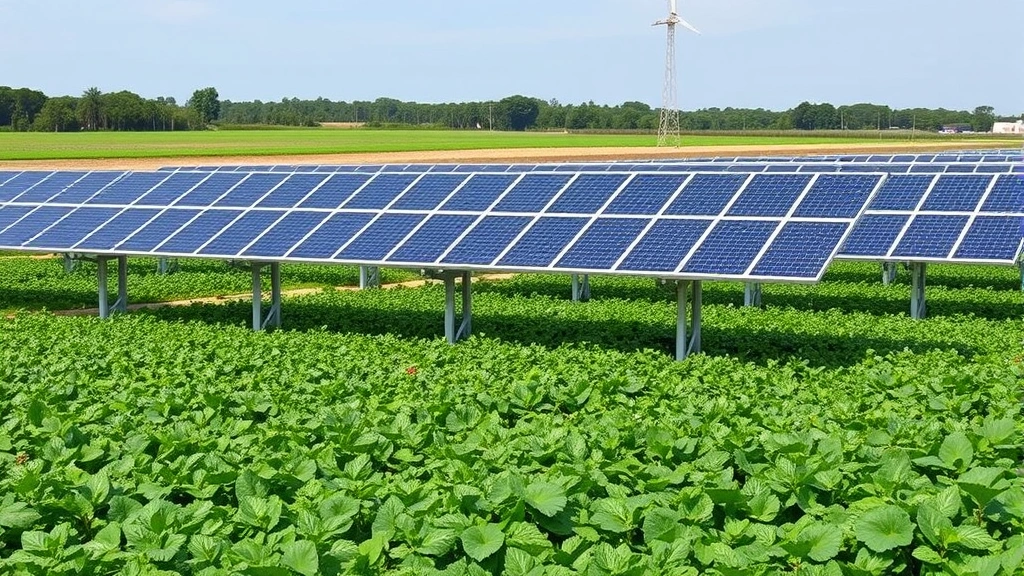
Land use presents nuanced considerations. Utility-scale solar installations occupy ground space, but dual-use approaches—combining agriculture with solar arrays or installing panels on rooftops—mitigate land competition concerns. Agrivoltaic systems, where solar panels shade drought-resistant crops, demonstrate how solar can enhance rather than diminish land productivity.
Ecosystem impacts during installation warrant attention. Construction activities can disturb soil, vegetation, and wildlife habitats. However, responsible site selection and restoration protocols minimize these effects. Post-installation, solar facilities often support vegetation growth beneath elevated panels, creating habitat for native plants and pollinators.
Recycling and End-of-Life Solutions
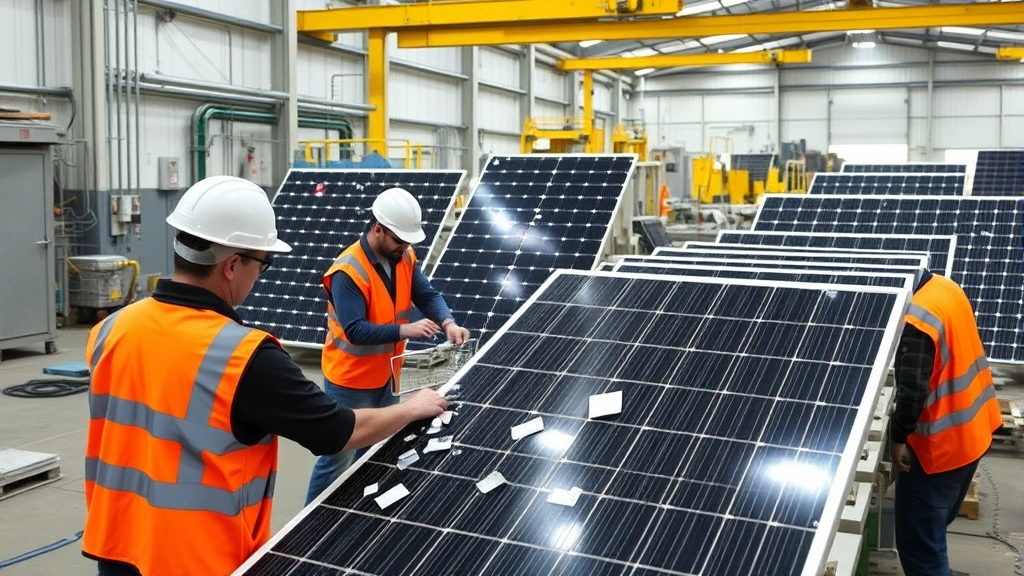
Panel recycling represents solar energy’s emerging sustainability frontier. Traditional approaches involved landfilling end-of-life panels, wasting valuable materials and potentially releasing hazardous substances. Modern recycling facilities recover 85-95% of panel materials, including silicon, glass, aluminum, and copper.
The recycling process involves mechanical and chemical separation techniques that extract valuable materials for reuse. Recovered silicon can become feedstock for new panels, creating circular economy benefits. Glass from recycled panels finds applications in fiberglass insulation or new solar equipment. Aluminum and copper are infinitely recyclable without quality degradation.
Extended producer responsibility (EPR) programs increasingly mandate manufacturer involvement in end-of-life management. The European Union’s Waste Electrical and Electronic Equipment Directive requires producers to finance panel collection and recycling, creating financial incentives for sustainable design. Similar frameworks are expanding globally, improving recycling infrastructure and economics.
Second-life applications extend panel utility beyond primary electricity generation. Panels degraded to 80% efficiency—still generating substantial power—find purpose in developing nations where grid infrastructure remains limited. This cascading reuse model maximizes material value and reduces waste.
Despite progress, recycling infrastructure remains underdeveloped in many regions. Scaling recycling capacity to match increasing panel installations requires investment in collection networks, processing facilities, and regulatory frameworks. This infrastructure development represents a critical sustainability challenge for the coming decade.
Comparing Solar to Traditional Energy
Contextualizing solar sustainability requires comparison with alternative energy sources. Sustainable energy solutions encompass diverse technologies, each with distinct environmental profiles. When evaluated comprehensively, solar compares favorably to fossil fuels across virtually every sustainability metric.
Coal plants generate ongoing emissions throughout their 40-50 year operational lifespan, accumulating greenhouse gases continuously. Natural gas plants produce lower emissions than coal but still generate carbon dioxide throughout operation. Nuclear energy presents low operational emissions but raises concerns about radioactive waste management and mining impacts. Wind energy rivals solar in lifecycle emissions, while hydroelectric systems can disrupt aquatic ecosystems through dam construction.
The cumulative emissions advantage of solar becomes apparent over decades. A solar panel generating power for 30 years accumulates far fewer lifecycle emissions than a coal plant producing equivalent electricity over the same period. This comparison strengthens the sustainability case for solar deployment.
Grid integration considerations matter increasingly. As solar penetration increases, battery storage and grid management become critical. Advantages of electric vehicles include their synergy with renewable energy systems—EV charging can absorb excess solar production during peak generation hours, enhancing overall system sustainability.
Future Sustainability Improvements
Solar technology continues evolving toward enhanced sustainability. Perovskite solar cells, still in development, promise higher efficiency with simpler manufacturing processes and reduced material requirements. These next-generation technologies could dramatically lower embodied energy and expand solar’s sustainability advantages.
Manufacturing innovations focus on reducing energy consumption and waste. Direct recycling technologies that refurbish degraded panels without complete disassembly promise lower energy requirements than conventional recycling. Water-based manufacturing processes replace toxic solvents, reducing environmental and health impacts.
Geographic optimization represents another frontier. Floating solar installations on reservoirs and water treatment facilities utilize otherwise unproductive space while reducing water evaporation—a dual sustainability benefit. Building-integrated photovoltaics (BIPV) eliminate land-use competition by incorporating solar generation into architectural elements.
Supply chain transparency continues improving through blockchain technology and certification programs. Consumers increasingly access detailed information about panel origins, manufacturing conditions, and material sourcing, enabling informed purchasing decisions aligned with sustainability values.
Policy frameworks supporting circular economy principles accelerate progress. Extended producer responsibility, right-to-repair legislation, and recycling mandates create market conditions favoring sustainable design. Investment in recycling infrastructure and research funding for next-generation technologies strengthen the sustainability ecosystem.
FAQ
How long do solar panels take to pay back their manufacturing energy investment?
Modern crystalline silicon solar panels achieve energy payback—recovering manufacturing energy investment through generation—within 2-4 years depending on geographic location and climate conditions. Thin-film technologies achieve payback even faster, sometimes within 1-2 years. After payback, panels continue generating net positive energy for their remaining operational lifespan.
Are solar panels recyclable?
Yes, modern recycling facilities recover 85-95% of solar panel materials including silicon, glass, aluminum, and copper. Recovered materials become feedstock for new panels or other industrial applications. However, recycling infrastructure remains underdeveloped in many regions, representing an ongoing sustainability challenge.
What materials in solar panels pose environmental concerns?
Modern crystalline silicon panels contain minimal hazardous materials. However, older panel types may contain lead or cadmium. Additionally, manufacturing processes consume energy and raw material extraction—particularly silicon mining—can impact ecosystems and consume water resources. Responsible sourcing and manufacturing practices mitigate these concerns.
How does solar energy compare to nuclear power in terms of sustainability?
Both solar and nuclear energy produce minimal operational emissions. However, solar avoids radioactive waste management concerns and mining impacts associated with uranium extraction. Solar’s distributed nature and faster deployment timeline offer advantages, while nuclear provides reliable baseload power. Comprehensive sustainability assessment depends on specific regional contexts and grid needs.
Can solar panels be recycled multiple times?
Silicon and metals recovered from solar panels can theoretically be recycled indefinitely without quality degradation. However, current recycling technologies focus on first-cycle recovery, extracting materials for new panel manufacturing. As recycling infrastructure matures, multi-cycle approaches will likely develop, further enhancing circular economy benefits.
What is agrivoltaics and how does it improve solar sustainability?
Agrivoltaics combines solar panel installation with agricultural production on the same land. Elevated panels shade drought-resistant crops while generating electricity, maximizing land productivity and reducing water consumption. This approach addresses land-use competition concerns and demonstrates solar’s potential to enhance rather than diminish environmental outcomes.


