
Intermountain Gas: Sustainable Practices Revealed
Intermountain Gas Company operates across multiple western states, serving hundreds of thousands of customers with natural gas distribution services. As energy consumption continues to rise and environmental concerns intensify, the company has increasingly focused on implementing sustainable practices throughout its operations. Understanding how major utility providers like Intermountain Gas balance energy delivery with environmental responsibility offers valuable insights into the broader energy sector’s evolution toward sustainability.
The natural gas industry faces mounting pressure to demonstrate environmental stewardship while maintaining reliable service. Intermountain Gas has responded by developing comprehensive initiatives that address emissions reduction, infrastructure modernization, and community engagement. These efforts reflect broader industry trends toward sustainability and responsible resource management. This exploration reveals how a regional utility company navigates the complex intersection of energy delivery, economic viability, and environmental protection.
Intermountain Gas Company Overview and Service Areas
Intermountain Gas Company represents one of the significant natural gas distributors in the western United States, with operations spanning Idaho, Oregon, and Washington. The company serves residential, commercial, and industrial customers across diverse geographic regions, from urban centers to rural communities. With a service territory covering thousands of square miles, Intermountain Gas maintains one of the region’s most extensive natural gas distribution networks.
The company’s operational scope encompasses gas procurement, pipeline management, customer service, and infrastructure maintenance. As a regulated utility, Intermountain Gas operates under state regulatory oversight that increasingly emphasizes environmental performance metrics. The company’s commitment to sustainability principles extends beyond regulatory requirements, reflecting recognition that long-term business viability depends on environmental stewardship and community trust.
Operating in the western United States positions Intermountain Gas within regions experiencing significant climate variability and environmental sensitivity. Communities served by the company increasingly demand that energy providers demonstrate genuine commitment to reducing environmental impact. This expectation drives Intermountain Gas to continuously evaluate and improve its sustainability practices.

Natural Gas Infrastructure and Sustainability Challenges
Natural gas distribution inherently presents sustainability challenges that require sophisticated management approaches. Methane, the primary component of natural gas, represents a potent greenhouse gas with approximately 80 times the warming potential of carbon dioxide over a 20-year period. While natural gas burns cleaner than coal or oil, methane leakage throughout the supply chain undermines environmental benefits. Intermountain Gas addresses these challenges through comprehensive infrastructure management and monitoring programs.
The company’s distribution system comprises thousands of miles of pipelines, many installed decades ago. Aging infrastructure presents both challenges and opportunities: older pipelines may have higher leak rates, yet modernization efforts provide chances to implement advanced materials and detection technologies. Intermountain Gas has invested significantly in replacing and upgrading pipeline segments, prioritizing areas with highest leak potential or greatest environmental sensitivity.
Pressure management systems represent another critical infrastructure component. By maintaining optimal pressure throughout distribution networks, Intermountain Gas reduces unintended gas releases and improves system efficiency. Advanced pressure regulation technologies allow the company to respond dynamically to demand fluctuations while minimizing waste. These technical solutions demonstrate how environmental sustainability integrates with operational excellence in utility management.
Customer connection points present additional sustainability considerations. Each residential and commercial connection includes regulators, meters, and safety equipment that require regular maintenance. Intermountain Gas implements preventive maintenance programs to ensure these components function optimally, reducing both safety risks and environmental impacts from uncontrolled gas releases.
Key infrastructure sustainability challenges include:
- Methane emissions from aging pipeline systems
- Maintenance of thousands of miles of distribution infrastructure
- Balance between system reliability and environmental performance
- Integration of new monitoring and control technologies
- Coordination with regional transmission pipelines
- Management of peak demand periods without environmental compromise
Emissions Reduction and Carbon Management Initiatives
Intermountain Gas has established comprehensive emissions reduction targets aligned with industry best practices and regulatory expectations. The company tracks methane emissions across its entire distribution system, utilizing advanced monitoring technologies to identify leakage sources. This data-driven approach enables targeted interventions where environmental benefits prove greatest.
The company participates in EPA Natural Gas STAR Program, a voluntary partnership that recognizes natural gas companies implementing cost-effective emissions reduction measures. Through this program, Intermountain Gas commits to identifying and implementing technologies and practices that reduce methane emissions while maintaining system reliability. Participation demonstrates the company’s commitment to transparency and industry leadership in environmental performance.
Carbon management extends beyond direct emissions from operations. Intermountain Gas recognizes that customer energy use represents the largest environmental impact associated with the company’s business. Supporting customer efficiency improvements indirectly reduces total emissions attributable to energy consumption. This comprehensive perspective on carbon responsibility reflects modern corporate sustainability thinking.
Intermountain Gas has invested in emissions quantification systems that provide detailed accounting of methane releases from compressor stations, regulators, meters, and pipeline segments. This inventory approach enables the company to identify which operational areas contribute most significantly to emissions profiles. Investment in emissions monitoring infrastructure demonstrates commitment to measurable environmental performance rather than aspirational goals.
The company’s emissions reduction initiatives include:
- Replacement of equipment known to have higher leak rates
- Implementation of advanced detection technologies
- Regular pipeline surveys and maintenance programs
- Training programs for field personnel on emissions-conscious practices
- Participation in industry research on methane mitigation
- Investment in carbon offset programs
Pipeline Modernization and Leak Detection Programs
Infrastructure modernization represents Intermountain Gas’s most significant sustainability investment. The company systematically replaces older pipeline segments with modern materials that reduce leak potential and improve system performance. This multi-year modernization program targets pipeline sections with highest environmental risk or greatest potential for emissions reduction.
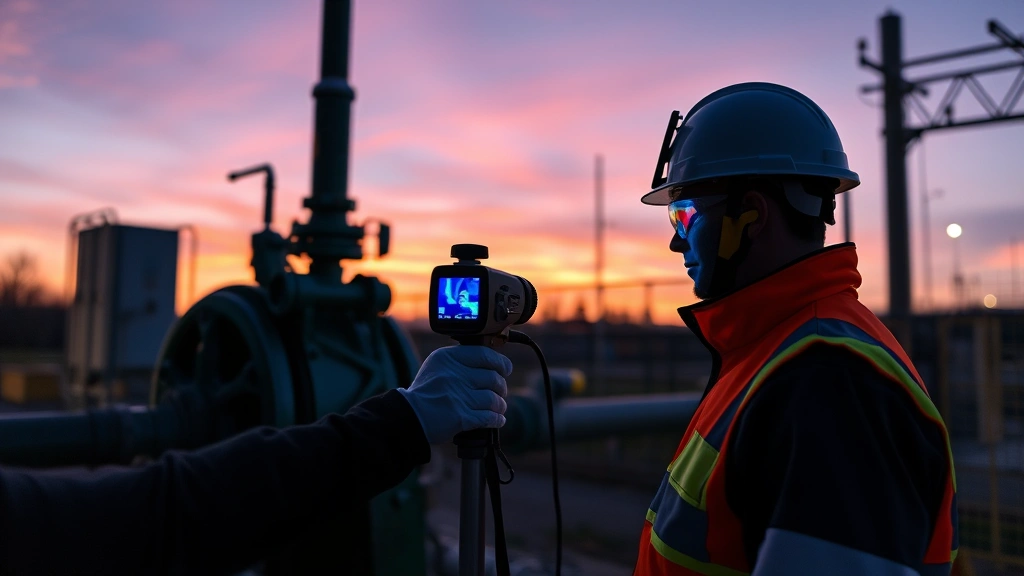
Advanced leak detection technologies enable Intermountain Gas to identify problems before they become significant environmental or safety issues. The company employs multiple detection approaches including acoustic monitoring, thermal imaging, and direct measurement techniques. These technologies allow field personnel to locate leaks quickly and precisely, minimizing repair timelines and environmental impact.
Intermountain Gas utilizes environmental footprint reduction strategies specific to pipeline operations. Plastic pipeline materials approved for natural gas distribution offer advantages over older steel infrastructure, including superior corrosion resistance and lower maintenance requirements. The company prioritizes these materials in modernization projects.
The company’s modernization program includes replacement of cast iron and bare steel pipes that present higher corrosion and leak risks. Polyethylene and other modern materials demonstrate superior long-term performance in diverse soil and climate conditions. Investment in these materials represents commitment to reducing long-term environmental impact and operational costs.
Leak detection frequency has increased substantially as Intermountain Gas prioritizes emissions identification. The company conducts regular surveys of distribution systems using mobile and stationary equipment. When leaks are identified, repair crews respond promptly to minimize methane release duration. This proactive approach contrasts with reactive maintenance models that address problems only after customer complaints.
Community Engagement and Environmental Education
Sustainable business practices require community understanding and support. Intermountain Gas invests in educational programs that help customers understand natural gas safety, efficiency, and environmental considerations. These initiatives build community trust while promoting behaviors that reduce overall environmental impact.
The company sponsors community events focused on energy efficiency and environmental awareness. Educational materials distributed through these programs help residents and business owners understand how natural gas fits within broader energy landscapes and how individual choices affect environmental outcomes. This engagement reflects recognition that sustainability requires participation across entire communities.
Intermountain Gas collaborates with environmental organizations and academic institutions to advance understanding of natural gas distribution sustainability. These partnerships facilitate research on emissions reduction technologies and best practices. By participating in collaborative research, the company contributes to industry-wide improvements while accessing cutting-edge knowledge.
Customer education programs focus on practical steps individuals and businesses can take to reduce energy consumption and associated emissions. Information about weatherization, efficient appliance selection, and behavioral changes empowers customers to align their energy choices with environmental values. This educational approach extends the company’s sustainability impact beyond operational improvements.
Energy Efficiency Programs for Customers
Intermountain Gas recognizes that customer energy consumption represents the primary environmental impact of natural gas distribution. The company has developed comprehensive sustainable energy solutions focused on reducing customer demand through efficiency improvements.
Residential efficiency programs provide rebates and incentives for customers upgrading to efficient heating systems, water heaters, and appliances. These programs reduce customer energy bills while decreasing total natural gas consumption and associated emissions. By aligning customer financial interests with environmental goals, Intermountain Gas creates win-win outcomes that encourage participation.
Commercial and industrial efficiency programs offer customized assessments identifying opportunities for energy reduction. Large customers receive technical support from energy specialists who analyze operations and recommend specific improvements. These programs often achieve significant efficiency gains through relatively modest capital investments in equipment upgrades and operational changes.
The company provides weatherization assistance to low-income households, recognizing that efficiency improvements benefit all customers regardless of economic status. These programs reduce energy poverty while achieving environmental benefits. Investment in equitable access to efficiency reflects broader sustainability principles that acknowledge environmental and social dimensions of sustainability.
Intermountain Gas has invested in smart meter technology that provides customers with detailed consumption data. This information enables customers to identify usage patterns and opportunities for reduction. Real-time feedback encourages conservation behaviors and facilitates informed decision-making about energy investments.
Renewable and Alternative Energy Integration
Natural gas distribution companies increasingly explore how their infrastructure and expertise might support renewable and alternative energy integration. Intermountain Gas has investigated opportunities to incorporate renewable natural gas, hydrogen, and other alternative fuels into distribution systems.
Renewable natural gas (RNG), derived from organic waste decomposition and agricultural operations, can be injected into existing natural gas pipelines and distributed to customers using current infrastructure. This pathway enables renewable energy utilization without requiring complete system replacement. Intermountain Gas has explored RNG opportunities within its service territory, recognizing potential for increasing renewable energy penetration.
Hydrogen represents another alternative fuel with potential for natural gas infrastructure adaptation. Green hydrogen produced through renewable electricity-powered electrolysis offers zero-carbon fuel potential. While significant technical and infrastructure challenges remain, natural gas companies like Intermountain Gas participate in research exploring hydrogen integration possibilities.
The company recognizes that green technology innovations may fundamentally transform energy systems. Rather than viewing alternative fuels as threats, Intermountain Gas positions itself as potential facilitator of energy system transitions. This forward-thinking approach reflects recognition that long-term business viability depends on adapting to changing energy landscapes.
Intermountain Gas has supported customer investments in renewable heating technologies including heat pumps and solar thermal systems. By acknowledging that diverse energy solutions serve customer needs, the company demonstrates commitment to broader sustainability goals beyond natural gas promotion.
Regulatory Compliance and Industry Standards
Intermountain Gas operates within regulatory frameworks established by state utility commissions that increasingly emphasize environmental performance. The company works collaboratively with regulators to develop performance standards that balance environmental protection, customer costs, and system reliability.
Industry standards organizations including the American Gas Association establish best practices for emissions management and environmental performance. Intermountain Gas participates actively in these organizations, contributing to standard development and implementing emerging best practices. This engagement positions the company as industry leader in environmental stewardship.
The company reports environmental performance metrics to regulatory agencies and publicly, demonstrating transparency and accountability. Regular reporting on emissions, pipeline modernization progress, and customer efficiency program results enables stakeholders to assess environmental performance objectively.
Compliance with environmental regulations represents baseline expectations rather than sustainability ceiling. Intermountain Gas pursues environmental improvements exceeding regulatory minimums, reflecting recognition that proactive environmental leadership builds community support and ensures long-term operational viability.
The company participates in environmental organization dialogues addressing natural gas industry sustainability, engaging constructively with groups advocating for aggressive environmental protection. These conversations, while sometimes challenging, contribute to mutual understanding and identification of shared interests in environmental improvement.
FAQ
What is Intermountain Gas’s primary sustainability focus?
Intermountain Gas prioritizes emissions reduction, infrastructure modernization, and customer energy efficiency. The company focuses on minimizing methane leakage from distribution systems while helping customers reduce consumption through efficiency programs and education.
How does Intermountain Gas detect and address methane leaks?
The company employs advanced detection technologies including acoustic monitoring and thermal imaging to identify leaks. When leaks are discovered, repair crews respond promptly. Regular systematic surveys of distribution systems enable proactive leak identification before problems become significant.
What customer programs does Intermountain Gas offer for energy efficiency?
The company provides rebates for efficient appliances and systems, customized efficiency assessments for commercial customers, weatherization assistance for low-income households, and smart meter technology providing detailed consumption data. These programs help customers reduce energy consumption and associated costs.
Does Intermountain Gas invest in renewable energy?
The company explores renewable natural gas and hydrogen integration possibilities. While these technologies remain in development phases, Intermountain Gas recognizes potential for renewable fuel incorporation into existing infrastructure and supports research advancing these possibilities.
How can customers participate in Intermountain Gas sustainability initiatives?
Customers can participate by utilizing energy efficiency programs, implementing recommended efficiency improvements, monitoring consumption through smart meters, and engaging with community education programs. Individual actions collectively create significant environmental benefits.
What regulatory standards govern Intermountain Gas environmental performance?
State utility commissions establish regulatory frameworks for environmental performance. Intermountain Gas participates in EPA Natural Gas STAR Program and implements industry best practices exceeding minimum regulatory requirements.
How transparent is Intermountain Gas regarding environmental performance?
The company reports environmental metrics including emissions data, pipeline modernization progress, and customer efficiency program results to regulatory agencies and the public. This transparency enables stakeholder assessment of environmental performance and accountability.


