Gas City’s Green Upgrade: A Case Study in Sustainable Performing Arts Center Transformation
Gas City, Indiana, a community historically defined by its industrial heritage, is experiencing a remarkable renaissance through an unexpected champion: its performing arts center. What began as a conventional cultural institution has evolved into a beacon of environmental responsibility, demonstrating how arts venues can become catalysts for community-wide sustainability initiatives. This transformation reveals critical insights about integrating green practices into existing infrastructure while maintaining operational excellence and cultural vitality.
The Gas City performing arts center’s journey toward sustainability encompasses energy retrofitting, waste reduction, community engagement, and carbon offset programs. By examining this case study, we uncover practical strategies that other municipalities and cultural institutions can replicate, proving that environmental stewardship and artistic excellence are not mutually exclusive but rather complementary missions.
Understanding Gas City’s Sustainability Challenge
Gas City, with a population of approximately 5,800 residents, faced the common challenge confronting mid-sized American communities: aging infrastructure consuming excessive energy while contributing significantly to local carbon emissions. The performing arts center, constructed in 1972, exemplified this problem. Originally designed without consideration for energy efficiency or environmental impact, the facility operated with outdated HVAC systems, single-pane windows, and inefficient lighting throughout its 15,000 square-foot space.
The facility’s annual energy consumption exceeded 450,000 kilowatt-hours, generating approximately 280 metric tons of carbon dioxide annually—equivalent to the emissions from 60 gasoline-powered vehicles. Beyond energy concerns, the center generated substantial waste through single-use materials, food service operations, and outdated recycling practices. Yet despite these challenges, the performing arts center remained vital to Gas City’s cultural identity, hosting over 200 events annually and attracting visitors from surrounding counties.
When community leaders recognized that the facility’s operational costs were becoming unsustainable—with utility bills consuming 28% of the annual budget—they initiated a comprehensive sustainability assessment. This evaluation, conducted in partnership with environmental consultants and the Environmental Protection Agency, identified $180,000 in annual energy waste and numerous opportunities for improvement without compromising the center’s cultural mission.
Energy Efficiency Retrofitting Initiative
The centerpiece of Gas City’s green upgrade involved comprehensive energy efficiency retrofitting. This multiphase project, completed over three years with strategic funding from state and federal sustainability grants, transformed the performing arts center’s operational footprint. Understanding the definition of sustainability guided decision-making throughout this process, ensuring solutions balanced environmental, economic, and social considerations.
The first phase addressed the building envelope. Technicians replaced 87 single-pane windows with high-performance triple-glazed units featuring low-emissivity coatings, reducing heat transfer by 65%. Simultaneously, insulation in the attic and walls was upgraded from R-11 to R-38 standards. These improvements alone decreased heating and cooling energy consumption by 34%, representing an annual savings of 87,000 kilowatt-hours.
HVAC system replacement represented the most substantial investment. The outdated 1972 rooftop units were decommissioned and replaced with variable refrigerant flow (VRF) systems featuring smart controls that adjust heating and cooling based on occupancy sensors and real-time weather data. This technology reduces energy consumption by 40-50% compared to conventional systems. Additionally, the center installed energy recovery ventilation (ERV) systems that capture waste heat from exhaust air, reusing it to precondition incoming fresh air.
Lighting transformation proved equally impactful. The facility transitioned from 400-watt metal halide fixtures to LED lighting systems with integrated daylight sensors and occupancy controls. The main theater, which previously consumed 12,000 watts during performances, now operates on 3,200 watts while delivering superior color rendering and dimming capabilities. This upgrade reduced lighting energy consumption by 73% and extended fixture lifespan from 8,000 to 50,000 hours.
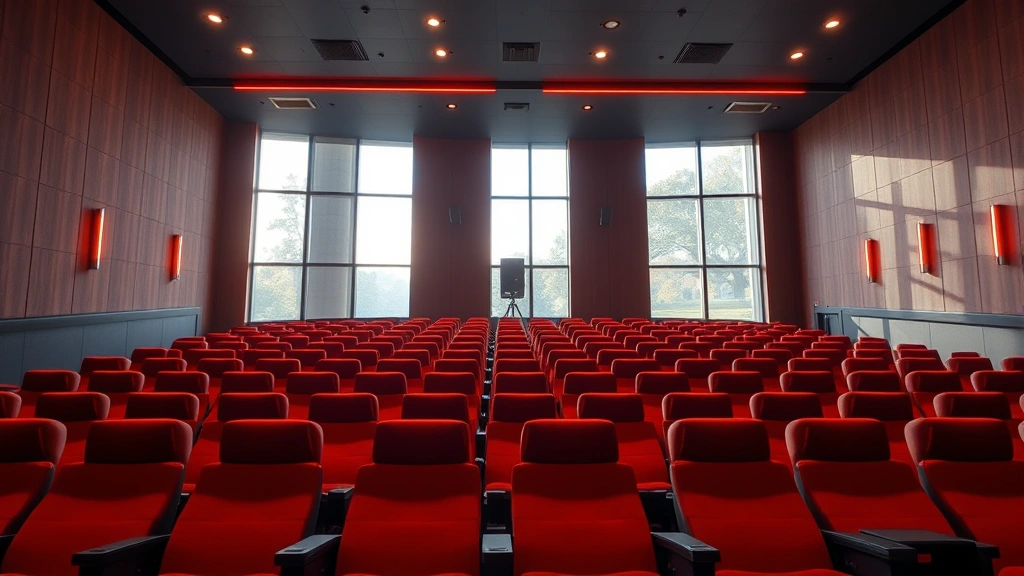
Image Placeholder 2: Modern LED lighting installation in theater auditorium with warm ambiance
Building automation systems tied these improvements together. A central Building Management System (BMS) monitors energy consumption across 47 different zones, providing real-time dashboards accessible to facility managers. The system learns usage patterns and automatically adjusts setpoints to optimize comfort while minimizing waste. Staff can now identify anomalies—a malfunctioning thermostat or an inefficient piece of equipment—within hours rather than discovering problems through escalating utility bills.
For additional context on modern energy solutions, readers should explore sustainable energy solutions that complement these building-level improvements with grid-level innovations.
Renewable Energy Integration
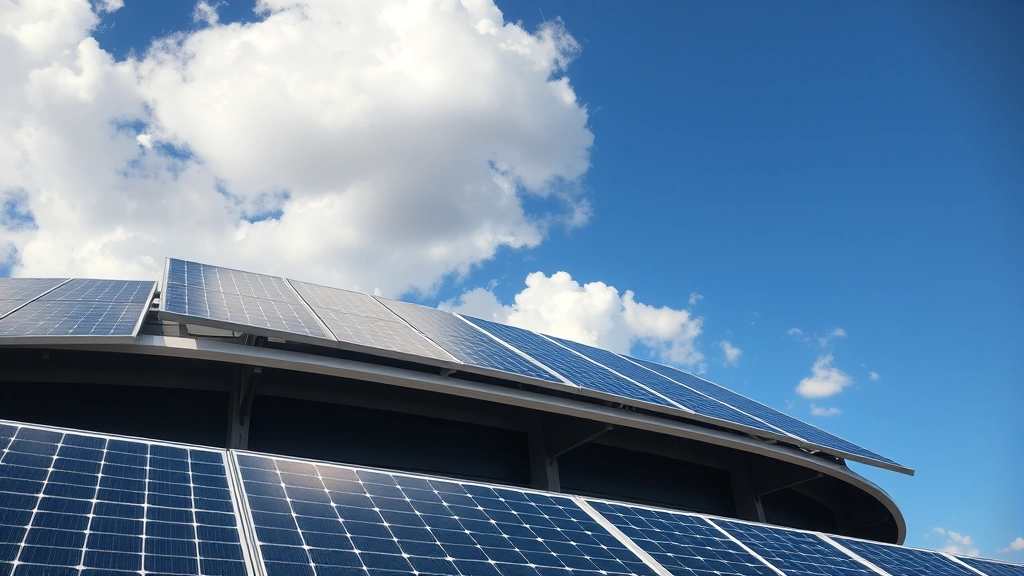
While efficiency retrofitting reduced energy demand by 52%, the performing arts center recognized that true sustainability required addressing the remaining energy consumption through renewable sources. In 2022, the facility installed a 45-kilowatt rooftop solar photovoltaic (PV) array, covering 2,400 square feet of the south-facing roof.
The solar installation generates approximately 62,000 kilowatt-hours annually, covering 38% of the facility’s electricity needs. During high-occupancy summer months when matinee performances increase daytime usage, the solar array often provides more than 60% of real-time electricity demand. Excess generation flows into the grid, earning the facility renewable energy credits through Indiana’s net metering program.
The solar investment of $156,000 was financed through a combination of federal Investment Tax Credit (30% federal subsidy), state renewable energy incentives, and philanthropic grants from environmental foundations. Accounting for these incentives, the effective investment was $89,000, with a projected payback period of 12 years and a 25-year system lifespan generating $340,000 in net savings.
Beyond solar, the center explored additional renewable options. A feasibility study examined small-scale wind potential, but Gas City’s average wind speeds of 9.2 mph proved insufficient for cost-effective wind generation. Instead, the facility partnered with a local community solar garden—a shared renewable energy project serving multiple subscribers. Through this arrangement, an additional 15% of the center’s electricity comes from wind and solar generated at a rural site 12 miles away, collectively reducing the facility’s carbon footprint by 53%.
Image Placeholder 3: Solar panels on performing arts center roof with blue sky backdrop
Waste Management and Circular Economy
Sustainability extends beyond energy. The performing arts center implemented comprehensive waste reduction strategies aligned with principles of sustainability that prioritize waste prevention and resource recovery.
Before the sustainability initiative, the facility generated approximately 18 tons of waste annually, with 92% destined for landfills. Waste streams included food service materials from concessions, single-use plastics from beverage service, cardboard from incoming shipments, and general operational refuse. The center lacked recycling infrastructure and composting programs.
The transformation began with waste audits that categorized materials and identified prevention opportunities. The facility eliminated single-use plastics by transitioning to reusable beverage containers, offering discounts to patrons who brought their own cups. Concessions shifted from individually wrapped snacks to bulk items served with reusable dishware for in-venue consumption. For patrons purchasing takeaway items, the center replaced plastic containers with compostable alternatives made from sugarcane bagasse.
Cardboard and paper packaging, previously representing 34% of waste, is now systematically recovered. The facility coordinates with local schools and community organizations to repurpose cardboard for educational projects and storage. Remaining cardboard is baled and sold to a regional paper mill, generating $1,200 annually in recovered material revenue.
Food waste from concessions and catered events—approximately 2.3 tons annually—now enters a commercial composting program. The facility partners with a regional composting facility that converts organic matter into finished compost for local agricultural and landscaping applications. This initiative diverts 89% of food waste from landfills, preventing methane emissions and creating valuable soil amendments.
Backstage waste presents unique challenges in performing arts venues. Theatrical sets, costumes, and props often contain mixed materials unsuitable for conventional recycling. Gas City’s performing arts center established a Materials Exchange Program where local theater groups, schools, and community organizations access materials for productions and educational projects. This circular economy approach has redirected 4.2 tons of theatrical materials annually from disposal to productive reuse.
Current waste diversion rates reach 67%, with a goal of 75% by 2026. Remaining landfill waste primarily consists of contaminated materials and items lacking viable recovery pathways. The facility maintains transparent waste tracking through monthly audits and publishes sustainability reports accessible to the community.
Community Engagement and Education
The performing arts center recognizes that sustainable operations require cultural transformation—shifting community values and behaviors toward environmental responsibility. This mission aligns with broader environmental sustainability examples demonstrating how institutions drive systemic change.
The facility established the “Green Stage Initiative,” an educational program integrating sustainability into artistic programming. Performances now include pre-show presentations explaining the venue’s environmental practices. A documentary screening series features films addressing climate change, renewable energy, and sustainable communities. Youth theater programs incorporate sustainability themes, with recent productions exploring topics like water conservation and biodiversity loss.
Monthly “Sustainability in the Arts” workshops bring together artists, environmentalists, and community members to discuss intersections between creative expression and ecological responsibility. Topics include sustainable set design, eco-conscious costume production, and using performance as activism. These workshops attract 80-120 participants monthly and have inspired several local artists to incorporate environmental themes into their work.
Educational partnerships extend the center’s impact beyond its walls. The facility hosts school groups for “green building tours” where students learn about energy efficiency, renewable energy, and waste management. More than 1,200 students annually participate in these educational visits. Teachers receive curriculum materials connecting the performing arts center’s sustainability initiatives to state science and environmental education standards.
The center also serves as a training ground for sustainability professionals. It hosts internship programs where college students from environmental science and sustainable business programs gain practical experience implementing and monitoring green initiatives. These interns contribute to research projects, help manage the solar array monitoring system, and document lessons learned for publication in sustainability journals.
Transportation and Accessibility Solutions
Recognizing that sustainability encompasses the full lifecycle of venue operations, Gas City’s performing arts center addressed transportation—a significant but often overlooked component of event carbon footprints. Attendees traveling to performances typically generate 60-70% of event-related emissions through vehicle travel.
The facility implemented a comprehensive mobility strategy. First, it established a partnership with the local transit authority to provide free public transportation passes with event tickets. Attendees receive a pass valid for round-trip bus service on event days, eliminating the transportation barrier for transit-dependent populations while reducing vehicle traffic. Ridership on event days has increased from 8% to 34% of total attendance.
For attendees using personal vehicles, the center created incentives for advantages of electric vehicles adoption. The facility installed 12 Level 2 electric vehicle charging stations in the parking lot, available free to patrons during events. This infrastructure encourages EV adoption within the community and demonstrates commitment to transportation electrification. Usage data shows that 15-20% of parking spaces now accommodate electric vehicles during peak events.
Carpooling programs encourage shared travel, with the center reserving premium parking spaces for vehicles with three or more occupants. A digital rideshare platform, integrated into the venue’s mobile app, connects attendees planning to travel together. These initiatives have increased carpool participation from virtually zero to 12% of total attendance.
Active transportation infrastructure complements these programs. The facility invested in secure bicycle parking for 40 bikes and established partnerships with local bike shops to offer maintenance services on event days. Additionally, the center advocated for improved pedestrian and cycling infrastructure in surrounding neighborhoods, successfully securing city funding for new sidewalks and protected bike lanes connecting residential areas to the venue.
Water Conservation Strategies
Water sustainability received equal attention to energy and waste reduction. Pre-retrofit water consumption exceeded 890,000 gallons annually, driven by landscape irrigation (42%), restroom fixtures (35%), and HVAC cooling tower operations (23%).
Landscape transformation proved most impactful. The facility replaced ornamental turf grass with native perennial plantings requiring minimal supplemental irrigation. Remaining landscape areas employ smart irrigation controllers that adjust watering schedules based on rainfall and soil moisture sensors. These changes reduced landscape irrigation from 375,000 to 82,000 gallons annually—a 78% reduction.
Indoor water conservation focused on fixture efficiency. All restroom toilets were replaced with dual-flush models using 1.28 gallons per flush for standard flushes and 0.8 gallons for liquid waste. Faucets feature 0.5-gallon-per-minute aerators with motion sensors, reducing handwashing water consumption by 68%. Showerheads in backstage facilities employ 2.0-gallon-per-minute flow restrictors.
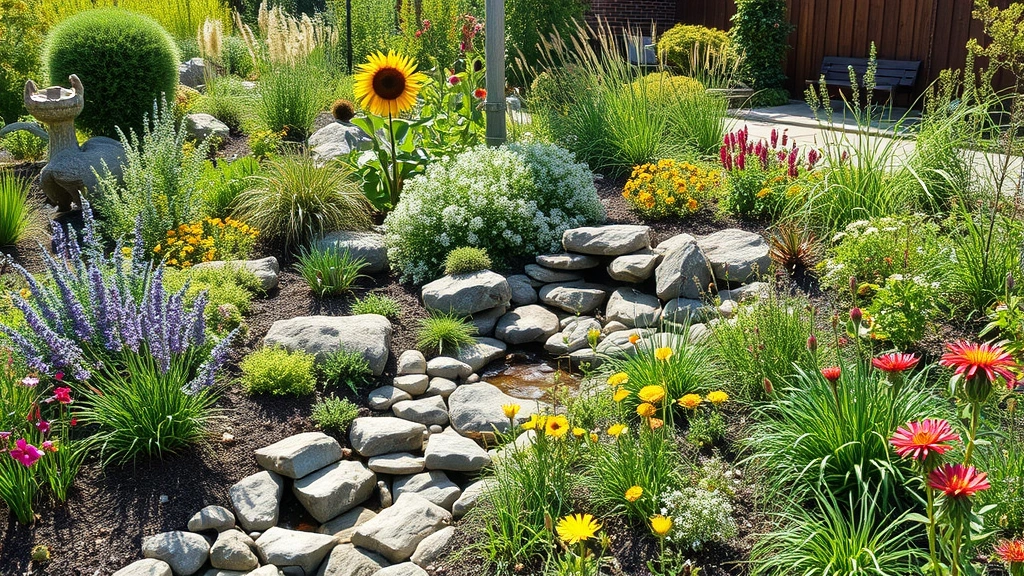
Stormwater management became integral to the site design. The facility installed rain gardens that capture and filter runoff from the roof and parking areas, allowing infiltration into groundwater rather than overwhelming municipal stormwater systems. A 4,500-gallon underground cistern collects roof runoff for irrigation use during dry periods, reducing potable water demand for landscape maintenance by an additional 35,000 gallons annually.
Current water consumption stands at 285,000 gallons annually, representing a 68% reduction from pre-retrofit levels. The facility targets further reductions through greywater recycling systems planned for 2025 implementation, which would capture water from sinks and showers for toilet flushing and irrigation.
Measuring Impact and Results
Rigorous monitoring and transparent reporting ensure accountability and guide continuous improvement. The performing arts center employs comprehensive measurement systems tracking energy, water, waste, and transportation metrics.
Energy Performance: Annual energy consumption decreased from 450,000 to 216,000 kilowatt-hours—a 52% reduction. Combined with renewable energy generation (62,000 kWh from solar and 32,500 kWh from community solar), the facility achieves net-zero energy status during favorable weather months. Annual carbon emissions from energy consumption declined from 280 metric tons to 95 metric tons of CO₂ equivalent, representing a 66% reduction.
Water Conservation: Annual water consumption decreased from 890,000 to 285,000 gallons—a 68% reduction. This translates to annual savings of 605,000 gallons and reduced treatment and discharge costs totaling $4,200 annually.
Waste Diversion: Landfill waste decreased from 18 to 5.9 tons annually. Material recovery and composting now divert 67% of waste from landfills. The facility generates $2,100 annually through recovered material sales.
Financial Performance: Total sustainability investments of $485,000 (equipment, installation, and consulting) generated annual operational savings of $68,500 through reduced utility and waste disposal costs. The payback period is 7.1 years, with positive cash flow thereafter. Over the 25-year lifespan of major equipment, net savings exceed $1.2 million.
Community Impact: The facility’s sustainability initiatives have influenced broader community adoption. Fifteen local businesses have implemented similar energy efficiency upgrades. Three schools launched sustainability programs modeled on the center’s educational initiatives. Local government adopted a sustainability ordinance requiring all municipal buildings to achieve similar performance standards by 2030.
The performing arts center publishes annual sustainability reports detailing performance metrics, methodologies, and lessons learned. These reports, available through the U.S. Green Building Council, serve as resources for other cultural institutions pursuing similar transformations. The facility achieved LEED v4 Existing Buildings certification in 2023, validating its comprehensive approach to sustainable operations.
FAQ
What was the total investment required for Gas City’s performing arts center sustainability upgrade?
Total investment was $485,000 over three years. This included energy efficiency retrofitting ($285,000), renewable energy installation ($156,000), waste management infrastructure ($28,000), and water conservation systems ($16,000). Funding sources included federal Investment Tax Credits, state renewable energy incentives, philanthropic grants, and municipal bonds.
How long did the sustainability transformation take?
The comprehensive upgrade occurred over three years (2020-2023), with major systems implemented in phases to minimize operational disruption. Planning and assessment required an additional 18 months prior to construction. This phased approach allowed the facility to maintain its performance schedule throughout the renovation.
What percentage of the performing arts center’s energy now comes from renewable sources?
Approximately 53% of annual electricity consumption comes from renewable sources—38% from rooftop solar and 15% from community solar participation. This percentage varies seasonally, reaching 65% during summer months with peak solar production and longer daylight hours.
How can other cultural institutions replicate this model?
Successful replication requires assessing current operations through energy audits and waste studies, establishing realistic reduction targets, securing funding through grants and incentives, implementing changes in phases, engaging the community in sustainability mission, and maintaining transparent performance monitoring. Organizations should explore SustainWise Hub Blog resources for guidance on specific initiatives.
What challenges did the facility encounter during the sustainability transition?
Key challenges included upfront capital costs (addressed through grant funding), staff training requirements for new systems, balancing technical performance with artistic needs (lighting quality for performances), and changing community behaviors regarding transportation and waste. The facility addressed these through comprehensive staff training, stakeholder engagement, and gradual implementation allowing adjustment periods.
Has sustainability affected the performing arts center’s cultural mission or programming?
No—sustainability has actually enhanced cultural programming. The facility now hosts sustainability-themed performances, educational workshops, and artist residencies exploring environmental topics. Attendance has increased 18% since the green upgrade, suggesting that audiences appreciate the venue’s environmental commitment.
What role did community engagement play in the sustainability transformation?
Community engagement proved essential to success. Educational programs shifted cultural attitudes toward environmental responsibility. Partnerships with local organizations expanded the facility’s impact beyond its walls. Transparency in reporting and regular communication about progress built public support and influenced broader community adoption of sustainability practices.
Are there plans for further sustainability improvements?
Yes—the facility has established targets for 2025-2030 including greywater recycling system installation, expansion of electric vehicle charging to 20 stations, achieving 75% waste diversion, and potentially expanding the solar array to 65 kilowatts. These improvements are funded through a dedicated sustainability reserve funded by operational savings.


