Piedmont Gas: Sustainable Future or Not?
Piedmont Natural Gas, one of the largest natural gas distribution companies in the United States, serves millions of customers across the Carolinas, Tennessee, and Alabama. As climate concerns intensify and stakeholders demand corporate accountability, the question of whether Piedmont Gas is genuinely moving toward a sustainable future becomes increasingly critical. The company operates in an industry fundamentally tied to fossil fuel extraction and distribution, creating inherent tensions between profitability and environmental responsibility.
Natural gas has long been positioned as a transitional fuel—cleaner than coal but not as renewable as solar or wind. However, methane leakage throughout the supply chain, infrastructure challenges, and the urgency of climate action have shifted perspectives on whether natural gas truly deserves its “bridge fuel” reputation. This comprehensive analysis examines Piedmont Gas’s sustainability initiatives, environmental impact, and future trajectory to determine whether the company is genuinely committed to a sustainable path forward.
Piedmont Gas Overview and Market Position
Piedmont Natural Gas Company, Inc. operates as a subsidiary of Piedmont Holding Company and serves approximately 3.6 million customers through its natural gas distribution network. The company maintains operations in North Carolina, South Carolina, Tennessee, and Alabama, making it a significant regional energy provider. Understanding Piedmont Gas’s role in the broader energy landscape requires examining its market dominance, operational scale, and influence on regional energy policy.
The company’s infrastructure includes thousands of miles of distribution pipelines, transmission systems, and customer service facilities. This extensive network represents decades of capital investment and operational expertise. However, the same infrastructure that enables efficient gas distribution also represents significant environmental liability, particularly regarding methane emissions, pipeline integrity, and long-term commitment to fossil fuel infrastructure expansion.
Piedmont Gas’s business model depends fundamentally on natural gas consumption. This creates inherent conflicts between corporate profit maximization and genuine sustainability commitments. When analyzing the company’s sustainability claims, it’s essential to recognize this structural tension and evaluate whether proposed initiatives represent meaningful change or strategic greenwashing designed to maintain social license to operate.
Environmental Impact Assessment
Natural gas combustion produces approximately 50% fewer carbon dioxide emissions than coal combustion, which has historically justified its classification as a transition fuel. However, this comparative advantage obscures the full environmental picture. Methane, the primary component of natural gas, possesses a global warming potential approximately 28-36 times greater than carbon dioxide over a 100-year timeframe, and significantly higher over shorter periods.
Piedmont Gas’s direct environmental impacts include:
- Carbon dioxide emissions from customer combustion of distributed natural gas
- Methane leakage throughout transmission and distribution systems
- Land use impacts from pipeline infrastructure and maintenance corridors
- Water quality concerns from pipeline construction and maintenance operations
- Greenhouse gas emissions from company operations and supply chain activities
The company’s total carbon footprint extends beyond direct operational emissions. Scope 3 emissions—those generated by customer use of distributed natural gas—represent the largest environmental impact category. When customers burn natural gas for heating, cooking, and electricity generation, they emit greenhouse gases. Piedmont Gas directly enables these emissions by providing the fuel, making the company partially responsible for the resulting climate impact.
Additionally, the environmental sustainability practices within the natural gas industry remain inconsistent. Pipeline maintenance, compressor station operations, and distribution system management all generate environmental consequences that extend beyond simple carbon accounting.
Current Sustainability Initiatives
Piedmont Gas has implemented several initiatives addressing sustainability concerns, though their scope and effectiveness merit critical examination. The company has committed to operational efficiency improvements, renewable energy pilot projects, and methane reduction programs. However, assessing whether these initiatives represent genuine commitment or superficial compliance requires detailed analysis.
The company’s stated sustainability goals include:
- Reducing methane emissions through pipeline replacement programs
- Investing in natural gas vehicle infrastructure
- Supporting renewable energy integration pilot projects
- Improving operational efficiency across distribution networks
- Enhancing transparency through sustainability reporting
Piedmont Gas has participated in industry-wide methane reduction initiatives and committed to compliance with Environmental Protection Agency (EPA) regulations. The company has also explored renewable natural gas (RNG) opportunities, which involves capturing methane from landfills, wastewater treatment facilities, and agricultural operations for use as fuel. This approach theoretically reduces overall emissions by preventing methane release while providing an alternative to conventionally sourced natural gas.
However, renewable natural gas represents a relatively small percentage of Piedmont Gas’s total supply portfolio. The company’s primary business model continues to rely on conventional natural gas sourcing and distribution. Without substantial diversification toward genuinely renewable energy sources, current initiatives remain incremental rather than transformational.
Methane Emissions and Leakage Concerns
Methane leakage throughout natural gas distribution systems represents a critical sustainability challenge. Even small percentage losses become significant given the scale of distribution networks. The U.S. Environmental Protection Agency has documented that methane emissions from natural gas systems constitute a meaningful portion of total U.S. greenhouse gas emissions.
Piedmont Gas’s distribution system, like all natural gas networks, experiences methane leakage through:
- Pipeline corrosion and deterioration from aging infrastructure
- Compressor station emissions from equipment operation and venting
- Customer meter and regulator leaks from wear and maintenance issues
- Transmission system fugitive emissions from pressure relief and normal operations
- Construction and maintenance activities that disturb pipeline systems
The company has implemented methane detection programs and pipeline replacement initiatives targeting high-leak areas. However, comprehensive data on actual methane leakage rates remains limited. Third-party environmental organizations have called for increased transparency and more aggressive methane reduction targets across the natural gas industry.
Research from the Environmental Protection Agency indicates that actual methane leakage rates from distribution systems may exceed industry estimates. This discrepancy suggests that current reduction programs may be insufficient to meaningfully address the problem. Piedmont Gas would strengthen its sustainability credentials by committing to independent verification of methane emissions and more ambitious reduction targets aligned with climate science recommendations.

Infrastructure Modernization Efforts
Piedmont Gas has invested in infrastructure modernization programs designed to improve operational efficiency, enhance safety, and reduce environmental impact. These investments include pipeline replacement projects, advanced metering infrastructure deployment, and system optimization initiatives. Understanding the scope and effectiveness of these programs provides insight into the company’s genuine commitment to sustainability.
The company’s infrastructure modernization includes:
- Replacement of aging cast iron and steel pipes with corrosion-resistant materials
- Implementation of advanced metering infrastructure (AMI) enabling real-time consumption monitoring
- Deployment of digital systems for leak detection and system management
- Investment in pressure management technologies reducing fugitive emissions
- Upgrades to compressor stations and transmission facilities
These modernization efforts offer genuine environmental benefits by reducing methane leakage, improving system efficiency, and enabling better demand management. However, the pace of infrastructure replacement remains a critical consideration. Piedmont Gas operates thousands of miles of pipeline, and complete replacement to modern standards would require decades at current investment levels.
Additionally, infrastructure modernization perpetuates dependence on natural gas systems. Rather than transitioning toward renewable energy sources, these investments essentially extend the operational lifetime of fossil fuel infrastructure. This represents a fundamental tension between operational sustainability (reducing emissions from existing systems) and strategic sustainability (transitioning away from fossil fuels entirely).
Renewable Energy and Alternative Solutions
The sustainable energy solutions landscape increasingly emphasizes renewable electricity, heat pump technology, and electrification over natural gas alternatives. Piedmont Gas’s response to these trends reveals important information about the company’s strategic priorities and sustainability commitment.
The company has explored renewable natural gas programs, which theoretically provide a lower-carbon alternative to conventional natural gas. Renewable natural gas captures methane from organic waste streams—landfills, wastewater treatment facilities, dairy operations—and processes it for distribution through existing pipeline infrastructure. This approach offers several advantages: it prevents methane release into the atmosphere, utilizes existing infrastructure, and provides customers with a renewable alternative.
However, renewable natural gas faces significant limitations:
- Limited supply availability restricts growth potential and scale
- Production costs remain higher than conventional natural gas
- Energy efficiency concerns as the fuel still produces carbon dioxide when combusted
- Competition for feedstock with other industries seeking renewable alternatives
- Infrastructure requirements for collection, processing, and distribution
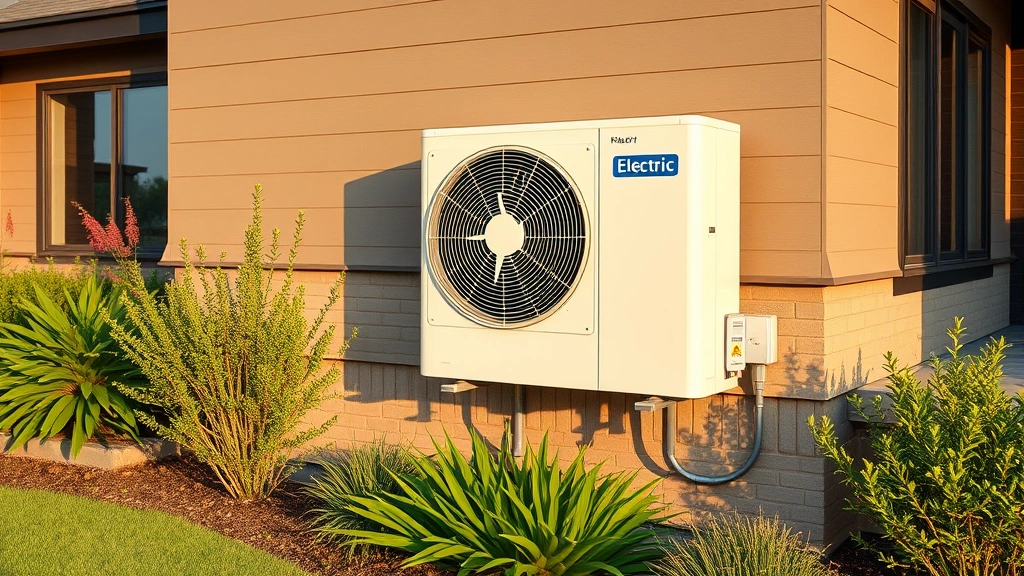
Piedmont Gas’s renewable natural gas initiatives represent positive steps but remain marginal to core business operations. A genuinely sustainable company would pursue aggressive electrification strategies, partnering with utilities to promote heat pump adoption, electric cooking appliances, and renewable electricity generation. Instead, Piedmont Gas’s primary focus remains on maintaining and expanding natural gas customer bases.
Corporate Accountability and Transparency
Meaningful sustainability commitment requires robust transparency, third-party verification, and accountability mechanisms. Examining Piedmont Gas’s disclosure practices, reporting standards, and responsiveness to stakeholder concerns provides crucial context for evaluating sustainability claims.
Piedmont Gas publishes sustainability reports and discloses environmental information through various channels. However, the comprehensiveness and accessibility of this information vary. The company provides data on operational metrics, safety performance, and community investment, but detailed greenhouse gas accounting, methane leakage quantification, and climate transition planning remain less transparent.
The company’s engagement with Ceres, an investor network focused on corporate environmental responsibility, and participation in industry sustainability initiatives demonstrate acknowledgment of stakeholder expectations. However, critics argue that industry-led initiatives often establish targets that fall short of climate science requirements and lack enforcement mechanisms.
True accountability would involve:
- Independent third-party verification of environmental claims
- Commitment to science-based emissions reduction targets aligned with Paris Agreement goals
- Public disclosure of Scope 1, 2, and 3 greenhouse gas emissions
- Adherence to sustainability principles requiring stakeholder engagement and democratic accountability
- Regular external audits of environmental performance and compliance
Piedmont Gas’s current transparency practices, while improving, remain insufficient for stakeholders seeking genuine accountability and climate leadership.
Comparing Industry Standards
Evaluating Piedmont Gas’s sustainability performance requires comparison with peer natural gas utilities and broader energy industry standards. This comparative analysis reveals whether the company leads, follows, or lags environmental best practices.
Some natural gas utilities have committed to more aggressive sustainability targets than Piedmont Gas. Duke Energy, for example, has announced commitments to achieve carbon neutrality by 2050, with interim targets for emissions reductions. Other utilities have invested more substantially in renewable energy integration and electrification promotion. However, the natural gas industry generally remains oriented toward maintaining gas consumption, with sustainability initiatives functioning as supplementary rather than central to business strategy.
The International Energy Agency and climate research organizations consistently emphasize that limiting global warming to 1.5 degrees Celsius requires rapid electrification, renewable energy deployment, and reduced fossil fuel consumption. By this standard, natural gas utility sustainability commitments—including those from Piedmont Gas—appear insufficient. The company operates in an industry fundamentally misaligned with climate imperatives, regardless of incremental efficiency improvements.
Comparing Piedmont Gas to leading renewable energy companies and electric utilities investing heavily in solar, wind, and battery storage demonstrates the vast difference between marginal fossil fuel efficiency and genuine clean energy transition. This comparison underscores that Piedmont Gas’s sustainability initiatives, while valuable, represent optimization within an inherently unsustainable business model rather than transformation toward genuine sustainability.
Future Outlook and Challenges
Piedmont Gas faces unprecedented challenges as energy markets transition toward renewable electricity and electrification. The company’s future sustainability depends on strategic adaptation, stakeholder engagement, and willingness to fundamentally reimagine its business model.
Key challenges include:
- Declining gas demand as customers transition to electric heat pumps and renewable electricity
- Regulatory pressure for accelerated emissions reductions and climate action
- Investor expectations for climate-aligned business strategies and financial performance
- Stranded asset risk if natural gas infrastructure becomes economically obsolete
- Competition from renewable energy providers and electric utilities
- Supply chain sustainability pressures from natural gas producers and distributors
Piedmont Gas’s strategic options include:
- Accelerating electrification support by partnering with electric utilities and promoting heat pump adoption
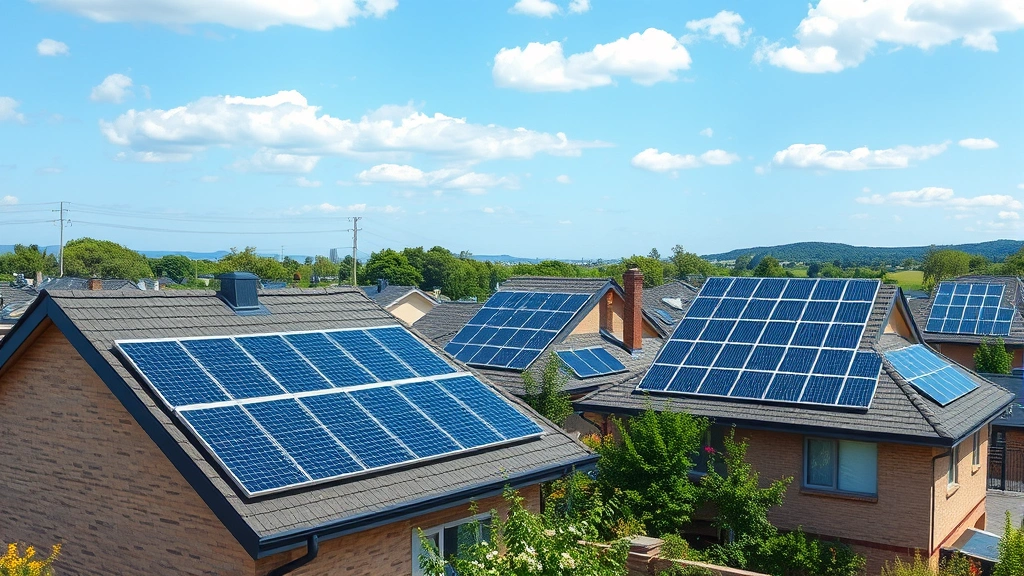
- Investing in renewable energy through solar and wind project development
- Expanding renewable natural gas programs to increase low-carbon fuel availability
- Transitioning workforce expertise toward renewable energy systems and grid modernization
- Developing new business models aligned with clean energy economy growth
- Engaging communities in just transition planning ensuring economic support for affected workers and regions
The company’s willingness to pursue these transformative strategies will determine whether Piedmont Gas genuinely moves toward sustainability or gradually becomes an obsolete fossil fuel incumbent unable to adapt to energy market realities. Current initiatives suggest incremental progress rather than strategic transformation, indicating that genuine sustainability remains aspirational rather than operational within the company’s current business model.
Piedmont Gas could strengthen its sustainability trajectory by embracing environmental footprint reduction not merely within natural gas operations but through honest assessment of the sector’s incompatibility with climate imperatives. This would require acknowledging that long-term sustainability demands transitioning away from fossil fuel distribution entirely, supporting customers and communities in adopting renewable alternatives, and fundamentally restructuring business operations around clean energy deployment rather than gas consumption maintenance.
The World Wildlife Fund and other environmental organizations have documented that natural gas expansion directly conflicts with climate goals. Piedmont Gas’s genuine sustainability would require accepting this reality and proactively supporting energy transition rather than resisting or slowing it through business model preservation strategies.
FAQ
Is natural gas truly a bridge fuel toward sustainability?
Natural gas produces fewer emissions than coal but greater emissions than renewable electricity. More critically, expanding natural gas infrastructure commits decades of continued fossil fuel reliance, preventing rapid transition to genuinely sustainable energy sources. Climate science indicates that limiting warming requires immediate emissions reductions, not gradual fuel switching. Natural gas infrastructure expansion represents a barrier to rather than bridge toward sustainability.
What percentage of Piedmont Gas’s supply comes from renewable natural gas?
Renewable natural gas represents a small percentage of Piedmont Gas’s total supply portfolio, though exact figures vary by reporting period. The company has increased renewable natural gas commitments, but conventional natural gas remains the dominant fuel source. Significant expansion of renewable natural gas would require substantial investment and feedstock availability expansion.
How does Piedmont Gas’s methane leakage rate compare to industry averages?
Specific comparative data remains limited due to inconsistent measurement methodologies and proprietary information. However, the natural gas industry generally experiences methane leakage rates estimated between 1-3% of throughput, though some research suggests actual rates may be higher. Piedmont Gas has not publicly committed to independent verification of methane emissions.
What actions can customers take to reduce natural gas consumption?
Customers can transition to electric heat pumps for heating, install induction cooktops for cooking, upgrade insulation to reduce heating demands, and install solar panels to generate renewable electricity. These actions reduce both natural gas consumption and overall energy costs while supporting clean energy transition. Green technology innovations increasingly make these transitions economically attractive.
Can natural gas utilities achieve genuine sustainability?
Utilities can improve operational efficiency and reduce emissions intensity, but fundamental sustainability requires transitioning away from fossil fuel distribution. Natural gas utilities face inherent conflicts between profitability (which depends on gas sales) and genuine sustainability (which requires reduced fossil fuel consumption). Long-term sustainability for these companies requires transforming business models rather than optimizing existing operations.
What role should government policy play in natural gas utility sustainability?
Policy can accelerate sustainability through carbon pricing, emissions regulations, renewable energy standards, and electrification incentives. Policies should support just transition for affected workers and communities while creating economic incentives for clean energy adoption. Regulatory frameworks should align utility business models with climate imperatives rather than permitting continued fossil fuel expansion.


