
Is a 40-Gallon Gas Water Heater Eco-Friendly? A Sustainability Analysis
When evaluating household appliances through an environmental lens, the 40-gallon gas water heater presents a complex picture. While gas water heaters have served millions of homes efficiently for decades, modern sustainability standards challenge us to reconsider whether traditional energy sources align with our ecological responsibilities. This comprehensive guide examines the environmental impact of gas water heaters, compares them to alternatives, and explores whether they fit within a truly sustainable home.
Understanding the eco-friendliness of a 40-gallon gas water heater requires examining multiple factors: energy efficiency ratings, greenhouse gas emissions, lifecycle environmental costs, and how this appliance fits into broader sustainability definitions. The answer isn’t simply yes or no—it depends on your current setup, available alternatives, and commitment to reducing your carbon footprint.
How Gas Water Heaters Impact the Environment
A 40-gallon gas water heater operates by burning natural gas to heat water stored in an insulated tank. This combustion process directly releases carbon dioxide, methane, and other greenhouse gases into the atmosphere. According to the EPA’s greenhouse gas emissions data, residential water heating accounts for approximately 17-20% of household energy consumption, making it a significant contributor to residential carbon footprints.
The environmental impact extends beyond direct emissions. Natural gas extraction, processing, and transportation introduce additional environmental costs. Methane leakage during production and distribution represents a substantial climate concern, as methane traps heat 80-86 times more effectively than carbon dioxide over a 20-year period. When you heat water with a 40-gallon gas unit, you’re participating in a supply chain with considerable ecological implications.
However, it’s important to contextualize these impacts within principles of sustainability. Gas water heaters are more efficient than electric resistance models in many regions, particularly where electricity comes from coal-fired power plants. The relative eco-friendliness depends heavily on your local energy grid composition and existing infrastructure.
Energy Efficiency and Fuel Consumption
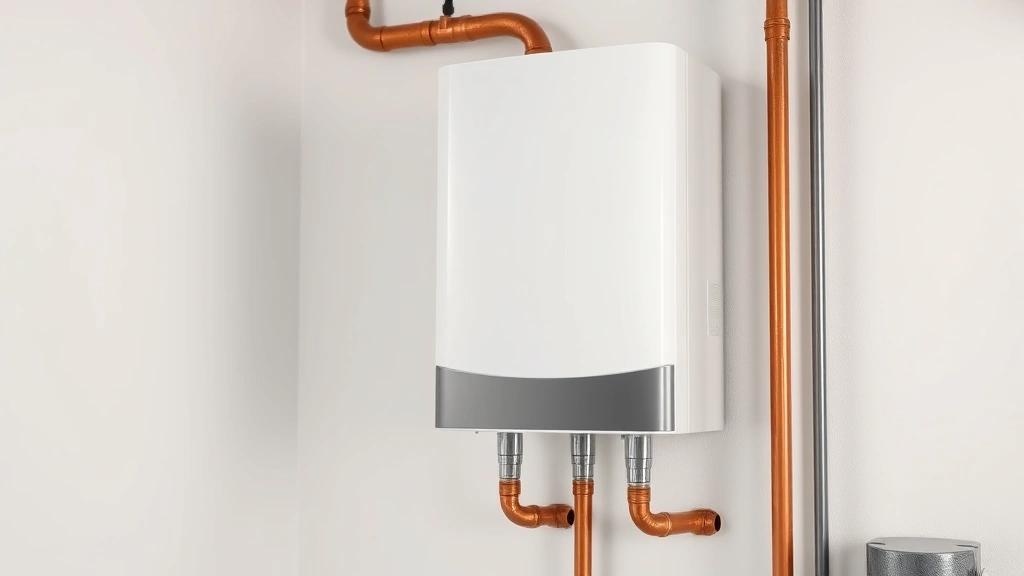
Modern 40-gallon gas water heaters achieve efficiency ratings between 60-90%, meaning 60-90% of fuel energy converts to usable hot water heat. Standard models typically operate around 60% efficiency, while Energy Star certified units reach 82-90% efficiency through improved insulation, better combustion systems, and tankless technology options.
A typical household uses 40-60 gallons of hot water daily. A standard 40-gallon gas water heater cycles 1-3 times per day depending on usage patterns and ambient temperature. This translates to approximately 300-400 therms of natural gas annually for an average family, producing roughly 3-4 tons of CO2 emissions per year—equivalent to driving 7,000-9,000 miles in a standard vehicle.
The efficiency advantage of gas over electric resistance heating becomes apparent when examining energy inputs. Electric resistance heaters convert electricity at nearly 100% efficiency into heat, but if that electricity originates from coal plants (which operate at 30-35% efficiency), the overall system efficiency drops dramatically. Gas combustion, while producing direct emissions, often represents a more efficient pathway from primary energy source to heated water in many regions.
To reduce your environmental footprint, consider upgrading to a high-efficiency model or installing a tankless gas water heater, which heats water on-demand and eliminates standby losses associated with storage tanks.
Comparing Gas to Alternative Water Heating Technologies
Understanding how 40-gallon gas water heaters compare to alternatives provides essential context for eco-conscious decisions:
- Tankless Gas Water Heaters: These eliminate standby heat loss and achieve 85-98% efficiency. They reduce energy consumption by 24-34% compared to storage tank models, though they require higher upfront investment and professional installation.
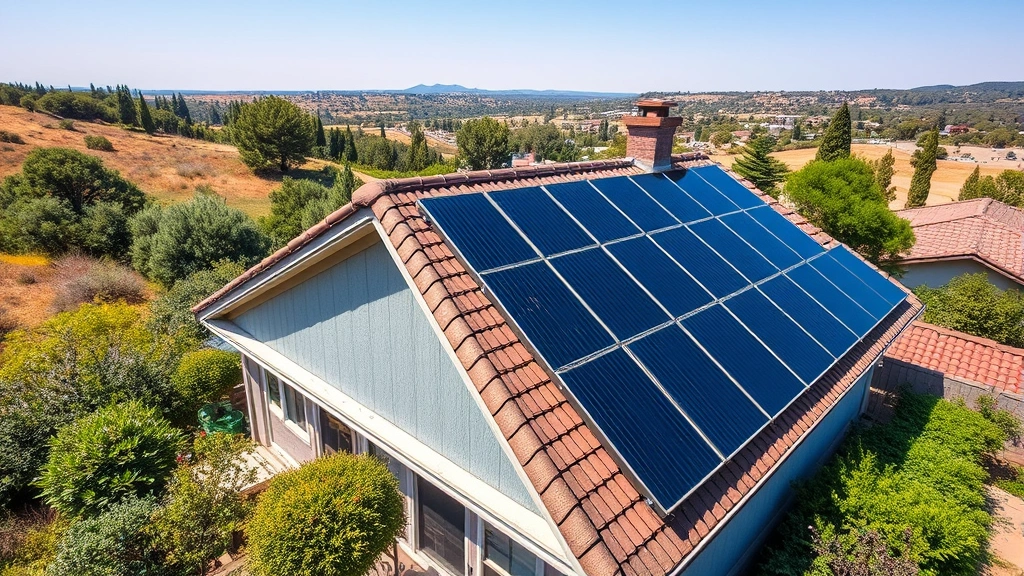
- Solar Water Heaters: These systems harness renewable energy and can provide 50-80% of annual hot water needs in most climates. They have minimal operating emissions but involve manufacturing impacts and require roof space and sunny conditions.
- Heat Pump Water Heaters: Operating at 200-300% efficiency by moving heat rather than generating it, these systems dramatically reduce energy consumption. However, they perform best in moderate climates and require adequate space.
- Electric Resistance Water Heaters: These produce direct emissions only during electricity generation. In regions with clean energy grids, they’re significantly more sustainable than gas models.
Each alternative presents different environmental trade-offs. A 40-gallon gas water heater remains relatively efficient and practical for many households, particularly those in colder climates or with limited roof space for solar systems.
Lifecycle Environmental Costs
True environmental assessment requires examining the complete lifecycle: manufacturing, transportation, installation, operation, and disposal. A 40-gallon gas water heater’s manufacturing process involves mining and processing steel, copper, and other materials. Transportation from factory to retailer adds carbon emissions. Installation typically requires professional service, introducing additional transportation impacts.
The operational phase represents the largest environmental burden, spanning 10-15 years of typical use. Over this lifespan, a standard 40-gallon gas water heater produces approximately 30-60 tons of CO2—equivalent to the carbon sequestered by 500-1,000 trees annually. This operational impact dwarfs manufacturing and transportation costs combined.
End-of-life considerations matter too. Steel components are recyclable, reducing disposal impacts compared to plastic-heavy alternatives. Proper recycling can recover 80-90% of material value. However, many water heaters end up in landfills, representing wasted resources and missed recycling opportunities.
When evaluating environmental sustainability examples, water heater selection illustrates how individual choices compound across millions of households. Collectively, Americans’ water heating choices produce approximately 400-500 million tons of CO2 annually.
Making Your Water Heater More Sustainable
If you currently own or plan to install a 40-gallon gas water heater, numerous strategies enhance its sustainability without requiring complete replacement:
- Lower the Thermostat: Reducing temperature from 140°F to 120°F decreases energy consumption by 6-10% while maintaining comfort and reducing scalding risks. This simple adjustment saves approximately 300-400 pounds of CO2 annually.
- Install Insulation Blankets: Adding a water heater blanket reduces standby heat loss by 25-45%, saving 4-9% of water heating energy. Costs typically return through energy savings within one year.
- Insulate Hot Water Pipes: Wrapping pipes with foam insulation reduces heat loss during distribution, allowing water to reach fixtures hotter and faster. This reduces both energy consumption and water waste.
- Fix Leaks Promptly: A single dripping hot water faucet wastes 7-15 gallons daily, requiring extra heating energy. Addressing leaks immediately prevents unnecessary emissions.
- Use Cold Water for Laundry: Approximately 80-90% of washing machine energy heats water. Switching to cold water cycles for most loads reduces water heating demand by 30-40%.
- Install Low-Flow Showerheads: These fixtures reduce hot water consumption by 25-60% without sacrificing shower pressure, directly decreasing water heating requirements.
Implementing these strategies transforms a standard gas water heater into a reasonably sustainable option within sustainable energy solutions frameworks. Combined, these measures can reduce water heating emissions by 40-50% without major capital investment.
Transitioning to Greener Options
For households prioritizing maximum environmental performance, transitioning beyond gas water heaters offers compelling benefits. Solar water heating systems leverage abundant renewable energy, reducing operational emissions to near-zero. While requiring $3,000-$8,000 initial investment, 30% federal tax credits and state incentives improve affordability. Over 20 years, solar systems typically save $10,000-$20,000 in energy costs while preventing 100+ tons of CO2 emissions.
Heat pump water heaters represent another excellent alternative, achieving efficiency levels impossible for combustion-based systems. These units extract heat from surrounding air or ground, moving it into water rather than generating heat through combustion. They reduce energy consumption by 50-75% compared to electric resistance models and 40-60% compared to gas units. While requiring $1,500-$3,000 more than standard units, operational savings justify the investment within 5-7 years.
Hybrid systems combining gas and solar heating offer practical middle grounds. These systems use solar energy as the primary heat source, with gas backup for cloudy periods or high-demand situations. This approach dramatically reduces natural gas consumption while maintaining reliability.
The transition timeline depends on your current water heater’s age and condition. Replacing a functioning unit purely for environmental reasons requires analyzing whether energy savings justify manufacturing impacts of a new appliance. However, when your current unit fails or reaches end-of-life, upgrading to a renewable-energy system becomes an excellent sustainability investment.
Explore green technology innovations and consult with local renewable energy installers to understand options suited to your climate, budget, and household needs.
FAQ
Is a 40-gallon gas water heater more eco-friendly than electric?
In regions where electricity comes primarily from fossil fuels, a gas water heater is typically more efficient. However, in areas with clean energy grids (nuclear, wind, hydro), electric heat pump water heaters are significantly more sustainable. The answer depends on your local energy sources.
How much CO2 does a 40-gallon gas water heater produce annually?
A standard 40-gallon gas water heater produces approximately 3-4 tons of CO2 annually for typical household usage (40-60 gallons daily). This represents about 30-60 tons over the appliance’s 10-15 year lifespan.
What’s the most eco-friendly water heating option?
Solar water heating systems produce the lowest operational emissions, approaching zero CO2 after initial manufacturing impacts. Heat pump water heaters offer the next-best option, reducing emissions by 50-75% compared to standard electric models or 40-60% versus gas units.
Should I replace my functioning gas water heater to be more sustainable?
Replacing a functioning water heater creates manufacturing emissions that may exceed energy savings for several years. Wait until your current unit fails, then upgrade to a high-efficiency or renewable system. However, if your unit is over 15 years old, replacement often becomes cost-effective within 3-5 years.
Can I make my gas water heater more sustainable without replacing it?
Yes. Lower the thermostat to 120°F, add insulation blankets, insulate pipes, fix leaks, use cold water for laundry, and install low-flow showerheads. These measures can reduce water heating emissions by 40-50%.
What efficiency rating should I look for in a new gas water heater?
Look for Energy Star certification, which requires minimum 82% efficiency for storage tank models. Tankless gas units achieve 85-98% efficiency and reduce overall consumption by 24-34% compared to storage models.
Are tankless gas water heaters more eco-friendly than 40-gallon storage models?
Yes, tankless gas water heaters eliminate standby heat loss and achieve higher efficiency ratings (85-98% vs. 60-80%). They reduce annual energy consumption by 24-34%, making them a more sustainable choice if you can accommodate the higher upfront cost.


