Gas Tank Sustainability: Expert Insights on Reducing Fuel Emissions and Environmental Impact
The modern gas tank represents far more than a simple fuel reservoir—it embodies a critical intersection between transportation convenience and environmental responsibility. As global carbon emissions continue to rise, with the transportation sector accounting for approximately 27% of greenhouse gas emissions in the United States alone, the sustainability of fuel storage and consumption has become increasingly important. Understanding how gas tanks function, their environmental implications, and emerging sustainable alternatives is essential for anyone concerned about their ecological footprint.
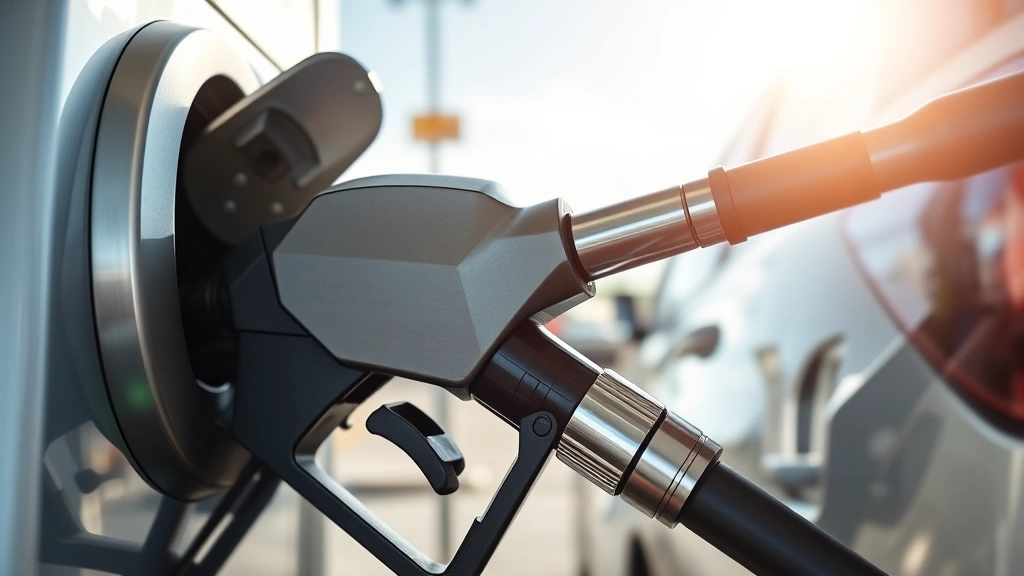
Gas tanks serve as the backbone of conventional vehicular infrastructure, yet they also represent one of the most direct connections between consumer behavior and atmospheric pollution. From evaporative emissions that escape during refueling to the carbon dioxide released during combustion, every aspect of the gas tank ecosystem contributes to climate change. This comprehensive guide explores expert insights into gas tank sustainability, examining current technologies, environmental impacts, and innovative solutions that promise a cleaner transportation future.
Understanding Gas Tank Environmental Impact
The environmental implications of gas tanks extend far beyond the tailpipe emissions most people associate with vehicle pollution. When examining the complete lifecycle of a gas tank and its contents, experts identify multiple pathways through which these systems impact our planet. The primary concern centers on volatile organic compounds (VOCs) and greenhouse gases released throughout the tank’s operational life.
According to the Environmental Protection Agency, evaporative emissions from fuel tanks and refueling stations contribute significantly to ground-level ozone formation, a major air quality concern. These emissions occur through three primary mechanisms: diurnal breathing (temperature-induced expansion and contraction), refueling losses, and running losses during vehicle operation. Understanding these mechanisms is crucial for developing effective mitigation strategies aligned with sustainability principles.
The manufacturing process of gas tanks also carries substantial environmental costs. Traditional steel tanks require energy-intensive production methods, while the extraction of raw materials generates mining waste and habitat disruption. Modern manufacturing facilities have begun implementing cleaner production techniques, yet the industry still faces pressure to reduce its carbon footprint further. Environmental sustainability requires examining not just the operational phase but the entire product lifecycle, from raw material extraction through end-of-life recycling.
Experts emphasize that the true environmental cost of gas tanks lies in the fuel they contain and deliver. Fossil fuel combustion releases billions of tons of carbon dioxide annually, with transportation vehicles being primary contributors. This reality underscores why sustainable energy solutions represent critical pathways forward for reducing overall transportation sector emissions.
Evaporative Emissions and Vapor Recovery Systems
Evaporative emissions represent one of the most overlooked aspects of gas tank sustainability. These invisible pollutants escape continuously from fuel tanks, especially during warm weather when fuel volatility increases. A single vehicle’s gas tank can release several pounds of VOCs annually through evaporation alone, contributing to smog formation and climate change.
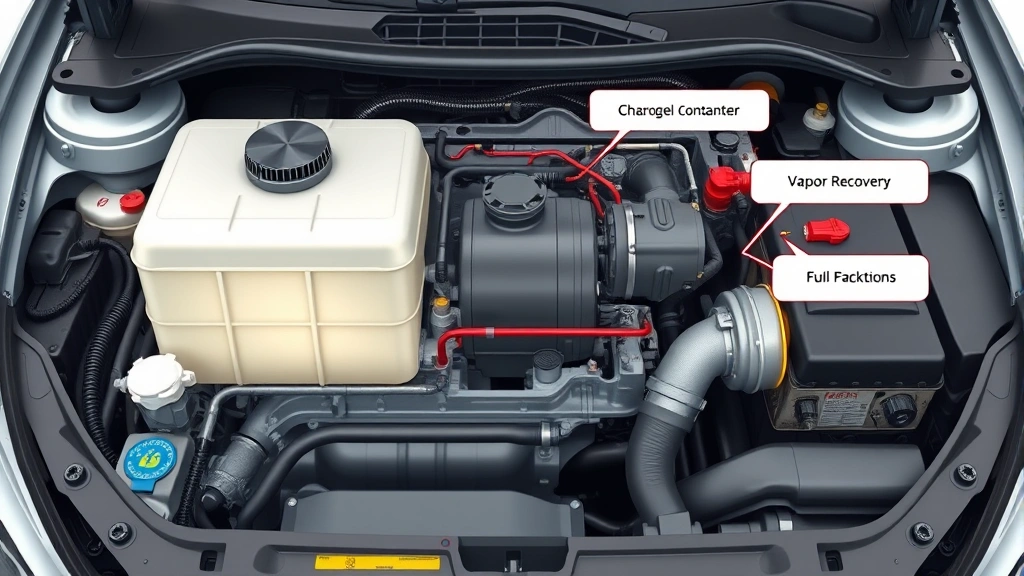
Modern vapor recovery systems represent significant technological advances in reducing these emissions. Stage I vapor recovery occurs at refueling stations, where hoses capture vapors that would otherwise escape into the atmosphere. Stage II systems, installed in vehicles’ fuel tanks, prevent vapors from escaping during fuel evaporation. These systems typically capture 90% or more of emissions that would otherwise pollute the air, making them among the most effective emissions control technologies available for personal vehicles.
The charcoal canister, a component of the evaporative emissions control system, absorbs fuel vapors during vehicle shutdown and storage. When the engine restarts, these vapors are purged into the combustion chamber, where they’re burned as fuel rather than released to the atmosphere. This elegant engineering solution demonstrates how thoughtful design can significantly reduce environmental impact without sacrificing functionality.
Experts at the EPA’s vehicle emissions standards division have continuously tightened evaporative emissions standards, pushing manufacturers toward more sophisticated tank designs and vapor management systems. These regulatory pressures have driven innovation in materials science and system engineering, resulting in cleaner vehicles and improved air quality in regions with strict emissions standards.
However, older vehicles often lack these advanced vapor recovery systems, representing a significant source of preventable pollution. Vehicle owners concerned about reducing their environmental footprint should prioritize maintaining their vehicle’s emissions control systems and consider upgrading to newer models with superior vapor recovery technology.
Modern Fuel Tank Materials and Sustainability
The materials used in gas tank construction have evolved significantly over recent decades, driven by both performance requirements and environmental considerations. Traditional steel tanks, while durable, are susceptible to corrosion and require protective coatings that add environmental costs. Modern vehicles increasingly employ plastic tanks made from high-density polyethylene (HDPE) or composite materials, offering advantages in weight reduction, corrosion resistance, and manufacturing efficiency.
Plastic fuel tanks provide substantial sustainability benefits through weight reduction, which directly improves vehicle fuel economy and reduces emissions throughout the vehicle’s operational life. A lighter vehicle requires less energy to propel, resulting in meaningful reductions in fuel consumption and carbon dioxide emissions. For a typical passenger vehicle, replacing a heavy steel tank with a modern plastic alternative can improve fuel economy by 1-2%, translating to thousands of gallons of fuel saved over the vehicle’s lifetime.
The recyclability of tank materials represents another critical sustainability consideration. Modern plastic tanks can be recycled at end-of-life, though the industry faces challenges in developing efficient recycling infrastructure. Steel tanks, conversely, have well-established recycling processes and can be recycled repeatedly without degradation of material properties. Forward-thinking manufacturers are exploring hybrid approaches that combine the benefits of both materials while optimizing recyclability and environmental impact.
Material innovation continues to advance tank sustainability. Researchers are investigating bio-based polymers and composite materials derived from renewable resources, potentially reducing the carbon footprint associated with tank production. These innovations align with broader green technology innovations reshaping the automotive industry toward more sustainable practices.
Tank durability and longevity also factor significantly into overall sustainability. Tanks engineered for extended lifespans reduce the frequency of replacement and associated manufacturing emissions. Modern tanks are designed to withstand decades of chemical exposure, temperature fluctuations, and mechanical stress, ensuring reliable performance and environmental efficiency throughout their operational lives.
The Transition to Alternative Fuel Tanks
The automotive industry is undergoing a fundamental transformation as manufacturers transition away from traditional gasoline engines toward alternative fuel systems. This shift necessitates reimagining fuel tank design and functionality across multiple technologies including hydrogen fuel cells, compressed natural gas (CNG), and battery electric vehicles.
Hydrogen fuel cell vehicles represent a particularly intriguing alternative, requiring specialized high-pressure tanks capable of safely storing hydrogen gas at 350-700 bar pressure. These tanks must be extraordinarily robust and leak-proof, manufactured from advanced composite materials combining carbon fiber with resin matrices. While hydrogen fuel cell technology remains in early adoption stages, the infrastructure for tank manufacturing and hydrogen distribution continues expanding, particularly in regions with strong climate commitments.
Compressed natural gas vehicles employ different tank specifications than traditional gasoline vehicles, requiring reinforced cylinders designed for pressurized gas storage. These tanks are inherently safer than gasoline tanks in certain scenarios due to the nature of CNG as a gas rather than a liquid. The environmental benefits of CNG depend largely on methane sourcing and distribution practices, making it a transitional technology rather than a long-term sustainability solution.
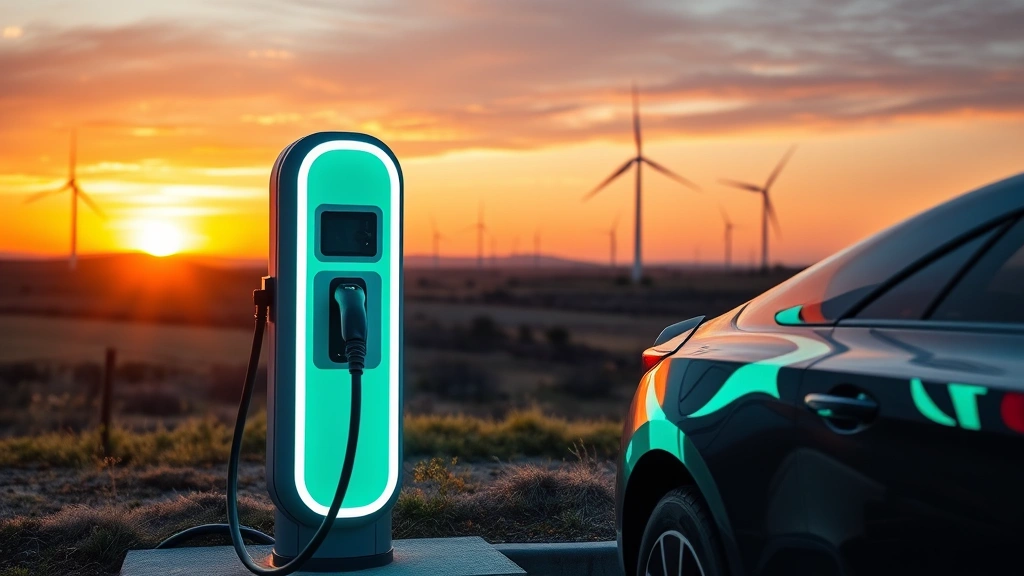
Battery electric vehicles eliminate traditional fuel tanks entirely, replacing them with advanced lithium-ion battery systems. This represents the most dramatic departure from conventional tank design, fundamentally eliminating evaporative emissions, fuel spillage, and combustion-related pollution. The sustainability of electric vehicles depends critically on electricity grid composition and battery production practices, yet the operational advantages are undeniable for regions with clean energy infrastructure.
The transition to alternative fuel tanks demonstrates how sustainability principles drive technological innovation across industries. Manufacturers investing in alternative fuel tank development position themselves advantageously for future regulatory environments increasingly stringent regarding emissions standards.
Reducing Your Gas Tank Footprint
Individual vehicle owners possess numerous practical strategies for minimizing their gas tank’s environmental impact. These actions range from simple behavioral modifications to more significant investment decisions, all contributing meaningfully to reduced emissions and environmental protection.
Optimize Fuel Efficiency: Maintaining proper tire pressure, regular engine maintenance, and avoiding excessive idling directly improve fuel economy. Better fuel efficiency means fewer fill-ups and reduced overall fuel consumption, decreasing both emissions and expenditures. Every gallon of fuel not consumed represents significant environmental benefit through avoided carbon dioxide emissions.
Reduce Unnecessary Trips: Consolidating errands into single trips and combining purposes maximizes vehicle efficiency. Cold starts consume disproportionate amounts of fuel and generate excess emissions, so planning efficient routes reduces these inefficiencies. This behavioral approach costs nothing yet generates substantial environmental benefits.
Regular Maintenance: Ensuring your vehicle’s fuel system remains in optimal condition prevents leaks, reduces evaporative emissions, and maintains fuel injector efficiency. A well-maintained emissions control system, including the charcoal canister and vapor recovery components, functions at peak efficiency, minimizing pollutant releases.
Vehicle Selection: Choosing fuel-efficient vehicles or transitioning to electric or hybrid models represents the most impactful personal decision. Vehicles with superior fuel economy emit significantly less carbon dioxide over their operational lifetime, dramatically reducing your transportation-related environmental footprint. FuelEconomy.gov provides comprehensive comparisons enabling informed purchasing decisions.
Refueling Practices: Avoiding overfilling your gas tank prevents fuel spillage and reduces vapor emissions. Refueling in cooler morning or evening hours minimizes evaporative losses compared to refueling during peak heat hours. These simple practices contribute to cleaner air while potentially saving money through reduced fuel waste.
For comprehensive guidance on broader environmental impact reduction, explore environmental sustainability examples and practical protection strategies applicable beyond transportation.
Future Innovations in Tank Technology
The future of gas tank technology promises revolutionary advances in sustainability, efficiency, and environmental protection. Researchers and manufacturers worldwide are developing innovations that will fundamentally transform how vehicles store and utilize fuel.
Smart Tank Systems: Emerging technologies integrate sensors and artificial intelligence into fuel tanks, enabling real-time monitoring of fuel quality, tank integrity, and vapor emissions. These systems can alert drivers to maintenance needs before problems develop, preventing leaks and optimizing fuel system efficiency. Smart tanks represent the convergence of automotive technology and digital innovation.
Advanced Materials: Graphene-enhanced composites and other nanomaterials promise fuel tanks with superior strength-to-weight ratios, enhanced durability, and improved environmental performance. These materials could reduce tank weight by 30-40% compared to current technology, generating substantial fuel economy improvements throughout vehicle lifespans.
Integrated Propulsion Systems: Future vehicles may employ hybrid fuel storage systems combining traditional fuel tanks with battery capacity, optimizing energy utilization across multiple sources. These integrated systems could dramatically improve overall efficiency while maintaining the range and convenience consumers expect.
Biofuel Compatibility: As renewable biofuels become increasingly prevalent, fuel tank materials and designs must evolve to accommodate these alternative fuels. Advanced tank coatings and materials ensure compatibility with ethanol blends, biodiesel, and synthetic fuels, enabling seamless transitions toward renewable energy sources.
Modular Tank Design: Manufacturers are exploring modular tank architectures enabling rapid reconfiguration for different fuel types or energy sources. This flexibility allows vehicles to adapt as energy infrastructure evolves, extending vehicle lifespans and reducing premature obsolescence-related waste.
The National Renewable Energy Laboratory continues advancing hydrogen storage technologies that could revolutionize zero-emission transportation. Their research into solid-state hydrogen storage materials promises safer, more efficient fuel storage mechanisms supporting widespread hydrogen adoption.
These innovations collectively demonstrate that gas tank sustainability represents an active, evolving field where technological progress continuously improves environmental outcomes. By supporting manufacturers prioritizing sustainability and remaining informed about emerging technologies, consumers can contribute to accelerating this positive transformation.
FAQ
What are evaporative emissions from gas tanks?
Evaporative emissions are volatile organic compounds that escape from fuel tanks through evaporation, particularly during warm weather. These invisible pollutants contribute to ground-level ozone formation and climate change. Modern vehicles employ vapor recovery systems capturing 90%+ of these emissions, preventing atmospheric release.
How do plastic fuel tanks compare environmentally to steel tanks?
Plastic tanks offer weight reduction improving fuel economy by 1-2%, directly reducing lifetime emissions. Steel tanks provide superior recyclability and durability. Modern manufacturing employs both materials strategically—plastic for weight savings, steel for longevity—optimizing overall environmental performance across the vehicle lifecycle.
Can I reduce my gas tank’s environmental impact through driving habits?
Absolutely. Maintaining proper tire pressure, performing regular maintenance, consolidating trips, and avoiding unnecessary idling directly improve fuel efficiency. These behavioral modifications reduce fuel consumption and emissions without requiring vehicle replacement, making them immediately actionable sustainability strategies.
Are electric vehicles truly more sustainable than gasoline vehicles?
Electric vehicles eliminate tailpipe emissions and reduce overall carbon footprint in regions with clean electricity grids. Their sustainability advantage depends on grid composition—regions powered primarily by renewable energy see maximum benefits. Even in mixed-grid regions, electric vehicles typically produce fewer lifetime emissions than comparable gasoline vehicles.
What is the future of fuel tank technology?
Future innovations include smart tank systems with integrated sensors, advanced materials like graphene composites, integrated hybrid propulsion systems, and modular designs supporting multiple fuel types. These technologies promise dramatically improved efficiency, reduced environmental impact, and flexibility adapting to evolving energy infrastructure.
How do vapor recovery systems work?
Stage I systems at refueling stations capture vapors escaping during fuel transfer. Stage II systems in vehicles absorb vapors into charcoal canisters, then purge them into the engine during startup for combustion rather than atmospheric release. Together, these systems prevent billions of pounds of annual emissions.


