Madison Gas & Electric’s Green Initiatives: A Comprehensive Report on Sustainability Leadership
Madison Gas and Electric (MGE) has emerged as a regional leader in advancing sustainability across Wisconsin’s energy sector. As one of the Midwest’s most progressive utilities, MGE demonstrates that large-scale energy providers can balance operational excellence with environmental responsibility. The company’s comprehensive approach to decarbonization, renewable energy integration, and community engagement reflects a genuine commitment to protecting our planet while serving nearly 180,000 customers across Dane and adjacent counties.
This report examines Madison Gas & Electric’s multifaceted green initiatives, exploring how the utility company is transforming its operations, investing in clean energy infrastructure, and empowering customers to reduce their environmental impact. From ambitious carbon neutrality goals to innovative community programs, MGE’s sustainability journey offers valuable insights into corporate environmental stewardship in the modern energy landscape.
MGE’s Carbon Neutrality Commitment and Goals
Madison Gas & Electric has pledged to achieve net-zero carbon emissions by 2050, with interim targets designed to accelerate progress toward this transformative goal. This commitment aligns with the principles of sustainability by integrating economic viability with environmental protection across multiple time horizons. The utility’s roadmap includes reducing carbon intensity by 50% by 2030 and 80% by 2040, establishing measurable benchmarks that demonstrate accountability to customers and stakeholders.
MGE’s decarbonization strategy encompasses three primary pillars: transitioning the generation portfolio away from fossil fuels, electrifying end-use sectors including heating and transportation, and implementing energy efficiency measures across the service territory. The company has already retired several coal-fired generation units and redirected capital investments toward renewable and low-carbon resources. This strategic pivot requires substantial infrastructure investment, workforce training, and regulatory collaboration to ensure reliable, affordable energy service during the transition period.
According to the U.S. Environmental Protection Agency’s climate initiatives, utilities pursuing aggressive decarbonization targets play crucial roles in national emission reduction efforts. MGE’s commitment positions the company as a regional climate leader while demonstrating that ambitious environmental goals remain compatible with reliable service delivery and customer affordability.
Renewable Energy Portfolio Expansion
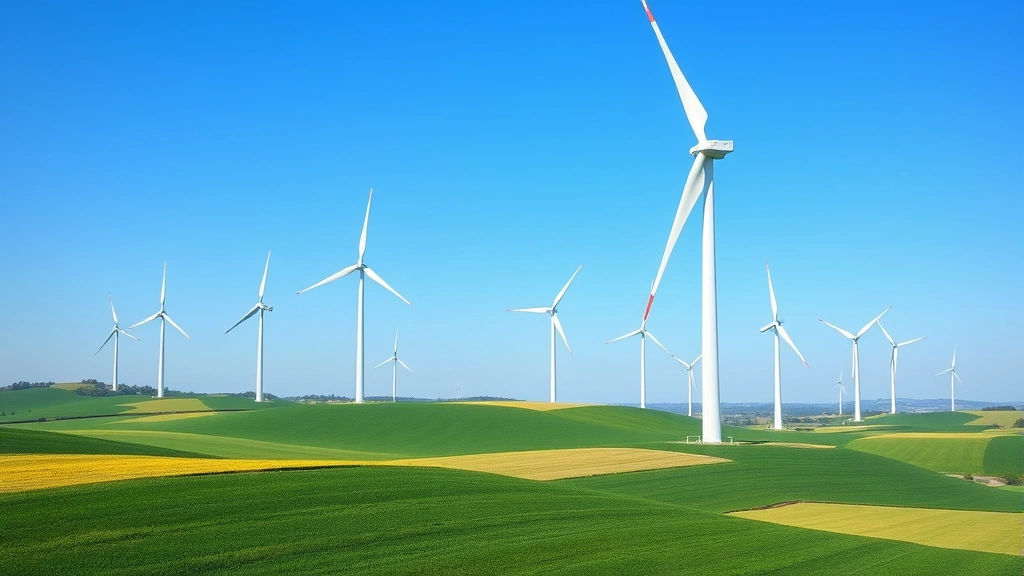
Madison Gas & Electric has significantly expanded its renewable energy portfolio, now sourcing approximately 35-40% of electricity from wind and solar resources. This substantial renewable penetration reflects deliberate investment in sustainable energy solutions that reduce greenhouse gas emissions while stabilizing long-term energy costs. The utility operates wind farms across Wisconsin and neighboring states, capturing the region’s abundant wind resources to generate clean electricity for thousands of households and businesses.
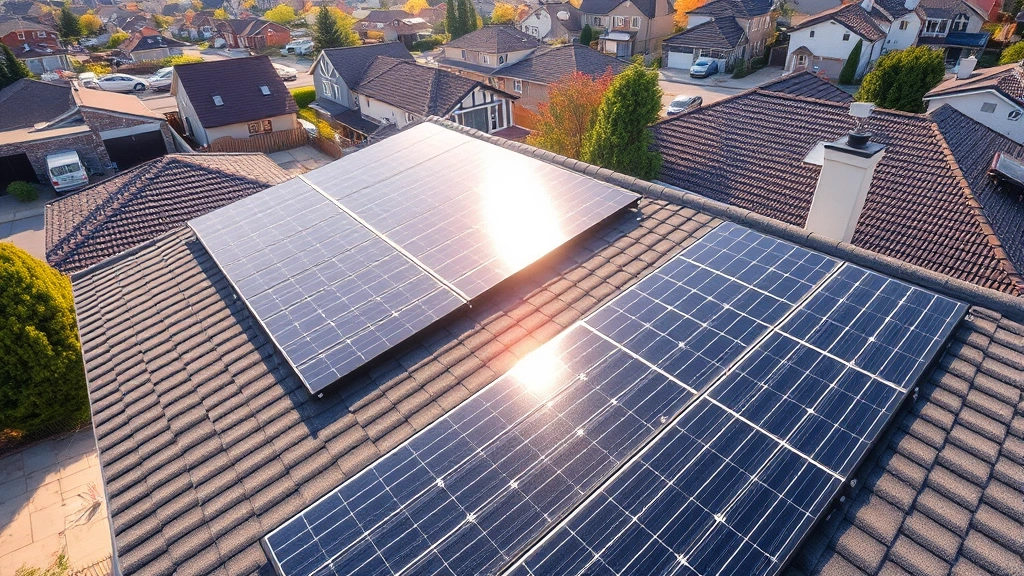
The company’s solar initiatives include utility-scale solar arrays and distributed rooftop installations that enable customer participation in renewable energy generation. MGE’s Community Solar program allows customers without suitable roof space to subscribe to shared solar facilities, democratizing access to renewable energy benefits. This innovative approach expands clean energy availability to renters, apartment dwellers, and property owners whose locations receive insufficient sunlight for individual installations.
Investment in battery storage technology represents another critical component of MGE’s renewable strategy. As wind and solar generation increase, energy storage systems become essential for balancing supply and demand, particularly during periods when renewable generation is low. MGE’s deployment of lithium-ion and emerging storage technologies enhances grid flexibility and reliability while supporting higher renewable penetration rates.
The National Renewable Energy Laboratory reports that utilities integrating 40%+ renewable energy require sophisticated storage and grid management capabilities. MGE’s investment in these technologies positions the company to maintain reliability while achieving its aggressive renewable energy targets.
Community Energy Programs and Customer Engagement
MGE recognizes that achieving sustainability requires active customer participation and community support. The utility offers comprehensive programs designed to help customers understand energy consumption, adopt efficiency measures, and participate in renewable energy initiatives. These community-focused programs reflect recognition that environmental progress depends on widespread behavioral change and informed decision-making.
The Green Power Program allows residential and business customers to support renewable energy development by purchasing blocks of wind-generated electricity. Revenue from Green Power subscriptions funds additional renewable energy projects, creating a direct link between customer choices and clean energy expansion. Thousands of MGE customers participate in this voluntary program, demonstrating substantial community demand for environmental responsibility.
MGE’s Energy Efficiency Program provides rebates, incentives, and technical assistance for customers implementing measures to reduce environmental footprint. Eligible improvements include insulation upgrades, HVAC system optimization, LED lighting conversion, and smart thermostat installation. By reducing overall energy demand, efficiency initiatives lower customer bills while decreasing the generation capacity required to serve the utility’s service territory.
The company also administers low-income assistance programs ensuring that energy efficiency benefits reach economically disadvantaged households. These equity-focused initiatives recognize that environmental sustainability must advance alongside social justice, ensuring that climate benefits are distributed fairly across all income levels and demographic groups.

Infrastructure Modernization for Grid Resilience
Madison Gas & Electric is modernizing its distribution and transmission infrastructure to support decarbonization, enhance resilience, and integrate distributed energy resources. Smart grid technologies enable real-time monitoring of electricity flows, predictive maintenance, and dynamic load balancing that improves overall system efficiency. These infrastructure upgrades represent substantial capital investment but are essential for supporting higher renewable penetration and electrification of transportation and heating sectors.
Advanced metering infrastructure (AMI) provides customers with detailed consumption data, enabling informed decisions about energy use patterns. Time-of-use pricing programs leverage this granular data to incentivize consumption during periods when renewable generation is abundant and discourage usage during high-demand periods. This demand-side management approach reduces peak loads, improves grid stability, and lowers overall system costs.
MGE’s infrastructure modernization also addresses climate resilience by hardening systems against extreme weather events increasingly common in Wisconsin. Vegetation management, underground line placement, and distributed generation resources reduce outage frequency and duration. These investments protect customer service reliability while preparing the grid for climate impacts projected across the next several decades.
The U.S. Department of Energy recognizes grid modernization as essential infrastructure for achieving national decarbonization targets. MGE’s strategic investments in smart grid capabilities position the utility to support broader clean energy transition while maintaining service quality.
Electric Vehicle Charging Network Development
Transportation electrification represents a critical component of Wisconsin’s climate strategy, and MGE is actively developing charging infrastructure to support this transition. The utility operates public charging stations across its service territory and offers incentives for residential and commercial charging installation. This EV charging network development addresses a key barrier to electric vehicle adoption by ensuring convenient access to charging facilities.
MGE’s charging infrastructure includes Level 2 chargers suitable for daily use and rapid DC fast chargers enabling long-distance travel. Strategic placement near commercial centers, residential areas, and transportation corridors ensures accessibility for diverse customer segments. The utility also partners with employers, municipalities, and property developers to expand charging availability and integrate vehicle electrification into community planning efforts.
Managed charging programs leverage vehicle charging flexibility to support grid operations and renewable energy integration. By scheduling charging during periods of high wind and solar generation, MGE maximizes utilization of clean energy resources while minimizing strain on fossil fuel generation. Vehicle-to-grid technology, though still emerging, offers additional opportunities for electric vehicles to support grid stability during peak demand periods.
The company’s green technology innovations in transportation electrification support broader efforts to eliminate tailpipe emissions and improve air quality. As electric vehicles become increasingly cost-competitive with internal combustion engines, charging infrastructure investment becomes essential for enabling mass adoption and achieving transportation sector decarbonization.
Energy Efficiency and Conservation Initiatives
MGE’s comprehensive energy efficiency programs target both demand-side reductions and supply-side optimization, recognizing that avoided energy consumption represents the lowest-cost, cleanest energy resource. The utility’s efficiency initiatives span residential, commercial, and industrial sectors, offering tailored solutions for diverse customer needs and operational contexts.
Residential efficiency programs include whole-home energy audits, weatherization assistance, and financing options for equipment upgrades. HVAC system optimization, water heater replacement, and appliance efficiency improvements deliver substantial energy savings while improving indoor comfort and air quality. MGE’s partnership with contractors and manufacturers ensures access to quality products and professional installation services.
Commercial and industrial customers access specialized efficiency services including facility audits, process optimization, and advanced controls implementation. Large industrial customers benefit from MGE’s technical expertise in identifying energy-intensive processes and implementing customized efficiency solutions. These programs deliver substantial cost savings while reducing facility carbon footprints and supporting business competitiveness.
The utility also invests in environmental sustainability examples demonstrating efficiency best practices across the service territory. Public facilities, educational institutions, and community organizations often serve as demonstration sites, showcasing efficiency technologies and practices that other customers can adopt. This educational approach builds awareness and accelerates market transformation toward more efficient buildings and industrial processes.
Stakeholder Collaboration and Transparency
Madison Gas & Electric recognizes that achieving ambitious sustainability goals requires collaboration across diverse stakeholder groups including customers, regulators, environmental organizations, and community leaders. The company maintains transparent communication regarding progress toward climate commitments, publishing annual sustainability reports detailing emissions reductions, renewable energy investments, and program outcomes.
Regulatory engagement with the Wisconsin Public Service Commission ensures that utility planning aligns with state policy objectives while protecting customer interests. MGE participates in industry working groups addressing grid modernization, renewable integration, and decarbonization strategy. This collaborative approach leverages collective expertise while promoting consistent standards across the utility sector.
Community partnerships extend MGE’s impact beyond direct operations to encompass broader environmental initiatives. Collaborations with environmental nonprofits, universities, and municipal governments advance climate action planning, support research into clean energy technologies, and promote environmental education. These partnerships reflect recognition that utility companies occupy positions of influence and responsibility within their communities.
The Ceres Investor Network recognizes utilities pursuing transparent sustainability reporting and stakeholder engagement as leaders in corporate climate action. MGE’s commitment to accountability and collaboration positions the company as a trusted partner in Wisconsin’s clean energy transition.
FAQ
What percentage of MGE’s electricity comes from renewable sources?
Madison Gas & Electric currently sources approximately 35-40% of its electricity from wind and solar resources, with ongoing expansion plans to increase renewable penetration toward its net-zero carbon goal by 2050.
How can customers participate in MGE’s green initiatives?
Customers can subscribe to the Green Power Program, participate in energy efficiency programs, install rooftop solar with utility support, join Community Solar, and install EV charging stations. MGE offers rebates, incentives, and technical assistance for all these initiatives.
What is MGE’s timeline for achieving carbon neutrality?
MGE has committed to net-zero carbon emissions by 2050, with interim targets including 50% carbon intensity reduction by 2030 and 80% reduction by 2040.
Does MGE offer charging stations for electric vehicles?
Yes, MGE operates public charging stations throughout its service territory and offers incentives for residential and commercial EV charger installation, supporting transportation electrification across Wisconsin.
Are MGE’s efficiency programs available to low-income customers?
Yes, MGE administers equity-focused energy efficiency programs ensuring that low-income households can access rebates, assistance, and efficiency improvements, recognizing that environmental benefits must reach all income levels.
How does MGE ensure grid reliability with high renewable energy penetration?
MGE invests in battery storage technology, smart grid infrastructure, distributed generation, and demand-side management programs to balance supply and demand while supporting higher renewable energy percentages.


