
Columbia Gas of PA: Sustainable Practices?
Columbia Gas of Pennsylvania serves over 750,000 customers across the state, making it a significant player in the region’s energy infrastructure. As environmental concerns intensify and climate commitments become increasingly important, stakeholders are asking critical questions about the company’s sustainability initiatives and environmental responsibility. Understanding Columbia Gas of PA’s approach to sustainable practices requires examining their current operations, stated commitments, and real-world impact on Pennsylvania’s energy landscape.
The natural gas industry faces unique sustainability challenges. While natural gas produces fewer emissions than coal when burned for electricity, methane leakage throughout the distribution system presents significant environmental concerns. Methane is approximately 80 times more potent than carbon dioxide over a 20-year period, making leak prevention crucial. This article explores Columbia Gas of PA’s sustainability efforts, their environmental policies, and what consumers should know about the company’s commitment to ecological responsibility.
Company Overview and Market Position
Columbia Gas of Pennsylvania operates as a subsidiary of NiSource Inc., one of the largest utility companies in North America. The company maintains extensive natural gas distribution networks throughout central and western Pennsylvania, serving residential, commercial, and industrial customers. With approximately 1,700 miles of distribution pipelines, Columbia Gas of PA plays a vital role in regional energy supply and consumer heating.
As a regulated utility, Columbia Gas of PA operates under oversight from the Pennsylvania Public Utility Commission (PUC), which establishes standards for service quality, safety, and increasingly, environmental performance. This regulatory framework influences the company’s sustainability approach and requires compliance with state and federal environmental regulations. Understanding the company’s position within this regulatory environment helps contextualize their sustainability practices and obligations.
The utility sector continues evolving as energy markets shift toward cleaner sources. Natural gas companies like Columbia Gas of PA face pressure to demonstrate environmental responsibility while maintaining reliable service to millions of customers. This creates both challenges and opportunities for implementing meaningful sustainable practices and investing in energy solutions that align with broader climate goals.
Current Sustainability Initiatives
Columbia Gas of PA has announced several sustainability-focused programs aimed at reducing environmental impact and supporting energy efficiency. The company participates in sustainable energy solutions through various customer assistance programs and efficiency rebates. These initiatives help customers reduce consumption and lower their carbon footprint while decreasing operational demands on the system.
The company offers energy efficiency programs that provide incentives for customers to upgrade appliances, improve insulation, and implement smart heating controls. These programs align with broader principles of sustainability by promoting conservation and reducing overall energy demand. By helping customers use less natural gas, Columbia Gas of PA indirectly reduces methane emissions associated with distribution and consumption.
Additionally, Columbia Gas of PA participates in industry initiatives addressing climate change and energy transition. The company supports workforce development in renewable energy sectors and collaborates with environmental organizations on various projects. These efforts demonstrate recognition that long-term sustainability requires engagement beyond traditional natural gas operations.
Infrastructure Modernization Efforts
One of Columbia Gas of PA’s most significant sustainability undertakings involves modernizing aging pipeline infrastructure. The company has invested billions in replacing outdated pipes, many dating back decades, with modern materials that reduce leak potential. This infrastructure replacement program represents a critical sustainability effort because older cast iron and bare steel pipes are more prone to corrosion and methane leakage.
Modern pipeline materials and technologies significantly reduce fugitive emissions—unintended releases of natural gas into the atmosphere. By systematically replacing aging infrastructure, Columbia Gas of PA addresses one of the most substantial environmental impacts associated with natural gas distribution. The Pennsylvania Public Utility Commission has supported these modernization efforts through regulatory mechanisms that allow utilities to recover infrastructure investment costs.
The company’s Capital Investment Program (CIP) allocates substantial resources toward system reliability and environmental protection. Through this program, Columbia Gas of PA replaces miles of pipeline annually, improves pressure regulation systems, and upgrades distribution equipment. These investments demonstrate commitment to reducing environmental footprint, though the pace of modernization remains a subject of discussion among environmental advocates and regulators.
Methane Emission Management
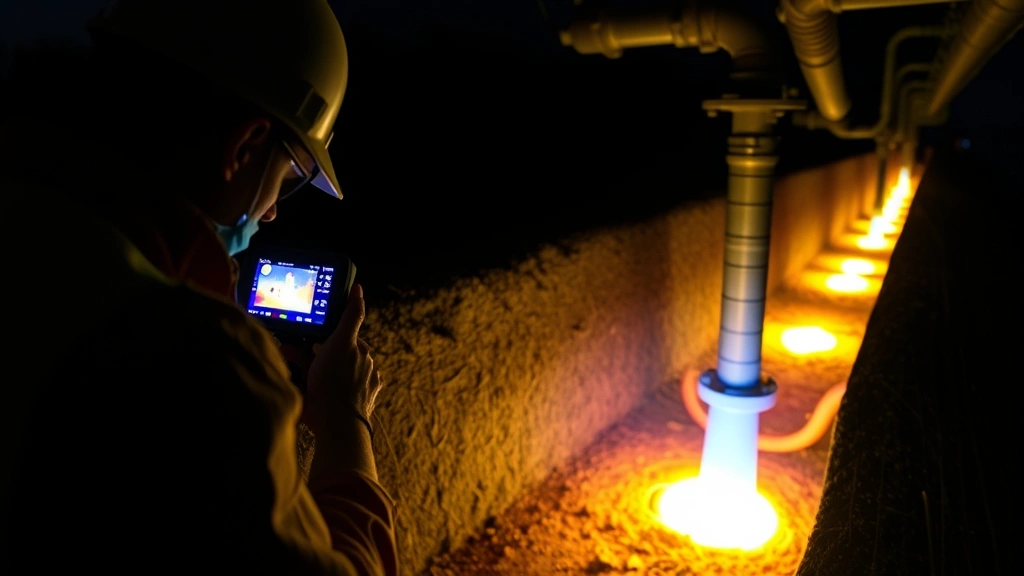
Methane emissions represent the most significant environmental concern for natural gas utilities. Columbia Gas of PA implements various strategies to detect, quantify, and reduce methane leakage throughout their distribution system. The company uses advanced leak detection technologies, including infrared cameras and gas detection equipment, to identify problem areas requiring attention.
Systematic leak surveys conducted across Columbia Gas of PA’s service territory help prioritize repair efforts and ensure resources target the most significant emission sources. The company reports leak data to regulatory agencies and participates in industry benchmarking programs that compare methane performance across utilities. This transparency supports accountability and enables continuous improvement in emission management practices.
However, environmental organizations argue that methane reduction efforts must accelerate significantly to align with climate goals. Some advocates contend that current leak detection and repair programs, while valuable, remain insufficient given the climate urgency. The debate over adequate methane management reflects broader tensions within the natural gas industry regarding its role in future energy systems and climate change mitigation.
Columbia Gas of PA’s commitment to reducing environmental footprint includes investments in methane capture and utilization technologies. These emerging technologies could transform how utilities handle fugitive emissions, though widespread deployment remains years away.
Renewable Energy Integration
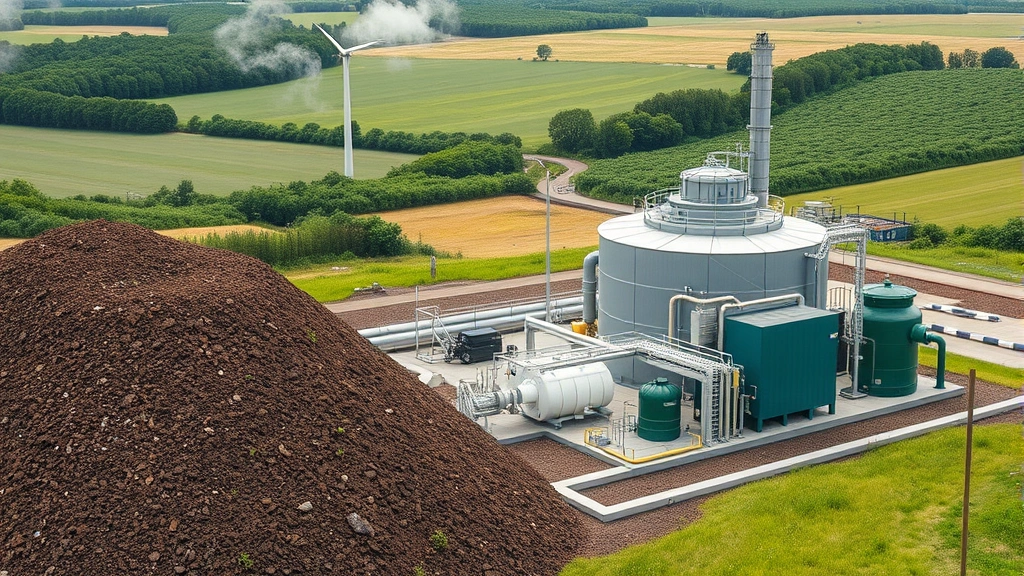
While Columbia Gas of PA primarily operates natural gas infrastructure, the company increasingly recognizes the importance of supporting renewable energy transition. The company has invested in renewable natural gas (RNG) initiatives, which involve capturing methane from landfills, wastewater treatment facilities, and agricultural operations for use as fuel.
Renewable natural gas represents an interesting intersection between sustainability definition and practical energy transition. RNG can substitute for conventional natural gas in existing infrastructure, reducing lifecycle greenhouse gas emissions without requiring consumer equipment changes. Columbia Gas of PA’s participation in RNG projects demonstrates recognition that energy transition pathways may involve diverse technologies rather than immediate wholesale replacement of natural gas systems.
The company also supports hydrogen blending research, exploring whether small percentages of hydrogen can be safely distributed through existing natural gas pipelines. This technology could enable gradual transition toward hydrogen fuel, which produces only water vapor when burned. These forward-looking initiatives position Columbia Gas of PA as engaged with emerging energy solutions, though skeptics question whether these efforts represent genuine commitment or greenwashing.
Columbia Gas of PA’s parent company, NiSource Inc., has announced ambitious climate goals including achieving net-zero greenhouse gas emissions by 2050. This corporate commitment influences Columbia Gas of PA’s sustainability trajectory and provides framework for long-term energy transition planning.
Community Programs and Consumer Education
Columbia Gas of PA operates various community programs addressing energy efficiency, environmental awareness, and sustainable living practices. The company provides educational resources helping customers understand natural gas safety, efficiency optimization, and conservation strategies. These programs reflect recognition that consumer behavior significantly impacts overall system sustainability.
Low-income assistance programs offered by Columbia Gas of PA help vulnerable populations access reliable heating while reducing energy burdens. These initiatives align with environmental justice principles, recognizing that sustainable practices must consider equity and ensure disadvantaged communities benefit from efficiency improvements and cost savings.
The company sponsors community events, supports energy efficiency workshops, and provides rebates for high-efficiency appliances and heating systems. These efforts help customers implement practical changes addressing environmental sustainability examples in their daily lives. By empowering consumers with information and financial incentives, Columbia Gas of PA creates conditions for widespread adoption of more sustainable energy practices.
Regulatory Compliance and Standards
Columbia Gas of PA operates within a comprehensive regulatory framework established by the Pennsylvania Public Utility Commission and federal agencies including the Environmental Protection Agency. The company must comply with methane emission standards, pipeline safety regulations, and environmental protection requirements that continue evolving as climate concerns intensify.
Recent regulatory developments increasingly emphasize utility sustainability performance. The Pennsylvania PUC has implemented frameworks requiring utilities to report environmental metrics and demonstrate progress toward emission reduction goals. These regulatory pressures incentivize Columbia Gas of PA to invest in sustainability initiatives and maintain transparent reporting of environmental performance.
Federal regulations under the Clean Air Act and related environmental statutes establish baseline requirements for natural gas utilities nationwide. Columbia Gas of PA’s compliance with these standards ensures basic environmental protection, though many advocates argue that regulatory minimums should become more stringent to achieve meaningful climate progress. The company’s actual sustainability practices often exceed minimum regulatory requirements, reflecting both corporate commitment and recognition that stakeholder expectations increasingly demand environmental responsibility.
Engagement with EPA regulations and standards shapes Columbia Gas of PA’s operational practices and investment priorities. The company monitors emerging federal and state environmental policies to anticipate regulatory changes and adjust sustainability strategies accordingly.
Challenges and Criticisms
Despite stated sustainability commitments, Columbia Gas of PA faces significant criticism from environmental organizations and climate advocates. Critics argue that the company’s efforts, while valuable, remain insufficient given the urgency of climate change and the need for rapid energy system transformation.
One major criticism concerns the pace of infrastructure modernization. Environmental groups contend that Columbia Gas of PA should accelerate pipeline replacement programs to reduce methane emissions more quickly. Current modernization rates, while substantial, would require decades to replace all aging infrastructure, during which significant emissions continue.
Another concern involves the company’s continued expansion of natural gas infrastructure in some areas. Critics question whether building new pipelines and expanding service territory aligns with long-term climate goals requiring reduced reliance on fossil fuels. This tension between immediate customer service needs and long-term climate objectives creates ongoing debate about appropriate utility strategy.
Environmental advocates also scrutinize Columbia Gas of PA’s renewable energy initiatives, questioning whether renewable natural gas and hydrogen projects represent genuine climate solutions or represent delay tactics enabling continued natural gas dependence. The debate reflects broader uncertainty about natural gas’s role in future energy systems and appropriate utility strategy during energy transition periods.
Additionally, some critics point to Columbia Gas of PA’s lobbying activities, arguing that the company advocates for policies that protect natural gas markets rather than supporting aggressive climate action. This criticism reflects common tension between utility corporate interests and environmental advocacy goals.
Future Outlook and Commitments
Columbia Gas of PA’s sustainability trajectory remains uncertain, dependent on evolving regulatory requirements, technological developments, and corporate strategic decisions. The company’s parent company NiSource has committed to significant capital investments in infrastructure modernization and emission reduction over coming decades, which should accelerate Columbia Gas of PA’s sustainability initiatives.
As energy markets transition toward cleaner sources, Columbia Gas of PA faces fundamental questions about its long-term business model and role in future energy systems. The company’s ability to adapt and embrace green technology innovations will influence its sustainability performance and stakeholder relationships.
Future sustainability improvements likely require accelerated infrastructure modernization, expanded renewable natural gas utilization, continued methane emission reduction, and serious engagement with energy transition pathways. Columbia Gas of PA’s success in implementing these changes will determine whether the company achieves meaningful sustainability progress or merely maintains incremental improvements insufficient for climate goals.
Stakeholder engagement, regulatory pressure, and technological advancement will collectively shape Columbia Gas of PA’s sustainability future. Consumers, environmental organizations, regulators, and investors increasingly expect utilities to demonstrate genuine commitment to environmental responsibility and climate action. Columbia Gas of PA must navigate these expectations while maintaining reliable service and financial viability.
FAQ
What is Columbia Gas of PA’s primary business?
Columbia Gas of Pennsylvania is a natural gas utility company serving over 750,000 customers across central and western Pennsylvania. The company operates approximately 1,700 miles of distribution pipelines delivering natural gas to residential, commercial, and industrial customers.
Does Columbia Gas of PA support renewable energy?
Yes, Columbia Gas of PA participates in renewable natural gas initiatives and hydrogen blending research. The company invests in projects capturing methane from landfills and agricultural operations for fuel use, and explores hydrogen integration possibilities for future energy transition.
How does Columbia Gas of PA address methane emissions?
The company implements leak detection programs using advanced technologies, conducts systematic surveys of distribution systems, prioritizes infrastructure replacement in high-leak areas, and reports emission data to regulatory agencies. However, environmental advocates argue these efforts should accelerate further.
What sustainability programs does Columbia Gas of PA offer customers?
The company provides energy efficiency rebates, appliance upgrade incentives, smart heating system support, low-income assistance programs, and educational resources helping customers reduce consumption and environmental impact.
Is Columbia Gas of PA regulated for environmental performance?
Yes, the Pennsylvania Public Utility Commission oversees Columbia Gas of PA’s operations and increasingly requires environmental performance reporting. The company also complies with EPA regulations and federal environmental standards.
What are the main criticisms of Columbia Gas of PA’s sustainability efforts?
Critics argue that infrastructure modernization pace is insufficient, that continued pipeline expansion contradicts climate goals, and that renewable energy initiatives may represent delay tactics rather than genuine climate commitment. Environmental advocates contend that the company’s efforts, while valuable, remain inadequate for achieving necessary climate progress.


