Clarksville Gas & Water: Eco-Friendly Upgrades and Sustainability Initiatives
As communities across America face mounting pressure to reduce their environmental impact, municipal utilities like Clarksville Gas & Water play a pivotal role in driving sustainable infrastructure improvements. This Tennessee-based utility serves thousands of residents and businesses, making their commitment to eco-friendly upgrades essential for local environmental progress. Understanding what Clarksville Gas & Water offers in terms of green initiatives helps residents make informed decisions about their energy and water consumption.
The utility sector represents one of the largest opportunities for carbon reduction and resource conservation. When water and gas utilities prioritize sustainability, they set the foundation for community-wide environmental improvements. Clarksville Gas & Water’s approach to modernization, efficiency programs, and infrastructure upgrades directly influences how households and businesses can contribute to a greener future while managing their utility costs.
Current Eco-Friendly Initiatives at Clarksville Gas & Water
Clarksville Gas & Water has implemented several sustainability-focused programs aimed at reducing energy consumption and minimizing environmental impact across their service area. These initiatives reflect broader trends in the utility industry toward sustainable energy solutions and responsible resource management. The utility recognizes that environmental stewardship requires continuous investment in modern technologies and community education.
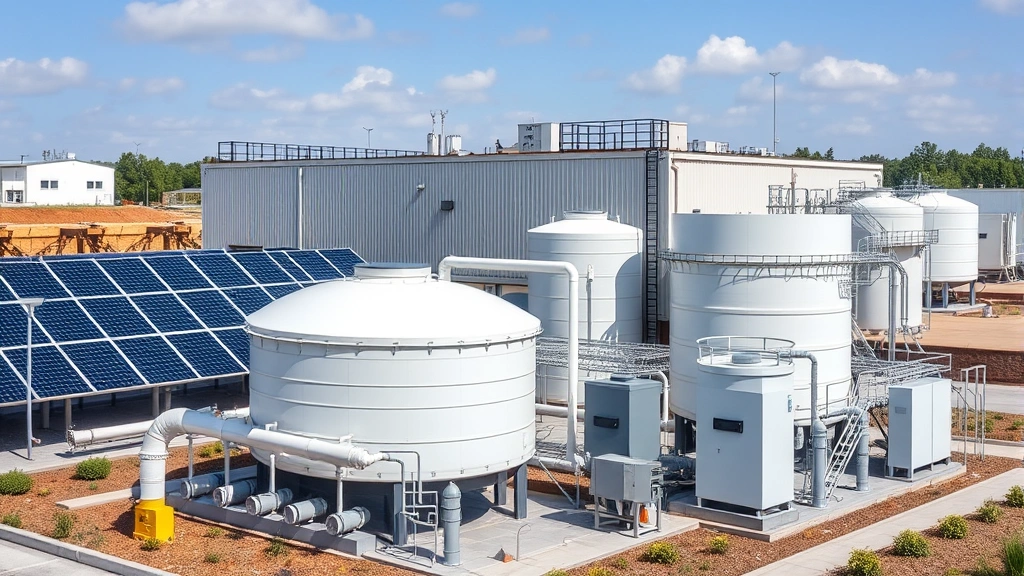
The company’s commitment to sustainability extends beyond basic service delivery. They have actively worked to upgrade aging infrastructure, reduce methane emissions from gas distribution systems, and implement water-saving technologies throughout their network. These efforts align with national climate goals and principles of sustainability that emphasize long-term environmental protection.
One significant initiative involves pipeline replacement programs designed to reduce gas leaks and improve system efficiency. Aging infrastructure contributes substantially to methane emissions, a potent greenhouse gas. By systematically replacing deteriorated pipes, Clarksville Gas & Water reduces fugitive emissions while improving service reliability for customers. This proactive approach demonstrates how utilities can balance operational efficiency with environmental responsibility.
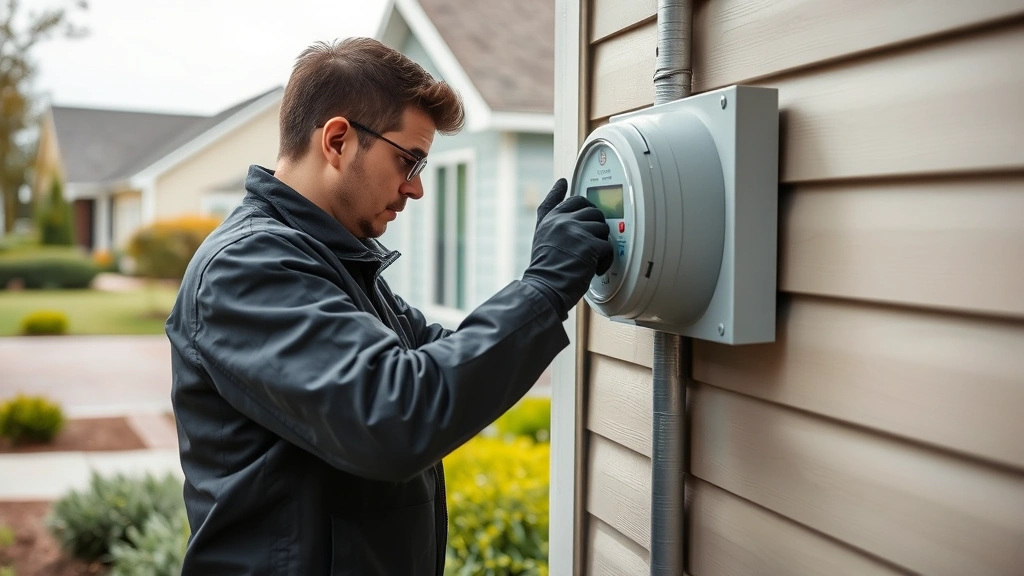
The utility also participates in demand-side management programs that encourage customers to reduce consumption during peak periods. These initiatives help stabilize the grid, reduce the need for expensive peak-capacity infrastructure, and minimize environmental strain. Through smart meter technology and real-time usage feedback, customers gain visibility into their consumption patterns and can make adjustments accordingly.
” alt=”Modern utility infrastructure with renewable energy integration and smart grid technology”>
Energy Efficiency Programs and Rebates
Clarksville Gas & Water offers various rebate programs and incentives designed to help residents and businesses reduce energy consumption. These programs make it more affordable for customers to implement energy-saving home improvements that benefit both their wallets and the environment.
Residential customers can access rebates for upgrading to high-efficiency heating systems, water heaters, and appliances. Natural gas heating systems with ENERGY STAR certification qualify for substantial incentives, making it economically attractive to replace older, less efficient equipment. These rebates typically cover a portion of the upgrade cost, reducing the payback period and encouraging faster adoption of efficient technologies.
For commercial customers, Clarksville Gas & Water provides customized energy audits and rebate programs tailored to specific business operations. Manufacturing facilities, retail establishments, and office buildings can all benefit from equipment upgrades and operational improvements identified through professional energy assessments. The utility recognizes that businesses represent significant energy consumers and offers incentives proportional to their potential savings.
Water heating represents a substantial portion of residential energy consumption. The utility actively promotes tankless water heater installations, which reduce standby heat losses and improve overall efficiency. By offering rebates on these systems, Clarksville Gas & Water encourages customers to adopt technologies that deliver long-term savings and environmental benefits. Insulation improvements and weatherization services also receive rebate support, addressing the building envelope’s role in overall energy performance.
The utility’s rebate programs often exceed minimum state requirements, demonstrating genuine commitment to customer sustainability goals. Educational resources accompanying these programs help customers understand the connection between efficiency improvements and their reduction in environmental footprint. This integrated approach combines financial incentives with environmental education.
Water Conservation Strategies
Water conservation represents a critical sustainability focus for Clarksville Gas & Water, particularly given regional climate variability and long-term water availability concerns. The utility implements comprehensive strategies to reduce consumption, minimize waste, and protect this essential resource for future generations.
Smart metering technology deployed across the service area enables real-time water consumption monitoring. Customers receive detailed usage reports highlighting consumption patterns and opportunities for conservation. This transparency empowers residents and businesses to identify leaks quickly and adjust behaviors to reduce unnecessary water use. The utility has found that simply providing usage feedback drives significant conservation improvements without requiring additional interventions.
Leak detection programs represent another critical conservation strategy. The utility invests in advanced technologies to identify and repair system leaks in distribution infrastructure. Water loss through aging pipes represents a significant waste problem in many communities. By systematically addressing these losses, Clarksville Gas & Water ensures that more treated water reaches paying customers rather than disappearing through deteriorated infrastructure.
Residential conservation programs encourage customers to install low-flow fixtures, fix dripping faucets, and adopt water-efficient irrigation practices. The utility provides educational resources about seasonal landscape watering and indoor conservation techniques. For customers interested in comprehensive sustainability improvements, the utility connects them with resources about environmental sustainability examples and best practices.
Commercial and industrial users benefit from water audits identifying optimization opportunities specific to their operations. Restaurants, laundries, and manufacturing facilities receive customized conservation recommendations. The utility recognizes that different business types have distinct water-use profiles and tailors conservation strategies accordingly. This targeted approach maximizes conservation impact across diverse customer segments.
” alt=”Water conservation infrastructure showing efficient treatment facilities and recycled water systems”>
Infrastructure Modernization Efforts
Modernizing aging utility infrastructure represents one of the most impactful long-term sustainability investments Clarksville Gas & Water can make. Decades-old pipes, valves, and treatment systems often operate inefficiently and contribute to environmental problems including gas leaks and water loss.
The utility has committed to systematic pipeline replacement, prioritizing areas with the highest leak rates and oldest infrastructure. Modern pipes reduce fugitive methane emissions, improve system pressure management, and enhance service reliability. This infrastructure investment directly supports climate change mitigation goals by reducing greenhouse gas emissions from the distribution system.
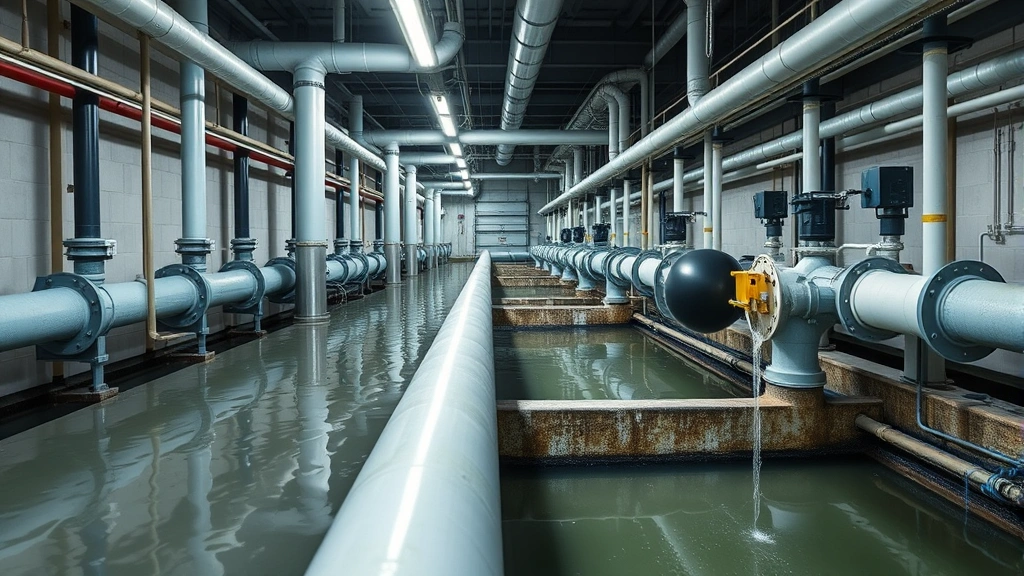
Water treatment facility upgrades incorporate advanced technologies that reduce chemical usage, improve treatment efficiency, and minimize environmental discharge impacts. Modern treatment processes remove contaminants more effectively while consuming less energy and generating less sludge. The utility’s capital investment in treatment technology demonstrates commitment to protecting water quality and public health while minimizing environmental footprint.
Smart grid technology implementation allows Clarksville Gas & Water to optimize distribution efficiency and respond dynamically to demand fluctuations. Advanced sensors throughout the distribution network provide real-time data enabling rapid response to system anomalies. This technological sophistication reduces waste, improves reliability, and creates opportunities for integrating renewable energy sources into the system.
The utility’s commitment to infrastructure modernization aligns with the broader definition of sustainability emphasizing long-term viability and intergenerational responsibility. By investing today in modern, efficient infrastructure, Clarksville Gas & Water ensures that future generations inherit systems capable of delivering essential services sustainably.
How Residents Can Maximize Sustainability Benefits
Clarksville Gas & Water customers can take proactive steps to maximize the sustainability benefits of utility services while reducing their personal environmental impact. Understanding available programs and implementing household practices creates compound environmental benefits across the community.
First, residents should research and apply for available rebates and incentive programs. Visiting the utility’s website and consulting with customer service representatives helps identify opportunities tailored to specific situations. Whether upgrading heating systems, installing efficient water heaters, or implementing weatherization improvements, rebates make sustainability investments more financially accessible.
Second, actively monitoring energy and water consumption through smart meter data enables identification of waste patterns. Most utilities provide online portals where customers can review detailed usage information. Comparing consumption across seasons and identifying spikes helps pinpoint inefficiencies and behavioral opportunities for improvement.
Third, residents should investigate opportunities to combine utility efficiency programs with other home energy-saving strategies. Weatherization improvements, insulation upgrades, and HVAC maintenance work synergistically with utility rebate programs to maximize overall efficiency. Many energy audits conducted through utility programs identify comprehensive improvement opportunities that can be prioritized based on cost-effectiveness and environmental impact.
Fourth, households should explore opportunities to integrate renewable energy sources. While Clarksville Gas & Water primarily distributes conventional energy, many residents can install rooftop solar systems or participate in community solar programs. The utility’s infrastructure modernization efforts increasingly accommodate distributed renewable energy, making it easier for customers to contribute clean energy to the grid.
Fifth, behavioral modifications complement technological improvements. Adjusting thermostat settings, reducing hot water usage, fixing leaks promptly, and adopting water-conscious landscaping practices reduce consumption without requiring capital investments. These behavioral changes, combined with technological upgrades, create substantial sustainability improvements.
Finally, customers should engage with the utility’s community education initiatives and sustainability programs. Many utilities conduct workshops, webinars, and community events addressing energy and water conservation. Participation in these programs builds knowledge and connects residents with others pursuing sustainability goals.
Comparing Clarksville to Other Progressive Utilities
Understanding how Clarksville Gas & Water’s sustainability initiatives compare to other utilities provides context for evaluating their environmental commitment. Progressive utilities across the nation have implemented various approaches to reducing emissions, conserving resources, and modernizing infrastructure.
Many major utilities have committed to net-zero emissions goals by 2050 or earlier, requiring substantial renewable energy integration and electrification strategies. Some utilities have made aggressive commitments to renewable natural gas and hydrogen fuel development. Clarksville Gas & Water’s initiatives, while solid, represent a more measured approach typical of mid-sized regional utilities.
Urban utilities serving major metropolitan areas often have more resources for cutting-edge sustainability initiatives. They invest heavily in smart grid technology, distributed energy resources, and advanced conservation programs. However, smaller utilities serving communities like Clarksville often demonstrate greater agility in implementing focused, high-impact initiatives tailored to local needs and resources.
Peer utilities in the Southeast have implemented similar pipeline replacement programs and customer rebate initiatives. The region’s climate and water availability challenges have driven regional cooperation on conservation standards and best practices. Clarksville Gas & Water participates in industry associations and regional initiatives that facilitate knowledge sharing and coordinated sustainability efforts.
Transparency and customer engagement vary significantly among utilities. Some utilities provide extensive sustainability reporting, while others maintain minimal public disclosure. Clarksville Gas & Water’s approach to customer communication about conservation programs and infrastructure investments demonstrates commitment to transparency that supports informed decision-making by residents and businesses.
The most progressive utilities increasingly focus on equitable access to sustainability benefits, ensuring that low-income customers can participate in conservation programs and benefit from efficiency improvements. This social dimension of sustainability recognizes that environmental protection must be inclusive and fair. Examining how different utilities address equity in their sustainability programs provides important perspective on comprehensive environmental responsibility.
FAQ
What rebates does Clarksville Gas & Water offer for energy efficiency improvements?
Clarksville Gas & Water offers rebates for high-efficiency heating systems, water heaters, ENERGY STAR appliances, tankless water heater installations, and weatherization improvements. Specific rebate amounts vary based on equipment type and efficiency levels. Customers should contact the utility directly or visit their website for current rebate information and application procedures.
How can I reduce my water consumption with Clarksville Gas & Water?
Install low-flow fixtures, fix leaking faucets promptly, adjust irrigation practices seasonally, and monitor consumption through smart meter data. The utility provides educational resources and may conduct free water audits for interested customers. These behavioral and technological changes combine to reduce consumption significantly.
Does Clarksville Gas & Water support renewable energy integration?
While the utility primarily distributes conventional natural gas and treated water, they increasingly accommodate distributed renewable energy resources like rooftop solar. Many customers can install solar systems and participate in community solar programs. The utility’s infrastructure modernization efforts facilitate renewable energy integration.
What infrastructure modernization projects is Clarksville Gas & Water currently undertaking?
The utility is systematically replacing aging pipes to reduce gas leaks and water loss, upgrading water treatment facilities with advanced technologies, and implementing smart grid systems. These projects improve efficiency, reduce environmental impact, and enhance service reliability. Timeline and specific project details are available through the utility’s capital improvement program information.
How do smart meters help with sustainability?
Smart meters provide real-time consumption data enabling customers to identify usage patterns and waste opportunities. This transparency drives conservation behavior and helps detect leaks quickly. The utility can also use aggregate smart meter data to optimize distribution systems and identify infrastructure improvement priorities.
Are there sustainability programs for business customers?
Yes, Clarksville Gas & Water offers commercial customers customized energy audits, equipment rebates, and operational improvement recommendations. Businesses can access tailored conservation strategies based on their specific operations, enabling significant efficiency gains and cost reductions.
What external certifications or standards guide Clarksville Gas & Water’s sustainability efforts?
The utility adheres to Environmental Protection Agency standards, state environmental regulations, and industry best practices established by professional associations. They may participate in voluntary sustainability programs and third-party certifications demonstrating commitment to environmental responsibility. Customers can inquire about specific certifications and standards through customer service.


