Columbia Gas PA: Are They Eco-Friendly? Insights Into Pennsylvania’s Major Utility
Columbia Gas of Pennsylvania serves over 3 million customers across the state, making it one of the largest natural gas distributors in the region. As environmental concerns intensify and consumers increasingly prioritize sustainability, understanding whether Columbia Gas PA aligns with eco-friendly practices becomes essential. This comprehensive analysis examines their environmental commitments, infrastructure investments, and sustainability initiatives to help Pennsylvania residents make informed decisions about their energy providers.
The natural gas industry faces mounting pressure to reduce carbon emissions and transition toward cleaner energy sources. Columbia Gas PA operates within this evolving landscape, balancing operational demands with growing environmental expectations. By evaluating their publicly stated goals, infrastructure improvements, and environmental performance metrics, we can assess their genuine commitment to ecological responsibility and identify areas where they excel or fall short in sustainability efforts.

Columbia Gas PA: Company Overview and Market Position
Columbia Gas of Pennsylvania operates as a subsidiary of NiSource Inc., a major energy infrastructure company serving millions of customers across multiple states. Established decades ago, the company has evolved from a traditional fossil fuel provider into an organization attempting to balance energy delivery with environmental stewardship. Understanding their corporate structure and market influence provides context for evaluating their sustainability initiatives.
The utility’s extensive pipeline network spans approximately 24,000 miles throughout Pennsylvania, delivering natural gas to residential, commercial, and industrial customers. This vast infrastructure represents both significant operational responsibility and opportunity for environmental improvement. The company’s size means their sustainability decisions impact millions of people and have measurable environmental consequences across the state.
Columbia Gas PA’s parent company, NiSource, has committed to various environmental goals including sustainable energy solutions that extend beyond traditional natural gas delivery. These corporate-level commitments filter down to regional operations, influencing local environmental policies and practices. However, the extent to which these commitments translate into tangible action at the Pennsylvania level varies considerably.
Environmental Commitments and Sustainability Goals
NiSource, Columbia Gas PA’s parent company, has publicly announced climate goals including a commitment to achieve net-zero greenhouse gas emissions by 2050. This long-term vision includes reducing methane emissions from natural gas operations, a critical priority since methane is approximately 80 times more potent than carbon dioxide over a 20-year period. The company has also pledged to invest billions in modernizing infrastructure and transitioning toward cleaner energy alternatives.
Columbia Gas PA specifically has outlined several environmental initiatives within their service territory. These include accelerated pipeline replacement programs designed to reduce methane leakage, investment in advanced metering infrastructure, and participation in energy efficiency programs. However, environmental advocates often note that these commitments, while positive, remain incremental compared to the scale of transformation needed to address climate change effectively.
The utility has also committed to supporting renewable energy development in Pennsylvania through various mechanisms. This includes facilitating connections for biogas projects and exploring hydrogen blending possibilities in their existing pipeline infrastructure. Such initiatives represent steps toward diversifying their energy portfolio beyond conventional natural gas, though implementation timelines and investment levels continue to evolve.
For residents interested in broader reducing your environmental footprint, understanding your utility’s commitments is just one component of a comprehensive sustainability strategy.
Infrastructure Modernization and Leak Detection
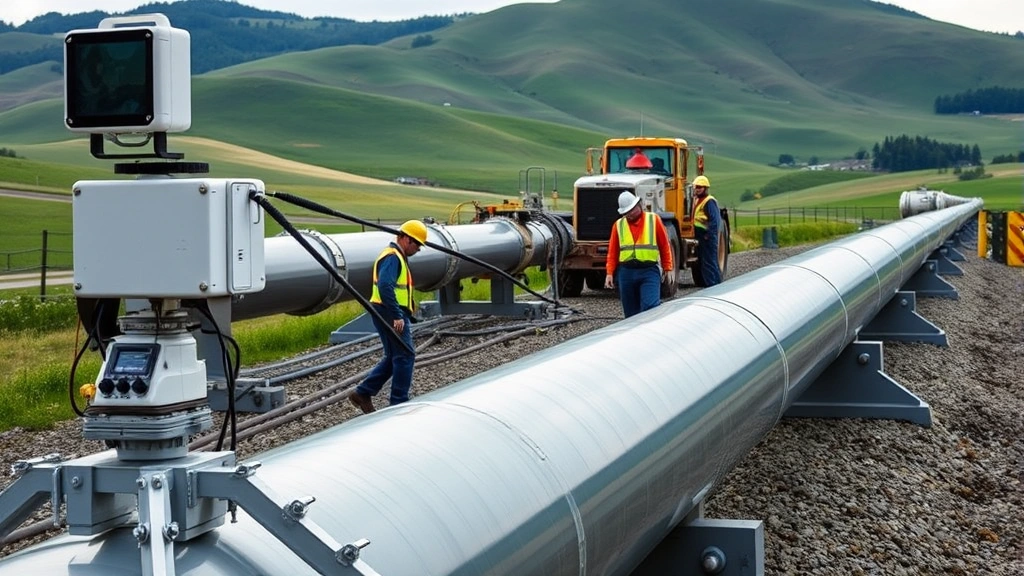
One of Columbia Gas PA’s most significant environmental undertakings involves modernizing aging pipeline infrastructure. The company operates some pipes installed over 50 years ago, which are prone to corrosion and leakage. Methane emissions from these aging systems represent a substantial environmental concern, contributing to climate change and local air quality issues.
The utility has accelerated pipeline replacement initiatives in recent years, targeting older cast iron and unprotected steel pipes for removal and replacement with modern, durable materials. This infrastructure modernization program aims to reduce methane emissions significantly while improving service reliability and safety. In Pennsylvania, thousands of miles of pipes have been replaced or rehabilitated, though environmental groups argue the pace remains insufficient given the urgency of climate action.
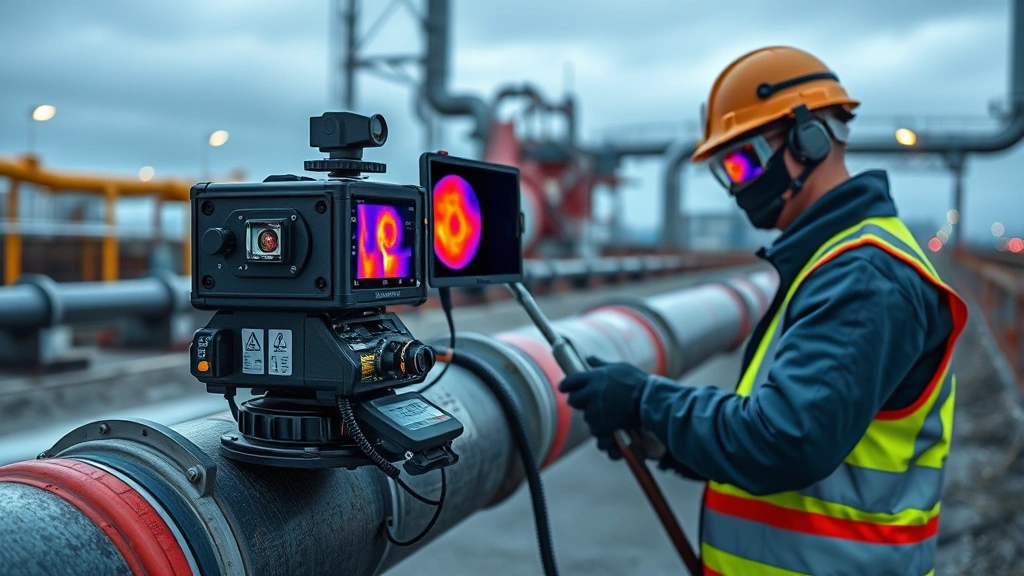
Columbia Gas PA has invested in advanced leak detection technologies, including infrared thermography and specialized sensing equipment to identify gas escapes throughout their network. These detection programs have identified previously unknown leaks, enabling targeted repair efforts. However, critics contend that despite these technological improvements, actual methane emissions reductions lag behind industry leaders in other regions.
The company’s commitment to infrastructure improvement directly supports saving energy at home initiatives, as more efficient delivery systems mean less wasted resources throughout the distribution network.
Key infrastructure investments include:
- Replacement of thousands of miles of aging cast iron pipes with modern materials
- Installation of advanced leak detection systems across service territories
- Implementation of smart meter technology for improved monitoring and efficiency
- Rehabilitation of critical pipeline sections to reduce corrosion-related failures
- Integration of digital technologies for real-time network management and optimization
Renewable Energy Integration Efforts
Columbia Gas PA’s approach to renewable energy integration reflects the complexity of transitioning natural gas infrastructure toward cleaner alternatives. While the utility primarily distributes fossil fuels, they have explored mechanisms to incorporate renewable gas sources into their operations. These efforts include partnerships with biogas producers and investigations into renewable natural gas procurement.
Biogas represents a promising renewable alternative, produced from decomposing organic matter in landfills, wastewater treatment facilities, and agricultural operations. Columbia Gas PA has facilitated connections for biogas projects, allowing these renewable sources to inject gas into existing pipeline infrastructure. Such initiatives provide farmers and waste management facilities with revenue opportunities while enabling the utility to offer customers renewable energy options without requiring massive infrastructure overhauls.
Hydrogen blending represents another frontier in Columbia Gas PA’s renewable energy exploration. The company is investigating feasibility of blending hydrogen with natural gas in existing pipelines, potentially reducing carbon emissions while maintaining current distribution infrastructure. However, hydrogen production methods significantly influence environmental benefits, with green hydrogen produced from renewable electricity offering maximum climate advantages compared to hydrogen derived from fossil fuels.
The utility’s renewable energy initiatives, while noteworthy, remain limited in scope relative to their overall fossil fuel distribution business. Critics argue that more aggressive investment in alternative energy sources and support for customer transition toward electric heating and cooking would better serve Pennsylvania’s climate goals. Nonetheless, these programs demonstrate recognition that energy transition requires exploring diverse pathways and technologies.
Learning about green technology innovations helps consumers understand emerging renewable options that utilities like Columbia Gas PA are beginning to explore.
Carbon Emissions and Climate Impact
Natural gas combustion produces carbon dioxide emissions, though substantially less than coal. However, methane leakage throughout the supply chain significantly amplifies natural gas’s climate impact. When methane escapes during extraction, processing, transportation, and distribution, it contributes disproportionately to climate change due to its high global warming potential.
Columbia Gas PA’s carbon footprint encompasses both direct emissions from their operations and indirect emissions from customer natural gas consumption. The utility’s methane leakage rate represents a critical environmental metric. According to various environmental assessments, distribution system leakage rates in Pennsylvania range from 2-5% of gas throughput, meaning substantial quantities of methane escape into the atmosphere annually.
NiSource’s commitment to net-zero emissions by 2050 requires reducing methane leakage dramatically and eventually transitioning away from fossil fuel distribution entirely. Achieving this goal necessitates accelerating pipeline replacement, expanding renewable gas procurement, and supporting customer electrification efforts. The timeline for achieving these transformations remains ambitious, with intermediate targets critical for assessing genuine progress.
For Pennsylvania residents concerned about climate impact, understanding your utility’s emissions profile and supporting environmental sustainability examples through individual actions amplifies collective pressure for industry transformation.
The Environmental Protection Agency (EPA) provides resources for understanding natural gas emissions and climate impact at EPA Greenhouse Gas Emissions, offering comprehensive data on energy sector contributions to climate change.
Customer Programs for Energy Efficiency
Columbia Gas PA operates several customer programs designed to reduce natural gas consumption and associated environmental impact. These initiatives include weatherization assistance, high-efficiency heating system rebates, and educational resources for energy conservation. By helping customers use less natural gas, the utility reduces both customer expenses and overall emissions from their service territory.
The company’s energy efficiency programs provide rebates for upgrading to ENERGY STAR certified furnaces and water heaters, which consume significantly less fuel than older equipment. Additionally, Columbia Gas PA funds weatherization programs for low-income customers, improving home insulation and reducing heating demands. These programs address both environmental and social equity concerns by helping vulnerable populations reduce energy costs while lowering carbon footprints.
Smart thermostat rebates encourage customers to optimize heating schedules and reduce unnecessary fuel consumption. The utility also provides free energy audits identifying opportunities for efficiency improvements. Educational outreach through their website and customer communications promotes conservation practices, from simple behavioral changes to major system upgrades.
However, critics note that while these programs support incremental efficiency improvements, they don’t fundamentally address the need to transition away from natural gas toward electrified heating and cooking systems powered by renewable electricity. True climate leadership would involve utilities actively promoting and facilitating customer electrification rather than primarily focusing on optimizing natural gas consumption.
Available customer efficiency programs include:
- Home energy audits identifying efficiency opportunities and cost savings
- Rebates for ENERGY STAR certified heating and water heating systems
- Weatherization assistance programs for eligible low-income households
- Smart thermostat rebates and installation support
- Pipe insulation and sealing services to reduce heat loss
- Educational resources on energy conservation practices
Regulatory Compliance and Environmental Standards
Columbia Gas PA operates under regulatory oversight from the Pennsylvania Public Utilities Commission (PUC), which establishes safety, reliability, and increasingly, environmental standards for utilities. The regulatory framework has evolved to incorporate climate considerations and renewable energy mandates, influencing Columbia Gas PA’s operational requirements and investment priorities.
Pennsylvania’s Alternative Energy Portfolio Standards (AEPS) establish renewable energy requirements for utilities, though natural gas distribution companies face different obligations than electric utilities. The state has also adopted climate goals through executive orders and legislation, creating policy pressure for emissions reductions across all energy sectors.
Columbia Gas PA must comply with federal environmental regulations addressing methane emissions, pipeline safety, and environmental protection. The company’s compliance record has been mixed, with occasional violations and enforcement actions by regulatory agencies. These incidents underscore the importance of robust oversight ensuring utilities meet established environmental standards.
The regulatory environment continues evolving toward stricter environmental requirements. Proposed regulations would establish explicit methane emissions reduction targets for natural gas utilities, similar to those already implemented in some states. Columbia Gas PA’s ability to meet increasingly stringent standards will significantly influence their competitive position and long-term viability in Pennsylvania’s energy market.
For comprehensive understanding of regulatory frameworks governing utilities, the Pennsylvania Public Utilities Commission provides detailed information on utility oversight and environmental standards.
Comparing Columbia Gas PA to Industry Standards
Evaluating Columbia Gas PA’s environmental performance requires comparing their efforts to industry peers and established sustainability benchmarks. Several metrics enable meaningful comparison: methane leakage rates, pipeline replacement pace, renewable energy procurement, and customer efficiency program investment levels.
Natural gas utilities in progressive states like California and New York have established more aggressive environmental targets and implemented more comprehensive renewable gas programs. These industry leaders provide benchmarks demonstrating that more ambitious sustainability efforts are operationally feasible and economically viable. Columbia Gas PA’s performance relative to these leaders reveals both strengths and areas requiring improvement.
The company’s pipeline replacement pace, while accelerating, remains slower than some peer utilities operating in regions with stronger environmental mandates. Similarly, renewable gas procurement represents a smaller percentage of Columbia Gas PA’s portfolio compared to leading utilities in other states. These comparisons suggest opportunity for Columbia Gas PA to enhance environmental performance by adopting proven practices from industry leaders.
Methane emissions intensity—measuring leakage relative to gas throughput—provides another comparative metric. Columbia Gas PA’s emissions intensity aligns with industry averages but lags behind utilities implementing advanced leak detection and aggressive infrastructure modernization. This suggests the company could achieve superior environmental performance through increased investment in these proven technologies and practices.
Understanding how sustainability blog resources compare utility performance helps consumers advocate for environmental improvements and make informed energy choices.
The International Energy Agency (IEA) provides global benchmarking data on natural gas utility performance at International Energy Agency, offering perspective on how Pennsylvania utilities compare internationally.
FAQ
Is Columbia Gas PA considered an eco-friendly utility?
Columbia Gas PA demonstrates mixed environmental performance. While they’ve implemented infrastructure modernization, leak detection programs, and customer efficiency initiatives, their primary business remains distributing fossil fuels. They’re making incremental sustainability progress but fall short of transformational environmental leadership. Their environmental performance is comparable to industry averages but lags behind leading utilities in progressive states.
What is Columbia Gas PA doing to reduce methane emissions?
The company is accelerating pipeline replacement programs targeting aging infrastructure prone to leakage, investing in advanced leak detection technologies, and modernizing their distribution network. They’ve replaced thousands of miles of cast iron pipes and implemented smart monitoring systems. However, environmental advocates argue the pace remains insufficient relative to climate urgency and the scale of needed emissions reductions.
Does Columbia Gas PA offer renewable natural gas options?
Yes, Columbia Gas PA facilitates biogas connections and has explored renewable natural gas procurement. They also investigate hydrogen blending possibilities. However, renewable gas represents a small percentage of their overall portfolio. Customers interested in renewable energy options should inquire directly about available programs in their service area.
How can I reduce my natural gas consumption with Columbia Gas PA?
Columbia Gas PA offers home energy audits, rebates for efficient heating systems, weatherization assistance, smart thermostat incentives, and educational resources. Contact their customer service to learn about available programs. Additionally, improving home insulation, sealing air leaks, and adjusting thermostat settings can significantly reduce consumption and associated environmental impact.
What are Columbia Gas PA’s long-term environmental goals?
NiSource, Columbia Gas PA’s parent company, committed to achieving net-zero greenhouse gas emissions by 2050. This includes substantial methane emissions reductions, infrastructure modernization, and increasing renewable gas procurement. However, intermediate targets and specific Pennsylvania-level timelines remain less defined than the overarching 2050 goal.
How does Columbia Gas PA compare to other Pennsylvania utilities?
Columbia Gas PA’s environmental performance aligns with industry averages but lags behind leading utilities in other states. Their pipeline replacement pace, renewable gas procurement, and customer efficiency programs represent solid efforts but could be more aggressive. Comparing their metrics to utilities like those in California or New York reveals opportunities for enhanced environmental performance.
Can I switch away from natural gas with Columbia Gas PA?
While Columbia Gas PA cannot prevent customers from electrifying heating and cooking systems, the utility doesn’t actively promote such transitions. Customers interested in switching to electric heat pumps or induction cooking should consult with electricians and explore available incentives from state programs or electric utilities. This represents one of the most impactful individual actions for reducing personal carbon footprint.


