Gas Station Sustainability: Expert Insights for Modern Energy Retail
The traditional gas station is undergoing a profound transformation as sustainability pressures mount and consumer preferences shift toward greener alternatives. For entrepreneurs considering a gas station for sale, understanding the intersection of profitability and environmental responsibility has never been more critical. Today’s fuel retailers face unprecedented challenges: declining fossil fuel demand, regulatory pressures, and the rapid rise of electric vehicle adoption. Yet within these challenges lies tremendous opportunity for forward-thinking business owners willing to reimagine what a modern fuel station can be.
The petroleum retail industry generates approximately $600 billion annually in the United States alone, yet this sector contributes significantly to greenhouse gas emissions and environmental degradation. Sustainable gas station operations represent a critical frontier in reducing transportation-related carbon footprints while maintaining viable business models. Whether you’re evaluating a gas station acquisition or optimizing existing operations, integrating sustainability practices isn’t merely an ethical imperative—it’s increasingly a business necessity that attracts conscious consumers and future-proofs your investment.
The Evolving Gas Station Landscape
The gas station industry stands at a critical inflection point. According to the EPA’s transportation air quality data, light-duty vehicles account for approximately 58% of transportation-related emissions. This reality is driving rapid policy changes and consumer behavior shifts that directly impact fuel retail operations. When evaluating a gas station for sale, prospective owners must recognize that traditional pump-and-go models face existential threats from electrification trends.
The International Energy Agency projects that electric vehicles will comprise 35% of new car sales by 2030, fundamentally reshaping fuel demand patterns. Smart investors are already positioning themselves by diversifying revenue streams. Consider exploring sustainable energy solutions that complement traditional fuel sales. Successful modern stations are evolving into mobility hubs offering multiple energy options rather than single-fuel retailers.
Market analysis reveals that stations incorporating sustainability features command 15-25% premium valuations compared to conventional operations. This valuation premium reflects both reduced operational costs and enhanced customer loyalty. The demographic shift toward environmentally conscious consumers—particularly millennials and Gen Z—creates compelling incentives for station owners to adopt green practices.
Sustainable Infrastructure Integration
Building or retrofitting a gas station with sustainable infrastructure requires strategic planning and investment. The foundation of sustainable station operations begins with energy-efficient systems that reduce operational costs while minimizing environmental impact. Modern pumps equipped with vapor recovery systems can reduce emissions by up to 95%, directly addressing air quality concerns while improving regulatory compliance.
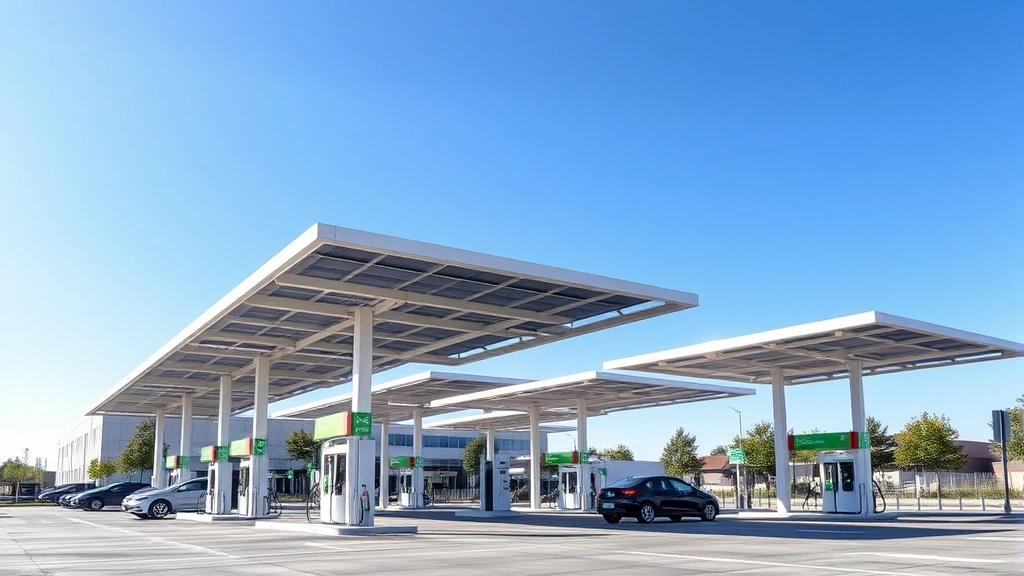
Renewable energy integration represents a transformative opportunity. Solar canopy installations over pump islands generate electricity while providing customer shelter. Progressive operators report that solar installations reduce grid electricity consumption by 40-60%, dramatically lowering operational expenses. Battery storage systems paired with solar create resilient, grid-independent operations that provide revenue opportunities through demand response programs.
Water management systems deserve particular attention. High-efficiency wash bay equipment reduces water consumption by 70% compared to traditional systems, addressing both scarcity concerns and operational costs. Greywater recycling and rainwater harvesting systems can supply landscape irrigation and initial wash stages, further reducing freshwater demand.
Sustainable construction materials for facility improvements matter significantly. Permeable pavement reduces stormwater runoff by 50-80%, preventing soil contamination and reducing municipal strain. Native landscaping eliminates irrigation needs while supporting local ecosystems. These infrastructure choices, though requiring upfront investment, generate returns through reduced water bills, maintenance costs, and regulatory compliance expenses.
For those exploring energy efficiency strategies, many principles applicable to residential settings translate effectively to commercial fuel operations. Building automation systems optimize HVAC, lighting, and equipment operation based on real-time demand and occupancy patterns.
Environmental Compliance and Regulations
Navigating the complex regulatory environment represents a critical success factor for gas station operators. The EPA’s Reid Vapor Pressure regulations and underground storage tank requirements create mandatory compliance frameworks that significantly impact operational costs. Understanding these regulations before acquiring a station prevents costly violations and remediation expenses.
State-level regulations increasingly mandate carbon intensity reductions in transportation fuels. California’s Low Carbon Fuel Standard, adopted or proposed in multiple states, creates financial incentives for stations offering lower-carbon fuel alternatives. Biodiesel blends, renewable diesel, and ethanol products can generate compliance credits worth significant revenue.
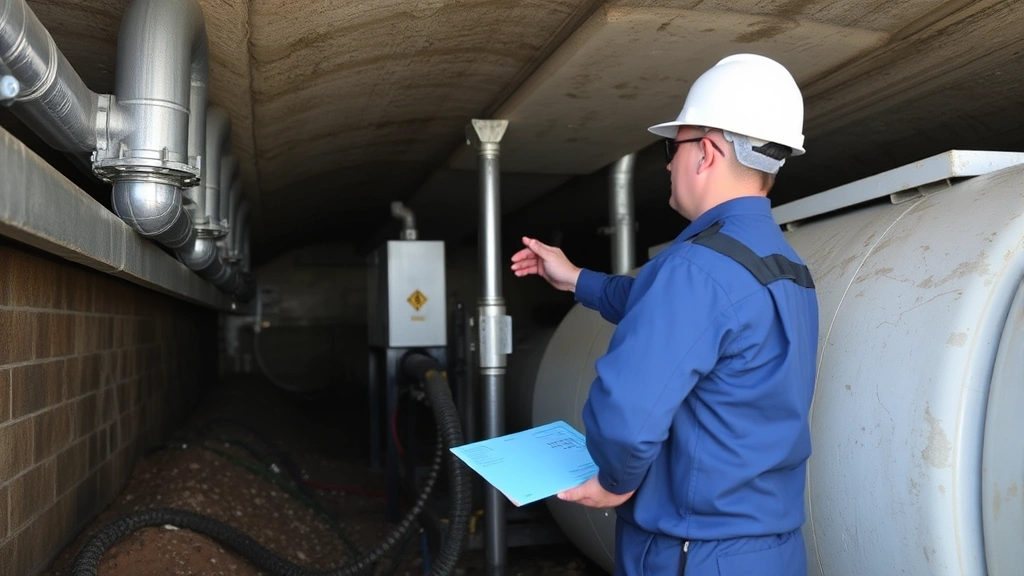
Air quality regulations under the Clean Air Act require vapor recovery systems at all pump islands in nonattainment areas. Leaking underground storage tanks represent environmental liabilities that can cost $100,000-$500,000+ to remediate. Phase II environmental site assessments during property evaluation identify these risks before purchase commitment.
Stormwater pollution prevention plans address runoff from fuel dispensing areas, maintenance zones, and vehicle wash facilities. Implementing proper secondary containment, absorbent materials, and treatment systems ensures compliance while protecting groundwater resources. Regular training for staff on spill response and environmental procedures proves essential for risk management.
The transition toward green technology innovations increasingly aligns with regulatory requirements rather than conflicting with them. Forward-thinking operators recognize that environmental compliance investments enhance long-term profitability and brand reputation.
Financial Benefits of Green Operations
Sustainability investments at gas stations generate compelling financial returns when properly structured. Energy efficiency upgrades typically achieve payback periods of 3-7 years while reducing operational costs by 20-35% annually. Solar installations benefit from federal Investment Tax Credits covering 30% of installation costs, with additional state incentives in many jurisdictions.
Green operations attract higher-margin revenue opportunities. Convenience stores at sustainable stations report 15-30% higher average transaction values as conscious consumers willingly pay premiums for products from environmentally responsible retailers. Premium fuel grades and specialty products command better margins than commodity fuel sales.
Insurance costs decrease for stations demonstrating strong environmental management practices. Reduced spill risk, proper containment systems, and proactive maintenance lower insurance premiums by 10-20% annually. Some insurers offer discounts specifically for stations achieving recognized environmental certifications.
Labor retention improves significantly at sustainable operations. Employees report higher job satisfaction working for environmentally responsible companies, reducing turnover costs that average $15,000-$25,000 per position. Training programs focused on sustainable practices enhance employee engagement and customer service quality.
A gas station for sale with documented sustainability practices commands premium acquisition prices. Buyers recognize that established green operations generate superior returns through reduced costs, premium pricing opportunities, and regulatory compliance advantages. This valuation premium often exceeds the actual investment in sustainable infrastructure.
EV Charging Integration Strategies
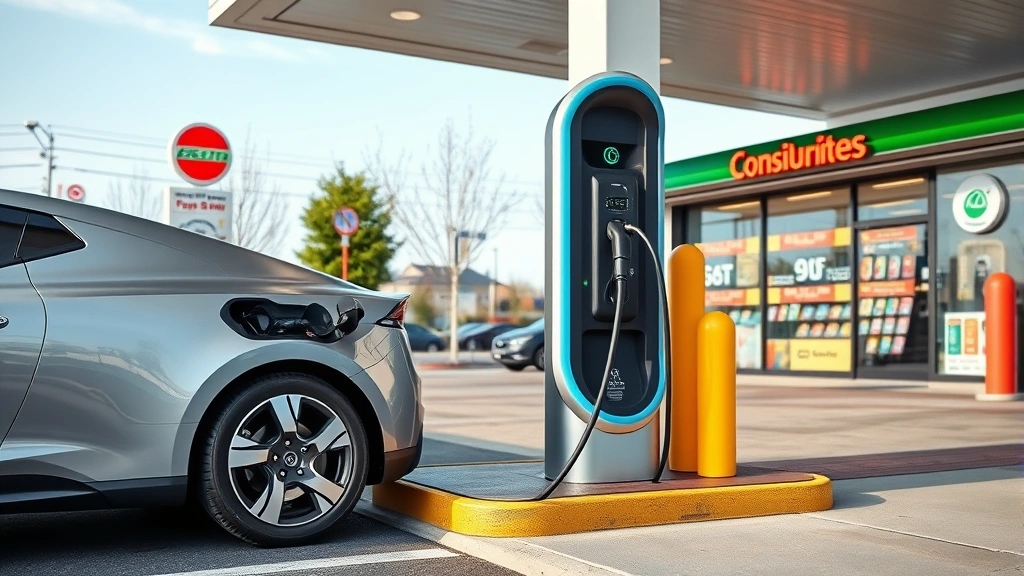
Electric vehicle charging represents the most critical infrastructure evolution for fuel retailers. Rather than viewing EV adoption as competitive threat, forward-thinking operators integrate charging into station offerings. DC fast charging stations can generate $2,000-$4,000 monthly revenue per charger depending on location and utilization rates.
Strategic placement of charging infrastructure at gas stations creates synergistic benefits. While vehicles charge—typically 20-45 minutes for fast charging—drivers visit convenience stores, restaurants, or other revenue-generating amenities. This “dwell time monetization” transforms charging from pure service into profitable business opportunity.
Network partnerships with charging operators (Tesla Supercharger, Electrify America, EVgo) reduce capital requirements while providing access to established customer networks and payment systems. Revenue-sharing models typically allocate 50-70% of charging fees to station operators, creating attractive passive income streams.
Battery storage systems paired with EV charging provide grid services generating additional revenue. Vehicle-to-grid technology enables bidirectional charging, allowing stations to sell stored energy back to the grid during peak demand periods. These demand response programs can generate $500-$1,500 monthly per megawatt-hour capacity.
The integration of electric vehicle advantages into station planning ensures long-term competitiveness. Operators who establish charging infrastructure now position themselves as leaders during the inevitable transition away from fossil fuel dependency.
Operational Best Practices
Excellence in sustainable gas station operations requires systematic attention to environmental management across all business functions. Fuel quality testing programs prevent contamination that damages vehicles and creates liability exposure. Regular tank inspections, water removal, and microbial growth management ensure product integrity.
Staff training programs establish environmental accountability throughout the organization. Employees should understand spill response procedures, proper waste disposal, fuel handling safety, and customer communication regarding sustainable practices. Quarterly training refreshers maintain compliance knowledge and operational excellence.
Waste management systems segregate recyclables from disposal waste, reducing landfill contributions by 60-80%. Proper disposal of used oil, oil filters, and hydraulic fluids through certified recyclers prevents environmental contamination. Tracking waste streams identifies reduction opportunities and demonstrates environmental commitment to customers.
Inventory management systems minimize product waste and spoilage. Fuel turnover optimization ensures freshness while reducing storage tank degradation. Proper fuel additives prevent microbial growth and water accumulation, extending product life and maintaining quality standards.
Community engagement programs build brand loyalty and environmental credibility. Sponsoring local environmental initiatives, supporting electric vehicle education, and hosting sustainability workshops demonstrate authentic commitment beyond marketing rhetoric. These programs generate positive word-of-mouth and media coverage amplifying sustainability messaging.
Documentation and certification efforts validate sustainability claims. Pursuing recognized certifications through Green Business Bureau or similar organizations provides third-party credibility that customers and investors trust. These certifications differentiate operations in competitive markets.
Marketing Your Sustainable Station
Effective marketing transforms sustainability investments into competitive advantages and customer loyalty. Digital marketing strategies should emphasize environmental credentials, cost savings, and forward-thinking business practices. Website optimization around keywords like “sustainable gas station” and “eco-friendly fuel retail” attracts conscious consumers actively seeking alternatives.
Social media campaigns showcasing sustainability initiatives generate engagement and brand awareness. Before-and-after facility improvements, employee spotlights on environmental training, and customer testimonials about premium experiences create authentic storytelling that resonates with target demographics.
Loyalty programs reward frequent customers while gathering data on purchasing patterns and preferences. Digital loyalty platforms enable personalized marketing based on individual customer behaviors, increasing repeat visits and average transaction values. Sustainability-focused loyalty benefits—such as rewards for EV charging usage—reinforce environmental messaging.
Partnership marketing with complementary sustainable businesses expands reach and credibility. Collaborations with electric vehicle dealers, environmental nonprofits, and green retailers create cross-promotional opportunities that benefit all parties. Joint events and co-branded marketing amplify sustainability messages to broader audiences.
Transparent communication about environmental practices builds trust with increasingly skeptical consumers. Publishing sustainability reports, sharing third-party certifications, and addressing environmental concerns directly demonstrates authentic commitment. Greenwashing—making unsupported environmental claims—destroys credibility and invites regulatory scrutiny.
The SustainWise Hub Blog provides valuable frameworks for communicating sustainability initiatives authentically. Learning from successful case studies and industry best practices informs effective marketing strategies that resonate with target audiences.
Pricing strategy matters significantly in sustainability marketing. Premium pricing for sustainable operations is justified by superior quality, lower environmental impact, and customer alignment with values. However, pricing must remain competitive within local markets. Transparent communication about cost premiums and their environmental justification helps customers make informed decisions.
Investment Considerations for Gas Station Acquisition
Evaluating a gas station for sale requires systematic analysis of sustainability factors alongside traditional financial metrics. Environmental due diligence should precede purchase commitment, identifying potential liabilities that could cost hundreds of thousands to remediate.
Phase I and Phase II environmental site assessments reveal soil and groundwater contamination risks. Historical operations, previous spills, and aging infrastructure increase environmental liability exposure. Budget reserves for potential remediation ensure financial viability despite unforeseen environmental issues.
Lease terms deserve careful examination regarding environmental responsibilities. Triple-net leases often allocate environmental compliance costs to operators, necessitating thorough understanding of property conditions before commitment. Landlord cooperation regarding sustainability upgrades affects feasibility of planned improvements.
Local market analysis should examine EV adoption rates, demographic characteristics, and competitive landscape. Stations in affluent, environmentally conscious communities with high EV penetration generate superior returns from charging infrastructure investments. Market saturation and competitive intensity significantly impact profitability potential.
Franchisee vs. independent operator considerations affect sustainability implementation flexibility. Franchised operations may face restrictions on alternative fuel offerings or charging infrastructure, limiting sustainability options. Independent operators retain complete autonomy regarding sustainability investments and marketing positioning.
Financial modeling should project long-term scenarios incorporating fuel demand decline and EV adoption acceleration. Conservative models assuming gradual transition to alternative energy sources prove more reliable than optimistic scenarios. Sensitivity analysis examining various adoption rate scenarios informs risk assessment and investment decision-making.
FAQ
What makes a gas station sustainable?
Sustainable gas stations integrate renewable energy systems, reduce emissions through advanced fuel handling technology, minimize water consumption, implement comprehensive waste management, and increasingly offer EV charging infrastructure. Environmental compliance exceeds regulatory minimums, and operations prioritize reducing overall carbon footprint and environmental impact.
Can gas stations profitably operate with EV charging?
Yes. DC fast charging generates $2,000-$4,000 monthly revenue per charger, while dwell time drives convenience store sales. Battery storage systems provide additional grid services revenue. Strategic placement and network partnerships maximize profitability while advancing sustainability goals.
What are typical payback periods for sustainability investments?
Energy efficiency upgrades typically achieve 3-7 year payback periods through reduced operational costs. Solar installations generate 7-10 year paybacks accounting for tax credits. EV charging infrastructure payback depends on location and utilization, typically 5-8 years in high-traffic areas.
How do environmental regulations impact gas station operations?
Vapor recovery requirements, underground storage tank regulations, air quality standards, and emerging carbon intensity mandates create mandatory compliance frameworks. Regulatory costs can reach 10-15% of operational expenses. Staying ahead of regulations reduces compliance costs and positions operators as industry leaders.
Should I pursue environmental certifications?
Yes. Third-party certifications provide credibility, differentiate operations in competitive markets, and justify premium pricing. Certifications demonstrate authentic commitment beyond marketing claims, building customer trust and investor confidence in long-term sustainability.
How can I reduce water consumption at my station?
High-efficiency wash bay equipment reduces consumption 70%, while greywater recycling and rainwater harvesting systems minimize freshwater demand. Permeable pavement prevents stormwater runoff. These improvements reduce water bills while demonstrating environmental responsibility.
What fuel alternatives should sustainable stations offer?
Biodiesel blends, renewable diesel, and ethanol products provide lower-carbon alternatives generating compliance credits in regulated markets. These products appeal to environmentally conscious consumers while supporting agricultural sectors and reducing fossil fuel dependency.


