Best Gas Cars for 2023? Expert Picks for Fuel Efficiency and Performance
Choosing the right gasoline-powered vehicle in 2023 requires balancing performance, fuel economy, reliability, and environmental impact. While the automotive industry continues its shift toward electrification, many drivers still rely on traditional gas engines for their daily commutes and long-distance travels. This guide explores the best gas cars available in 2023, highlighting models that deliver exceptional fuel efficiency without compromising on power or comfort.
The landscape of gasoline vehicles has evolved significantly, with manufacturers implementing advanced engine technologies, lightweight materials, and aerodynamic designs to maximize efficiency and minimize emissions. Understanding which vehicles offer the best combination of these factors can help you make an informed decision that aligns with both your driving needs and environmental consciousness.
Understanding Modern Gas Engine Efficiency
Modern gasoline engines have undergone remarkable transformations to meet stricter emissions standards and consumer demand for better fuel economy. Turbocharging, direct fuel injection, variable valve timing, and cylinder deactivation technology have become standard features in contemporary vehicles. These innovations allow manufacturers to create smaller displacement engines that deliver comparable power to larger engines while consuming significantly less fuel.
The Environmental Protection Agency (EPA) continues to establish increasingly stringent fuel economy standards, pushing automakers to innovate continuously. When evaluating gas cars, understanding the difference between city, highway, and combined fuel economy ratings becomes crucial. City driving typically results in lower efficiency due to frequent acceleration and braking, while highway driving allows engines to operate at optimal efficiency levels.
Understanding the definition of sustainability helps contextualize why modern gas vehicles matter. Even as we transition toward electric vehicles, efficient gasoline cars play an important role in reducing overall transportation emissions during this transitional period. Selecting a fuel-efficient gas vehicle demonstrates environmental responsibility while recognizing practical driving realities.
Top Fuel-Efficient Sedans of 2023
Sedans remain popular choices for drivers seeking comfort, affordability, and efficiency. The 2023 Honda Accord continues to set benchmarks for mid-size sedan excellence, offering EPA-estimated ratings of up to 38 mpg highway with its turbocharged engine. The Accord’s reputation for reliability, combined with its refined interior and advanced safety features, makes it an excellent choice for daily commuters.
The Toyota Camry, another perennial favorite, delivers consistent fuel economy with its proven reliability record. The 2023 Camry achieves approximately 32 mpg combined with its 2.5-liter four-cylinder engine, while the hybrid variant pushes efficiency significantly higher. For drivers considering sustainable energy solutions in transportation, the Camry hybrid represents an ideal bridge between traditional and alternative powertrains.
The Hyundai Elantra has emerged as a compelling option in the compact sedan segment, offering impressive fuel efficiency ratings of up to 37 mpg highway. With an attractive warranty package and modern infotainment system, the Elantra appeals to budget-conscious drivers without sacrificing quality or performance. The Kia Forte, Hyundai’s corporate sibling, provides similar efficiency with slightly different styling and feature sets.
For luxury sedan seekers, the BMW 330i delivers approximately 36 mpg highway while maintaining premium performance and comfort. The vehicle’s efficient turbocharged engine, lightweight construction, and aerodynamic design demonstrate how luxury manufacturers are adapting to fuel economy demands without compromising driving dynamics.
Best SUVs and Crossovers for Gas Mileage
SUVs and crossovers dominate current vehicle sales, and many 2023 models offer respectable fuel economy despite their larger size and increased weight. The Honda CR-V, consistently ranked among America’s best-selling vehicles, achieves approximately 33 mpg highway with its turbocharged engine. The CR-V’s spacious interior, reliability reputation, and efficient powertrain make it an excellent choice for families requiring versatility.
The Toyota RAV4 remains a segment leader, offering multiple powertrain options including a hybrid variant that significantly improves fuel economy. The standard RAV4 achieves around 30 mpg highway, while the hybrid variant reaches 40 mpg combined, making it an exceptional choice for environmentally conscious drivers. Exploring advantages of natural gas and alternative fuels provides additional perspective on vehicle propulsion options beyond traditional gasoline.
The Mazda CX-5 stands out in the compact crossover segment with its engaging driving dynamics and respectable fuel economy of approximately 32 mpg highway. Mazda’s focus on efficiency and driving enjoyment creates a compelling value proposition for drivers unwilling to compromise on performance while improving environmental impact.
For those requiring three-row seating, the Honda Pilot and Toyota Highlander offer the best fuel economy in the mid-size SUV category. While larger vehicles inherently consume more fuel, these models demonstrate that manufacturers can create efficient family haulers through advanced engineering and lightweight materials.
Compact crossovers like the Hyundai Kona and Kia Seltos deliver excellent fuel economy, with some variants achieving 35+ mpg highway ratings. These vehicles appeal to first-time buyers and urban drivers seeking efficiency without sacrificing practicality.
Compact Cars That Maximize Efficiency
Compact cars represent the efficiency frontier for gasoline vehicles, with many models achieving 35+ mpg combined ratings. The Honda Civic, redesigned for 2023, offers turbocharged engines that deliver strong performance alongside excellent fuel economy. The Civic achieves approximately 38 mpg highway while maintaining the sporty handling characteristics that make it engaging to drive.
The Toyota Corolla, one of the world’s best-selling vehicles, provides reliable transportation with fuel economy reaching 37 mpg highway. The Corolla’s affordable pricing, low maintenance costs, and proven durability make it an excellent choice for budget-conscious drivers seeking dependability and efficiency.
The Hyundai Elantra N Line combines performance with efficiency, offering a turbocharged engine that achieves competitive fuel economy while delivering engaging driving dynamics. For drivers seeking more spirited performance without sacrificing efficiency, the Elantra N Line represents an intriguing option.
The Mazda3, celebrated for its driving dynamics and upscale interior, achieves approximately 36 mpg highway. Mazda’s “Zoom-Zoom” philosophy emphasizes driver engagement without abandoning efficiency, appealing to enthusiasts who refuse to choose between fun and responsibility.
Hatchbacks like the Honda Civic Hatchback and Toyota Corolla Hatchback offer increased versatility compared to their sedan counterparts while maintaining similar fuel economy ratings. The additional cargo flexibility makes these vehicles particularly appealing for younger drivers and urban dwellers with varied needs.
Hybrid Alternatives and Transition Options
While not purely gasoline-powered, hybrid vehicles deserve consideration as transitional technology that maximizes efficiency while maintaining gasoline engine familiarity. The Toyota Prius remains the hybrid segment leader, achieving 57 mpg combined with its advanced hybrid system. The Prius demonstrates how intelligently designed propulsion systems can dramatically reduce fuel consumption and emissions.
The Honda Insight, another hybrid sedan, achieves approximately 55 mpg combined while offering more engaging driving dynamics than traditional hybrids. The Insight appeals to drivers seeking efficiency without sacrificing performance or enjoyment.
Hybrid SUVs and crossovers provide excellent efficiency without sacrificing space or capability. The Toyota RAV4 Hybrid achieves 40 mpg combined, while the Highlander Hybrid reaches 36 mpg combined despite its three-row configuration. These vehicles represent the current pinnacle of efficiency in their respective segments.
Understanding green technology innovations reveals how hybrid systems exemplify sustainable automotive engineering. Regenerative braking, efficient electric motors, and optimized gasoline engines work synergistically to minimize fuel consumption while reducing environmental impact.
For drivers not yet ready to commit to fully electric vehicles, hybrids provide a practical intermediate step. They eliminate range anxiety, charge without external infrastructure, and deliver dramatic fuel economy improvements over conventional gasoline vehicles.
Environmental Considerations When Choosing Gas Vehicles
Selecting a fuel-efficient gas car demonstrates environmental responsibility and aligns with environmental sustainability examples in everyday consumer choices. Fuel efficiency directly correlates with reduced carbon dioxide emissions, the primary greenhouse gas contributing to climate change. Choosing a vehicle that achieves 35 mpg instead of 25 mpg reduces annual emissions by approximately 2.5 tons of CO2.
Beyond fuel economy, modern emission control systems significantly reduce harmful pollutants including nitrogen oxides and particulate matter. The EPA’s fuel economy standards ensure that all new vehicles meet stringent emissions requirements, making even conventional gasoline cars substantially cleaner than vehicles from previous decades.
Vehicle manufacturing, transportation, and end-of-life recycling also impact overall environmental footprint. Choosing reliable vehicles that maintain value and longevity reduces the frequency of replacement, extending useful life and minimizing manufacturing-related environmental costs. Japanese and Korean manufacturers particularly excel in producing durable vehicles that remain roadworthy for 200,000+ miles with proper maintenance.
Tire efficiency, weight distribution, and aerodynamic design all contribute to overall efficiency. Maintaining proper tire pressure, regular maintenance, and mindful driving habits further improve fuel economy and reduce environmental impact. Drivers can consult the fueleconomy.gov website for detailed comparisons and personalized efficiency estimates based on individual driving patterns.
The transition toward electric vehicles continues accelerating, but gasoline vehicles will remain prevalent for years to come. Selecting the most efficient gasoline vehicle available demonstrates environmental consciousness while acknowledging practical driving realities. This transitional approach represents responsible decision-making that balances immediate needs with long-term sustainability goals.
Visiting the SustainWise Hub Blog provides additional insights into sustainable transportation and environmental decision-making. The broader conversation about fuel economy standards and regulations helps contextualize how individual vehicle choices contribute to collective environmental progress.

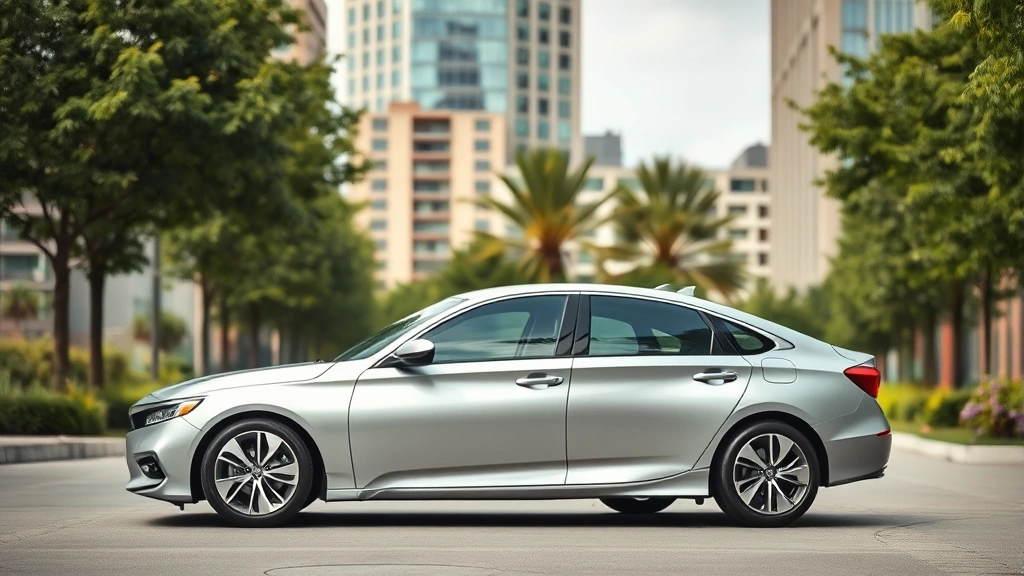
” alt=”Modern fuel-efficient gasoline sedan parked in sustainable urban environment”/>
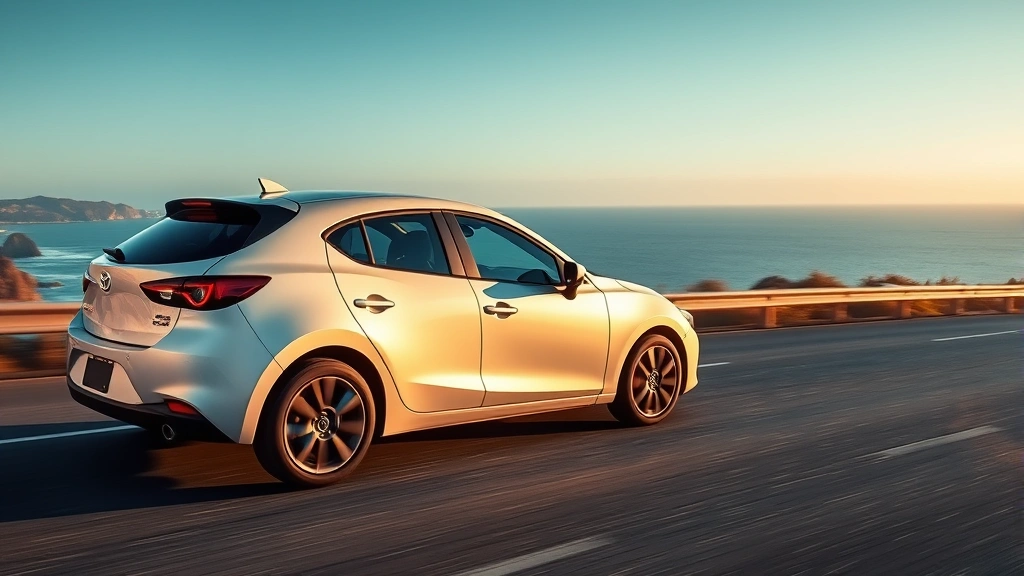
” alt=”Efficient compact crossover vehicle on scenic highway demonstrating practical sustainability”/>
FAQ
What is the most fuel-efficient gas car available in 2023?
The Toyota Prius Eco achieves the highest fuel economy among traditional gas-powered vehicles at approximately 57 mpg combined. For non-hybrid gasoline cars, the Honda Civic achieves approximately 38 mpg highway, making it one of the most efficient conventional options available.
Are hybrid vehicles better than traditional gas cars for the environment?
Hybrid vehicles typically produce 30-50% fewer emissions than comparable conventional gasoline vehicles, depending on driving patterns and conditions. However, the environmental benefit depends on electricity grid composition, manufacturing impacts, and overall vehicle lifespan. Both hybrids and efficient gas vehicles represent environmentally conscious choices compared to less efficient alternatives.
How do I maximize fuel efficiency with a gas vehicle?
Maintain proper tire pressure, perform regular maintenance including oil changes and air filter replacements, avoid excessive idling, accelerate gradually, and maintain consistent highway speeds. Aerodynamic factors like removing roof racks and reducing excess weight also improve efficiency. These behavioral and maintenance practices can improve fuel economy by 10-15%.
Should I choose a gas car or electric vehicle in 2023?
This decision depends on driving patterns, charging infrastructure availability, budget, and environmental priorities. Gas vehicles offer lower upfront costs, greater range, and established refueling infrastructure. Electric vehicles offer lower operating costs, zero tailpipe emissions, and improving technology. For many drivers, efficient gas or hybrid vehicles represent practical compromise solutions.
What certifications should I look for when choosing an efficient gas vehicle?
Look for EPA Green Vehicle designations, which identify vehicles meeting strict emissions standards. The ENERGY STAR program recognizes exceptionally efficient vehicles. Additionally, checking reliability ratings from Consumer Reports and J.D. Power ensures your chosen vehicle maintains efficiency throughout its lifespan.
How do gas car emissions compare to electric vehicles?
Modern gas vehicles produce significantly lower emissions than older models due to advanced catalytic converters and emission control systems. However, electric vehicles charged with renewable energy produce substantially lower lifetime emissions. The environmental advantage of electric vehicles increases as electrical grids incorporate more renewable energy sources.


