Best Gas Water Heater? Consumer Reviews 2023
Selecting the right gas water heater for your home is one of the most important decisions you’ll make regarding household energy efficiency and comfort. With rising energy costs and growing environmental concerns, understanding what makes a gas water heater truly exceptional has never been more critical. Whether you’re replacing an aging unit or upgrading to a more efficient model, this comprehensive guide will walk you through everything you need to know about choosing the best gas water heater in 2023.
Gas water heaters remain one of the most popular choices for American households, accounting for over 40% of residential water heating systems. Their popularity stems from their efficiency, affordability, and rapid heating capabilities. However, not all gas water heaters are created equal. This review examines the top-performing models, consumer feedback, energy efficiency ratings, and sustainability considerations to help you make an informed decision that aligns with both your budget and environmental values.
Understanding Gas Water Heater Efficiency
When evaluating the best gas water heater options, understanding efficiency metrics is essential. The Energy Factor (EF) rating indicates how efficiently a unit converts fuel into hot water. Higher EF ratings mean lower operating costs and reduced energy consumption. Most modern gas water heaters have EF ratings between 0.55 and 0.70, with tankless models reaching 0.80 or higher.
The Federal Trade Commission requires all water heater manufacturers to display the estimated annual operating cost on the EnergyGuide label. This transparency allows consumers to compare models directly. A unit with a higher Energy Factor rating might cost more upfront but will deliver substantial savings over its 10-15 year lifespan. When exploring advantages of natural gas for home heating, efficiency improvements represent one of the most compelling benefits.
Tank size matters significantly for efficiency. A 40-gallon tank suits most families of 2-4 people, while larger households may benefit from 50 or 75-gallon models. Oversized tanks waste energy heating water you won’t use, while undersized tanks force the unit to work harder. Insulation quality also affects efficiency; better-insulated tanks maintain water temperature longer, reducing reheating cycles.
Top-Rated Gas Water Heater Models 2023
Rheem Performance Platinum Hybrid consistently ranks among consumer favorites, earning high marks for reliability and efficiency. This model features a 0.67 EF rating, condensing technology, and intelligent controls that learn your household’s hot water usage patterns. Users praise its quiet operation and durability, with many reporting 15+ years of trouble-free service.
A.O. Smith Vertex Hybrid represents another excellent choice for eco-conscious consumers. With a 0.72 EF rating, it uses hybrid condensing technology to capture waste heat from exhaust gases. The model includes a self-cleaning burner and advanced corrosion protection, making it ideal for areas with hard water.
Navien Tankless Condensing water heaters have revolutionized the market with their compact size and exceptional efficiency (0.82 EF rating). Tankless units heat water on-demand, eliminating standby losses entirely. While more expensive initially, their longevity (20 years) and energy savings appeal to sustainability-minded homeowners.
Bradford White Defender Safety System offers excellent value for budget-conscious buyers. This traditional tank model features a 0.59 EF rating, rugged construction, and proven reliability. Its lower cost and straightforward maintenance make it ideal for rental properties or budget installations.
Rinnai Sensei Tankless combines advanced technology with user-friendly operation. Smart connectivity allows remote monitoring and adjustment via smartphone apps. The 0.81 EF rating and endless hot water supply appeal to larger households and those with intensive hot water needs.
Key Features to Look For
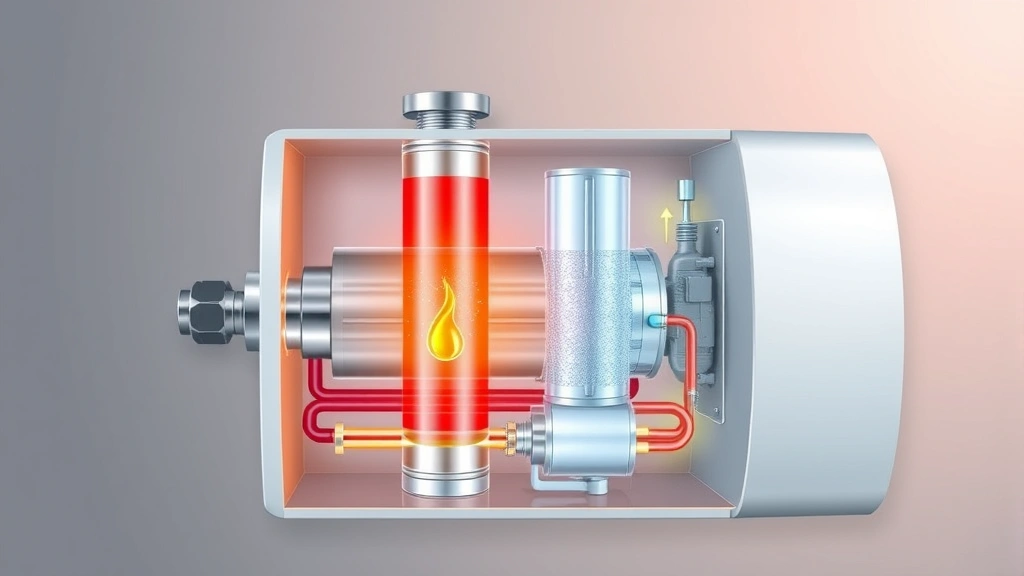
Condensing Technology represents a significant advancement in gas water heater efficiency. These systems capture heat from exhaust gases that traditional units vent away, transferring this energy back into the heating process. Condensing models typically cost $200-400 more than conventional units but recover this investment through energy savings within 3-5 years.
Corrosion Protection directly impacts longevity. Look for models with aluminum or glass-lined tanks and quality anode rods. Premium stainless steel tanks offer superior protection in corrosive environments. This feature proves especially important in coastal areas or regions with aggressive water chemistry.
Smart Controls and Monitoring enable precise temperature management and usage tracking. Modern units with WiFi connectivity allow you to adjust settings remotely, receive maintenance alerts, and monitor energy consumption in real-time. These features support sustainable energy solutions by helping users identify efficiency opportunities.
Warranty Coverage indicates manufacturer confidence. Premium models typically offer 12-year tank warranties and 5-year parts coverage, while budget options provide 6-year tank and 1-year parts warranties. Extended warranties prove worthwhile for high-efficiency units, protecting your investment.
Self-Cleaning Burners maintain efficiency over time by preventing sediment buildup. This feature reduces maintenance needs and ensures consistent performance throughout the unit’s lifespan, particularly valuable in areas with mineral-heavy water.
Installation and Maintenance Considerations
Professional installation is crucial for optimal performance and safety. While DIY installation might seem economical, improper setup can void warranties, create safety hazards, and reduce efficiency. Licensed plumbers ensure proper venting, gas line connections, and pressure relief valve installation. Installation costs typically range from $500-1,500 depending on your home’s existing infrastructure.
Routine maintenance extends water heater lifespan and maintains efficiency. Annual inspections should include flushing sediment from the tank, checking the anode rod, testing the pressure relief valve, and inspecting the burner. Flushing removes mineral deposits that accumulate over time, improving heat transfer efficiency by 10-15%. Understanding natural gas as a resource includes recognizing how efficient usage reduces consumption and environmental impact.
Venting requirements differ between traditional and condensing models. Traditional units need standard metal vents, while condensing models can use PVC vents due to lower exhaust temperatures. Some condensing units even allow horizontal venting through walls, offering installation flexibility in challenging spaces. Tankless units require proper ventilation sizing to handle continuous operation demands.
Sediment buildup represents the most common efficiency problem. Hard water areas experience faster sediment accumulation, requiring more frequent flushing. Installing a water softener upstream of your water heater can reduce sediment buildup by 80%, extending unit life and maintaining efficiency.
Environmental Impact and Sustainability
Gas water heaters produce lower carbon emissions than electric resistance heating, particularly in regions where electricity generation relies on fossil fuels. However, they still emit greenhouse gases and contribute to climate change. Modern high-efficiency models reduce emissions by 20-30% compared to standard units through improved combustion and heat recovery.
Condensing technology represents a significant sustainability advancement. By capturing latent heat in exhaust gases, these systems reduce fuel consumption and lower greenhouse gas emissions proportionally. Over a 15-year lifespan, a condensing water heater prevents approximately 5-7 tons of CO2 emissions compared to conventional models—equivalent to planting 80-100 trees.
Tankless water heaters offer superior environmental benefits through eliminated standby losses. Traditional tanks maintain heated water 24/7, even when not in use, wasting energy continuously. Tankless systems only heat water when needed, reducing annual energy consumption by 24-34%. This efficiency gain translates to measurable environmental impact, particularly when scaled across millions of households. For comprehensive sustainability context, explore environmental sustainability examples demonstrating practical household improvements.
Water heating accounts for approximately 18% of residential energy consumption. Upgrading to a high-efficiency model represents one of the most impactful household sustainability improvements available. The Environmental Protection Agency recognizes ENERGY STAR certified water heaters as meeting rigorous efficiency standards, reducing energy use by at least 15% compared to federal minimum standards.
Consider your region’s energy mix when evaluating environmental impact. In areas with renewable energy generation, electric heat pumps offer superior sustainability. However, in regions relying on natural gas generation or where gas advantages include lower emissions infrastructure, efficient gas water heaters represent the more sustainable choice.
Cost Analysis and Long-Term Savings
Purchase price represents only one component of total cost of ownership. A comprehensive analysis must include installation, maintenance, energy consumption, and lifespan. Traditional tank models cost $400-800, while condensing models range from $600-1,200. Tankless units start at $1,200 and can exceed $2,500 for premium models.
Energy consumption differences become substantial over time. A family using 40 gallons of hot water daily spends approximately $300-400 annually operating a standard gas water heater. Upgrading to a condensing model reduces this to $240-320, saving $60-80 annually. Tankless systems cut costs further to $200-250, saving $100-150 yearly. Over 15 years, these savings total $900-2,250, easily justifying higher initial investment.
Regional energy rates significantly affect savings calculations. In areas with high natural gas prices, efficiency improvements deliver faster payback periods. Conversely, regions with inexpensive gas may see longer payback periods, though long-term savings remain substantial. Use your current energy bills as baseline data for accurate calculations.
Utility rebates and tax incentives can reduce effective purchase costs by 20-40%. Many states offer rebates for ENERGY STAR certified units, while federal tax credits may apply to certain high-efficiency models. Check with your local utility company and state energy office for current incentive programs.
Financing options make high-efficiency models more accessible. Many retailers offer 0% APR financing for 12-24 months, effectively spreading costs across the savings period. This approach allows homeowners to upgrade to premium models without significant upfront expense.
FAQ
What’s the average lifespan of a gas water heater?
Traditional tank models typically last 10-15 years with proper maintenance, while tankless units can operate for 20+ years. Lifespan depends heavily on water quality, maintenance frequency, and usage patterns. Annual flushing and inspection can extend lifespan by 2-3 years.
How much does professional installation cost?
Installation typically ranges from $500-1,500 depending on existing infrastructure, venting requirements, and local labor rates. Complex installations involving new gas lines or venting modifications cost more. Always obtain multiple quotes before deciding.
Are tankless water heaters worth the extra cost?
For households using substantial hot water, tankless models deliver significant long-term savings through reduced energy consumption and extended lifespan. However, smaller households with modest hot water needs may find traditional models more cost-effective.
How do I know if my water heater needs replacement?
Signs include rust-colored water, unusual noises, leaking, age over 12 years, or insufficient hot water supply. Professional inspection can confirm whether repair or replacement is appropriate.
What’s the difference between Energy Factor and efficiency?
Energy Factor (EF) specifically measures the percentage of fuel energy converted to usable hot water. Higher EF ratings indicate better efficiency. This standardized metric allows fair comparison across brands and models.
Can I install a gas water heater myself?
Professional installation is strongly recommended for safety, warranty compliance, and proper code adherence. Gas connections require licensed plumber expertise, and improper installation creates serious safety hazards.
What maintenance does a gas water heater require?
Annual flushing removes sediment, inspect the anode rod for corrosion, test pressure relief valves, and check for leaks. These simple tasks maintain efficiency and extend lifespan significantly.
Which is better: tank or tankless water heaters?
Each offers distinct advantages. Tank models provide lower upfront costs and simpler installation, while tankless units deliver superior efficiency, endless hot water, and longer lifespan. Your choice depends on household size, budget, and hot water usage patterns.
How does climate affect water heater performance?
Cold climates require more energy to heat incoming water, reducing efficiency ratings. Conversely, warm climates see better efficiency metrics. Your location’s average temperature affects annual operating costs significantly.
What’s the best way to reduce water heating costs?
Install low-flow showerheads, insulate hot water pipes, lower thermostat to 120°F, and maintain your unit annually. These actions reduce consumption and improve efficiency, complementing equipment upgrades.


