BJ Gas: Sustainable Fuel Options Explored
The global energy landscape is undergoing a profound transformation as environmental concerns intensify and climate change becomes increasingly urgent. BJ Gas represents an emerging category of alternative fuels designed to reduce carbon emissions while maintaining energy efficiency for transportation and industrial applications. Understanding the sustainability implications of BJ Gas and comparable fuel alternatives is essential for consumers, businesses, and policymakers seeking to make informed decisions about energy consumption.
As fossil fuel dependency continues to threaten our planet’s ecological balance, innovative fuel solutions have become critical to achieving sustainability principles and reducing our collective environmental footprint. BJ Gas technology explores the intersection of energy efficiency, carbon reduction, and practical fuel delivery systems that could reshape how we power vehicles and equipment globally.
What Is BJ Gas and How Does It Work
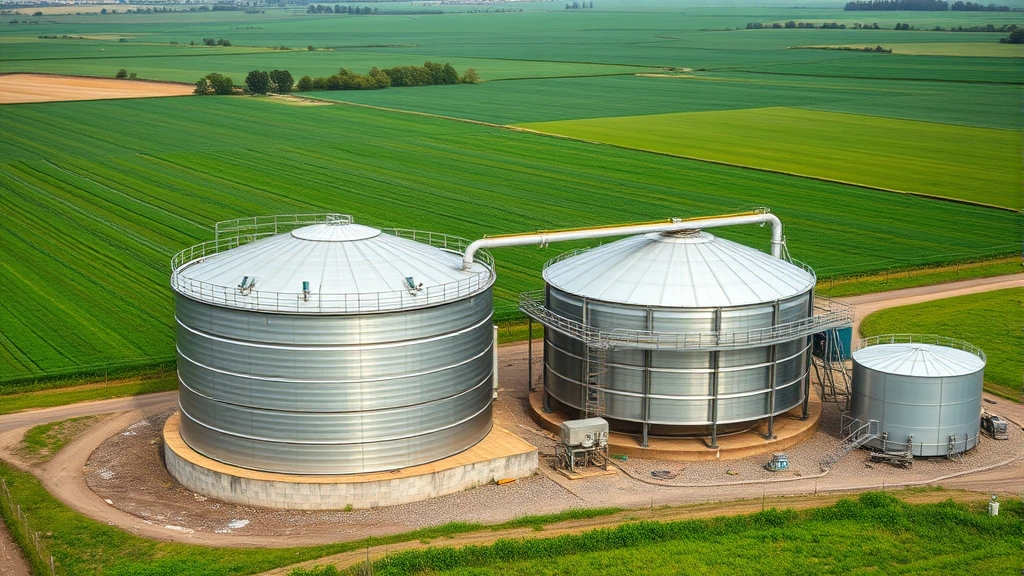
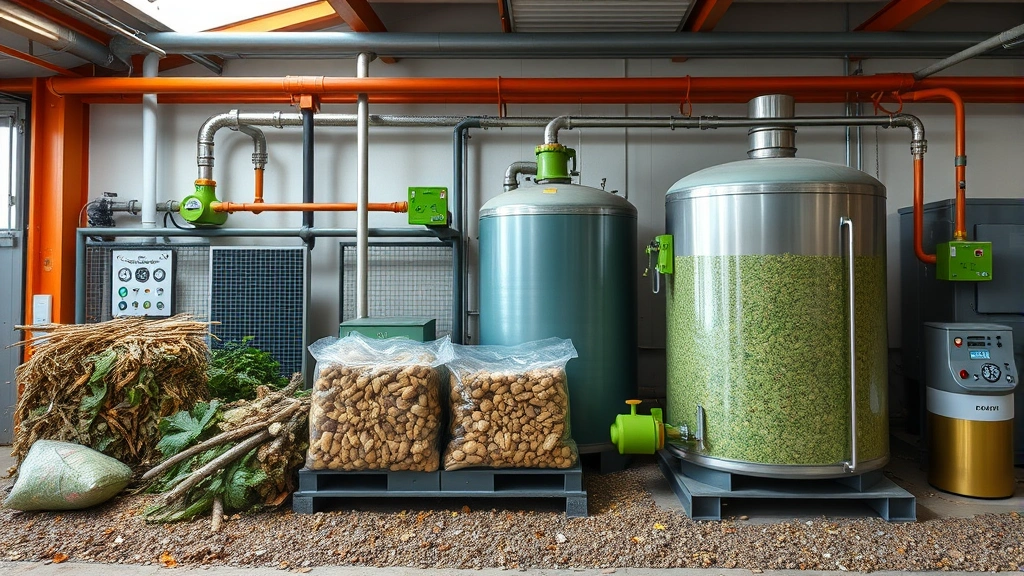
BJ Gas refers to biogas or biomethane fuel derived from organic waste decomposition and renewable sources. This sustainable fuel option captures methane produced by anaerobic digestion of agricultural waste, food processing byproducts, wastewater treatment sludge, and landfill materials. The biogas is then purified and upgraded to biomethane, meeting quality standards equivalent to conventional natural gas for use in vehicles and heating applications.
The production process begins when organic materials are placed in anaerobic digesters—oxygen-free environments where bacteria break down organic matter into biogas, typically comprising 50-70% methane and 30-50% carbon dioxide. Through a purification process called biogas upgrading, CO₂ and other contaminants are removed, resulting in high-purity biomethane suitable for injection into gas grids or direct use as vehicle fuel.
BJ Gas technology represents a circular economy approach, transforming waste streams into valuable energy resources while simultaneously reducing methane emissions that would otherwise escape into the atmosphere. This dual benefit—waste reduction and energy generation—makes BJ Gas an attractive component of comprehensive sustainable energy solutions strategies.
Environmental Benefits and Carbon Reduction
The environmental advantages of BJ Gas are substantial and multifaceted. Unlike conventional fossil fuels, biomethane is considered carbon-neutral or carbon-negative when accounting for the full lifecycle. Methane captured from decomposing waste prevents its release into the atmosphere, where it functions as a potent greenhouse gas with a global warming potential approximately 25-28 times greater than carbon dioxide over a 100-year period.
According to the EPA’s greenhouse gas emissions overview, biogas production and utilization can reduce overall emissions by 50-90% compared to conventional natural gas, depending on feedstock sources and production methodologies. Agricultural biogas systems are particularly impactful, converting manure and crop residues into energy while simultaneously reducing agricultural waste accumulation.
BJ Gas production also decreases reliance on fossil fuel extraction, thereby reducing associated environmental degradation from drilling, mining, and transportation infrastructure. The renewable nature of feedstock—continuously replenished through agricultural and waste management processes—ensures long-term sustainability without depleting finite resources.
Additionally, using strategies to reduce your environmental footprint through alternative fuels like BJ Gas contributes to improved air quality by reducing nitrogen oxide and particulate matter emissions in urban areas.
Comparing BJ Gas to Traditional Fossil Fuels
Conventional natural gas, derived from fossilized organic matter, requires extensive extraction infrastructure and contributes significantly to greenhouse gas emissions throughout its lifecycle. BJ Gas offers a compelling alternative by utilizing current waste streams rather than accessing ancient carbon reserves.
The key differences between BJ Gas and traditional natural gas include:
- Carbon Lifecycle: BJ Gas operates within the current carbon cycle, while fossil fuels release sequestered carbon from millions of years ago, increasing atmospheric CO₂ concentrations
- Renewable Feedstock: Biogas sources regenerate continuously through agricultural and waste management processes, unlike finite fossil fuel reserves
- Production Emissions: BJ Gas production avoids the methane leakage inherent in conventional gas extraction, processing, and transportation
- End-of-Life Considerations: Biogas production prevents methane emissions from decomposing waste, providing environmental benefits even before fuel combustion
While conventional gasoline and diesel fuels dominate transportation markets, BJ Gas represents a bridge technology toward fully renewable energy systems. Its compatibility with existing natural gas infrastructure reduces transition barriers compared to entirely novel fuel types.
Infrastructure and Accessibility Challenges
Despite promising environmental credentials, BJ Gas faces significant infrastructure limitations. Current gas distribution networks were designed for conventional natural gas, and widespread biomethane integration requires substantial upgrades and regulatory modifications.
Key infrastructure challenges include:
- Limited biogas production facilities relative to fuel demand, creating supply constraints
- Geographic concentration of biogas plants near agricultural regions, limiting accessibility in urban areas
- Insufficient refueling station networks for vehicles operating on biogas or biomethane
- Technical requirements for gas quality standardization across diverse production sources
- Capital investment needs for pipeline modifications and distribution system enhancements
Accessibility improvements require coordinated efforts between government agencies, energy companies, and technology developers. Several European countries have successfully implemented regional biogas infrastructure networks, demonstrating feasibility when supported by comprehensive policy frameworks.
The transition toward widespread BJ Gas availability parallels broader efforts in implementing green technology innovations transforming our future, requiring systemic coordination and substantial capital deployment.
Cost-Effectiveness and Economic Viability
BJ Gas economics depend heavily on feedstock availability, production scale, and regional energy prices. In regions with abundant agricultural waste or concentrated food processing industries, biogas production becomes economically attractive, particularly when government incentives offset initial infrastructure costs.
Production costs typically range from $8-15 per million BTU, competitive with conventional natural gas prices during periods of elevated fossil fuel costs. However, price volatility in crude oil and natural gas markets creates uncertainty for long-term BJ Gas investment planning.
Economic advantages include:
- Reduced waste management costs by monetizing disposal materials
- Potential revenue generation from renewable fuel credits and carbon offsets
- Lower operational expenses for fleet operators using biogas vehicles
- Job creation in biogas production, maintenance, and distribution sectors
- Avoided costs associated with environmental remediation and climate change impacts
Financial modeling demonstrates that biogas projects achieve positive return on investment within 5-10 years in favorable conditions, with extended operational lifespans of 20+ years. Government subsidies, tax credits, and renewable energy mandates significantly improve project economics and accelerate deployment timelines.
Comprehensive sustainable energy solutions assessments must incorporate these economic factors alongside environmental benefits to guide strategic energy decisions.
Integration with Renewable Energy Systems
BJ Gas functions effectively within broader renewable energy portfolios, complementing variable renewable sources like solar and wind power. Biogas provides dispatchable energy, generating electricity and heat on demand regardless of weather conditions, thereby addressing intermittency challenges inherent in weather-dependent renewables.
Integration strategies include:
- Biogas-powered combined heat and power systems providing baseload electricity to regional grids
- Energy storage through gas production, allowing temporal flexibility in renewable energy utilization
- Hybrid systems combining biogas with solar, wind, and hydroelectric generation for optimized grid stability
- Vehicle fleet electrification supported by biogas-generated electricity from renewable sources
- Industrial process heat applications utilizing biogas, reducing fossil fuel consumption in manufacturing
This complementary relationship positions BJ Gas as a critical component of comprehensive decarbonization strategies rather than a standalone solution. The technology enables higher renewable energy penetration by providing reliability and flexibility that grid operators require.
Regulatory Framework and Government Incentives
Government policies significantly influence BJ Gas deployment rates and economic viability. The European Union’s Renewable Energy Directive mandates increasing renewable fuel incorporation, with biogas eligible for substantial support mechanisms. Similar policies exist across North America, Asia, and other regions, though implementation varies considerably.
Key policy instruments include:
- Renewable fuel standards requiring petroleum refiners to blend biogas-derived fuels into conventional fuel supplies
- Feed-in tariffs guaranteeing favorable electricity prices for biogas-generated power
- Tax credits and capital grants offsetting biogas infrastructure investment costs
- Carbon pricing mechanisms creating economic incentives for emissions reduction
- Waste management regulations requiring organic waste diversion from landfills, encouraging biogas production
According to the International Renewable Energy Agency (IRENA), countries implementing comprehensive biogas support policies achieve significantly higher deployment rates and faster cost reductions through technology maturation and scale economies.
Regulatory certainty remains essential for attracting private investment in biogas infrastructure, as project developers require stable policy environments to justify substantial capital commitments.
Future Prospects and Industry Developments
The biogas industry continues evolving with technological innovations, cost reductions, and expanding market opportunities. Advanced anaerobic digestion systems achieve higher biogas yields from diverse feedstocks, while upgraded biomethane production becomes increasingly efficient.
Emerging developments include:
- Microalgae-based biogas production offering higher yields per unit area compared to conventional feedstocks
- Thermochemical conversion processes enabling biogas generation from previously unsuitable waste streams
- Integration with carbon capture technologies creating carbon-negative fuel systems
- Distributed biogas production systems enabling localized energy generation in rural communities
- Biogas-to-liquids conversion creating portable fuels for aviation and maritime applications
Market analysts project substantial biogas growth through 2050, with biomethane potentially supplying 10-15% of global gas demand under ambitious decarbonization scenarios. This expansion would require significant infrastructure investment, policy support, and technological advancement.
The convergence of BJ Gas development with advantages of electric vehicles and other zero-emission technologies creates a diversified clean energy transition pathway, reducing dependence on any single solution.
According to the International Energy Agency (IEA) biogas assessment, achieving climate targets requires accelerating biogas deployment while simultaneously reducing production costs through innovation and scale.
FAQ
Is BJ Gas truly carbon-neutral?
BJ Gas approaches carbon neutrality when lifecycle emissions are considered comprehensively. Methane captured from waste decomposition prevents atmospheric release of a potent greenhouse gas, while the carbon dioxide produced during combustion represents part of the current carbon cycle rather than releasing ancient sequestered carbon. However, production and distribution processes require energy input, so truly zero-carbon status depends on utilizing renewable electricity throughout the supply chain.
Can existing vehicles run on BJ Gas?
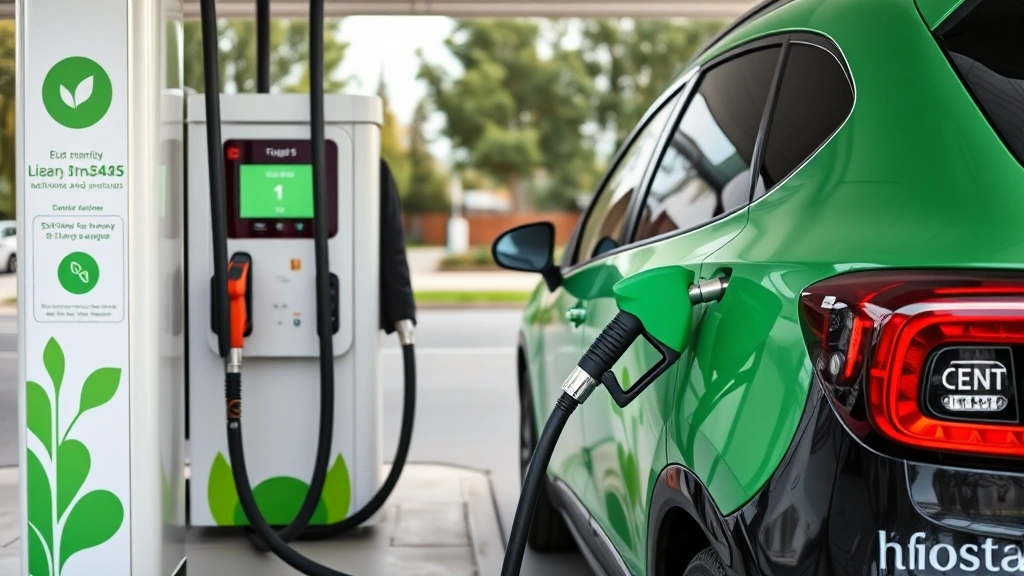
Vehicles specifically designed for compressed natural gas (CNG) or liquefied natural gas (LNG) operation can typically use biomethane with minimal or no modifications, as the fuel properties are nearly identical. However, conventional gasoline and diesel vehicles require specialized equipment for biogas compatibility. Fleet operators can retrofit vehicles or purchase new models equipped with biogas fuel systems.
What are the main feedstocks for BJ Gas production?
Primary feedstocks include agricultural manure, crop residues, food processing waste, wastewater treatment sludge, and organic components of municipal solid waste. Availability and suitability vary by region based on agricultural intensity, food industry concentration, and waste management infrastructure. Optimizing feedstock utilization requires coordinated waste collection and processing systems.
How does BJ Gas compare economically to electric vehicles?
Both technologies offer economic advantages depending on regional circumstances. BJ Gas infrastructure costs remain lower than comprehensive electric vehicle charging networks, while electric vehicles offer superior long-term operational economics and eliminating tailpipe emissions entirely. Optimal strategies typically combine both technologies, utilizing BJ Gas for applications where electrification faces technical challenges while prioritizing electric vehicles for urban transportation.
What regulatory support exists for BJ Gas development?
Regulatory frameworks vary significantly by jurisdiction. The European Union provides substantial support through renewable energy directives and carbon pricing mechanisms. North America offers tax credits and renewable fuel standards in certain regions. Developing countries increasingly recognize biogas potential for waste management and energy access. Comprehensive policy frameworks combining production incentives, infrastructure support, and demand guarantees maximize deployment effectiveness.
Can BJ Gas production reduce landfill methane emissions?
Yes, capturing biogas from organic waste prevents methane release into the atmosphere while generating usable energy. Landfill gas capture systems and anaerobic digestion facilities both prevent methane emissions, though anaerobic digestion typically achieves higher capture efficiency and produces higher-quality biogas. Integrating biogas production into comprehensive waste management strategies significantly reduces overall emissions from waste sectors.