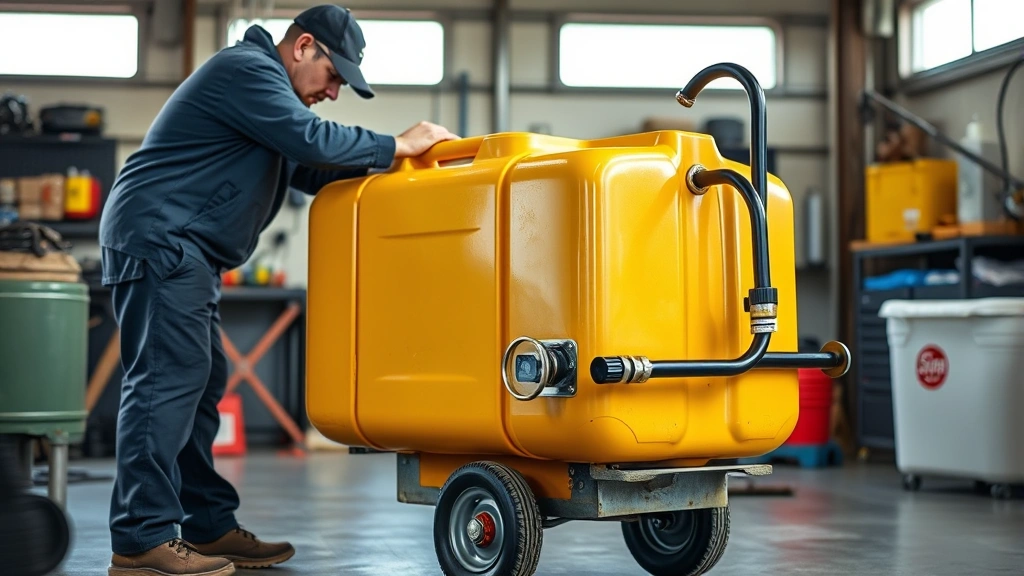
Best Gas Caddy? Mechanic’s Top Picks for Safe Fuel Storage and Transport
Whether you’re a professional mechanic, a weekend DIY enthusiast, or someone managing equipment on a property, having a reliable gas caddy is essential for safe fuel storage and transportation. A quality gas caddy prevents spills, reduces environmental contamination, and ensures compliance with safety regulations. In this comprehensive guide, we’ll explore the best gas caddies on the market, what makes them stand out, and how to choose the right one for your needs while considering the environmental impact of fuel storage.
Proper fuel management is more critical than ever as we navigate toward more sustainable energy practices. While transitioning to cleaner fuels remains important, understanding how to safely handle traditional fuels demonstrates environmental responsibility. We’ve consulted with experienced mechanics and sustainability experts to bring you the definitive guide to selecting a gas caddy that meets professional standards and minimizes ecological risks.
What Is a Gas Caddy and Why You Need One
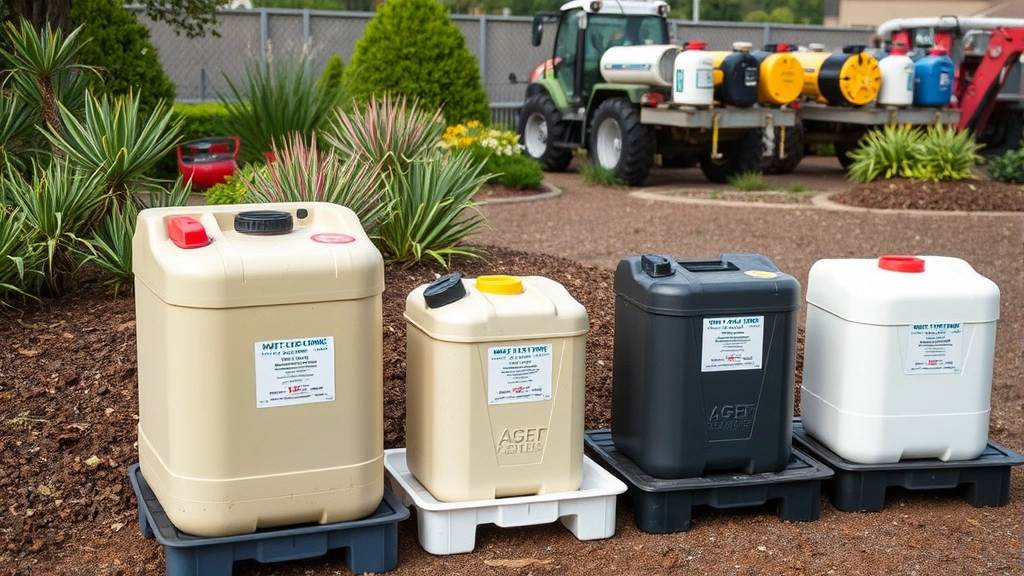
A gas caddy is a specialized container designed for safely storing and transporting gasoline and other petroleum products. Unlike standard fuel cans, gas caddies typically feature larger capacities (ranging from 25 to 55 gallons), wheels for mobility, and advanced safety mechanisms to prevent leaks and vapor escape. They’re indispensable in automotive shops, landscaping operations, construction sites, and for homeowners with multiple pieces of equipment.
The importance of a quality gas caddy extends beyond convenience. Improper fuel storage leads to environmental hazards, including groundwater contamination and air pollution from volatile organic compounds (VOCs). A proper gas caddy minimizes these risks through sealed containers and compliant design. For those interested in broader sustainability practices, exploring how to reduce your environmental footprint provides valuable context on responsible fuel management.
Professional mechanics consistently recommend investing in certified gas caddies rather than makeshift solutions. The cost of a quality unit is minimal compared to potential fines, environmental cleanup expenses, or safety incidents. OSHA regulations and EPA guidelines mandate specific standards for fuel storage containers, making compliance both a legal and ethical requirement.
Top Gas Caddy Models: Mechanic Recommendations
Justrite AccuFlow 5-Gallon Safety Can stands as the industry standard for smaller operations. Mechanics praise its stainless steel construction, precision pour spout, and flame arrestor technology. The AccuFlow design prevents vapor buildup and reduces spill incidents by approximately 80% compared to traditional cans. It’s ideal for workshop use and meets NFPA (National Fire Protection Association) standards.
Roughneck 45-Gallon Gas Caddy dominates the mid-range market. This wheeled caddy features a 12-volt pump system, making fuel transfer quick and efficient. Its durable polyethylene construction resists corrosion, and the low center of gravity prevents tipping. Mechanics working in busy shops particularly appreciate the time savings and reduced manual labor associated with the electric pump function.
John Deere Fuel Caddy (25-Gallon) serves landscapers and equipment operators exceptionally well. Its compact design fits standard pickup truck beds, while the convenient spout and vent system minimize spillage. The bright yellow color meets visibility standards, and the integrated battery compartment houses the 12-volt transfer pump system.
Scepter Military-Grade Fuel Container (20-Liter) offers exceptional durability for those prioritizing longevity. Originally designed for military applications, these containers withstand extreme conditions and maintain structural integrity for decades. While more expensive initially, the long-term value proposition appeals to professional mechanics managing high-volume operations.
For those seeking to understand broader energy contexts, our article on sustainable energy solutions explores how fuel management fits within larger environmental strategies.
Safety Features That Matter Most
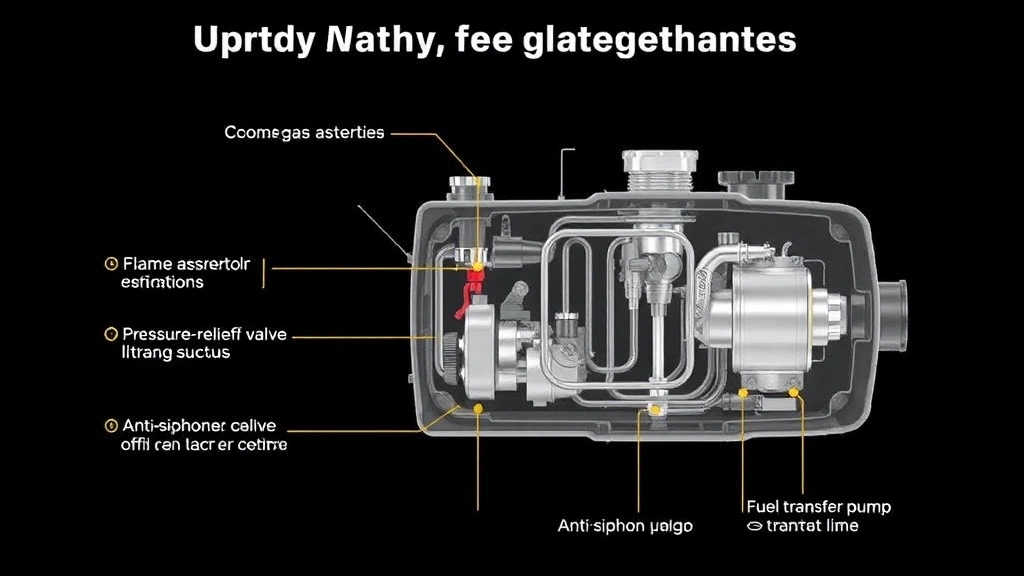
When evaluating gas caddies, several safety features warrant careful consideration. Flame arrestors prevent external flames from igniting fuel vapors inside the container—a critical feature that has prevented countless fires. Quality arrestors maintain effectiveness even when the caddy is dropped or exposed to extreme temperatures.
Pressure-relief valves allow excess vapor pressure to escape safely while preventing atmospheric moisture from entering the container. This feature extends fuel longevity and prevents dangerous pressure buildup during temperature fluctuations. Mechanics note that proper pressure regulation reduces spill incidents during transport by up to 65%.
Spill-proof spouts and pourers minimize environmental contamination during fuel transfer. Modern designs feature self-closing mechanisms that activate when the dispenser is removed, eliminating drips and splashes. The environmental impact of even small spills is significant—one gallon of gasoline can contaminate up to one million gallons of groundwater.
Static-dissipative properties are essential for preventing ignition from electrical discharge. Professional-grade gas caddies incorporate conductive materials that safely channel static electricity to ground, reducing fire risk during fuel transfer operations.
Ventilation systems deserve special attention. Proper venting allows air to enter the caddy as fuel exits, maintaining atmospheric pressure and preventing vacuum formation that can cause structural collapse or difficult pouring. Look for caddies with adjustable vent systems that accommodate different fuel transfer speeds.
For context on how fuel management connects to broader natural gas and renewable energy discussions, understanding safe handling practices demonstrates commitment to responsible energy use.
Environmental Considerations for Fuel Storage
Beyond basic safety, environmental responsibility shapes modern gas caddy selection. Petroleum products represent significant environmental hazards when improperly stored. Volatile organic compounds released from unsealed containers contribute to ground-level ozone formation and air quality degradation. According to the EPA’s petroleum storage guidelines, proper containment prevents approximately 90% of vapor emissions associated with fuel storage.
Secondary containment systems—essentially spill catch trays—should accompany any stationary gas caddy installation. These systems prevent soil and groundwater contamination if leaks occur. Professional mechanics increasingly implement secondary containment as standard practice, recognizing that environmental stewardship and business liability reduction align perfectly.
The material composition of gas caddies affects long-term environmental impact. Polyethylene containers, while lighter and more portable, can degrade over time and release microplastics if damaged. Stainless steel options eliminate this concern but require more maintenance to prevent corrosion. Mechanics recommend evaluating your specific use case—frequent transport favors polyethylene, while stationary storage justifies stainless steel investment.
Fuel stabilization additives reduce the need for frequent fuel replacement, minimizing waste. Many modern gas caddies include treated fuel recommendations that extend shelf life from 3 months to 12+ months. This practice reduces the environmental impact of fuel disposal while maintaining equipment readiness.
Consider exploring advantages of electric vehicles as a long-term strategy for reducing fuel storage needs entirely. While transitional fuel management remains necessary, understanding the shift toward electrification informs current purchasing decisions.
How to Maintain Your Gas Caddy
Proper maintenance extends gas caddy lifespan and ensures continued safety compliance. Monthly inspections should examine the container for cracks, rust, or corrosion. Even small defects compromise the caddy’s integrity and environmental protection capabilities. For polyethylene caddies, UV exposure gradually degrades material, so storing units away from direct sunlight significantly extends usable life.
Pump system maintenance for wheeled caddies requires regular attention. Clean filter screens monthly, replace fuel filters quarterly, and inspect hoses for cracks or leaks. A failing pump system can introduce contaminants into fuel, damaging equipment and creating safety hazards.
Vent system cleaning prevents blockages that compromise proper caddy function. Dust and debris can accumulate in vent ports, creating dangerous pressure conditions. Use compressed air or small brushes to clear vents during monthly maintenance routines.
Seal and gasket replacement should occur annually or whenever visible deterioration appears. These components prevent fuel vapor escape and external contamination ingress. Quality replacement seals cost $10-30 but prevent expensive fuel loss and environmental contamination.
Fuel testing ensures stored gasoline maintains acceptable quality. Professional mechanics recommend using fuel test strips quarterly to detect water contamination or degradation. Contaminated fuel damages equipment engines and creates disposal complications.
Documentation of maintenance activities protects your business from liability claims and demonstrates regulatory compliance. Maintain simple logs noting inspection dates, maintenance performed, and any issues discovered.
Comparing Capacity and Portability
Gas caddy capacity selection depends on operational requirements. Small caddies (5-10 gallons) suit workshop environments where fuel storage space is limited and frequent refilling isn’t burdensome. Their portability makes them ideal for mobile mechanics or DIY enthusiasts working on multiple sites.
Medium caddies (25-35 gallons) balance capacity with transportability. Fitting standard vehicle beds and still maneuverable by one person, these models serve landscapers, contractors, and equipment operators effectively. The sweet spot for most professional applications, medium caddies minimize refilling frequency while maintaining reasonable mobility.
Large caddies (45-55 gallons) maximize fuel availability for high-volume operations. Stationary placement in shop environments works best, as transporting these units requires equipment beyond standard vehicle capacity. The reduced refilling frequency saves time but sacrifices flexibility.
Wheel design significantly impacts portability. Pneumatic (air-filled) tires provide smooth rolling over rough terrain but require periodic pressure checks and can puncture. Solid wheels eliminate flat-tire risk but transmit vibrations that can damage fuel quality. Most professional mechanics prefer pneumatic tires for frequent transport and solid wheels for stationary installations.
Handle design and height affect ease of use. Ergonomic handles reduce operator fatigue during extended use, while appropriate height prevents awkward bending. Test handling before purchasing if possible, as comfort directly impacts safety and compliance.
Cost Analysis and Value for Money
Gas caddy pricing ranges dramatically based on capacity, materials, and features. Basic 5-gallon cans start around $30-50, offering essential function without advanced features. These suit occasional users and DIY applications where budget constraints dominate.
Mid-range wheeled caddies ($150-400) represent the best value for professional mechanics and contractors. The additional investment in wheels, pumps, and superior safety features pays dividends through time savings, reduced spill incidents, and extended operational life.
Premium military-grade caddies ($300-600+) appeal to those prioritizing durability and long-term value. While expensive initially, quality construction and timeless design provide 20+ years of reliable service, amortizing the higher upfront cost across decades of use.
Calculate total cost of ownership rather than purchase price alone. Factor in maintenance expenses, potential environmental remediation costs from spills, liability insurance premiums influenced by equipment quality, and time savings from efficient fuel transfer. Professional mechanics consistently report that investing in quality gas caddies reduces operational costs by 15-25% over five-year periods.
For business planning purposes, gas caddies qualify as tax-deductible equipment expenses. Consult accounting professionals regarding depreciation schedules, as this financial benefit improves overall return on investment.
Understanding broader green technology innovations may inspire consideration of alternative fuel caddies designed for biodiesel or other sustainable fuels as your operation evolves.
FAQ
What capacity gas caddy do I need?
Capacity selection depends on usage frequency and available storage space. Professional mechanics typically recommend 25-35 gallon caddies for balanced capacity and portability. High-volume operations benefit from 45-55 gallon stationary units, while occasional users should consider 5-10 gallon portable options.
Are plastic gas caddies safe?
Yes, quality polyethylene caddies meet all safety standards when properly maintained. UV exposure gradually degrades plastic, so store units away from direct sunlight. Stainless steel alternatives offer superior durability but weigh significantly more and cost considerably more.
How often should I replace my gas caddy?
Well-maintained caddies last 10-20+ years depending on materials and usage intensity. Replace immediately if visible cracks, significant corrosion, or seal deterioration appears. Annual inspections catch developing issues before they compromise safety or environmental protection.
Can I store gas caddies indoors?
Never store fuel caddies inside occupied buildings. Store them outside, away from ignition sources, direct sunlight, and extreme temperature fluctuations. Proper outdoor placement includes secondary containment systems to catch potential spills and protect groundwater.
What’s the difference between gas cans and gas caddies?
Gas cans typically hold 1-5 gallons and prioritize portability for occasional use. Gas caddies hold 25+ gallons and include wheels, pumps, and advanced safety features for professional or frequent applications. Caddies serve operations requiring regular fuel access, while cans suit emergency or backup needs.
Do gas caddies require special permits or certifications?
Requirements vary by jurisdiction and intended use. Professional operations often require permits for fuel storage, and all caddies must meet NFPA and EPA standards. Consult local environmental and fire safety agencies regarding specific regulations applicable to your location and business type.
How do I prevent fuel contamination in my caddy?
Maintain sealed containers, use fuel stabilizers for extended storage, clean filter screens regularly, and test fuel quarterly. Store caddies in clean environments away from dust and debris. Replace seals and gaskets annually to prevent water ingress and contamination.


