Go Kart Fuel Efficiency: Expert Insights
Gas go-karts remain a beloved recreational choice for racing enthusiasts and casual drivers alike, combining thrilling performance with accessible entertainment. However, the environmental and economic implications of fuel consumption in recreational vehicles deserve serious attention. Understanding how to optimize gas go-kart fuel efficiency not only reduces operational costs but also minimizes your carbon footprint and contributes to more sustainable recreational practices.
The intersection of performance and environmental responsibility is increasingly important in all motorized activities. Whether you’re operating a go-kart at a commercial track facility or maintaining a personal racing vehicle, fuel efficiency directly impacts both your wallet and the planet. This comprehensive guide explores expert strategies for maximizing fuel economy in gas go-karts, examining engine optimization, maintenance protocols, driving techniques, and the broader sustainability considerations that make efficient go-karting a responsible choice.
Understanding Gas Go-Kart Engine Efficiency
Gas go-kart engines operate on fundamental combustion principles that determine how effectively fuel converts into mechanical power. Modern go-kart engines, typically ranging from 50cc to 390cc displacement, achieve varying efficiency levels based on their design, tuning, and operational parameters. The efficiency of an engine is measured by how much useful work it extracts from each unit of fuel consumed, with losses occurring through heat dissipation, friction, and incomplete combustion.
Four-stroke engines, increasingly common in recreational go-karting, generally demonstrate superior fuel efficiency compared to their two-stroke counterparts. Four-stroke engines complete a combustion cycle in four piston strokes, allowing for more complete fuel burn and reduced emissions. Two-stroke engines, while lighter and more powerful per cubic centimeter, require fuel mixed with oil and lose efficiency through port timing and exhaust scavenging. Understanding your specific engine type is the first step toward implementing targeted efficiency improvements.
Engine displacement directly correlates with fuel consumption rates. A 100cc engine will naturally consume less fuel than a 390cc engine under similar operating conditions, though smaller engines may sacrifice performance. The compression ratio—the relationship between the cylinder’s volume at maximum and minimum piston travel—significantly influences efficiency. Higher compression ratios extract more energy from fuel but require higher-octane gasoline to prevent engine knock, a destructive phenomenon where fuel ignites prematurely.
Carburetor tuning and fuel-air mixture optimization represent critical efficiency factors. The ideal air-fuel mixture for combustion is approximately 14.7:1 by mass, though racing applications may run richer mixtures for maximum power. A lean mixture improves fuel economy but risks engine damage through overheating. Working with experienced technicians to establish the optimal fuel mixture for your specific engine and intended use ensures both efficiency and reliability.
Fuel Type Selection and Quality Standards
The quality and type of fuel you select directly impacts your gas go-kart’s efficiency, performance, and longevity. Premium gasoline, with octane ratings of 91-93, provides better combustion characteristics than regular 87-octane fuel, particularly in high-compression engines. While premium fuel costs more per gallon, the improved efficiency and reduced engine knock often justify the investment for serious go-kart enthusiasts. Understanding fuel advantages helps inform smarter purchasing decisions.
Fuel additives play an underappreciated role in maintaining engine cleanliness and efficiency. Top-tier gasoline brands include detergents that clean fuel injectors and intake valves, preventing carbon buildup that reduces efficiency over time. These deposits act as insulation, reducing heat transfer efficiency and promoting incomplete combustion. Using fuel with quality additives maintains optimal combustion chamber conditions and preserves fuel economy throughout your go-kart’s operational life.
Ethanol content in gasoline deserves careful consideration for go-kart applications. Most gasoline in North America contains 10% ethanol (E10), which offers environmental benefits but can reduce fuel economy by 3-5% compared to pure gasoline. Ethanol’s lower energy content means more volume is needed to produce equivalent power. For serious efficiency optimization, seeking out pure gasoline (where legally available) or E0 fuel can provide measurable improvements. However, consider the broader sustainability principles when evaluating ethanol’s environmental trade-offs.
Fuel storage practices significantly influence quality and efficiency. Gasoline degrades over time, with ethanol-blended fuel degrading faster than pure gasoline. Stale fuel develops gum and varnish deposits that clog fuel systems and reduce combustion efficiency. For go-karts used seasonally, adding fuel stabilizers preserves fuel quality during storage periods. Using fresh fuel, stored in sealed containers away from direct sunlight, ensures consistent engine performance and optimal fuel economy.
Maintenance Practices for Optimal Performance
Regular maintenance forms the foundation of sustained fuel efficiency in gas go-karts. A neglected engine loses efficiency gradually, as multiple systems degrade simultaneously. Implementing a comprehensive maintenance schedule prevents efficiency losses and extends your go-kart’s operational lifespan while reducing environmental impact.
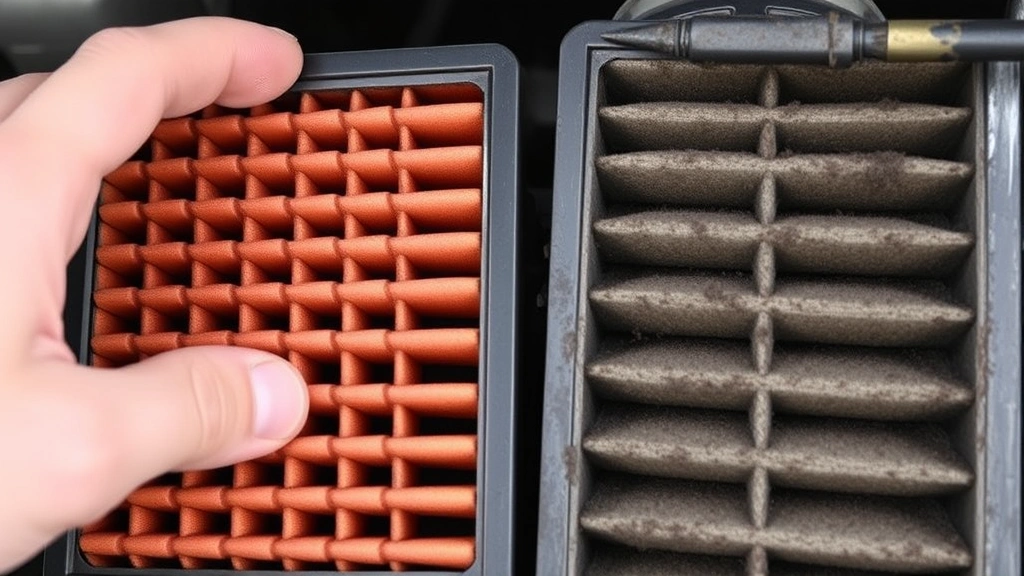
Air filter maintenance deserves primary attention, as a clogged filter forces engines to run rich (excessive fuel relative to air) to maintain performance. Dirty air filters increase fuel consumption by 5-10% while reducing power output. Inspect air filters before each operating session and replace them according to manufacturer specifications or whenever they appear visibly soiled. Clean air filters ensure proper air-fuel mixture ratios and optimal combustion efficiency.
Spark plug condition directly influences combustion efficiency and fuel economy. Worn spark plugs create larger electrode gaps, requiring higher voltages to ignite fuel and potentially causing misfires. Misfires waste fuel while producing excess emissions. Replace spark plugs at recommended intervals (typically annually or after 50-100 operating hours) and ensure proper gap specifications. Using quality spark plugs designed for your specific engine ensures reliable ignition and efficient combustion.
Oil quality and viscosity affect engine friction and overall efficiency. Fresh, clean oil reduces internal friction, allowing engines to operate with less resistance and improved fuel economy. Dirty oil thickens and increases drag on moving components, reducing efficiency by 2-5%. Change oil according to manufacturer recommendations, typically every 20-50 operating hours depending on engine type and usage intensity. Using the correct oil viscosity grade ensures optimal lubrication without excessive drag.
Tire pressure and condition significantly impact go-kart efficiency through rolling resistance. Underinflated tires create excessive deformation, increasing friction and fuel consumption. Maintain tire pressure at manufacturer specifications and check pressure regularly, as tires lose air gradually over time. Worn tires with reduced tread depth increase rolling resistance and reduce traction, forcing engines to work harder. Replacing worn tires improves both efficiency and safety.
Fuel system maintenance prevents efficiency losses through contamination and component degradation. Fuel filters trap sediment and water that would otherwise damage injectors and reduce combustion quality. Replace fuel filters annually or when fuel flow decreases noticeably. Clean fuel injectors periodically using quality fuel system cleaners to remove deposits that restrict fuel spray patterns and reduce combustion efficiency. A properly functioning fuel system ensures optimal fuel delivery and atomization for complete combustion.
Driving Techniques That Reduce Consumption
Operator skill and driving technique fundamentally influence fuel consumption in gas go-karts. Two drivers operating identical karts under similar conditions will achieve significantly different fuel economy based on throttle control, braking practices, and line selection. Developing efficient driving habits reduces fuel consumption while often improving lap times and safety.
Smooth throttle application improves fuel economy by maintaining steady engine loads and avoiding fuel enrichment from sudden acceleration. Abrupt throttle openings cause engines to briefly run rich, wasting fuel to ensure adequate power delivery. Gradual throttle progression allows fuel systems to maintain optimal mixture ratios. This smooth technique also reduces mechanical stress on engines, extending component lifespan and maintaining efficiency throughout the season.
Anticipatory braking and coasting preserve fuel by reducing unnecessary acceleration. Rather than accelerating into turns and braking hard, efficient drivers brake early and coast through corner apexes, then accelerate smoothly onto straights. This technique reduces fuel consumption while improving tire longevity and overall consistency. Planning ahead minimizes energy-wasting acceleration-deceleration cycles.
Optimal line selection through corners reduces total distance traveled and required acceleration. Taking smooth, flowing lines through corners and chicanes minimizes speed loss and subsequent acceleration demands. Efficient drivers analyze track layouts and practice lines that balance speed with fuel economy, recognizing that the fastest lap isn’t always the most efficient one.
Engine braking—using engine resistance to slow the kart rather than relying entirely on mechanical brakes—preserves fuel while reducing brake wear. Downshifting or reducing throttle input allows engine compression to slow the kart naturally. This technique requires practice but significantly improves efficiency on technical courses with frequent direction changes. Skilled operators blend engine braking with light brake application for optimal results.
Aerodynamics and Weight Optimization
Physical characteristics of your go-kart directly influence fuel consumption through aerodynamic drag and rolling resistance. Optimizing weight and aerodynamic design reduces fuel demands while improving performance and handling characteristics.
Aerodynamic drag increases exponentially with speed, so even modest improvements in aerodynamic efficiency provide substantial fuel savings at racing speeds. Fairings and bodywork reduce drag coefficients, improving fuel economy while enhancing cooling airflow around engines. Smooth surfaces without protrusions minimize turbulence and separated flow. Even small details—like streamlined mirrors, smooth transitions between components, and properly fitted panels—contribute to overall aerodynamic efficiency. Reducing your environmental footprint includes optimizing recreational equipment design.
Weight reduction improves acceleration efficiency and reduces rolling resistance. Lighter go-karts require less engine power to achieve equivalent speeds, directly improving fuel economy. However, weight reduction must be balanced against structural integrity and safety requirements. Strategic material choices—using lightweight aluminum instead of steel where appropriate—provide weight savings without compromising strength. Removing unnecessary equipment and accessories reduces mass without sacrificing functionality.
Suspension setup influences fuel consumption through rolling resistance and aerodynamic effects. Properly adjusted suspensions maintain consistent ride height, optimizing aerodynamic characteristics and minimizing tire deformation. Worn suspension components allow excessive chassis movement, increasing drag and rolling resistance. Regular suspension inspection and maintenance preserve efficiency while improving handling and safety.
Monitoring and Measuring Efficiency
Quantifying fuel efficiency enables data-driven optimization and performance tracking. Establishing baseline measurements and monitoring changes reveals which modifications and techniques deliver meaningful improvements.
Fuel consumption calculations require accurate measurement of fuel used over known distances or time periods. For track-based go-karts, measure total fuel consumed per lap or per session duration. For recreational driving, track fuel consumption per mile by recording odometer readings and fuel quantities. Calculate efficiency metrics (miles per gallon or liters per 100 kilometers) and monitor changes as you implement improvements. Consistent measurement methodology enables valid comparisons across different conditions and seasons.
Engine diagnostics tools provide valuable efficiency insights. Exhaust gas analyzers measure oxygen content, carbon monoxide, and hydrocarbon levels, revealing combustion efficiency. Lean mixtures show high oxygen levels while rich mixtures show elevated carbon monoxide. Data logging systems record engine parameters during operation, allowing analysis of fuel consumption patterns and optimization opportunities. Working with experienced technicians who understand go-kart engine dynamics helps interpret diagnostic data and implement targeted improvements.
Comparative testing isolates the effects of individual modifications. Test one change at a time while maintaining consistent driving techniques and environmental conditions. This controlled approach reveals which modifications deliver genuine efficiency gains rather than providing false confidence from uncontrolled variables. Document all tests systematically to build a knowledge base specific to your go-kart configuration.
Comparing Gas to Alternative Fuel Options
While this guide focuses on gas go-kart efficiency, understanding alternative fuel options provides important context for sustainability-conscious racers. Electric vehicle advantages extend beyond road vehicles to recreational equipment including go-karts.
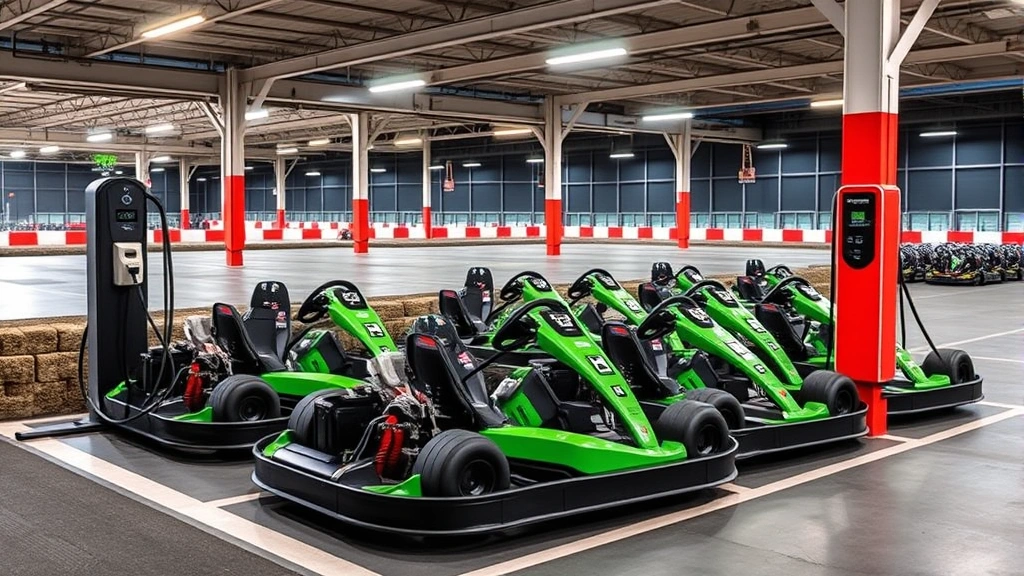
Electric go-karts eliminate fuel consumption entirely, converting electrical energy to motion with 85-90% efficiency compared to 20-30% for internal combustion engines. They produce zero direct emissions and generate no noise pollution, making them ideal for facilities in populated areas. Charging costs typically represent 25-40% of equivalent gasoline expenses. However, electric go-karts require infrastructure investment in charging systems and battery replacement eventually adds costs.
Hybrid go-kart systems combine small gasoline engines with electric motors and batteries, optimizing efficiency across varying operating conditions. Electric motors provide instant torque for acceleration while engines operate at efficient cruising speeds. Regenerative braking captures energy during deceleration, recharging batteries and reducing overall fuel consumption. Hybrid systems represent a transitional technology balancing performance, efficiency, and sustainability.
Propane and natural gas alternatives offer lower emissions than gasoline while maintaining similar performance characteristics. These fuels burn cleaner with reduced particulate matter and harmful emissions. However, they provide slightly lower energy density than gasoline, requiring larger fuel volumes for equivalent range. Exploring sustainable energy solutions reveals emerging options for recreational vehicles.
The sustainability assessment of fuel types extends beyond direct combustion efficiency. Consider the complete lifecycle: fuel production, transportation, refining, distribution, combustion, and emissions. Electric vehicles powered by renewable electricity offer the lowest lifecycle environmental impact. Gasoline and propane represent intermediate options with established infrastructure. Making informed choices about fuel types aligns recreational activities with broader sustainability energy goals.
For facilities and serious enthusiasts, transitioning toward electric go-karts represents the most significant efficiency and sustainability improvement available. Many commercial racing facilities now operate primarily electric fleets, demonstrating that high-performance racing and environmental responsibility aren’t mutually exclusive. As battery technology improves and costs decline, electric go-karts will increasingly dominate recreational racing.
FAQ
What octane rating should I use in my gas go-kart?
Use the octane rating specified in your engine’s manual. Most go-kart engines perform well with 87-octane regular gasoline, though high-compression engines benefit from 91-93 octane premium fuel. Higher octane prevents engine knock and improves combustion efficiency, justifying the additional cost for many enthusiasts.
How often should I replace my air filter?
Inspect air filters before each operating session and replace them when visibly soiled or according to manufacturer recommendations. Most go-kart air filters need replacement every 20-50 operating hours. Dirty filters significantly reduce fuel efficiency, so regular replacement is a worthwhile investment.
Can I improve fuel economy by adjusting carburetor settings?
Yes, carburetor tuning directly impacts fuel economy. However, improper adjustments risk engine damage through overheating or insufficient fuel delivery. Work with experienced technicians familiar with your specific engine to establish optimal fuel-air mixture ratios. Professional tuning balances efficiency with performance and reliability.
Do tire pressure and condition affect fuel consumption?
Absolutely. Underinflated tires increase rolling resistance, requiring more engine power and fuel. Maintain tire pressure at manufacturer specifications and replace worn tires regularly. Proper tire maintenance improves both efficiency and safety.
Is electric go-karting more efficient than gasoline?
Electric go-karts operate at 85-90% efficiency compared to 20-30% for gasoline engines, making them substantially more efficient. They produce zero direct emissions and typically cost less to operate. As battery technology improves, electric go-karts represent the future of efficient recreational racing.
What maintenance is most important for fuel efficiency?
Air filter replacement, spark plug maintenance, oil changes, and fuel system cleaning provide the greatest efficiency improvements. These basic maintenance tasks prevent efficiency degradation and should form the foundation of any maintenance program.
How does driving technique affect fuel consumption?
Smooth throttle application, anticipatory braking, and efficient line selection significantly reduce fuel consumption. Avoiding sudden acceleration and unnecessary braking preserves fuel while improving overall consistency. Developing efficient driving habits yields immediate and measurable efficiency improvements.


