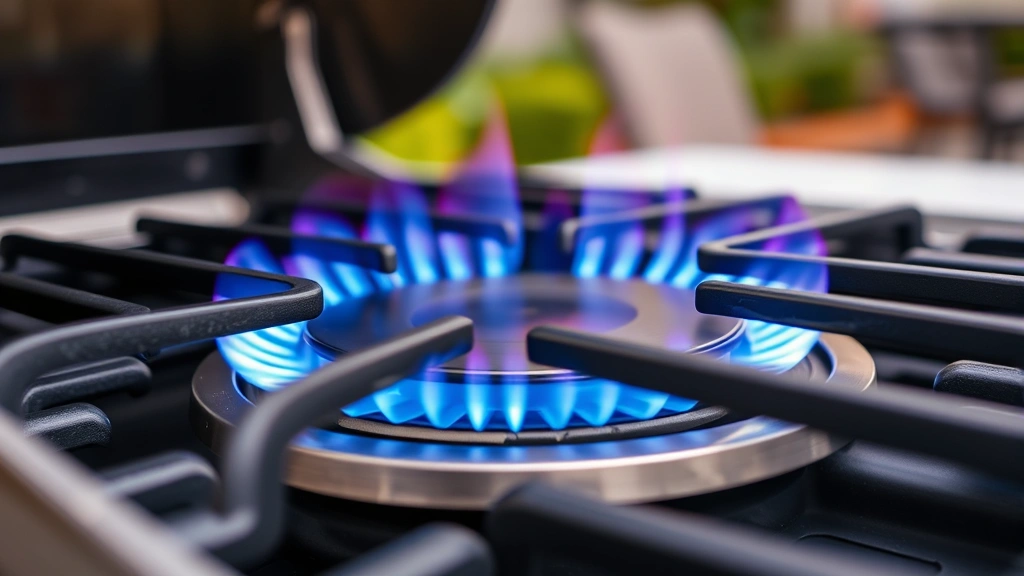
Is Gas Grill Sustainable? Chef Insights on Eco-Friendly Outdoor Cooking
The debate surrounding gas grills and environmental sustainability has intensified as consumers become increasingly conscious of their carbon footprint. While gas grills have long been a staple of outdoor cooking, their impact on climate change and resource depletion raises important questions for eco-minded homeowners and professional chefs alike. This comprehensive guide explores the sustainability of gas grills, examines the science behind their environmental impact, and provides actionable insights from culinary experts who navigate this complex landscape.
Understanding whether a gas grill aligns with sustainable living requires examining multiple factors: energy efficiency, emissions profiles, resource extraction, manufacturing processes, and viable alternatives. The answer isn’t straightforward, but with informed decision-making and proper maintenance practices, you can minimize your grilling impact while still enjoying delicious outdoor meals.
Environmental Impact of Gas Grills
Gas grills represent a complex sustainability scenario that demands careful analysis. Unlike charcoal or wood-burning alternatives, gas grills offer convenience and efficiency, but their environmental credentials depend heavily on the source of the gas and how responsibly it’s extracted, transported, and used. Natural gas production involves hydraulic fracturing (fracking) in many regions, a process that raises concerns about groundwater contamination, methane leakage, and habitat disruption.
The manufacturing process of gas grills also contributes to their overall environmental footprint. Steel production is energy-intensive, and the transportation of finished grills from factory to retailer generates additional emissions. However, when amortized across the lifespan of a quality gas grill—often 15-20 years—the per-year manufacturing impact becomes more manageable. This is why investing in durable, well-constructed equipment represents a more sustainable choice than frequently replacing cheaper alternatives.
One often-overlooked aspect is methane leakage during natural gas extraction and distribution. Methane is approximately 28-36 times more potent than carbon dioxide over a 100-year period, making even small leaks significant from a climate perspective. Learn more about sustainable energy solutions to understand how different fuel sources compare in terms of overall climate impact.
The infrastructure required to deliver natural gas to homes also represents a substantial environmental investment. Pipelines, compressor stations, and distribution networks require significant resources to build and maintain, though they benefit from serving multiple customers simultaneously, which improves their efficiency compared to individual propane delivery systems.
Emissions and Carbon Footprint Analysis
When evaluating the sustainability of gas grills, quantifying their emissions becomes essential. Natural gas combustion produces approximately 50% fewer greenhouse gases than charcoal when burned completely. However, this advantage can be negated if methane escapes during extraction or distribution—a concern that has prompted increased regulatory scrutiny across North America.
The average gas grill produces roughly 10-15 pounds of carbon dioxide per cooking season (assuming 40-50 uses annually). While this may seem modest compared to other household activities, it accumulates across millions of households. For context, natural gas advantages include cleaner combustion compared to fossil fuels like coal and oil, yet they remain carbon-intensive when considered within climate science frameworks.
Propane grills, by contrast, produce slightly higher emissions per unit of energy than natural gas, though the difference is marginal (roughly 5-10% higher). The real distinction emerges when examining the supply chain: propane often travels shorter distances and involves less complex distribution infrastructure, potentially offsetting some emissions advantages of natural gas.
Research from the Environmental Protection Agency indicates that cooking accounts for approximately 5-6% of residential energy consumption. While grilling represents only a portion of cooking activities, optimizing this area contributes meaningfully to household emissions reduction goals.
To contextualize these emissions, consider that a single cross-country flight generates roughly 1,600-2,000 pounds of CO2 per passenger. A season of gas grilling produces only 10-15 pounds, making it a relatively minor contributor to individual carbon footprints when compared to transportation choices.
Natural Gas vs. Propane Grills
The choice between natural gas and propane grills involves distinct sustainability considerations. Natural gas, delivered through underground pipelines to homes, eliminates the need for individual tank storage and refilling. This centralized distribution system offers efficiency advantages and reduces the transportation emissions associated with propane delivery trucks.
Propane grills, conversely, require periodic tank exchanges or refills from local retailers. Each delivery involves vehicle transportation, which generates emissions. However, propane is more energy-dense than natural gas, meaning you require less volume to achieve equivalent cooking performance. This higher energy density can offset some transportation disadvantages, particularly for households that use their grills infrequently.
Natural gas production in North America has expanded dramatically due to shale gas extraction techniques. While this increases availability and reduces import dependency, it raises environmental concerns about extraction practices. Propane, often produced as a byproduct of oil and natural gas refining, presents a different sustainability profile—it utilizes resources that would otherwise be processed anyway, though this doesn’t eliminate its carbon footprint.
For renters or those without natural gas infrastructure, propane grills may represent the only practical option. In such cases, optimizing usage patterns and maintaining equipment properly becomes especially important for minimizing environmental impact.
Chef Perspectives on Sustainable Grilling
Professional chefs increasingly consider sustainability when selecting cooking equipment and advising clients. Many culinary experts acknowledge that while gas grills aren’t perfectly sustainable, their efficiency and reliability make them practical choices for high-volume cooking operations. Chefs recognize that food waste and sourcing practices often have greater environmental impact than fuel selection.
Celebrity chef and sustainability advocate Tom Colicchio has emphasized that the most sustainable meal is one that minimizes overall waste, from ingredient sourcing through preparation and consumption. In this context, gas grills—which operate efficiently and reliably—facilitate better cooking outcomes and reduced food waste compared to less predictable alternatives.
Renowned sustainable food consultant Alice Waters advocates for understanding the complete lifecycle of cooking equipment and fuel sources. She notes that durability and longevity matter more than selecting the theoretically “cleanest” option if that choice results in frequent replacement cycles. A well-maintained gas grill used for 20 years represents a more sustainable investment than multiple cheaper alternatives replaced every 3-5 years.
Contemporary chefs also highlight that cooking method efficiency affects ingredient sourcing sustainability. Gas grills enable precise temperature control, which reduces cooking time and energy consumption compared to charcoal or wood, indirectly supporting reducing your environmental footprint through improved cooking efficiency.
Many professional kitchens now implement hybrid approaches, using gas for primary cooking and reserving charcoal or wood for specialty preparations that genuinely benefit from those fuels’ unique properties. This balanced methodology maximizes both culinary quality and environmental responsibility.
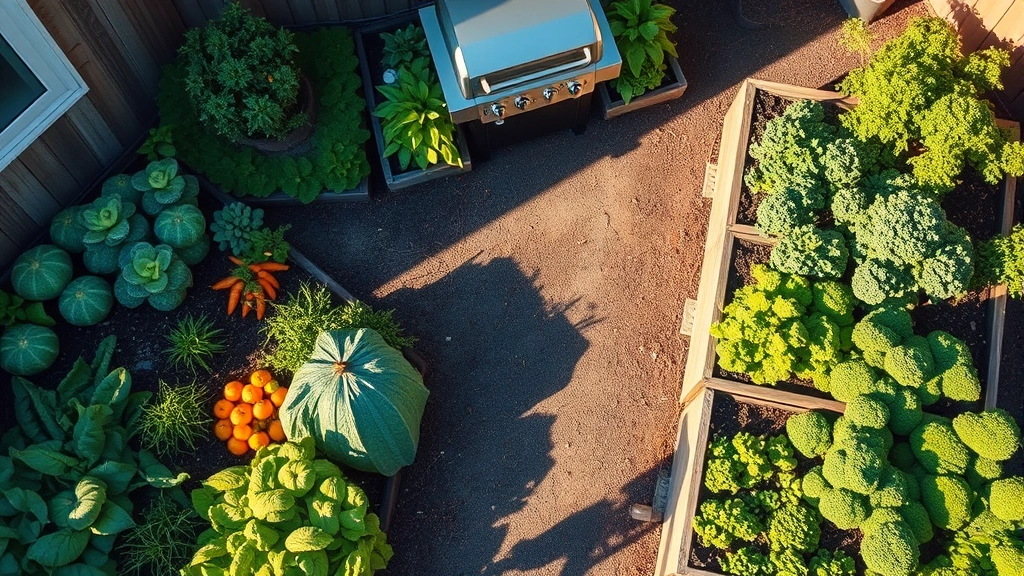
Comparing Grill Types for Eco-Conscious Cooks
To properly evaluate gas grill sustainability, comparing them with viable alternatives provides essential context. Charcoal grills produce substantially more emissions than gas alternatives—studies indicate roughly 3-4 times higher carbon output when accounting for charcoal production and transportation. Charcoal manufacturing is particularly energy-intensive, involving controlled burning of wood in low-oxygen environments.
Wood-burning grills and smokers present even higher emissions profiles, though they offer unique culinary properties that many chefs value. If you choose wood-burning equipment, sourcing sustainably harvested wood from certified forestry operations becomes critical. Hardwoods from replanted forests represent more responsible choices than tropical hardwoods or unsustainably harvested timber.
Electric grills powered by renewable energy represent the most sustainable option, assuming your electricity comes from wind, solar, or hydroelectric sources. However, electric grills typically can’t achieve the high temperatures necessary for optimal searing and flavor development, making them unsuitable for many cooking applications. As electric vehicle advantages demonstrate, renewable electricity integration remains crucial to making electric cooking truly sustainable.
Pellet grills, which use compressed wood pellets as fuel, occupy a middle ground. They offer convenience approaching gas grills while using renewable biomass. However, pellet quality varies significantly, and some products use wood residues from unsustainable forestry. Sourcing certified pellets from responsible manufacturers is essential for genuine sustainability.
Hybrid grills incorporating multiple fuel options allow cooks to select the most appropriate method for specific preparations. This flexibility enables optimization for both culinary results and environmental impact—using gas for routine cooking and charcoal or wood only when their unique properties significantly enhance the final product.
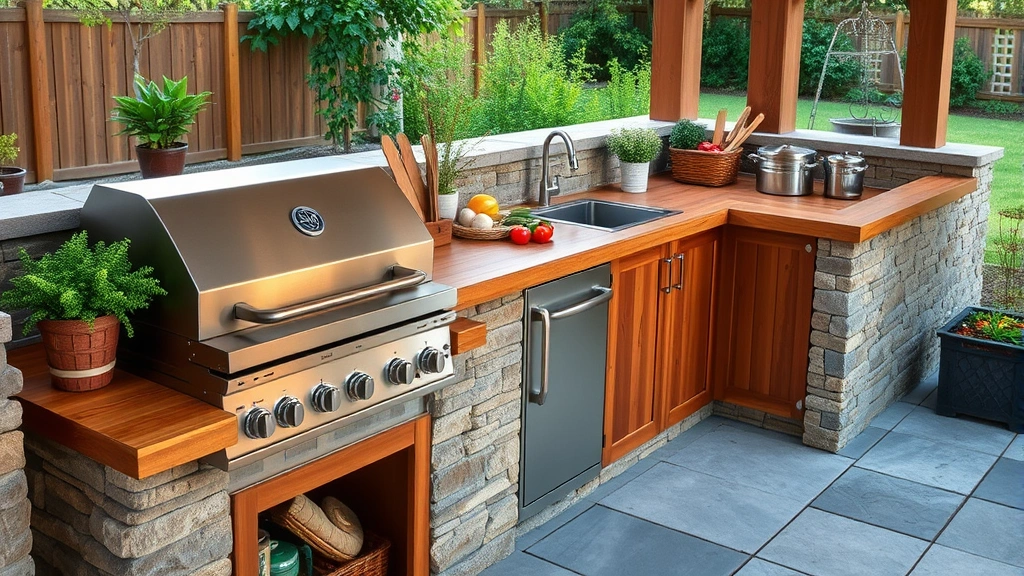
Maximizing Sustainability in Your Grilling Practice
Regardless of grill type, implementing sustainable practices significantly reduces environmental impact. Proper maintenance extends equipment lifespan, reducing manufacturing-related emissions from replacements. Regular cleaning, rust prevention, and component inspection ensure your grill operates efficiently for decades.
Optimizing fuel efficiency deserves particular attention. Using lids while cooking reduces heat loss and cooking time, directly lowering fuel consumption. Preheating for appropriate durations—typically 10-15 minutes—ensures optimal combustion efficiency. Avoiding unnecessary temperature adjustments minimizes fuel waste.
Source consideration matters as much as cooking method. Grilling locally-sourced, seasonal ingredients that require minimal transportation aligns with principles of sustainability more comprehensively than selecting fuel types alone. A sustainably-caught local fish grilled on a gas grill represents a more environmentally responsible meal than imported, factory-farmed proteins grilled on theoretically “cleaner” equipment.
Batch cooking amplifies sustainability benefits. Preparing multiple meals during a single grilling session reduces total fuel consumption compared to multiple smaller cooking events. This practice also aligns with energy-efficient home practices generally.
Leak prevention in propane systems and proper valve maintenance for natural gas connections prevent fuel waste and methane emissions. Annual inspections by qualified technicians identify potential issues before they become problematic.
Consider your grill’s energy source when evaluating broader household sustainability. If your home uses renewable energy, understanding how to integrate this with cooking practices creates synergies. Some communities offer incentives for transitioning to cleaner cooking methods—researching local programs can offset equipment costs.
The Future of Sustainable Outdoor Cooking
Innovation in outdoor cooking technology continues advancing sustainability. Manufacturers increasingly develop high-efficiency burners that optimize combustion and reduce fuel consumption. Some premium models incorporate smart temperature controls that minimize energy waste through precise regulation.
Renewable natural gas (RNG), produced from organic waste decomposition and agricultural byproducts, represents an emerging alternative with significantly lower carbon impact than conventional natural gas. As RNG infrastructure expands, existing gas grill owners may access greener fuel options without equipment changes. The U.S. Department of Energy has identified RNG as a critical component of decarbonization strategies.
Advanced materials research aims to develop more durable grill components using recycled metals and sustainable manufacturing processes. Some companies now produce grills incorporating 30-40% recycled steel, reducing extraction-related environmental impacts.
Solar cooking technologies continue improving, though they remain limited by weather dependency and cooking speed constraints. Hybrid systems combining solar preheating with gas cooking represent a promising middle path for future development.
Climate-conscious consumers increasingly influence manufacturer priorities. Companies responding to demand for sustainable products invest in cleaner production methods, lifecycle analysis, and supply chain transparency. Supporting manufacturers demonstrating genuine environmental commitment incentivizes continued innovation.
The trajectory of outdoor cooking sustainability points toward integrated approaches combining equipment efficiency, renewable fuel adoption, and conscious consumption practices. Gas grills will likely remain popular given their reliability and performance characteristics, but they’ll increasingly operate within broader sustainability frameworks rather than in isolation.
[IMAGE_4]
Frequently Asked Questions
Is gas grilling really sustainable compared to charcoal?
Yes, gas grilling produces approximately 50% fewer emissions than charcoal when comparing equivalent cooking output. However, sustainability depends on multiple factors including natural gas sourcing, methane leakage rates, and overall usage patterns. Both methods have environmental impacts that extend beyond direct combustion.
How can I make my gas grill more sustainable?
Implement these practices: maintain your equipment regularly to extend lifespan, use lids during cooking to reduce fuel consumption, batch-cook multiple meals in single sessions, source ingredients locally, prevent leaks in fuel connections, and consider transitioning to renewable natural gas if available in your area.
What’s the carbon footprint of a typical grilling season?
The average household gas grill produces 10-15 pounds of CO2 per season, assuming 40-50 uses annually. This represents a minor portion of household emissions compared to transportation, heating, and electricity consumption, though optimization remains worthwhile.
Are propane grills more sustainable than natural gas grills?
Natural gas grills generally have slight advantages due to centralized distribution reducing transportation emissions. However, propane’s higher energy density partially offsets this. The difference is marginal, and individual usage patterns matter more than fuel type selection.
What’s the most sustainable alternative to gas grilling?
Electric grills powered by renewable electricity represent the lowest-emission option, though they sacrifice cooking performance and high-temperature searing capability. For most applications, well-maintained gas grills used efficiently represent a practical balance of performance and environmental responsibility.
How long do quality gas grills typically last?
Premium gas grills with proper maintenance often function effectively for 15-20 years. This longevity significantly reduces per-year manufacturing emissions, making durability a key sustainability factor when selecting equipment.


