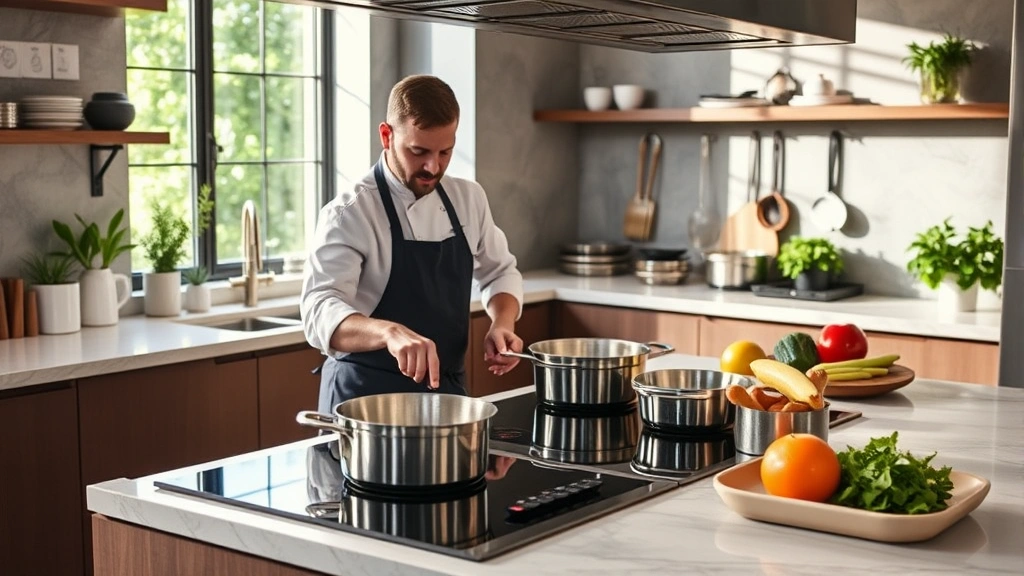
Can Gas Stoves Be Green? Chef Insights on Sustainable Cooking
The kitchen has become a battleground in the sustainability movement, and gas stoves sit at the center of the debate. Professional chefs and environmental advocates find themselves on opposing sides of a crucial question: can gas stoves truly align with our commitment to a healthier planet? While natural gas has long been celebrated for its precise temperature control and cooking performance, mounting evidence about indoor air quality and climate impact is forcing kitchens everywhere to reconsider their cooking methods.
Understanding whether gas stoves can be considered green requires examining the complete picture—from extraction to combustion to indoor air quality effects. This comprehensive guide explores what professional chefs know about gas cooking, the environmental realities behind natural gas, and practical strategies for making your kitchen more sustainable regardless of your stove type.
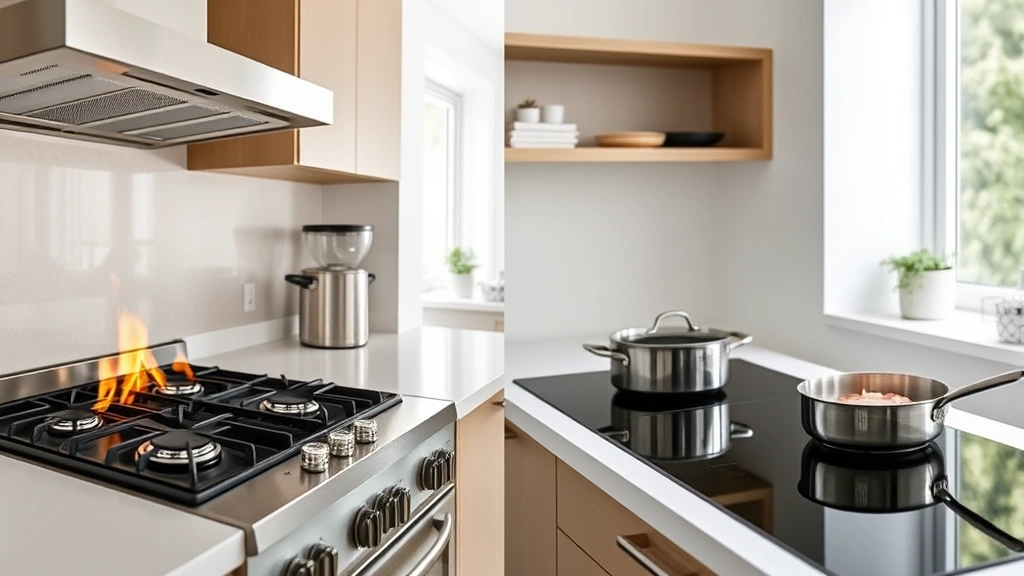
The Environmental Impact of Natural Gas Cooking
Natural gas, despite being marketed as a cleaner fossil fuel alternative, carries significant environmental baggage. When you examine the full lifecycle—from extraction through combustion—the picture becomes considerably less rosy. According to the EPA’s greenhouse gas emissions data, natural gas production and distribution contribute substantially to methane leakage, a potent greenhouse gas approximately 80 times more warming than carbon dioxide over a 20-year period.
The extraction process itself poses environmental challenges. Hydraulic fracturing, commonly used to access natural gas reserves, requires massive quantities of water and can contaminate groundwater supplies. Transportation infrastructure—pipelines spanning thousands of miles—carries inherent risks of leaks and spills. By the time natural gas reaches your kitchen stove, it has already generated a considerable environmental cost before a single meal is prepared.
When gas burns on your stovetop, it produces carbon dioxide and water vapor, but also nitrogen oxides and other pollutants. A typical gas stove burns approximately 20,000 to 40,000 BTUs per hour, consuming energy continuously during cooking. Over a year, a household with frequent gas cooking can generate emissions equivalent to driving a car hundreds of miles. This reality challenges the narrative that gas stoves represent an environmentally friendly cooking choice.
What Professional Chefs Say About Gas Stoves
Despite environmental concerns, professional chefs overwhelmingly prefer gas stoves for legitimate technical reasons. The immediate heat response, precise flame control, and ability to work with various cookware types make gas stoves the standard in professional kitchens worldwide. Chef Thomas Keller, renowned for his meticulous cooking techniques, has consistently advocated for gas stoves as essential tools for culinary excellence.
The flame visibility allows chefs to make instantaneous adjustments—a critical advantage when searing proteins, making sauces, or executing techniques requiring rapid temperature changes. Electric coil stoves lack this responsiveness, and even modern induction cooktops, while improving, don’t provide identical tactile feedback that experienced chefs rely upon. This preference isn’t merely tradition; it’s rooted in practical cooking physics.
However, progressive chefs are beginning to explore how green technology innovations can transform kitchen equipment. Some culinary leaders acknowledge that while gas stoves offer performance advantages, the environmental and health trade-offs demand serious consideration. The conversation is shifting from “gas versus nothing” to “how can we cook sustainably without compromising quality?”
Many chefs now advocate for hybrid approaches: maintaining gas stoves where their advantages are most critical while incorporating induction cooktops for everyday cooking tasks. This pragmatic strategy honors both culinary excellence and environmental responsibility, recognizing that perfect sustainability sometimes requires compromise.
Indoor Air Quality and Health Concerns
Beyond climate impact, gas stoves present direct health risks within your home. Recent research from Stanford University and other institutions has revealed that gas stoves leak methane even when turned off—a discovery that shocked many homeowners. When burning, gas stoves emit nitrogen dioxide (NO2), formaldehyde, and carbon monoxide at levels that would violate outdoor air quality standards if they occurred outside.
A study published in Environmental Health Perspectives found that children in homes with gas stoves have a 42% higher risk of respiratory symptoms compared to those in homes with electric cooking. The pollutants accumulate in your kitchen and, without proper ventilation, distribute throughout your home. Pregnant women exposed to NO2 from gas stoves show increased risks of adverse pregnancy outcomes, according to research from multiple health institutions.
This health dimension transforms the sustainability conversation. True sustainability encompasses not just environmental protection but also human wellbeing. A cooking method that harms your family’s health while burning fossil fuels cannot genuinely be considered sustainable, regardless of performance advantages. The World Health Organization has increasingly recommended against gas stoves in residential settings, prioritizing indoor air quality.
Proper ventilation can mitigate some risks, but most residential kitchens lack adequate range hoods that vent completely outside. Many homeowners use recirculating hoods that filter and return air without removing pollutants, providing false security. Even with ventilation, gas combustion byproducts escape into your home before reaching hood vents.
Electric and Induction Alternatives
Induction cooktops represent the most promising alternative for environmentally conscious cooks seeking performance without combustion. Induction technology uses electromagnetic fields to directly heat cookware, offering precise temperature control rivaling gas stoves. The response time is nearly instantaneous, and the cooking surface itself remains relatively cool, preventing accidental burns and improving kitchen safety.
When powered by renewable electricity, induction cooktops produce zero direct emissions. A home powered by solar panels or connected to a grid with significant renewable energy capacity can achieve genuinely green cooking. Even on a mixed-source electrical grid, induction cooktops typically produce fewer lifecycle emissions than gas stoves because electricity generation efficiency exceeds gas combustion efficiency.
Traditional electric coil stoves, while cleaner than gas, lack the precision and responsiveness that serious cooks demand. However, modern convection electric ovens and smooth-top electric ranges have improved substantially. Some professional kitchen suppliers now offer high-performance electric cooking equipment designed to meet commercial standards, suggesting that the performance gap continues narrowing.
The upfront cost of quality induction cooktops remains higher than gas stoves, presenting a barrier for many households. However, when considering lifecycle costs—including health impacts, environmental remediation, and energy efficiency—induction cooktops become increasingly economical. Many regions now offer sustainable energy solutions and rebates to help households transition to electric cooking.
Making Your Current Gas Stove Greener
If replacing your gas stove isn’t immediately feasible, several strategies can reduce its environmental and health impact. Installing a high-quality range hood with external venting should be your first priority. Unlike recirculating hoods, properly vented hoods remove pollutants from your home entirely. Ensure your hood vents completely outside rather than recirculating filtered air back into your kitchen.
Reducing cooking frequency and duration minimizes gas consumption. Meal planning that groups cooking tasks together—preparing multiple dishes in one cooking session rather than spreading them throughout the week—improves efficiency. Using lids on pots and pans reduces cooking time by up to 30%, conserving energy while improving food quality through better moisture retention.
Selecting appropriately sized cookware for your burners prevents energy waste. Oversized burners heating undersized pots waste significant energy. Flat-bottomed cookware ensures maximum contact with the flame, improving heat transfer efficiency. These simple adjustments, while modest individually, accumulate into meaningful energy reductions over time.
Consider supplementing your gas stove with an induction cooktop. A portable induction unit costs between $50-300 and handles everyday cooking tasks—boiling water, heating soups, simmering sauces—with superior efficiency. This hybrid approach allows you to preserve your gas stove for tasks where its advantages matter most while reducing overall gas consumption. You’re simultaneously reducing your environmental footprint and improving your home’s air quality.
Advocacy matters too. Many households lack gas stoves by choice rather than necessity. Supporting policies that encourage electric cooking in new construction and renovation projects accelerates the transition away from combustion-based cooking. Sharing information about gas stove health impacts with friends and family extends your environmental impact beyond your own kitchen.
The Future of Sustainable Cooking
The cooking equipment industry is experiencing significant innovation driven by environmental and health concerns. Companies like Electrolux, Bosch, and emerging startups are developing advanced induction cooktops with features previously exclusive to gas stoves. Some manufacturers now offer hybrid ranges combining induction cooktops with convection electric ovens, providing performance across multiple cooking methods.
Smart cooking technology is emerging as another sustainability frontier. Connected stoves that optimize energy use, adjust cooking parameters automatically, and provide usage feedback help homeowners identify efficiency opportunities. Some models integrate with renewable energy systems, timing cooking activities to coincide with peak solar generation or wind production.
The International Energy Agency promotes building electrification as a cornerstone of climate strategy. Cooking equipment represents one component of broader household electrification, which includes heating, cooling, and water heating. As electricity grids increasingly incorporate renewable sources, electric cooking becomes progressively greener without requiring any equipment changes.
Professional culinary schools are beginning to teach induction cooking techniques alongside traditional gas methods. A new generation of chefs will grow up comfortable with electric cooking, potentially breaking the cultural preference for gas that has dominated professional kitchens for decades. This generational shift could accelerate mainstream adoption of cleaner cooking technologies.
Some restaurants and catering companies are pioneering all-electric kitchens, proving that professional cooking standards can be maintained without combustion. These pioneers demonstrate that the perceived necessity of gas stoves reflects tradition and comfort rather than absolute technical requirements. Their success paves the way for broader industry transformation.
FAQ
Are gas stoves completely incompatible with sustainability goals?
Gas stoves aren’t inherently incompatible with sustainability, but they present significant challenges. If properly ventilated, supplemented with induction cooking, and powered by renewable energy sources, gas stoves can be part of a broader sustainable lifestyle. However, completely eliminating gas cooking in favor of electric or induction options represents a more straightforward path to genuine sustainability. The question isn’t whether gas stoves can be slightly greener, but whether they’re the optimal choice when superior alternatives exist.
Is induction cooking as good as gas for professional cooking?
Modern induction cooktops have narrowed the performance gap considerably. High-end induction ranges now offer responsiveness and precision approaching gas stoves. Some professional chefs prefer induction for specific applications, particularly sauce work where precise temperature control prevents overcooking. However, many experienced chefs still prefer gas for certain techniques. The best approach acknowledges that different cooking methods excel at different tasks rather than declaring one universally superior.
What’s the carbon footprint difference between gas and induction cooking?
On a mixed-source electrical grid, induction cooking typically produces 30-50% fewer lifecycle emissions than gas cooking when accounting for extraction, processing, transportation, and combustion. On a grid powered significantly by renewables, induction cooking produces negligible emissions. Conversely, on a grid powered primarily by fossil fuels, the advantage diminishes but induction still typically maintains an edge due to superior energy efficiency.
Can I retrofit my gas stove to be more sustainable?
You cannot fundamentally change a gas stove’s environmental impact through retrofitting, but you can reduce it through better ventilation, supplementing with induction cooking, and improving usage efficiency. Installing a high-quality external-venting range hood represents the most impactful retrofit, protecting your family’s health while minimizing pollutant distribution throughout your home.
Are there environmental certifications for cooking equipment?
Yes, several certification systems evaluate cooking equipment sustainability. ENERGY STAR certification indicates superior energy efficiency. Some manufacturers pursue B-Corp certification, demonstrating commitment to broader environmental and social responsibility. However, no universal standard specifically addresses cooking equipment’s complete sustainability profile including health impacts, so research individual products carefully.


