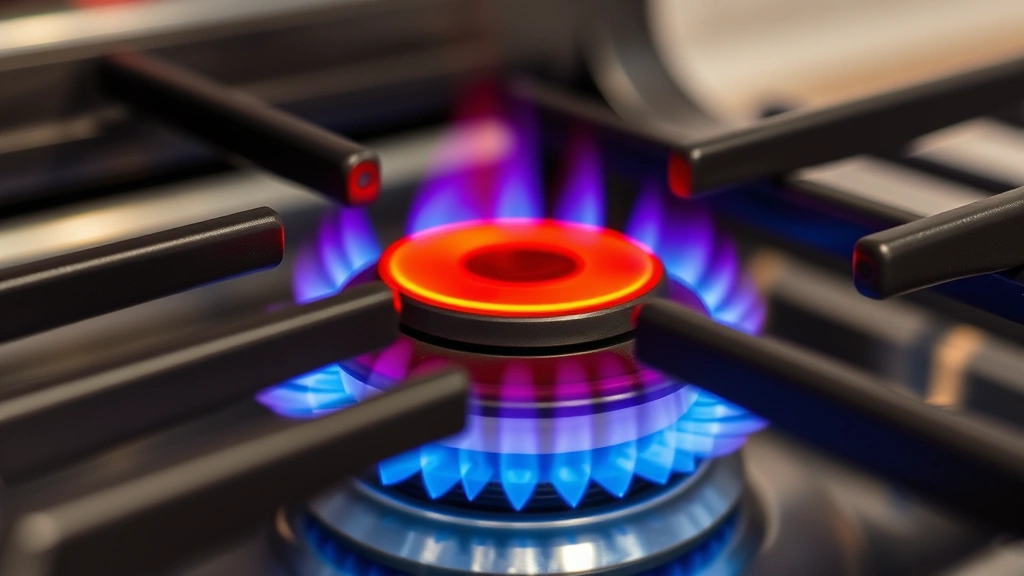
Gas Oven Igniter: Energy Efficiency Tips for Sustainable Cooking
Your kitchen is one of the most energy-intensive rooms in your home, and the gas oven igniter plays a crucial role in how efficiently your appliance operates. Understanding how to maintain and optimize your gas oven igniter can significantly reduce energy consumption, lower your utility bills, and contribute to a more sustainable household. Whether you’re replacing an old igniter or looking to maximize the efficiency of your current system, this comprehensive guide provides actionable strategies to help you cook smarter while minimizing environmental impact.
Gas ovens have been a staple in kitchens for decades, offering precise temperature control and responsive heating. However, the igniter—the component responsible for lighting the burner—is often overlooked when discussing energy efficiency. A faulty or inefficient igniter can waste gas, increase heating times, and reduce your oven’s overall performance. By learning how to properly maintain, troubleshoot, and upgrade your gas oven igniter, you can ensure your cooking appliance operates at peak efficiency while supporting your sustainability goals.
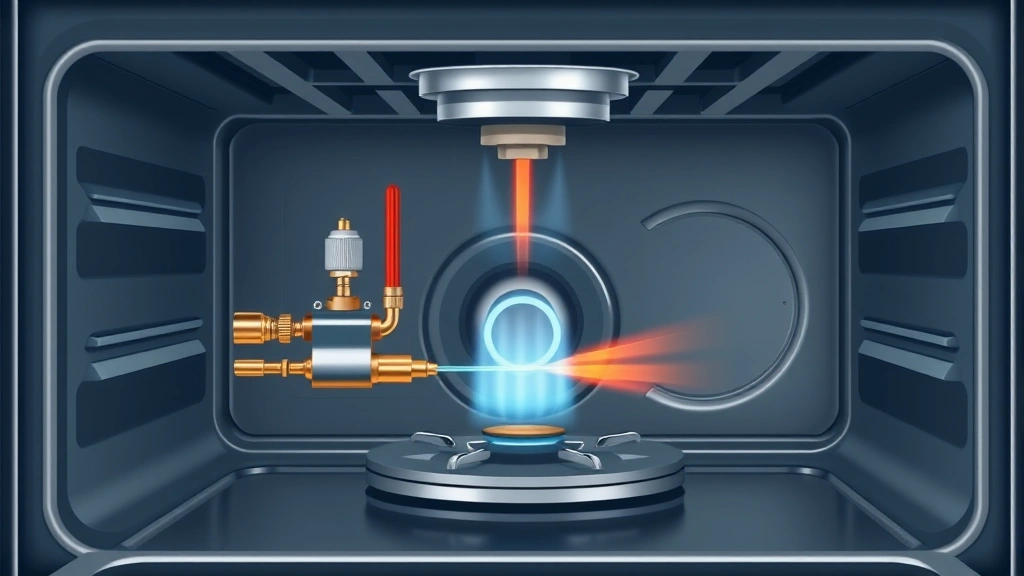
Understanding Your Gas Oven Igniter
A gas oven igniter is an electrical heating element that generates enough heat to ignite the gas flowing into your oven. There are two primary types of igniters commonly found in residential ovens: hot surface igniters and spark igniters. Hot surface igniters, also called glow plugs, heat up to approximately 1,100 degrees Fahrenheit to ignite the gas. Spark igniters, on the other hand, create an electrical spark similar to a lighter to ignite the fuel. Understanding which type your oven uses is essential for proper maintenance and troubleshooting.
Hot surface igniters are the more common type in modern gas ovens and are generally more reliable and energy-efficient. These ceramic or metal elements draw electrical current and glow red-hot within seconds, creating an ideal ignition environment. The efficiency of this system depends on proper electrical connections, adequate gas flow, and the igniter’s ability to maintain consistent temperature. When functioning correctly, hot surface igniters minimize wasted gas and reduce the time needed to preheat your oven, directly impacting your energy consumption and sustainable energy solutions.
Spark igniters work differently by generating a high-voltage spark that ignites the gas. While they can be effective, they sometimes require multiple ignition attempts, which wastes gas and energy. Spark igniters are more commonly found in older oven models or budget-friendly appliances. If your oven uses a spark igniter, understanding its limitations can help you develop better cooking habits and decide whether upgrading to a hot surface igniter system might benefit your home’s energy profile.

Signs Your Igniter Needs Attention
Recognizing when your gas oven igniter is underperforming is critical for maintaining energy efficiency. One of the most obvious signs is difficulty lighting the oven. If you notice the igniter glowing but the gas isn’t igniting, or if it takes multiple attempts to light, your igniter may be wearing out. This repeated ignition process wastes natural gas and energy while also creating frustration during meal preparation.
Another telltale sign of igniter problems is a yellow or orange flame instead of the normal blue flame. Blue flames indicate complete combustion, while yellow or orange flames suggest incomplete combustion, which wastes fuel and produces more emissions. Additionally, if you smell gas when attempting to use your oven, this could indicate an ignition problem that requires immediate attention from a qualified technician.
Weak or slow preheating is another indicator that your igniter may need service. If your oven takes significantly longer to reach the desired temperature than it did previously, the igniter may not be generating sufficient heat to efficiently ignite the gas. This extends cooking times and increases overall energy consumption. Some igniters also produce unusual clicking sounds or fail to glow at all, which are definitive signs that replacement or repair is necessary. Regular inspection of your igniter’s condition helps maintain optimal performance and prevents energy waste.
Energy Efficiency Optimization Strategies
Optimizing your gas oven igniter for maximum energy efficiency involves several practical strategies that work together to reduce consumption. First, ensure your igniter is clean and free from debris. Over time, food particles, grease, and dust can accumulate around the igniter, insulating it and reducing its heating efficiency. Gently cleaning the igniter area with a dry cloth or soft brush can improve heat transfer and ignition reliability. Never use water or harsh chemicals, as moisture can damage the electrical components.
Proper oven ventilation is another crucial factor affecting igniter efficiency. If your kitchen lacks adequate ventilation, excess heat and moisture linger around the oven, forcing the igniter to work harder to maintain ignition. Installing or improving ventilation systems ensures your igniter operates under optimal conditions, reducing energy demands. Additionally, keeping your oven door closed during cooking prevents heat loss and reduces the strain on your igniter system to maintain consistent temperatures.
Preheating efficiency directly impacts how hard your igniter must work. Rather than preheating for extended periods, modern ovens typically only need 10-15 minutes. Avoid opening the oven door during preheating, as this causes heat loss and requires additional igniter activity to restore temperature. When cooking multiple dishes, batch your cooking sessions to maximize the heat already generated, reducing the number of ignition cycles needed throughout the day.
Consider the relationship between your gas oven and other home appliances. If you’re interested in comprehensive energy efficiency across your entire home, exploring topics like gas or electric water heater options and gas or electric dryer choices can help you develop a holistic strategy for reducing overall energy consumption and environmental impact.
Maintenance Tips for Longevity
Regular maintenance is essential for keeping your gas oven igniter functioning efficiently and extending its lifespan. Establish a monthly inspection routine to visually check the igniter for signs of damage, discoloration, or debris accumulation. Look for cracks in ceramic igniters or corrosion on metal components, which indicate the need for professional service or replacement. Early detection of problems prevents sudden failures that might interrupt your cooking plans and ensure consistent energy efficiency.
Professional servicing annually or biennially is recommended for gas ovens, particularly if you use them frequently. A qualified technician can test the igniter’s output, check electrical connections, and verify proper gas flow rates. They can also identify developing problems before they become serious, helping you avoid energy waste and potential safety hazards. Professional maintenance records also support your home’s resale value and demonstrate responsible appliance care to future owners.
Keep detailed records of any repairs, replacements, or maintenance work performed on your oven. This documentation helps identify patterns in igniter performance and informs decisions about whether repair or replacement is more cost-effective. If your igniter requires frequent repairs, replacement with a modern, high-efficiency model may provide better long-term value and energy savings. Store the oven’s manual and warranty information in an accessible location for quick reference when issues arise.
Protect your igniter from unnecessary stress by using appropriate cookware. Heavy, warped pans can damage the oven rack and surrounding components, potentially affecting igniter function. Use cookware that sits flat on the rack, distributes heat evenly, and doesn’t contact the oven walls or igniter area. This simple practice extends the life of your entire oven system and maintains optimal ignition efficiency.
Upgrading to Modern Igniter Technology
If your gas oven is more than 10-15 years old, upgrading to a unit with modern igniter technology can yield significant energy efficiency improvements. Contemporary hot surface igniters are more responsive, reach ignition temperature faster, and maintain more consistent performance throughout their lifespan. Newer models also incorporate advanced features like green technology innovations that optimize gas consumption and reduce emissions.
Modern gas ovens often feature improved insulation, better temperature control systems, and igniters designed to minimize preheat times. Some premium models include features like rapid preheat modes that ignite and heat the oven to temperature in as little as 5 minutes, compared to 15-20 minutes for older units. This represents substantial energy savings, especially for households that cook frequently. Additionally, newer igniters typically have longer lifespans, reducing the frequency of repairs and replacements.
When evaluating new gas ovens, look for models certified by the ENERGY STAR program, which identifies appliances meeting strict energy efficiency standards. These certified models use significantly less energy than standard ovens while delivering superior cooking performance. The initial investment in a high-efficiency oven is often recovered through reduced utility bills within 5-7 years, making it a financially sound and environmentally responsible decision.
Smart oven technology is also emerging, with some models offering remote monitoring, precise temperature control, and energy usage tracking through smartphone apps. These features help you optimize cooking practices and identify opportunities for further energy savings. If you’re considering a major kitchen upgrade, exploring the full range of sustainable energy solutions available for cooking appliances ensures you make the most informed decision.
Comparing Gas Versus Electric Cooking
The debate between gas and electric ovens often centers on efficiency, though the answer is more nuanced than a simple comparison. Gas ovens, with their responsive igniters and immediate heat generation, offer excellent cooking control and lower operating costs in areas with inexpensive natural gas. However, gas cooking produces combustion byproducts that require ventilation, and the efficiency of gas ignition systems varies based on igniter type and condition.
Electric ovens, particularly convection models, provide superior heat distribution and more consistent temperatures, which can reduce cooking times and energy consumption. They don’t require ignition systems and produce no indoor air pollutants from combustion. However, electricity generation efficiency varies based on your region’s power grid composition. In areas powered primarily by renewable energy, electric ovens represent a more sustainable choice than gas.
For a comprehensive understanding of this decision and how it fits into your broader home energy strategy, explore detailed comparisons like gas or electric water heater evaluations, which apply similar efficiency and environmental considerations. Additionally, understanding the benefits of transitioning to renewable energy sources, as discussed in advantages of electric vehicles, provides context for choosing electric cooking appliances powered by cleaner energy.
The most sustainable choice depends on your local energy infrastructure, cooking habits, and long-term environmental goals. If you’re committed to gas cooking, maximizing your igniter efficiency is essential. If you’re open to transitioning to electric, modern electric ovens offer compelling energy and environmental benefits worth serious consideration.
Smart Cooking Practices
Beyond maintaining your gas oven igniter, adopting smart cooking practices significantly amplifies energy efficiency gains. Cooking multiple dishes simultaneously when possible reduces the number of ignition cycles and preheating requirements. When planning meals, consider batch cooking or preparing components together to maximize oven utilization. This approach not only saves energy but also reduces cooking time and kitchen labor.
Using residual heat effectively extends the efficiency of your igniter’s work. Once your oven reaches temperature, you can turn off the heat several minutes before cooking completion, allowing residual heat to finish the cooking process. This technique is particularly effective for baked goods and roasted vegetables. Similarly, opening the oven door sparingly during cooking reduces heat loss and prevents your igniter from working overtime to maintain temperature.
Choosing appropriately sized cookware for your oven ensures efficient heat distribution and reduces the surface area requiring heating. Oversized baking sheets or roasting pans force your oven to work harder to maintain consistent temperatures. Conversely, undersized cookware in a large oven creates unnecessary heat loss. Match your cookware to your oven size and cooking needs for optimal energy efficiency.
Understanding your oven’s temperature patterns helps you cook more efficiently. Many ovens have hot spots or uneven heating, which may relate to igniter placement and performance. Once you identify these patterns, you can position food strategically to minimize cooking time and energy use. Keeping detailed notes about cooking times and temperatures for frequently prepared dishes helps you optimize your approach over time.
Consider visiting the SustainWise Hub Blog regularly for additional tips on energy-efficient cooking and household sustainability practices. The blog offers practical advice for reducing your environmental footprint across all aspects of home energy use, complementing your efforts to optimize your gas oven igniter and broader cooking habits.
FAQ
How often should I replace my gas oven igniter?
The lifespan of a gas oven igniter typically ranges from 3-5 years with regular use, though this varies based on usage frequency, maintenance quality, and igniter type. Hot surface igniters generally last longer than spark igniters. If your igniter requires frequent repairs or shows signs of declining performance before this timeframe, replacement may be more cost-effective than continued repairs. Modern replacement igniters are relatively affordable and can restore your oven’s energy efficiency to like-new condition.
Can I clean my gas oven igniter myself?
You can perform basic cleaning of the igniter area by gently wiping it with a dry, soft cloth or soft-bristled brush to remove dust and debris. However, avoid using water, cleaning chemicals, or abrasive materials, as these can damage electrical components. For thorough cleaning or if the igniter appears damaged, contact a professional technician. Attempting complex repairs yourself risks damaging the appliance or creating safety hazards.
What’s the difference between hot surface and spark igniters in terms of efficiency?
Hot surface igniters are generally more efficient because they heat to ignition temperature quickly and reliably ignite gas on the first attempt. Spark igniters sometimes require multiple ignition attempts, wasting gas and energy. Hot surface igniters also have lower electrical draw and faster response times, making them the preferred choice for energy-conscious homeowners. If your oven uses a spark igniter, upgrading to a hot surface system could improve efficiency and reliability.
How does oven insulation affect igniter efficiency?
Quality insulation reduces heat loss from your oven, which means your igniter doesn’t need to work as hard to maintain temperature. Modern ovens feature superior insulation compared to older models, allowing igniters to operate more efficiently. If your oven is poorly insulated, heat escapes rapidly, forcing the igniter to initiate more frequent heating cycles. Upgrading to a well-insulated oven with an efficient igniter system can significantly reduce your energy consumption and utility costs.
Are there safety concerns with an aging gas oven igniter?
Yes, aging or malfunctioning igniters can create safety issues. If your igniter fails completely, gas may accumulate in the oven without igniting, creating a potential explosion hazard when the igniter finally functions. Additionally, incomplete combustion from a failing igniter produces excess carbon monoxide and other harmful gases. If you suspect your igniter is malfunctioning, have it inspected and repaired by a qualified technician immediately. Never attempt to operate an oven with a known ignition problem.
How can I tell if my oven igniter is about to fail?
Warning signs include slow or inconsistent ignition, yellow or orange flames instead of blue, longer-than-usual preheat times, clicking sounds without ignition, and visible damage or discoloration of the igniter. If you notice any of these signs, schedule professional service promptly. Addressing igniter issues early prevents complete failure that could interrupt your cooking and allows you to plan for replacement at a convenient time rather than dealing with emergency repairs.


