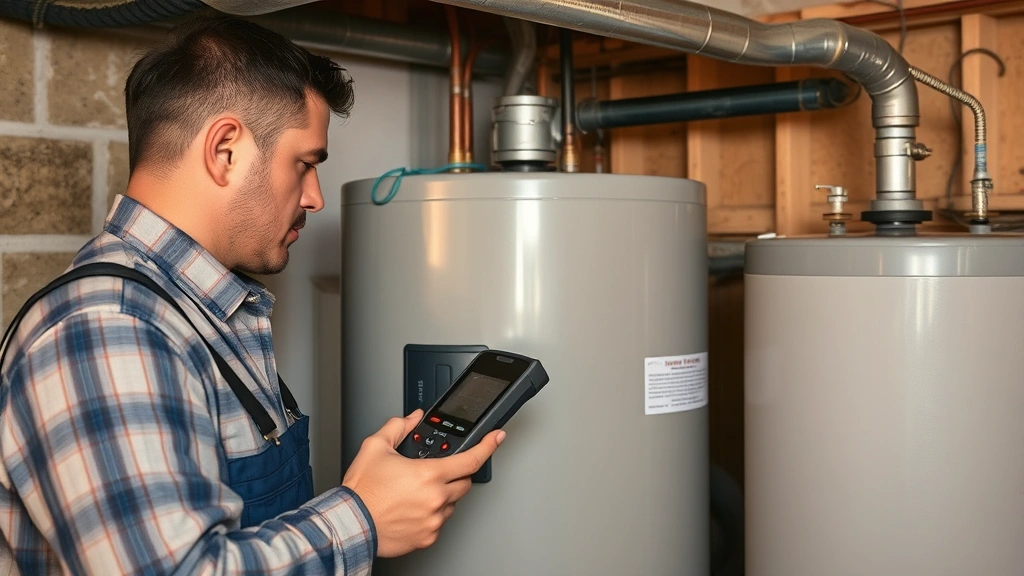
Is Gas Water Heater Repair Sustainable? Comprehensive Insights for Eco-Conscious Homeowners
When your gas water heater breaks down, the immediate question isn’t always about environmental impact—it’s about getting hot water restored quickly. However, as sustainability becomes increasingly central to our daily choices, understanding whether gas water heater repair aligns with eco-friendly living deserves serious consideration. This guide explores the sustainability implications of repairing versus replacing gas water heaters, helping you make decisions that balance comfort, cost, and environmental responsibility.
The question of repair sustainability extends beyond simple economics. It encompasses energy efficiency, carbon emissions, resource consumption, and long-term environmental consequences. By examining these factors thoughtfully, homeowners can contribute to meaningful climate action while maintaining essential home systems.
Understanding Gas Water Heater Environmental Impact
Gas water heaters represent one of the largest energy consumption points in residential homes, typically accounting for 15-20% of household energy use. When evaluating the sustainability of gas water heater repair, we must first understand the baseline environmental footprint these systems create. Natural gas combustion releases carbon dioxide and other greenhouse gases, contributing directly to climate change. The typical household gas water heater emits approximately 4-5 metric tons of CO2 annually, depending on usage patterns and system efficiency.
The environmental impact isn’t limited to operational emissions. Manufacturing, transportation, installation, and eventual disposal all carry ecological costs. A standard gas water heater contains steel, copper, insulation materials, and electronic components—each requiring energy-intensive extraction and processing. Understanding this complete lifecycle helps contextualize whether repair makes environmental sense.
According to the EPA’s Water Heating guidance, improving water heating efficiency represents one of the most impactful household sustainability upgrades available. This perspective frames repair decisions within broader climate considerations.
Repair vs. Replacement: The Sustainability Equation
The sustainability case for repair depends heavily on several interconnected factors. When a gas water heater fails, homeowners face a critical decision: invest in repair or replace with a newer, potentially more efficient model. This choice carries real environmental consequences that extend far beyond the immediate repair bill.
The Case for Repair: Repairing an existing water heater typically represents the more sustainable short-term choice. Manufacturing a new unit requires significant energy and raw materials. The embodied carbon—emissions generated during production and transportation—of a new water heater can be substantial. By repairing and extending the lifespan of your current system, you delay this manufacturing impact. A well-executed repair might extend equipment life by 5-10 additional years, which translates to meaningful carbon savings.
Most common gas water heater failures—thermostat issues, sediment buildup, heating element problems, or minor leaks—are repairable and relatively affordable. These repairs often cost $200-$800, significantly less than replacement while preserving existing resources already invested in the current unit.
The Case for Replacement: However, repair isn’t always the greener choice. Older gas water heaters (pre-2015) operate at significantly lower efficiency levels than modern units. An aging heater that’s 15-20 years old might operate at 55-60% efficiency, while contemporary models achieve 70-80% or higher. The energy wasted by an inefficient system over several years can exceed the embodied carbon cost of manufacturing and installing a new, efficient replacement.
Additionally, repeated repairs on aging systems create a sustainability paradox. Multiple repair interventions, each requiring technician travel and replacement parts, accumulate environmental costs. If your gas water heater requires repairs costing more than 50% of replacement price, or if it’s over 12 years old with declining performance, replacement often proves more sustainable long-term.
Our detailed guide on sustainable energy solutions explores how modern heating systems compare environmentally to traditional approaches.
Energy Efficiency and Carbon Emissions
The operational efficiency of your water heating system drives the largest portion of its lifetime environmental impact. A gas water heater operates continuously, maintaining water temperature 24/7, even when hot water isn’t actively needed. This standby energy loss represents pure waste from both environmental and economic perspectives.
Efficiency Ratings and Improvements: Modern gas water heaters feature improved insulation, better burner designs, and electronic ignition systems that reduce energy consumption by 10-20% compared to units manufactured a decade ago. When repair costs approach replacement costs, upgrading to a higher-efficiency model becomes environmentally justified.
The Energy Factor (EF) rating measures water heater efficiency. Units manufactured after 2015 typically achieve EF ratings of 0.60-0.70, compared to 0.50-0.55 for older models. This improvement translates directly to reduced natural gas consumption and lower carbon emissions. Over a water heater’s 10-15 year lifespan, efficiency upgrades can prevent 10-15 metric tons of CO2 emissions.
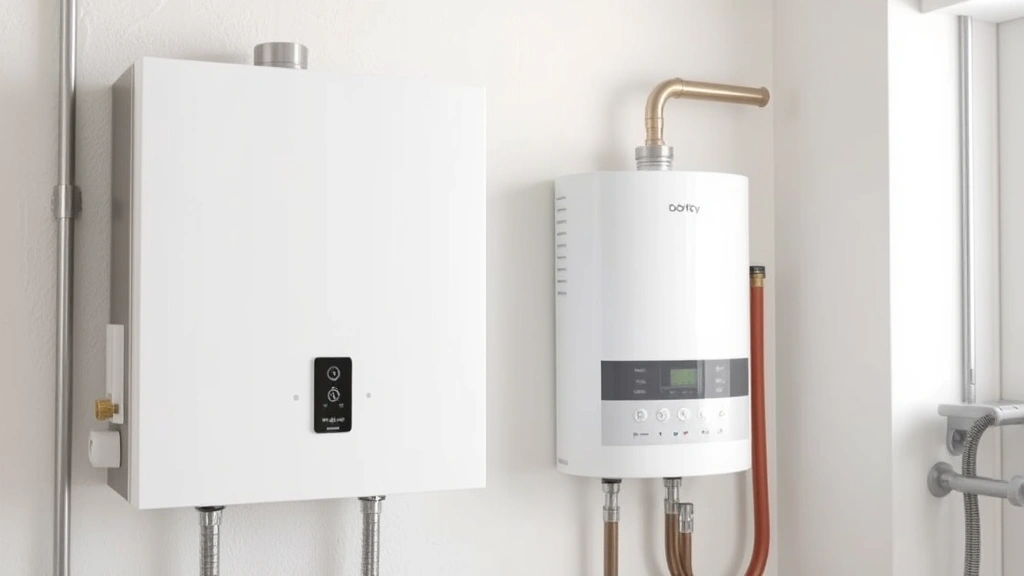
Tankless gas water heaters represent an even more efficient option, eliminating standby losses entirely. These systems heat water on-demand, achieving efficiency ratings above 0.80 and reducing energy consumption by 24-34% compared to traditional tanks. While tankless systems cost more initially, their superior efficiency justifies replacement from sustainability perspectives, particularly if your current repair costs exceed $600.
Temperature and Usage Optimization: Regardless of repair or replacement decisions, optimizing water heater settings reduces environmental impact immediately. Lowering the thermostat from 140°F to 120°F reduces energy consumption by approximately 8% while preventing scalding accidents. Insulating hot water pipes, fixing leaks promptly, and using low-flow fixtures multiply these savings.
Material Waste and Resource Consumption
Every manufactured product carries an environmental debt measured in resources extracted, energy consumed, and waste generated. Understanding the material implications of water heater replacement helps contextualize repair decisions within broader sustainability frameworks.
Manufacturing Impact: Producing a new gas water heater requires mining and processing iron ore for the steel tank, copper for piping and electrical components, and various insulation materials. Steel production alone generates approximately 1.9 metric tons of CO2 per metric ton of steel produced. A typical water heater tank weighs 80-120 pounds of steel, representing roughly 150-200 pounds of CO2 emissions during manufacturing.
Transportation from manufacturing facilities to distribution centers to installation locations adds additional emissions. A water heater’s total embodied carbon—from raw material extraction through delivery—typically ranges from 500-800 pounds of CO2 equivalent. This manufacturing footprint must be offset by operational efficiency gains to justify replacement.
End-of-Life Considerations: Most water heater components are recyclable. Steel tanks, copper components, and some insulation materials can enter recycling streams. However, disposal infrastructure varies significantly by region. In areas with limited recycling capacity, replacing a functional water heater contributes to landfill waste unnecessarily. Repairing existing systems reduces this disposal burden.
Refrigerants and insulation foams used in some high-efficiency water heaters require careful handling to prevent environmental contamination. Proper decommissioning of old units becomes increasingly important as we transition to environmentally friendlier refrigerant alternatives. This complexity reinforces the sustainability advantage of repair whenever technically and economically feasible.
Learn more about reducing your environmental footprint through household decisions and resource management.
Economic Sustainability of Repairs
True sustainability encompasses economic viability alongside environmental considerations. A repair strategy that strains household finances undermines long-term sustainability goals, as financial stress often leads to compromised choices and deferred maintenance.
Cost-Benefit Analysis Framework: Evaluate repair sustainability using this framework: if repair costs exceed 50% of replacement cost, and your water heater is older than 10 years, replacement typically offers better long-term value. Conversely, if repair costs fall below 30% of replacement and your unit is under 8 years old, repair represents both economically and environmentally sound choices.
Consider the total cost of ownership over the system’s remaining lifespan. An aging water heater requiring $600 in repairs might fail again within 2-3 years, necessitating another $500-$800 repair and ultimately replacement anyway. These cascading repair costs accumulate to replacement expense without achieving the efficiency benefits of a new system.
Financing Sustainable Upgrades: Many utilities and government programs offer rebates for upgrading to high-efficiency water heaters. Federal tax credits, state incentive programs, and utility rebates can reduce replacement costs by 20-40%, making sustainable upgrades economically accessible. Research available programs in your area before deciding against replacement based purely on upfront cost.
Financing options specifically designed for energy efficiency upgrades often feature favorable terms aligned with energy savings, effectively making sustainable replacements cost-neutral over their lifespan. This economic framework removes barriers to environmentally responsible decisions.
Upgrading to Sustainable Alternatives
While gas water heater repair might extend current system life, exploring sustainable alternatives positions your home for genuine long-term environmental impact reduction. The future of residential water heating increasingly emphasizes electrification and renewable energy integration.
Heat Pump Water Heaters: Hybrid electric heat pump water heaters represent a revolutionary efficiency improvement, consuming 50% less energy than conventional gas units while eliminating direct fossil fuel combustion. These systems extract heat from surrounding air, using electricity to concentrate and transfer that heat to water. Modern units achieve Uniform Energy Factor (UEF) ratings above 3.0, meaning they deliver more than three units of heat energy for every unit of electricity consumed.
Heat pump water heaters cost $1,200-$2,500 installed, higher than standard gas units but increasingly competitive when accounting for utility rebates and operational savings. Over a 10-year lifespan, heat pump systems typically save $2,000-$3,500 in energy costs while preventing 20-30 metric tons of CO2 emissions compared to standard gas heaters.
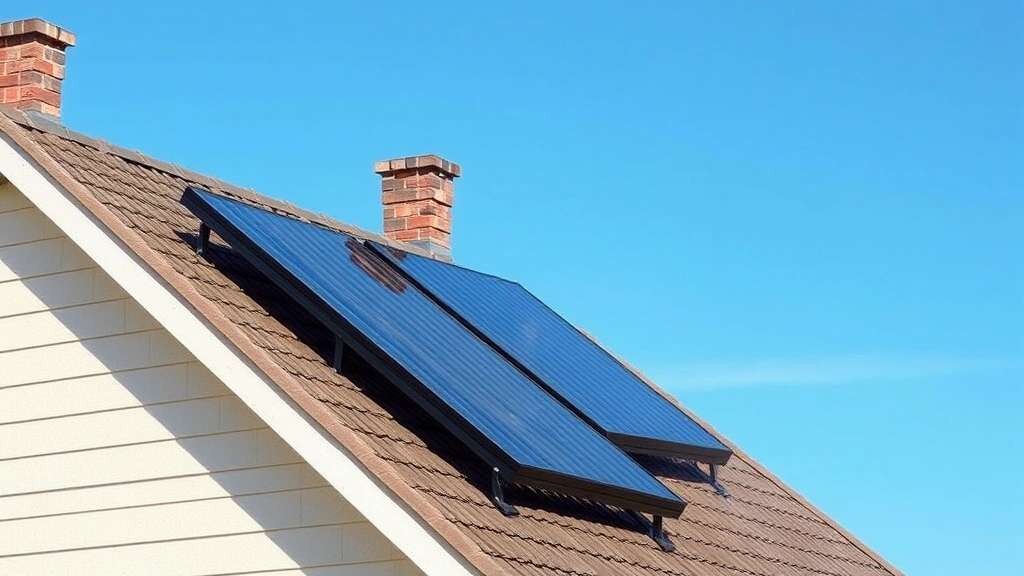
Solar Water Heating Systems: Solar thermal systems harness renewable energy directly, eliminating operational emissions entirely while reducing energy consumption by 50-80% depending on climate and usage patterns. Modern solar water heating systems integrate seamlessly with existing gas heaters, using solar energy to preheat water and reducing gas consumption proportionally.
While solar systems require significant upfront investment ($3,000-$6,000 installed), federal tax credits covering 30% of costs and state incentives make these systems increasingly affordable. Over 20-year lifespans, solar systems provide unlimited hot water with zero operational emissions, representing the most sustainable water heating approach available.
Explore our comprehensive overview of green technology innovations transforming our future to understand how modern heating solutions fit within broader sustainability trends.
Electrification Benefits: Transitioning from gas to electric water heating aligns with broader decarbonization strategies. As electrical grids incorporate increasing renewable energy percentages—currently 20% nationally and growing—electric water heating becomes progressively cleaner. This trajectory differs from gas systems, which remain locked into fossil fuel dependence regardless of technological improvements.
Best Practices for Sustainable Water Heating
Whether you repair or replace your gas water heater, implementing sustainable practices maximizes environmental benefits and extends system lifespan.
Maintenance Optimization: Regular maintenance dramatically improves efficiency and prevents premature failure. Flushing sediment from tanks annually restores heating efficiency by 15-20%. Checking and replacing anode rods every 3-5 years prevents corrosion, extending tank lifespan by years. Inspecting and cleaning burners ensures optimal combustion efficiency. These preventive measures cost minimal resources while preventing expensive repairs and premature replacement.
Temperature Management: Setting water heater thermostats to 120°F (49°C) provides sufficient hot water for most household needs while reducing energy consumption and scalding risks. Each 10-degree temperature reduction saves approximately 3-5% energy annually. Insulating the tank and first six feet of hot water pipes reduces standby losses by 10-15%, translating to 200-300 pounds of CO2 savings annually.
Water Conservation: Reducing hot water consumption reduces energy consumption proportionally. Installing low-flow showerheads (2.0 GPM or less), fixing leaks promptly, and using cold water for laundry cuts hot water demand by 20-30%. These conservation measures benefit environment and utility bills simultaneously, creating genuine economic-environmental alignment.
Behavioral Sustainability: Understanding your household’s water heating patterns enables targeted efficiency improvements. Shorter showers, fixing dripping hot water taps, and insulating exposed hot water pipes accumulate meaningful savings. Scheduling water heating maintenance alongside seasonal HVAC service ensures comprehensive home energy system optimization.
Our guide on sustainability definitions and principles explores how individual actions interconnect with systemic environmental challenges.
FAQ
When is gas water heater repair more sustainable than replacement?
Repair is generally more sustainable when repair costs fall below 30% of replacement cost, your unit is under 10 years old, and the repair addresses a single component failure rather than systemic deterioration. Repairing extends the lifespan of existing equipment, avoiding manufacturing impacts of new production.
What’s the environmental payback period for upgrading to a high-efficiency water heater?
A high-efficiency gas water heater typically offsets its manufacturing carbon debt within 2-3 years of operation through reduced energy consumption. Heat pump systems achieve payback within 3-5 years. Solar systems require 5-8 years depending on climate, but provide 20+ years of zero-emission operation thereafter.
Are tankless water heaters genuinely more sustainable than tank models?
Yes, tankless systems eliminate standby losses, reducing energy consumption by 24-34% compared to traditional tanks. However, manufacturing impact, installation complexity, and potential lifespan differences must be considered. For households with moderate hot water demands, tankless systems provide clear sustainability advantages.
How does electrifying water heating fit into broader home decarbonization?
Electric water heating enables homes to leverage renewable electricity from increasingly clean grids. As renewable percentages grow, electric systems become progressively cleaner without equipment changes. Gas systems remain fossil fuel-dependent regardless of improvements, making electrification strategically important for long-term decarbonization.
What’s the most sustainable approach if my water heater needs repair?
Evaluate repair cost relative to replacement cost and your system’s age. If repair costs under 30% of replacement and your unit is under 8 years old, repair sustainably extends equipment life. If costs exceed 50% of replacement or your system is over 12 years old, replacement with a high-efficiency model or heat pump system offers superior long-term sustainability.
Can I improve my current gas water heater’s sustainability without replacing it?
Absolutely. Maintaining proper temperature settings (120°F), insulating pipes and tanks, flushing sediment annually, and replacing anode rods regularly all improve efficiency by 10-20%. These maintenance practices cost minimal resources while preventing premature failure and extending system lifespan sustainably.
What government incentives support sustainable water heater upgrades?
Federal tax credits cover 30% of solar water heating system costs. Many states offer additional rebates for heat pump water heaters, high-efficiency gas models, and solar installations. Utility companies frequently provide rebates and financing programs. Check Energy.gov’s water heating resources for programs in your area.
How does water heater sustainability compare to other household efficiency upgrades?
Water heating represents 15-20% of household energy consumption, making it one of the highest-impact improvement areas. Only HVAC system efficiency rivals water heating in potential savings. Upgrading both systems simultaneously maximizes environmental and economic benefits.


