
Green Gas: What Is It? Expert Insights
Green gas represents one of the most promising renewable energy solutions for decarbonizing our energy systems. Unlike conventional natural gas derived from fossil fuels, green gas is produced from organic waste materials through anaerobic digestion or other sustainable processes. As global energy demands continue to rise and climate concerns intensify, understanding green gas technology becomes essential for businesses, policymakers, and environmentally conscious consumers seeking viable alternatives to traditional energy sources.
The transition toward green gas aligns with broader sustainable energy solutions that reduce greenhouse gas emissions while maintaining energy security. Green gas can integrate seamlessly into existing natural gas infrastructure, making it a practical bridge fuel for communities transitioning toward fully renewable energy systems. This comprehensive guide explores what green gas is, how it works, its environmental benefits, and its role in shaping our sustainable future.
What Is Green Gas?
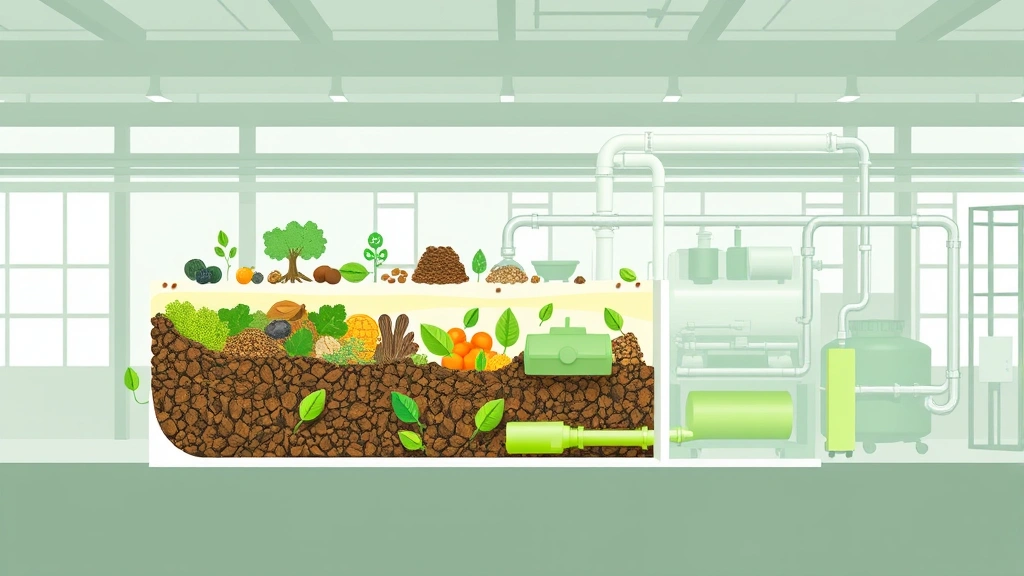
Green gas, also called biogas or biomethane, is a renewable energy source produced from organic waste materials including agricultural residues, food waste, sewage sludge, and animal manure. The primary component of green gas is methane (CH₄), the same chemical found in conventional natural gas. However, green gas methane originates from recently living biological matter rather than fossil fuel deposits formed millions of years ago.
This distinction carries profound environmental significance. When organic waste decomposes in landfills or natural settings, it releases methane into the atmosphere—a greenhouse gas approximately 25 times more potent than carbon dioxide over a 100-year period. By capturing and utilizing this methane through controlled anaerobic digestion processes, green gas technology transforms a significant climate threat into a valuable energy resource. The gas can be used directly for heating and electricity generation, or upgraded to biomethane quality for injection into existing natural gas pipelines and vehicle fuel applications.
Green gas represents a circular economy solution where waste becomes a resource. Farms, food processing facilities, wastewater treatment plants, and landfills can become energy producers rather than energy consumers. This transformation supports communities in achieving how to reduce your environmental footprint while generating economic value from materials previously considered waste.
How Is Green Gas Produced?
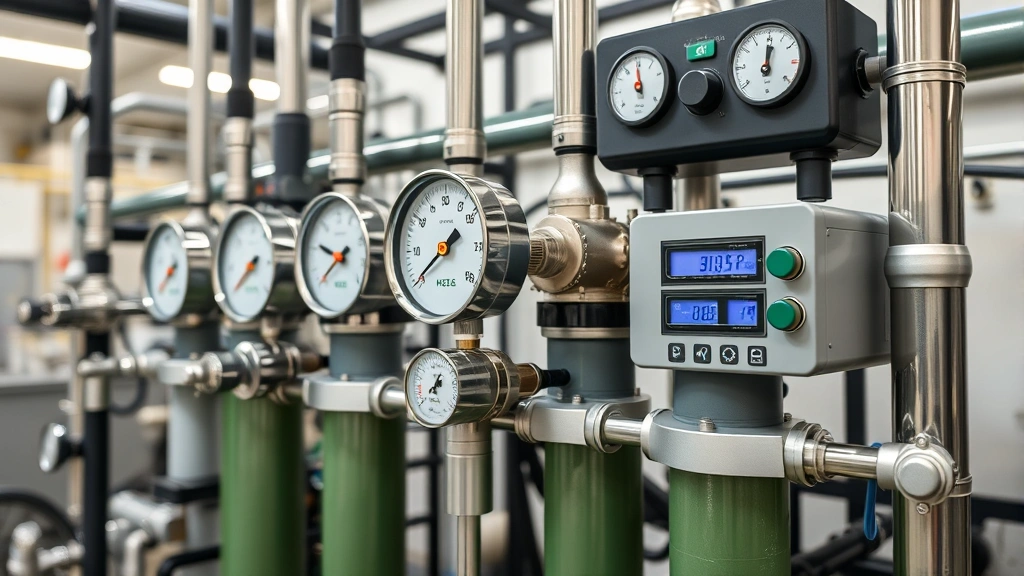
Green gas production involves several key processes, with anaerobic digestion being the most common method. Anaerobic digestion occurs when organic materials decompose in oxygen-free environments, allowing specialized bacteria to break down complex organic compounds into simpler molecules, primarily methane and carbon dioxide.
The Anaerobic Digestion Process
The process unfolds in four primary stages:
- Hydrolysis: Bacteria break down complex organic polymers—carbohydrates, proteins, and lipids—into simpler compounds like sugars, amino acids, and fatty acids.
- Acidogenesis: Fermentative bacteria convert hydrolysis products into volatile fatty acids, alcohols, hydrogen, and carbon dioxide.
- Acetogenesis: Bacteria convert volatile fatty acids and alcohols into acetic acid, hydrogen, and carbon dioxide.
- Methanogenesis: Methanogenic bacteria convert acetic acid and hydrogen into methane and carbon dioxide, completing the process.
Temperature control proves critical for efficiency. Mesophilic digestion operates at 35-40°C (95-104°F), while thermophilic digestion functions at 50-57°C (122-135°F). Thermophilic systems process materials faster but require more energy input. Most commercial operations employ mesophilic digestion for cost-effectiveness.
Feedstock Materials
Green gas can be produced from diverse organic feedstocks, including:
- Agricultural waste (manure, crop residues, straw)
- Food processing byproducts and food waste
- Wastewater treatment sludge
- Landfill organic content
- Brewery and distillery waste
- Paper mill sludge
- Garden and yard waste
The choice of feedstock influences gas yield and quality. Animal manure provides consistent, reliable feedstock for farms, while food waste offers higher methane potential per unit volume. Blending different feedstock types optimizes digestion efficiency and biogas production rates.
Upgrading to Biomethane
Raw biogas typically contains 50-70% methane and 30-50% carbon dioxide, along with trace contaminants like hydrogen sulfide and water vapor. For pipeline injection or vehicle fuel applications, biogas requires upgrading to biomethane quality—typically 95%+ methane content. Upgrading technologies include:
- Pressure Swing Adsorption (PSA): Uses pressure changes to separate methane from CO₂
- Membrane Separation: Selectively allows methane molecules through specialized membranes
- Water Scrubbing: Dissolves CO₂ in water, leaving methane gas
- Chemical Scrubbing: Uses chemical solutions to absorb CO₂ and other impurities
Upgraded biomethane achieves natural gas water heater compatibility, enabling direct substitution in existing appliances and infrastructure without modifications.
Environmental Benefits of Green Gas
Green gas delivers substantial environmental advantages throughout its lifecycle compared to fossil fuels. Understanding these benefits illuminates why green gas represents a critical component of decarbonization strategies globally.
Methane Emission Prevention
Organic waste decomposing in landfills or untreated manure storage releases methane directly into the atmosphere. According to the U.S. Environmental Protection Agency, agriculture and waste management sectors account for approximately 11% of U.S. greenhouse gas emissions, with methane being a major contributor. Green gas systems capture this methane before atmospheric release, preventing powerful greenhouse gas emissions at the source.
Lifecycle Carbon Reduction
Studies demonstrate that green gas produced from agricultural waste and food waste achieves 50-80% lifecycle greenhouse gas reductions compared to fossil natural gas. The carbon footprint includes methane capture, processing, transportation, and combustion. Because the carbon in biomethane originated recently from atmospheric CO₂ absorbed by plants, it represents part of a closed carbon cycle rather than releasing ancient sequestered carbon from underground fossil deposits.
Waste Management Benefits
Anaerobic digestion addresses waste management challenges while generating energy. Food waste and agricultural residues that would otherwise occupy landfill space or require costly treatment become productive resources. Digestate—the solid residue remaining after anaerobic digestion—becomes nutrient-rich fertilizer, reducing synthetic fertilizer demand and associated environmental impacts.
Air Quality Improvements
Combusting green gas produces fewer air pollutants than coal or oil. The methane molecule burns cleanly with minimal particulate matter or sulfur dioxide emissions. For regions struggling with air quality challenges, transitioning to green gas can meaningfully improve public health outcomes.
Green Gas vs. Natural Gas
While green gas and conventional natural gas share identical chemical compositions once upgraded, their origins and environmental implications differ fundamentally.
| Characteristic | Green Gas | Natural Gas |
|---|---|---|
| Source | Recently living organic matter | Fossil fuel deposits (millions years old) |
| Carbon Cycle | Closed (recent atmospheric CO₂) | Open (ancient sequestered carbon) |
| Renewable Status | Renewable (regenerates annually) | Non-renewable (finite deposits) |
| Lifecycle Emissions | 50-80% lower than natural gas | Baseline for comparison |
| Infrastructure Compatible | Yes, when upgraded to biomethane | Existing standard |
Green gas essentially represents a renewable alternative that can substitute for natural gas in most applications. As green technology innovations transforming our future continue advancing, green gas production efficiency and cost-competitiveness improve, making it increasingly viable for widespread adoption.
The key distinction involves resource sustainability. Natural gas reserves, while abundant, remain finite and deplete over time. Green gas production can continue indefinitely as long as organic waste streams exist—which they inevitably will in human societies. This renewable characteristic positions green gas as a sustainable long-term energy strategy.
Applications and Uses
Green gas versatility enables deployment across multiple sectors and applications, making it a genuinely multi-purpose renewable energy solution.
Electricity and Heat Generation
Biogas can fuel combined heat and power (CHP) systems, simultaneously generating electricity and useful thermal energy. Agricultural biodigesters commonly operate CHP units, converting 30-40% of biogas energy into electricity while capturing waste heat for space heating or water heating. This dual-output approach achieves overall energy efficiency rates exceeding 80%, compared to 45-50% for conventional power plants.
Vehicle Fuel
Upgraded biomethane serves as a direct substitute for compressed natural gas (CNG) in vehicles. Several European countries operate extensive biomethane vehicle fleets, with Sweden leading adoption. Biomethane vehicles produce identical performance and range as natural gas vehicles while eliminating fossil fuel dependence. The fuel can be produced locally, enhancing energy security and reducing transportation emissions associated with fuel distribution.
Pipeline Injection and Grid Supply
Upgraded biomethane quality gas injects directly into natural gas distribution networks, allowing centralized production and efficient delivery to multiple end-users. This approach enables smaller biogas producers to monetize their gas without requiring individual end-user equipment or infrastructure modifications. Pipeline injection represents the most scalable pathway for green gas integration into existing energy systems.
Industrial Process Heat
Energy-intensive industries including food processing, brewing, chemical manufacturing, and paper production can substitute green gas for natural gas in boilers and furnaces. This substitution directly reduces industrial greenhouse gas emissions while supporting sustainable energy solutions adoption across manufacturing sectors.
Residential and Commercial Heating
Homes and businesses with natural gas connections can transition to green gas without equipment modifications. As grid penetration of green gas increases, residential heating automatically becomes greener without consumer action—a powerful advantage over other renewable technologies requiring infrastructure replacement.
Challenges and Future Outlook
Despite significant potential, green gas faces several challenges limiting current deployment and future scaling.
Production Scalability
Current green gas production remains modest relative to total natural gas consumption. Scaling production requires investment in thousands of anaerobic digesters, upgrading facilities, and pipeline infrastructure modifications. While technically feasible, the capital investment requirements and regulatory coordination present substantial barriers. However, International Energy Agency assessments indicate that biomethane could supply 10-15% of global gas demand by 2050 with appropriate policy support.
Feedstock Availability and Competition
Organic waste availability varies geographically. Some regions possess abundant agricultural waste and food processing byproducts, while others face competition for limited feedstock. Dedicated energy crop cultivation for biogas raises land-use and food security concerns. Sustainable feedstock strategies must prioritize waste utilization over virgin biomass production.
Production Costs
Green gas production costs remain higher than conventional natural gas in most markets. However, cost differentials narrow as fossil fuel prices increase and green gas technologies achieve economies of scale. Many European markets demonstrate green gas cost-competitiveness when carbon pricing mechanisms account for climate benefits.
Methane Leakage
Though green gas systems capture methane that would otherwise escape, production, processing, and transportation infrastructure can leak methane, offsetting climate benefits. Rigorous maintenance, monitoring, and leak detection systems are essential for maximizing environmental advantages.
Policy and Regulatory Support
Green gas expansion accelerates dramatically with supportive policies including renewable gas mandates, carbon pricing, production subsidies, and favorable grid access regulations. Countries with strong policy frameworks, particularly Germany, Denmark, and Sweden, demonstrate significantly higher green gas deployment rates and production volumes.
Future Outlook
Green gas technology continues improving steadily. Advanced anaerobic digestion processes increase biogas yields from feedstock. Innovative upgrading technologies reduce energy requirements and costs. Integration with other renewable technologies, particularly renewable electricity for heat provision, creates synergistic systems maximizing overall efficiency.
The future likely involves green gas playing a crucial bridging role as societies transition toward fully renewable energy systems. Rather than a permanent endpoint, green gas represents an essential intermediate step—capturing waste methane, reducing emissions substantially, and utilizing existing infrastructure while newer renewable technologies mature and scale. Combining green gas with advantages of electric vehicles and other renewable technologies creates comprehensive decarbonization pathways for transportation, heating, and electricity sectors.
FAQ
Is green gas truly renewable?
Yes, green gas qualifies as renewable energy. Organic waste continuously regenerates from agricultural operations, food processing, and human activities. Unlike fossil fuels with finite reserves, green gas feedstock sources persist indefinitely, making it a genuinely sustainable long-term energy option.
Can I use green gas in my existing natural gas appliances?
Upgraded biomethane is chemically identical to conventional natural gas and works in all existing natural gas appliances without modifications. However, raw biogas requires substantial processing before residential use. Most residential consumers receive green gas through pipeline systems where utility companies handle upgrading.
How much does green gas cost compared to natural gas?
Green gas production costs vary by location, feedstock type, and scale. In many European markets, green gas achieves price parity or slight premiums to natural gas. In North America, cost differentials remain larger but narrow consistently as technology improves and carbon pricing increases fossil fuel costs.
What happens to digestate after biogas production?
Digestate—the solid and liquid residue remaining after anaerobic digestion—becomes nutrient-rich organic fertilizer. Farmers typically apply digestate to fields, improving soil health and reducing synthetic fertilizer requirements. This circular approach maximizes resource utilization and extends environmental benefits beyond energy generation.
Can small-scale biogas systems work for individual farms?
Absolutely. Farm-scale anaerobic digesters convert livestock manure into biogas for on-farm electricity and heat generation. Many farms achieve energy independence while reducing manure management costs. However, individual farm systems require careful design, maintenance, and management for optimal performance and safety.
What are the main greenhouse gas benefits of green gas?
Green gas delivers multiple climate benefits: preventing methane emissions from waste decomposition, reducing lifecycle carbon emissions 50-80% compared to fossil natural gas, and enabling closed-loop carbon cycles. These combined benefits make green gas one of the most climate-effective renewable energy solutions available.
Where is green gas most developed and deployed?
Germany, Sweden, and Denmark lead green gas adoption with supportive policies, extensive pipeline infrastructure, and significant production capacity. Germany alone operates thousands of biogas plants and continues expanding biomethane infrastructure. These countries demonstrate technical feasibility and market viability at substantial scales.
How does green gas relate to other renewable energy sources?
Green gas complements other renewables by addressing energy sectors—heating and industrial processes—where electrification faces technical or economic challenges. Combined with renewable electricity, solar, wind, and SustainWise Hub Blog resources exploring additional renewable technologies, green gas enables comprehensive decarbonization across all energy sectors.


