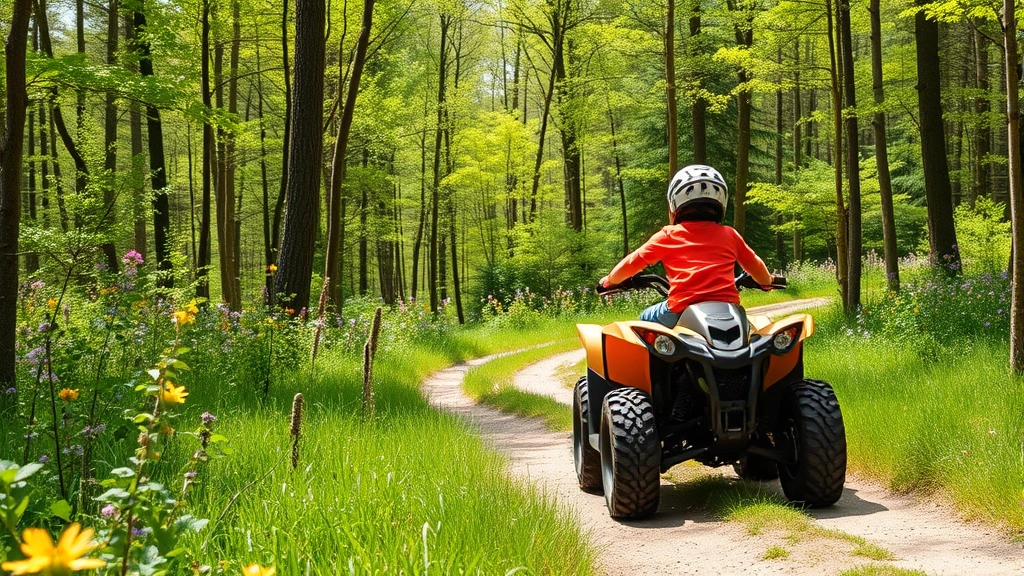
Are Gas 4 Wheelers for Kids Eco-Friendly? Expert Insights
When parents consider purchasing a gas-powered 4 wheeler for their children, environmental impact often takes a backseat to fun and excitement. However, as sustainability becomes increasingly important in our purchasing decisions, it’s worth examining whether these recreational vehicles align with eco-conscious values. Gas 4 wheelers for kids represent a popular choice for outdoor recreation, yet they come with significant environmental considerations that deserve careful examination.
The debate surrounding kid 4 wheeler gas vehicles touches on emissions, fuel consumption, noise pollution, and habitat disruption. Understanding these factors helps parents make informed decisions about recreational equipment that balances childhood enjoyment with environmental responsibility. This comprehensive guide explores the ecological implications of gas-powered children’s ATVs and presents viable alternatives for environmentally conscious families.
Environmental Impact of Gas 4 Wheelers
Gas-powered recreational vehicles, including children’s 4 wheelers, generate substantial environmental concerns that extend beyond simple fun. These machines burn fossil fuels, creating a direct connection to greenhouse gas emissions and climate change. Unlike automobiles regulated by strict emissions standards, recreational off-road vehicles often operate under minimal environmental oversight, making their ecological footprint particularly significant.
The definition of sustainability emphasizes meeting present needs without compromising future generations’ ability to meet theirs. Gas 4 wheelers directly contradict this principle by consuming non-renewable resources and contributing to environmental degradation. When considering what sustainability truly means, recreational choices become part of broader environmental responsibility.
Children’s ATVs typically feature small engines ranging from 50cc to 250cc, yet their cumulative impact proves substantial. A single gas 4 wheeler may seem insignificant, but when multiplied across thousands of households and multiplied by hours of weekly operation, the collective environmental burden becomes considerable. Understanding these impacts requires examining specific emissions categories and their consequences.
Emissions and Air Quality Concerns
Gas 4 wheelers emit several harmful pollutants that degrade air quality and contribute to climate change. These emissions include carbon dioxide (CO2), nitrogen oxides (NOx), volatile organic compounds (VOCs), and particulate matter. Unlike modern cars with catalytic converters and emission control systems, many recreational ATVs lack sophisticated pollution reduction technology.
According to the Environmental Protection Agency’s air pollution resources, off-road recreational vehicles contribute significantly to ground-level ozone formation and smog. A single gas 4 wheeler can emit as much pollution in one hour as a new car driven for an entire day. This startling fact underscores why parents concerned with environmental sustainability examples should reconsider gas-powered options.
The health implications extend beyond environmental damage. Children breathing exhaust fumes from their own vehicles or others’ ATVs inhale harmful particulates that affect lung development and respiratory health. Communities with high concentrations of recreational ATV use experience elevated asthma rates and other respiratory conditions, particularly among young people.
Volatile organic compounds released by gas 4 wheelers react with sunlight to form ground-level ozone, a major air pollutant that causes respiratory problems, reduced lung function, and increased asthma attacks. This creates a troubling paradox: outdoor recreation intended to promote children’s health inadvertently harms their wellbeing through air pollution exposure.
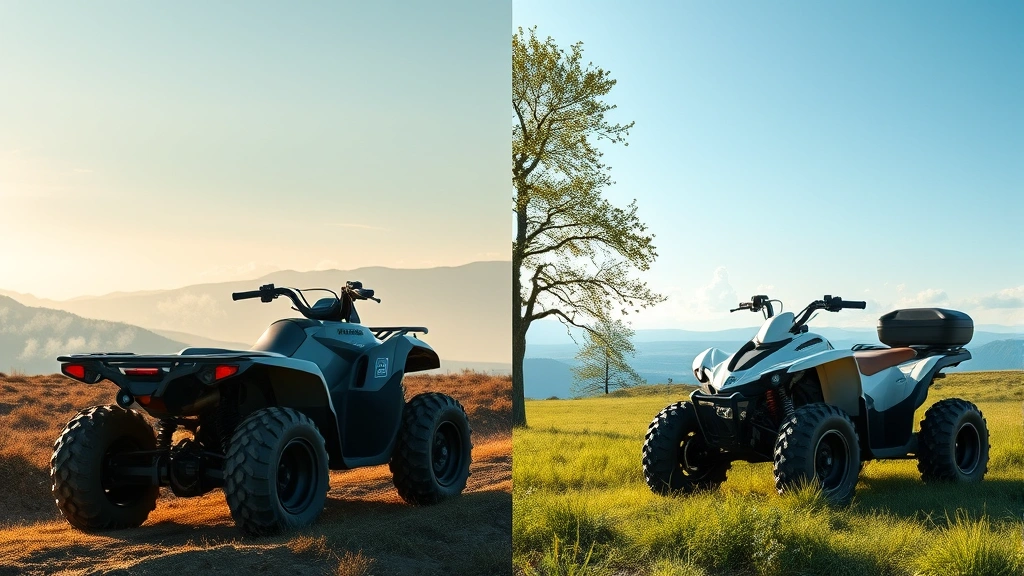
Fuel Consumption and Carbon Footprint
While gas 4 wheelers appear fuel-efficient compared to full-size vehicles, their carbon footprint per hour of operation remains substantial. These machines typically consume one to two gallons of gasoline per hour during recreational use. Over a season of regular weekend riding, a child’s 4 wheeler can consume 50-100 gallons of fuel annually.
Each gallon of gasoline burned produces approximately 20 pounds of carbon dioxide. This means a moderately-used kid 4 wheeler generates 1,000-2,000 pounds of CO2 annually, equivalent to the carbon sequestered by 15-30 trees yearly. When considering principles of sustainability, such carbon emissions become increasingly difficult to justify for recreational purposes.
The extraction, refinement, and transportation of gasoline adds additional environmental costs not reflected at the pump. While natural gas offers some advantages over other fossil fuels, it remains a finite resource with significant extraction impacts. Gas 4 wheelers lock families into continued dependence on fossil fuel infrastructure rather than transitioning toward sustainable energy solutions.
Consider the broader context: if every child in a neighborhood received a gas 4 wheeler, the collective carbon emissions would rival those of dozens of cars. This multiplication effect demonstrates why individual recreational choices carry ecological significance when aggregated across communities.
Noise Pollution and Wildlife Effects
Gas 4 wheelers generate significant noise, typically ranging from 75-100 decibels—equivalent to heavy traffic or a lawnmower. This noise pollution extends beyond mere annoyance, creating documented ecological damage to wildlife and ecosystems. Animals dependent on acoustic communication for mating, hunting, and territorial defense experience disrupted behaviors when exposed to recreational vehicle noise.
Birds nesting near trails used by gas 4 wheelers experience elevated stress levels and reduced reproductive success. Small mammals abandon preferred habitats to avoid noise, fragmenting populations and reducing genetic diversity. Aquatic species face disrupted communication and migration patterns when recreational vehicles operate near waterways.
The cumulative stress from chronic noise exposure weakens wildlife immune systems, making animals more susceptible to disease. Research demonstrates that noise pollution from recreational vehicles contributes to population declines in sensitive species. For families concerned with environmental stewardship, this collateral damage to wildlife represents a significant ethical consideration.

Soil and Habitat Degradation
Off-road recreational use causes substantial soil damage that undermines ecosystem health and carbon storage capacity. Gas 4 wheelers compact soil, reducing its ability to absorb water and nutrients. This compaction increases erosion, leading to sedimentation of waterways and loss of riparian habitat. Once-healthy soil takes decades to recover from intensive recreational vehicle use.
Trail proliferation from repeated 4 wheeler use fragments habitats, isolating wildlife populations and reducing biodiversity. Vegetation destruction along trails removes native plants that provide food and shelter for wildlife while also increasing carbon dioxide in the atmosphere by eliminating natural carbon sinks. In sensitive ecosystems like wetlands and desert habitats, damage from recreational vehicles can be irreversible within human timescales.
Fuel spills and oil leaks from gas 4 wheelers contaminate soil and groundwater. Small engines operate less efficiently than automotive engines, burning oil along with fuel. This oil residue accumulates in soils, creating persistent pollution that affects plant growth and microbial communities essential for soil health.
Electric 4 Wheeler Alternatives
For environmentally conscious families, electric 4 wheelers represent a significantly more sustainable alternative. Modern battery technology has advanced considerably, offering comparable performance to gas models with zero direct emissions and substantially lower environmental impact. Electric ATVs produce no air pollutants, generate minimal noise, and eliminate fuel consumption entirely.
Electric 4 wheelers charged with renewable energy achieve near-zero carbon footprints. Even when charged from grid electricity containing fossil fuel components, electric vehicles produce significantly fewer emissions than their gas counterparts. As electrical grids increasingly incorporate wind, solar, and hydroelectric power, the environmental advantage of electric recreation vehicles grows substantially.
The noise reduction alone provides substantial ecological benefits. Electric 4 wheelers operate at 60-75 decibels, similar to normal conversation levels. This dramatic reduction in noise pollution protects wildlife from acoustic stress while allowing families to enjoy outdoor recreation without disturbing neighbors or ecosystems. Wildlife populations near trails used by electric vehicles experience minimal behavioral disruption.
Battery technology continues improving, with modern lithium-ion batteries offering 50-100 mile ranges per charge—sufficient for most recreational riding. Charging costs prove dramatically lower than gasoline expenses, with electric operation costing one-third to one-half the price of gas riding. Over the lifetime of a 4 wheeler, electric models save families hundreds or thousands of dollars while protecting the environment.
Regenerative braking systems in some electric 4 wheelers recover energy during deceleration, extending range and maximizing efficiency. Unlike gas engines that waste energy as heat, electric motors convert electrical energy directly to mechanical power with minimal losses. This superior efficiency translates to lower environmental impact per hour of operation.
Making Sustainable Choices
Parents seeking to balance recreational opportunities with environmental responsibility should consider several approaches. If choosing a gas 4 wheeler remains necessary, selecting the most efficient model and maintaining it meticulously reduces environmental impact. Proper tune-ups, clean air filters, and regular maintenance ensure engines operate at peak efficiency, minimizing emissions.
Limiting recreational riding hours represents another practical strategy. Encouraging children to ride weekly rather than daily dramatically reduces fuel consumption and emissions. Combining 4 wheeler activities with other outdoor pursuits—hiking, camping, nature observation—creates more well-rounded recreation that values environmental appreciation alongside vehicle operation.
Choosing riding locations carefully matters significantly. Avoiding sensitive habitats, staying on established trails, and respecting seasonal closures during breeding periods protects wildlife and ecosystems. Many public lands restrict recreational vehicle use in environmentally sensitive areas; respecting these boundaries demonstrates genuine environmental commitment.
Investing in electric 4 wheelers represents the most impactful choice for environmentally conscious families. While initial purchase prices may exceed gas models, lower operating costs, reduced maintenance requirements, and zero emissions provide substantial long-term benefits. As battery technology improves and production scales increase, electric recreational vehicles become increasingly affordable and practical.
Parents can also advocate for policies promoting sustainable recreation. Supporting regulations that require emissions controls on recreational vehicles, backing trail maintenance programs that minimize environmental damage, and endorsing public land policies protecting sensitive habitats create systemic change beyond individual purchasing decisions.
Consider exploring current sustainability resources and articles that examine recreational activities through environmental lenses. Understanding broader sustainability principles helps families make choices aligned with their values across all aspects of life, not just vehicle selection.
FAQ
Are gas 4 wheelers for kids legal?
Regulations vary by jurisdiction. Most states require riders to be specific minimum ages and may mandate safety equipment like helmets. Some areas restrict recreational vehicle use in certain locations or seasons. Verify local regulations before purchasing.
What age is appropriate for a kid 4 wheeler?
Manufacturers typically recommend ages 6-8 for 50cc models, with larger engines suitable for older children. Safety training and parental supervision prove more important than age alone. Start with smaller, slower models and progress as children develop skills and maturity.
How much does an electric 4 wheeler cost?
Quality electric children’s 4 wheelers range from $800-$3,000, comparable to gas models. While premium electric models cost more initially, lower operating and maintenance costs offset the price difference within 2-3 years of regular use.
Can electric 4 wheelers perform like gas models?
Modern electric 4 wheelers offer comparable acceleration, top speed, and hill-climbing ability to gas equivalents. Battery range typically supports 2-4 hours of recreational riding per charge, sufficient for most weekend activities. Performance continues improving as technology advances.
What environmental certifications should I look for?
Look for electric vehicles meeting EPA efficiency standards and products certified by environmental organizations. Some manufacturers pursue carbon-neutral production or use recycled materials, further reducing environmental impact. Research specific brands’ sustainability commitments before purchasing.
How do I dispose of old gas 4 wheelers responsibly?
Contact local recycling facilities or donation programs accepting recreational vehicles. Some manufacturers offer trade-in programs providing credit toward new purchases. Ensure proper fuel and oil drainage before disposal to prevent environmental contamination.


