
Chloramine Gas: Health Risks & Safety Tips
Chloramine gas represents a significant yet often overlooked environmental and health hazard that affects millions of people daily. This toxic compound forms when chlorine-based disinfectants interact with organic matter, particularly in water treatment facilities and household cleaning scenarios. Understanding chloramine gas exposure, its sources, and protective measures is essential for maintaining both personal health and environmental safety. As we work toward a more sustainable future, addressing chemical hazards in our homes and communities becomes increasingly important to our overall wellness strategy.
The presence of chloramine in our water systems and cleaning products underscores a broader sustainability concern: how we balance sanitation needs with human health protection. While chlorine and its derivatives serve crucial roles in water treatment, the byproducts they create demand our attention and action. This comprehensive guide explores the science behind chloramine gas, its documented health effects, practical safety protocols, and how awareness of these risks connects to our commitment to sustainable living practices that prioritize human and environmental wellbeing.
What is Chloramine Gas and How Does It Form
Chloramine gas, scientifically known as monochloramine (NH₂Cl) when in its primary gaseous form, emerges through a chemical reaction between chlorine and ammonia or ammonia-containing compounds. Most commonly, this occurs in water treatment facilities where chlorine is intentionally combined with ammonia to create chloramines as a more stable disinfectant compared to free chlorine. The reaction that produces chloramine gas is relatively straightforward: chlorine (Cl₂) reacts with ammonia (NH₃) to form monochloramine, dichloramine, and trichloramine compounds depending on pH levels and chemical concentrations.
The formation process becomes particularly relevant in residential settings when household cleaning products containing bleach or chlorine interact with urine, sweat, or other organic materials. This accidental mixture creates chloramine gas as a byproduct, often producing a distinctive pungent odor that many people recognize from swimming pools or bathrooms. The gas is denser than air, meaning it tends to accumulate in lower spaces and poorly ventilated areas, increasing exposure risk. Understanding this chemistry helps explain why proper ventilation and chemical storage separation are critical safety measures for protecting your household from unintended chloramine gas generation.
Sources and Common Exposure Points
Chloramine exposure occurs through multiple pathways in both occupational and domestic environments. Municipal water treatment systems represent the primary source of chloramine for most households, as EPA-regulated water systems increasingly use chloramination as their preferred disinfection method. This choice reflects chloramine’s stability and reduced tendency to form certain disinfection byproducts compared to chlorine alone, yet it introduces chloramine into drinking water, shower water, and bathing water for millions of people daily.
Swimming pools and recreational water facilities present another significant exposure source, particularly for competitive swimmers and aquatic facility workers who spend extended periods in chlorinated environments. The distinctive smell at indoor pools often indicates chloramine concentration rather than free chlorine, as chloramines create the characteristic chemical odor associated with pools. In professional settings, workers in water treatment plants, laboratories, and industries using chlorine compounds face occupational exposure risks that demand specific safety protocols and monitoring procedures.
Household cleaning represents a critical but preventable exposure source. Mixing bleach-based cleaners with toilet bowl cleaners, urine in toilets, or ammonia-based products generates chloramine gas rapidly and unexpectedly. Many accidental poisonings result from this combination, particularly in poorly ventilated bathrooms where gas concentrations can quickly reach dangerous levels. Understanding these exposure pathways is fundamental to implementing effective protection strategies and reducing unnecessary chemical hazards in our daily lives.
Health Risks Associated with Chloramine Exposure
Acute chloramine gas exposure produces immediate and potentially severe health consequences. Inhalation of chloramine gas irritates mucous membranes, eyes, nose, and throat, causing burning sensations and temporary discomfort even at relatively low concentrations. At higher exposure levels, chloramine penetrates deeper into the respiratory tract, causing more severe damage and systemic effects. The severity of health impacts depends on concentration levels, exposure duration, individual susceptibility, and whether exposure was acute or chronic.
Chronic low-level exposure to chloramine through drinking water and showering presents different health considerations than acute gas inhalation. Some research suggests potential links between prolonged chloramine exposure and adverse health outcomes, though scientific consensus continues to evolve. Studies examining disinfection byproducts indicate potential reproductive and developmental concerns, prompting ongoing investigation into safe exposure thresholds. For individuals concerned about cumulative exposure, implementing water filtration systems and reducing unnecessary chemical mixtures becomes part of a comprehensive health protection strategy.
Specific health effects vary by exposure route and concentration. Dermal exposure causes irritation and redness, while eye contact produces immediate pain and potential corneal damage requiring emergency care. Ingestion of chloramine-contaminated water typically poses minimal acute risk due to stomach acid degradation, though long-term consumption remains an area of ongoing research. The interconnection between water quality, household chemical safety, and personal health highlights why reducing environmental hazards supports sustainable health practices.
Respiratory Effects and Vulnerable Populations
The respiratory system bears primary impact from chloramine gas exposure due to direct inhalation routes. Acute exposure causes bronchial irritation, coughing, wheezing, and shortness of breath as the gas irritates airways and triggers inflammatory responses. Individuals with pre-existing respiratory conditions including asthma, chronic obstructive pulmonary disease (COPD), and bronchitis experience exacerbated symptoms with even modest chloramine exposure. The gas’s water-soluble nature means it dissolves in the moist lining of airways, creating corrosive conditions that inflame respiratory tissues.
Children represent a particularly vulnerable population due to their developing respiratory systems, higher respiration rates relative to body weight, and inability to remove themselves from contaminated environments independently. Infants in households where accidental chloramine generation occurs face serious risk of severe respiratory compromise. Elderly individuals and those with compromised immune systems similarly experience disproportionate health impacts from chloramine exposure. Pregnant women exposed to high chloramine concentrations face potential risks to fetal development, though specific mechanisms require further research.
Occupational workers in water treatment, pool maintenance, and chemical industries face cumulative respiratory exposure that can lead to chronic effects over time. OSHA regulations establish occupational exposure limits to protect workers, yet enforcement and compliance vary significantly. Workers experiencing persistent respiratory symptoms should seek medical evaluation and workplace exposure assessment to determine if chloramine concentrations exceed safe thresholds. Implementing proper ventilation systems, personal protective equipment, and engineering controls represents essential occupational health measures.
Detection and Monitoring Methods
Detecting chloramine gas relies on multiple approaches ranging from sensory observation to sophisticated laboratory analysis. The characteristic pungent odor associated with chloramine provides an initial warning sign, though odor threshold varies among individuals and becomes unreliable at dangerous concentrations. The distinctive smell resembles that of indoor swimming pools and typically becomes apparent when chloramine concentrations reach 0.5-1.0 ppm, though some people detect lower concentrations while others have reduced olfactory sensitivity.
Professional monitoring uses colorimetric test strips that change color in response to chloramine presence, providing rapid semi-quantitative assessment suitable for household water testing. More precise measurement requires laboratory analysis using methods such as amperometric titration or spectrophotometry, which quantify exact chloramine concentrations in water samples. Water utilities routinely monitor chloramine levels to maintain regulatory compliance with EPA drinking water standards, typically maintaining residual chloramine between 1-4 ppm for continued disinfection.
For detecting airborne chloramine gas in household or occupational settings, gas detection equipment provides accurate concentration measurement. These instruments use electrochemical sensors or colorimetric detector tubes to identify chloramine presence and quantify exposure levels. Occupational settings require regular monitoring to ensure worker safety, while household detection focuses on identifying accidental generation from chemical mixing. When chloramine gas is suspected, leaving the area immediately and seeking fresh air takes priority over attempting to measure concentrations.
Safety Precautions and Prevention Strategies
Preventing chloramine gas generation begins with understanding which chemical combinations create hazardous reactions. The golden rule of chemical safety prohibits mixing bleach with any other cleaning product, particularly ammonia-based cleaners, urine-containing toilet bowl cleaners, or acid-based products. Storing bleach separately from other chemicals in clearly labeled, sealed containers prevents accidental mixing. Educating household members, particularly children, about these dangers represents an essential safety investment that costs nothing but saves lives.
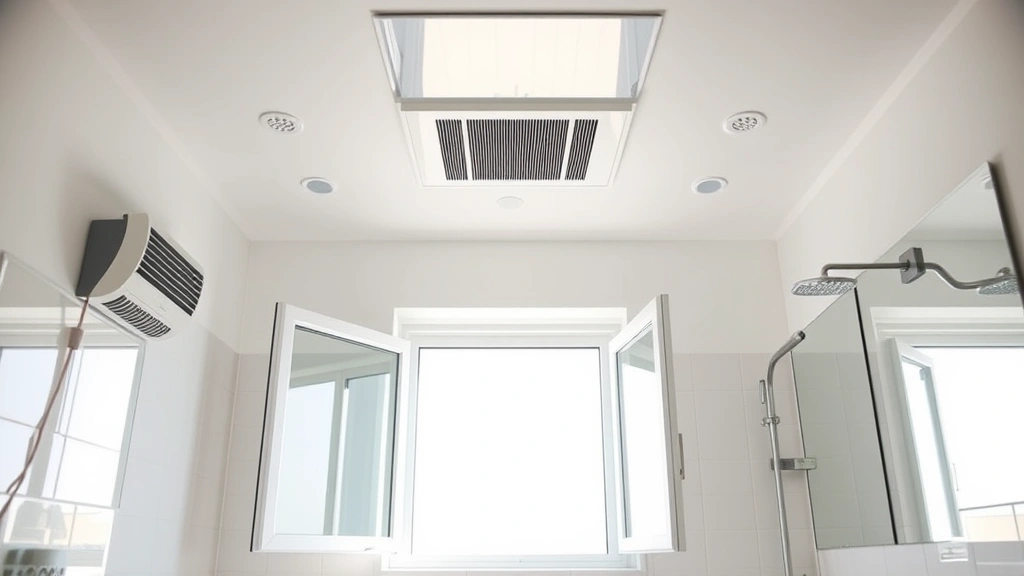
Ventilation emerges as the primary control measure when chloramine exposure risk exists. Opening windows, running exhaust fans, and ensuring adequate air circulation prevents gas accumulation in enclosed spaces. In bathrooms, running the exhaust fan during and for 15-20 minutes after cleaning significantly reduces chloramine concentration. For individuals living in homes with poor ventilation, installing additional exhaust capacity or using portable air purifiers with activated carbon filters provides supplementary protection. In workplaces, engineering controls including local exhaust ventilation and general dilution ventilation maintain exposure below regulatory limits.
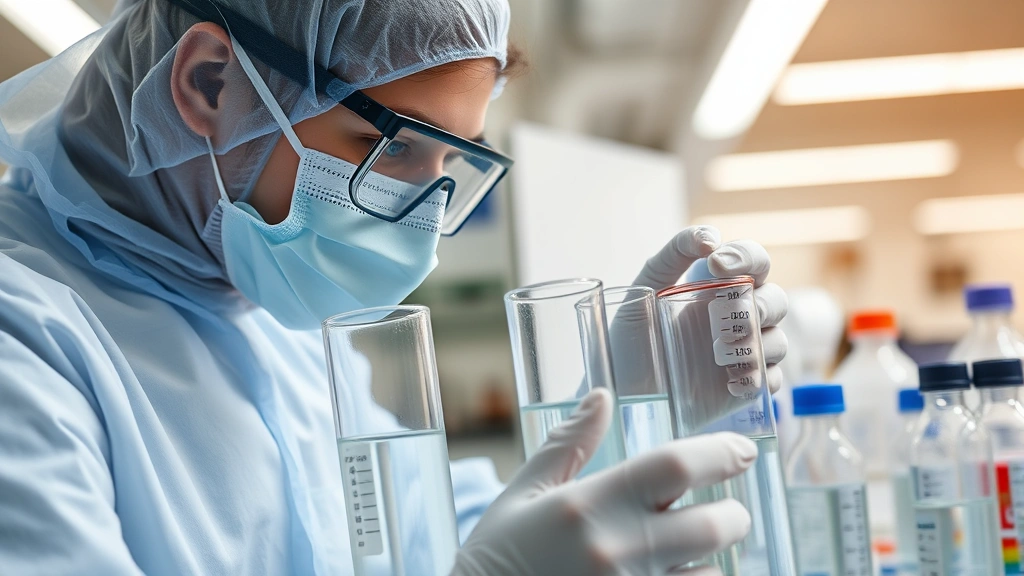
Personal protective equipment including respirators rated for chlorine and chloramine exposure protects workers in occupational settings. N95 masks provide inadequate protection against chloramine gas; proper respiratory protection requires respirators with cartridges specifically rated for acid gases or chlorine compounds. Eye protection and chemical-resistant gloves prevent dermal and ocular exposure when handling chlorine-containing products. For household use, avoiding the situations that generate chloramine gas entirely represents the most effective protective strategy.
Water treatment alternatives to chloramination offer long-term sustainability benefits. Ozonation, ultraviolet (UV) treatment, and advanced oxidation processes provide effective disinfection without forming chloramine residuals. Sustainable water treatment approaches balance disinfection efficacy with reduced chemical byproduct formation. For individual households, point-of-use water filters using activated carbon, reverse osmosis, or ion exchange effectively remove chloramine from drinking and bathing water, supporting both health and environmental objectives.
Treatment Options for Contaminated Water
Removing chloramine from drinking water and bathing water employs several proven technologies suitable for residential and commercial applications. Activated carbon filtration represents the most accessible and cost-effective approach, with carbon effectively adsorbing chloramine molecules from water. Whole-house carbon filters treat all incoming water, while point-of-use filters address specific water streams like kitchen sinks or showers. Replacing carbon filters according to manufacturer recommendations maintains effectiveness, as saturated carbon loses its adsorption capacity.
Reverse osmosis systems provide comprehensive water purification by forcing water through semipermeable membranes that remove chloramine along with other contaminants including microplastics and dissolved minerals. While reverse osmosis produces high-quality water, it consumes significant water volume during the filtration process, raising sustainability concerns. Ion exchange systems soften water while removing some chloramine species, though effectiveness varies by chloramine form and water chemistry. Combining multiple treatment methods often provides superior results compared to single-technology approaches.
Boiling water does not effectively remove chloramine, unlike its effectiveness against some pathogens. In fact, boiling may increase chloramine concentration through evaporative effects. For households receiving chloraminated water, activated carbon filtration or reverse osmosis remains the preferred treatment approach. Whole-house systems protect all water uses including bathing and laundry, which represent significant exposure pathways. Installing these systems aligns with comprehensive sustainability practices by reducing chemical exposure while supporting long-term health objectives.
Sustainable Alternatives to Chlorine Disinfection
Advancing beyond chlorine-based disinfection represents an important sustainability goal that balances public health protection with environmental and chemical safety. Ozonation, which uses ozone gas to oxidize pathogens and contaminants, provides highly effective disinfection without creating stable residual disinfectants or problematic byproducts. Ozone’s instability means it reverts to oxygen after disinfection, leaving no chemical residue in treated water. However, ozonation requires sophisticated equipment and skilled operators, limiting current implementation in smaller water systems.
Ultraviolet (UV) light treatment inactivates microorganisms through DNA damage, providing pathogen elimination without chemical residues. UV systems work effectively against most bacteria, viruses, and protozoa, though they require clear water and cannot provide residual protection in distribution systems. Combining UV with other methods like ozonation or advanced oxidation creates multi-barrier approaches that maximize disinfection while minimizing chemical byproducts. These technologies represent the forefront of sustainable water treatment innovation.
Advanced oxidation processes using hydrogen peroxide, UV light, and catalysts generate highly reactive hydroxyl radicals that destroy pathogens and contaminants with exceptional efficiency. These systems produce primarily water and carbon dioxide as byproducts, aligning with environmental sustainability principles. Membrane technologies including microfiltration, ultrafiltration, and nanofiltration provide physical pathogen removal, reducing reliance on chemical disinfection entirely. For households concerned about chloramine exposure, investigating whether local water utilities have evaluated alternative disinfection methods supports community health advocacy.
The transition toward sustainable water treatment reflects broader environmental and health consciousness. As awareness of disinfection byproduct health effects increases, water utilities worldwide are re-evaluating chlorine-based approaches. Supporting this transition through informed consumer choices, including selection of homes served by progressive water systems and advocacy for municipal water quality improvements, contributes to systemic sustainability. Understanding your personal environmental impact extends beyond transportation and energy to include water quality and chemical safety in your immediate household environment.
FAQ
What does chloramine gas smell like?
Chloramine gas produces a distinctive pungent odor resembling that of indoor swimming pools or heavily chlorinated water. The smell intensifies with concentration and becomes more apparent in enclosed spaces with poor ventilation. Some individuals detect chloramine at lower concentrations while others have reduced olfactory sensitivity, making odor an unreliable sole safety indicator. Professional testing provides objective confirmation of chloramine presence.
How quickly does chloramine gas form when mixing cleaning products?
Chloramine gas forms almost instantaneously when bleach contacts ammonia, urine, or ammonia-based cleaners. The reaction begins within seconds of contact, with gas concentration building rapidly in enclosed spaces. This immediate generation explains why accidental mixing causes acute poisoning incidents requiring emergency intervention. Never mix cleaning products, and always use one cleaner at a time with thorough rinsing between applications.
Can chloramine in drinking water cause cancer?
Current scientific evidence does not establish a direct causal link between chloramine itself and cancer development. However, chlorine-based disinfection produces disinfection byproducts including trihalomethanes that some studies suggest may carry elevated cancer risk at very high chronic exposure levels. Standard municipal water chloramination maintains residual levels far below those associated with adverse effects in scientific studies. For individuals concerned about long-term exposure, water filtration provides an additional safety measure.
What should I do if exposed to chloramine gas?
Immediately leave the contaminated area and move to fresh air. Remove contaminated clothing and wash exposed skin thoroughly with water. Rinse eyes with water for at least 15 minutes if eye exposure occurred. Seek medical attention if symptoms persist or worsen, including persistent coughing, chest pain, or difficulty breathing. Call poison control or emergency services for severe exposure cases. Prevention through proper ventilation and chemical separation remains far superior to managing exposure incidents.
Is chloramine removal necessary if my water system uses it?
Municipal chloramination occurs at levels considered safe by regulatory agencies, so removal is not mandatory for basic health protection. However, individuals with respiratory conditions, chemical sensitivities, or concerns about long-term exposure may choose to install removal systems. Chloramine removal also improves water taste and odor, which some people find objectionable. Personal preference, health status, and budget determine whether removal systems align with individual needs.
How often should I replace my water filter?
Activated carbon filter replacement intervals depend on water usage, chloramine concentration, and filter capacity, typically ranging from 3-12 months for household use. Manufacturers provide specific replacement recommendations based on expected contaminant removal capacity. Water flow reduction or return of chlorine odor indicates saturation requiring filter replacement. Regular replacement maintains filtration effectiveness and prevents bacterial growth in exhausted filters, supporting both water quality and health objectives.


