Detect Sewer Gas? Expert Insights & Tips for Home Safety
Sewer gas poses a silent threat to many households, yet remains largely misunderstood by homeowners. This noxious mixture of gases—including hydrogen sulfide, methane, and ammonia—emanates from decomposing organic matter in sewage systems and can infiltrate your home through plumbing fixtures, creating health hazards and unpleasant odors. Understanding how to detect and address sewer gas is essential for maintaining a safe, healthy living environment and protecting your family’s well-being.
A sewer gas detector serves as your first line of defense, alerting you to dangerous gas concentrations before they become health risks. Whether you’re dealing with persistent odors, unexplained health symptoms, or simply want to be proactive about home safety, this comprehensive guide provides expert insights into detection methods, prevention strategies, and sustainable solutions that align with modern environmental consciousness.
Understanding Sewer Gas Composition and Sources
Sewer gas is a byproduct of anaerobic decomposition in municipal sewer systems and residential septic tanks. The primary components include hydrogen sulfide (H₂S), which produces the characteristic rotten egg smell, methane (CH₄), a flammable and potent greenhouse gas, and ammonia (NH₃), which creates sharp, irritating odors. These gases can also contain trace amounts of other volatile organic compounds that contribute to indoor air quality issues.
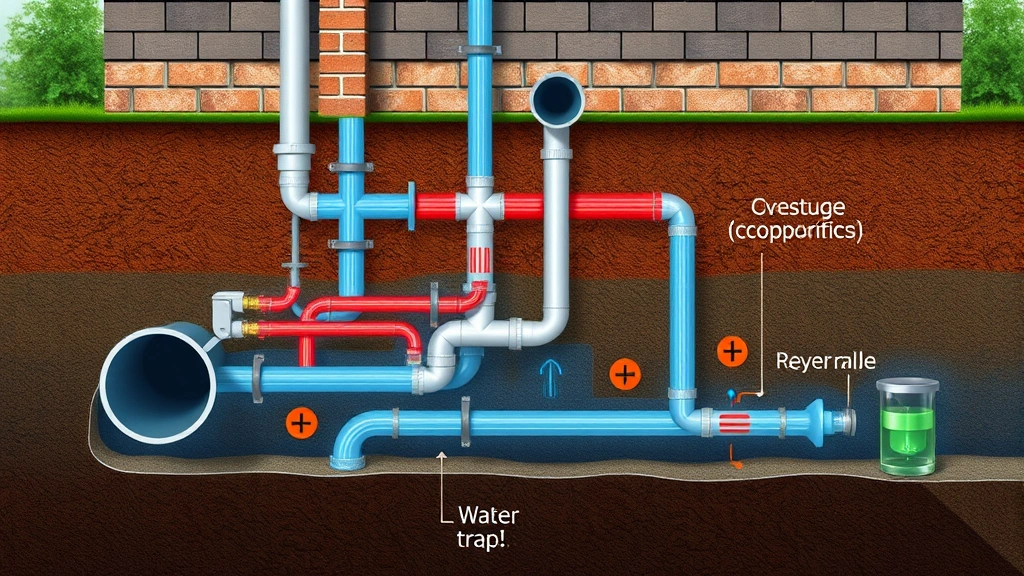
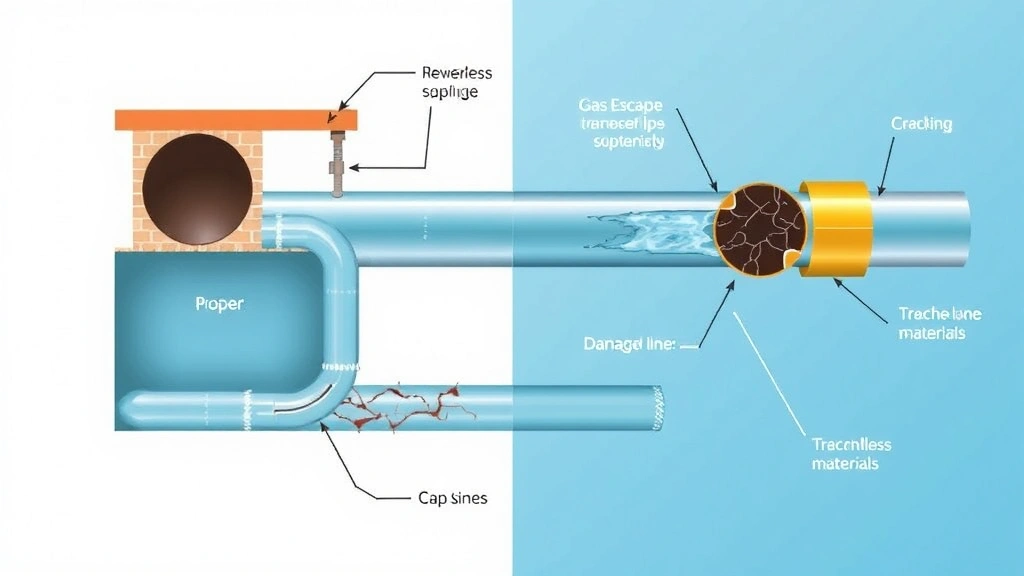
The sources of sewer gas intrusion into homes are typically varied and interconnected. Broken or cracked sewer lines, improperly sealed floor drains, malfunctioning trap seals in plumbing fixtures, and damaged vent stacks all provide pathways for gases to escape the sewer system and enter your living spaces. When reducing your environmental footprint, understanding these pathways becomes crucial for preventing unnecessary emissions and protecting both personal and environmental health.
Seasonal variations affect sewer gas concentrations significantly. Temperature changes cause gases to expand or contract, pressure fluctuations in sewer lines intensify during heavy rainfall, and frozen ground can trap gases near the surface. Older homes with deteriorating infrastructure face heightened risks, as do properties with poor plumbing maintenance histories. The EPA has documented that indoor air quality issues related to sewer gas affect thousands of households annually, making detection and prevention increasingly important.
Health Effects and Warning Signs
Exposure to sewer gas creates both acute and chronic health concerns that shouldn’t be ignored. Short-term exposure causes immediate symptoms: headaches, dizziness, nausea, and eye irritation. The distinctive rotten egg odor serves as an early warning signal, though prolonged exposure can lead to olfactory fatigue, where your nose becomes desensitized and fails to detect the dangerous gas.
Chronic exposure presents more serious health risks. Hydrogen sulfide in particular can damage the nervous system, respiratory system, and cardiovascular function with extended contact. Individuals with asthma, respiratory conditions, or compromised immune systems face elevated risks. Children and elderly household members are especially vulnerable. Some homeowners report persistent coughs, bronchitis-like symptoms, and exacerbated allergies without realizing sewer gas is the culprit.
Warning signs extend beyond odor detection. If you notice consistently slow-draining fixtures, gurgling sounds from drains or toilets, or sewage backups, these indicate plumbing system failures that likely release sewer gas. Unexplained indoor odors near bathrooms, basements, or around foundation perimeters warrant investigation. Pest infestations near drain areas can signal deteriorated pipe integrity. Taking action on these signs protects your household and aligns with principles of sustainable home management, where prevention reduces the need for emergency interventions and environmental disruption.
Types of Sewer Gas Detectors
Modern sewer gas detection technology offers homeowners multiple options suited to different needs and budgets. Understanding these types helps you select the most appropriate solution for your situation.
Portable Gas Detectors are handheld devices designed for immediate, on-demand detection. Multi-gas detectors measure hydrogen sulfide, methane, and oxygen levels simultaneously, providing comprehensive readings. These units range from basic models ($50-150) to advanced versions ($300-800) with digital displays, data logging capabilities, and wireless connectivity. Professional-grade detectors offer higher sensitivity and accuracy, essential for confirming serious contamination before calling in specialists.
Fixed Monitoring Systems provide continuous surveillance of sewer gas levels in specific areas. These permanently installed devices trigger alarms when concentrations exceed safe thresholds, offering passive protection while you sleep or work. Smart home integration allows remote monitoring via smartphone apps, sending alerts directly to your device. Installation costs range from $400-1500 depending on system sophistication, but the continuous protection justifies the investment for homes with known sewer issues.
Hydrogen Sulfide Specific Detectors focus exclusively on H₂S detection, the most hazardous sewer gas component. These specialized units provide exceptional sensitivity to the primary threat, with some models detecting concentrations as low as 1 ppm (parts per million). They’re ideal for properties with documented hydrogen sulfide problems or those seeking targeted monitoring without broader multi-gas capabilities.
DIY Detection Methods offer budget-conscious alternatives. Activated charcoal filters, when placed strategically around suspected problem areas, absorb odors and indicate gas presence through color changes. While less precise than electronic detectors, these passive methods cost minimal amounts and provide preliminary assessment before investing in professional equipment.
When considering detection technology, align your choice with your home’s specific risks. New construction with modern plumbing might require only occasional portable testing, while older homes with known issues benefit from continuous fixed monitoring. Understanding these options connects to broader green technology innovations that protect health through smart environmental monitoring.
How to Use a Sewer Gas Detector Effectively
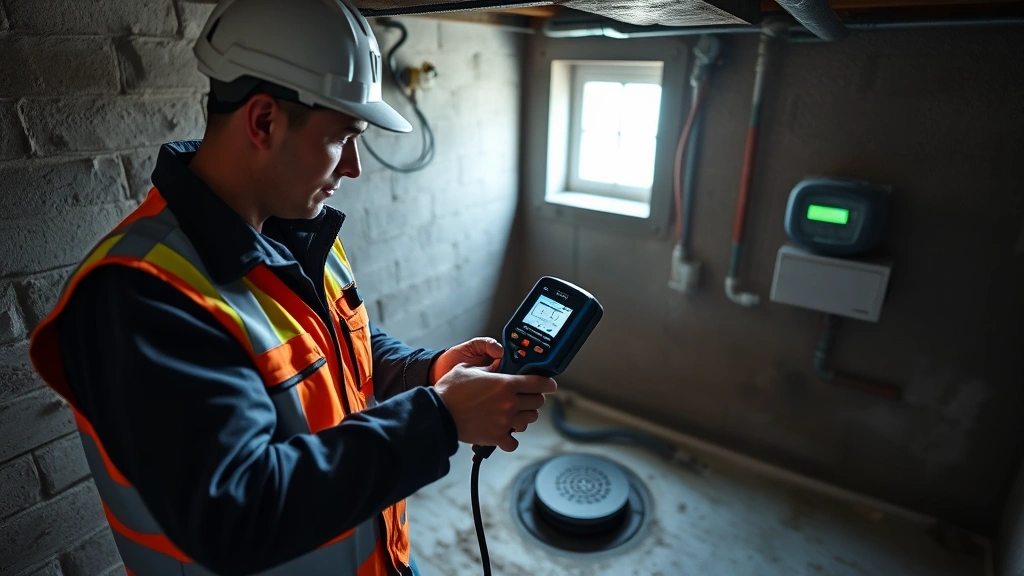
Proper detector usage ensures accurate readings and reliable protection. Begin by familiarizing yourself with your specific device’s manual, as operation varies between manufacturers. Most portable detectors require calibration before first use—expose them to fresh air and follow the calibration sequence indicated in instructions.
Strategic Placement Techniques maximize detection accuracy. Position detectors near floor drains, basement areas, around toilet bases, and in spaces where you’ve noticed odors. Since sewer gases rise and disperse, place detectors at multiple heights: near floor level where heavier hydrogen sulfide accumulates, and at breathing height where you’ll experience inhalation exposure. Test areas near exterior foundation walls where gases may seep through cracks or gaps.
Testing Procedures should follow systematic patterns. Conduct tests during calm weather when atmospheric pressure variations won’t skew results. Avoid testing immediately after plumbing use, as temporary pressure changes create false readings. Allow detectors 2-3 minutes in each location to stabilize before recording measurements. Take multiple readings across several days to establish baseline patterns and identify fluctuations.
Interpreting Results requires understanding acceptable thresholds. OSHA establishes 10 ppm as the permissible exposure limit for hydrogen sulfide during 8-hour work shifts. Readings above 15 ppm indicate significant problems requiring immediate professional assessment. Any detection of methane in residential spaces warrants investigation, as normal indoor air contains negligible methane. Ammonia readings above 25 ppm suggest serious ventilation or sewage system failures.
Fixed monitoring systems require periodic maintenance. Check battery status monthly, ensure sensors remain unobstructed, and verify alarm functionality quarterly. Document all readings in a log, tracking patterns that might indicate seasonal variations or progressive deterioration. This data proves invaluable when discussing problems with plumbers or environmental specialists, establishing clear evidence of the issue’s scope and severity.
Prevention and Long-Term Solutions
Detection identifies problems, but prevention eliminates them. Proactive maintenance of your plumbing and sewage systems represents the most sustainable approach to sewer gas management, reducing health risks while minimizing environmental impact.
Trap Seal Maintenance addresses one of the most common sources. Every drain fixture—sinks, showers, toilets, floor drains—contains a water-filled trap that blocks sewer gases from rising into living spaces. Unused drains dry out, allowing gases to escape. Regularly use all fixtures, or if some remain unused, pour water down drains monthly to maintain seals. Consider installing automatic trap seals in rarely-used drains as a permanent solution.
Vent Stack Inspection ensures proper system function. Your home’s vent stacks—vertical pipes that allow sewer gases to escape safely to the roof—must remain clear and properly sealed. Check roof penetrations annually for damage, debris accumulation, or animal interference. Damaged or clogged vents force gases back into the home rather than safely dispersing them. Professional chimney sweeps can inspect and clear vent stacks, though many homeowners can perform basic visual inspections themselves.
Sewer Line Integrity forms the foundation of long-term prevention. Video camera inspections reveal cracks, breaks, or deterioration in underground sewer lines before problems escalate. Modern trenchless repair technology allows professionals to fix damaged pipes without extensive excavation, preserving landscaping and reducing environmental disruption. For properties with aging infrastructure, scheduling preventive inspections every 5-10 years provides early warning of emerging issues.
Septic System Maintenance becomes critical for homes relying on septic tanks rather than municipal sewers. Regular pumping (every 3-5 years depending on usage), avoiding harsh chemicals that kill beneficial bacteria, and preventing excess water infiltration maintain system health. Properly functioning septic systems produce fewer gases and contaminate groundwater less readily. Understanding the definition of sustainability includes recognizing that protecting your septic system protects local water resources and environmental integrity.
Plumbing Upgrades modernize older systems vulnerable to sewer gas problems. Updating trap designs, installing backflow prevention devices, and replacing corroded pipes eliminate vulnerability points. While upgrades require investment, they prevent costly emergency repairs and health complications that would necessitate more disruptive interventions.
Professional Assessment and Remediation
When sewer gas detection reveals significant problems, professional expertise becomes essential. Licensed plumbers and environmental specialists possess equipment, training, and legal authority to address hazardous conditions properly.
When to Call Professionals depends on detection results and symptoms. Any portable detector reading above 15 ppm warrants professional evaluation. Persistent odors despite your efforts, accompanied by health symptoms, require expert diagnosis. Visible sewage backups, multiple fixture drainage problems, or foundation cracks near sewer lines indicate serious system failures needing immediate attention. Don’t attempt DIY repairs on main sewer lines or structural issues—these require licensed professionals.
Professional Testing Methods exceed consumer capabilities. Specialists conduct smoke testing, where non-toxic smoke reveals cracks and improper connections in sewer lines. Video inspection provides detailed visualization of pipe interiors, identifying specific failure points. Pressure testing measures system integrity and identifies leaks. These comprehensive diagnostics cost $300-800 but pinpoint problems precisely, enabling targeted repairs rather than guesswork.
Remediation Options range from simple to complex. Minor issues like damaged trap seals or clogged vents require straightforward fixes costing $100-500. Cracked pipes might need trenchless pipe bursting or relining techniques ($2000-5000), preserving your yard while repairing infrastructure. Severe sewer line failures necessitate excavation and replacement, the most expensive option but essential for system integrity. Some municipalities offer cost-sharing programs for sewer line repairs, reducing homeowner burden while improving public health.
Documentation of professional work proves valuable for future property sales and insurance claims. Request detailed reports of findings, work performed, and warranties provided. This documentation demonstrates due diligence in maintaining your home and protecting its value—a sustainable investment practice that benefits you and future occupants.
Connecting with sustainable energy solutions specialists can also help identify energy-efficient upgrades during sewer system repairs, maximizing the value of necessary work.
FAQ
What does sewer gas smell like?
Sewer gas produces a distinctive rotten egg odor caused by hydrogen sulfide. Some people describe it as similar to decaying organic matter or sulfur matches. The smell intensifies near drains, basements, or areas with plumbing problems. If you consistently notice this odor indoors, investigate immediately using detection methods or professional assessment.
Can sewer gas cause death?
While rare in residential settings, high concentrations of hydrogen sulfide can be fatal. Exposure above 100 ppm causes rapid respiratory paralysis and loss of consciousness. Occupational deaths occur in sewage treatment facilities and confined spaces where gases concentrate. Residential sewer gas exposure typically causes illness rather than death, but serious health complications justify immediate remediation of detected problems.
How much does a sewer gas detector cost?
Portable multi-gas detectors range from $50-800 depending on features and sensitivity. Basic models cost $50-150, mid-range units with digital displays run $150-400, and professional-grade equipment exceeds $400. Fixed monitoring systems cost $400-1500 installed. DIY detection methods using activated charcoal cost under $20. Choose based on your home’s specific risks and budget constraints.
Can I detect sewer gas without equipment?
Your nose provides the most accessible detection method—the rotten egg odor indicates sewer gas presence. However, olfactory fatigue limits reliability with prolonged exposure. Observing symptoms like persistent headaches, nausea, or eye irritation, combined with drain problems or visible sewage issues, suggests sewer gas problems. For confirmation and measurement, electronic detectors provide objective, reliable results that guide professional remediation decisions.
How often should I test for sewer gas?
Homes without known issues benefit from annual testing, particularly before seasonal temperature changes that affect gas concentrations. Homes with documented sewer problems should test quarterly or install continuous monitoring systems. After professional repairs, test monthly for 2-3 months to confirm resolution. Properties in areas with aging municipal infrastructure might test semi-annually as a precaution.
Does homeowner’s insurance cover sewer gas damage?
Most standard homeowner policies don’t cover sewer gas-related health effects or remediation, as they classify sewer backups as separate coverage requiring additional riders. Some policies cover structural damage caused by sewer problems. Review your specific policy and discuss sewer gas risks with your insurance agent. Adding sewer backup coverage costs $50-100 annually but provides essential protection.
Are there sustainable solutions for sewer gas prevention?
Yes—sustainable prevention focuses on maintaining existing infrastructure rather than replacement when possible. Trenchless repair technologies minimize environmental disruption compared to traditional excavation. Installing greywater systems and reducing water waste decreases sewer system strain and gas production. Regular maintenance prevents emergency situations requiring emergency response vehicles and disruption. These approaches align with sustainable practices discussed in our blog, where prevention-focused strategies prove more environmentally responsible than reactive problem-solving.
What’s the difference between sewer gas and natural gas?
Sewer gas is a mixture of compounds from decomposing organic matter, smelling like rotten eggs and containing hydrogen sulfide. Natural gas used for heating is odorless in its natural state; utility companies add mercaptan to create a distinct chemical smell for safety. While both can be dangerous, sewer gas poses health risks through inhalation, while natural gas threatens through fire and explosion hazards. Detection and remediation approaches differ significantly.


